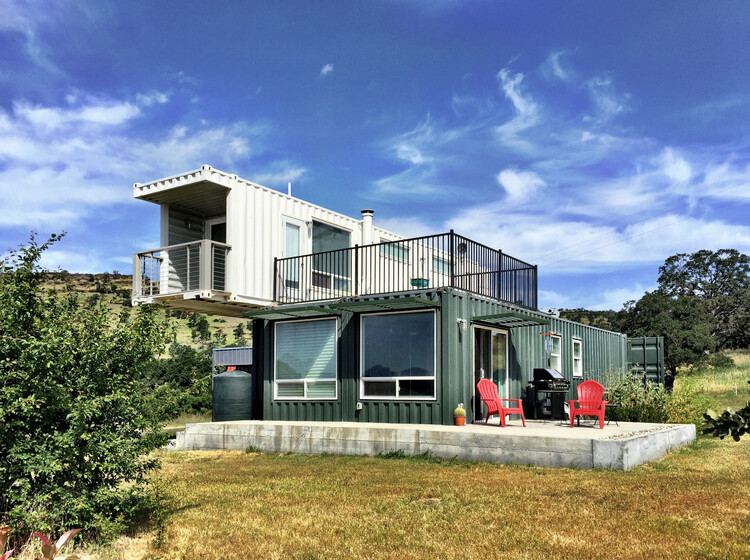
A timely sponsored overview compares container-conversion strategies for contrasting U.S. climates, including heat, snow, humidity, storms and coastal corrosion. Its practical reach is tempered by the lack of named projects or independent technical sourcing.
Location
United States
Organizations
Containerbasis Pty Ltd — Operator of shipping-containers.com, the marketplace identified by the sponsored article as “Shipping Containers”; the site provides information and supplier connections for container buyers.
A newly launched, free digital tool turns climate pathways into project-level carbon budgets for European buildings, offering designers a practical way to contextualize whole-life emissions early in the design process.
Location
Europe; launched at HENN’s Berlin office, Alexanderstraße 7, Berlin, Germany.
Organizations
HENN — Architecture practice; developer and provider of CarbonBudget.; Studio Fang — Photography
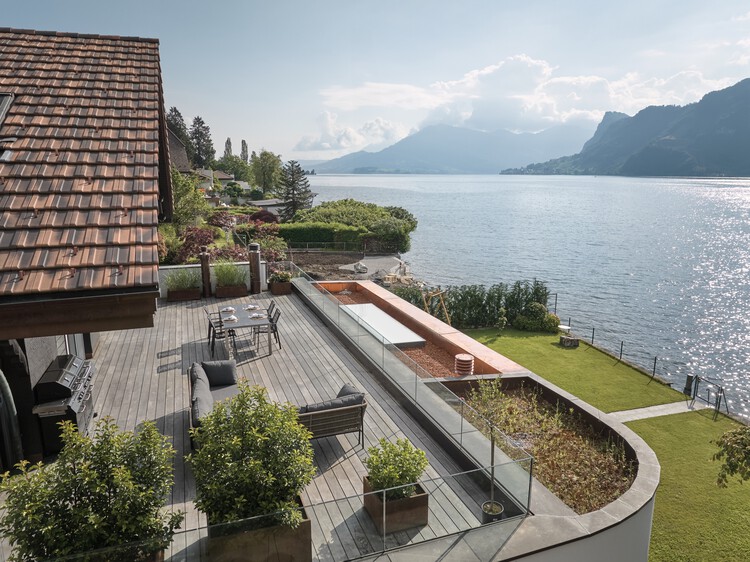
A sponsored ArchDaily explainer connects coastal detailing with acetylated timber, a material-performance topic relevant to architects specifying exposed wood. The piece is useful as a product-focused review lead, though its promotional framing and performance claims warrant careful editorial treatment.
Location
Not provided
Organizations
Accsys Technologies — Producer of Accoya acetylated wood, the product promoted in the sponsored article.; Werz Architects — Architect credited for Hotel Baja Club, an Accoya project pictured in the article.; Coleman Architecture — Architecture firm credited for Sunset Cliffs, an Accoya project pictured in the article.; reSAWN TIMBER co. — Timber company credited in connection with the Lakeshore Drive Residence example pictured in the article.; César Béjar Studio — Photography
A new industry campaign reframes technical membranes as a distinct architectural material category, arguing that building performance can come from regulating heat, light, air, and sound rather than relying on added mass. The article is company-collaborative content, so its performance claims merit independent editorial scrutiny.
Location
Not provided
Organizations
Serge Ferrari — Company behind the 7TH MATERIAL campaign and technical membrane manufacturer; credited image source in the article.; ArchDaily — Publisher of the selected collaboration article.; Corinne Vezzoni & Associés — Architect of The Camp, an example discussed in the article.; TYLin — Organization identified in the article as Nic Goldsmith’s professional affiliation.
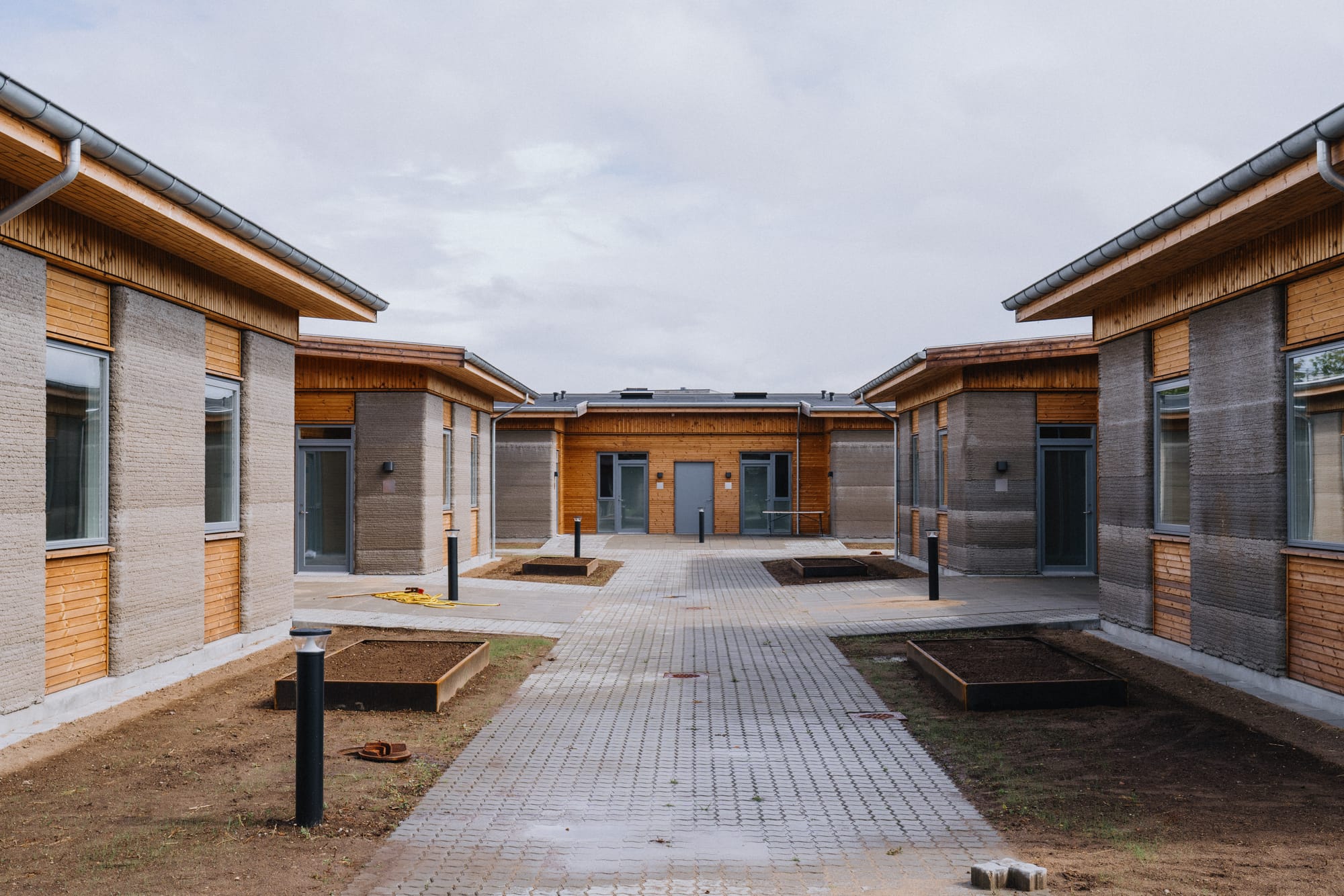
The completed social-housing development advances large-scale additive construction beyond demonstration houses while testing lower-carbon printable materials and community-oriented site planning.
Location
Holstebro, Denmark
Organizations
SAGA Space Architects — Architecture; 3DCP Group — Client, construction printing and material development; MS+ — Architecture collaborator; COBOD International — 3D-printing technology collaborator; Aalborg Portland — Concrete-material collaborator; BYGKONTROL — Engineering
The project is a compelling circular-construction case study: site excavation waste is being engineered into durable architectural finishes while using local food traditions to give a major infrastructure project a culturally specific identity.
Location
Old Oak Common station, West London, United Kingdom
Organizations
Rafael El Baz — Co-designer; Bahbak Hashemi-Nezhad — Co-designer; Craven Dunnill Jackfield — Ceramic manufacturing and technical-development partner; HS2 Ltd — Infrastructure client and source of excavated clay
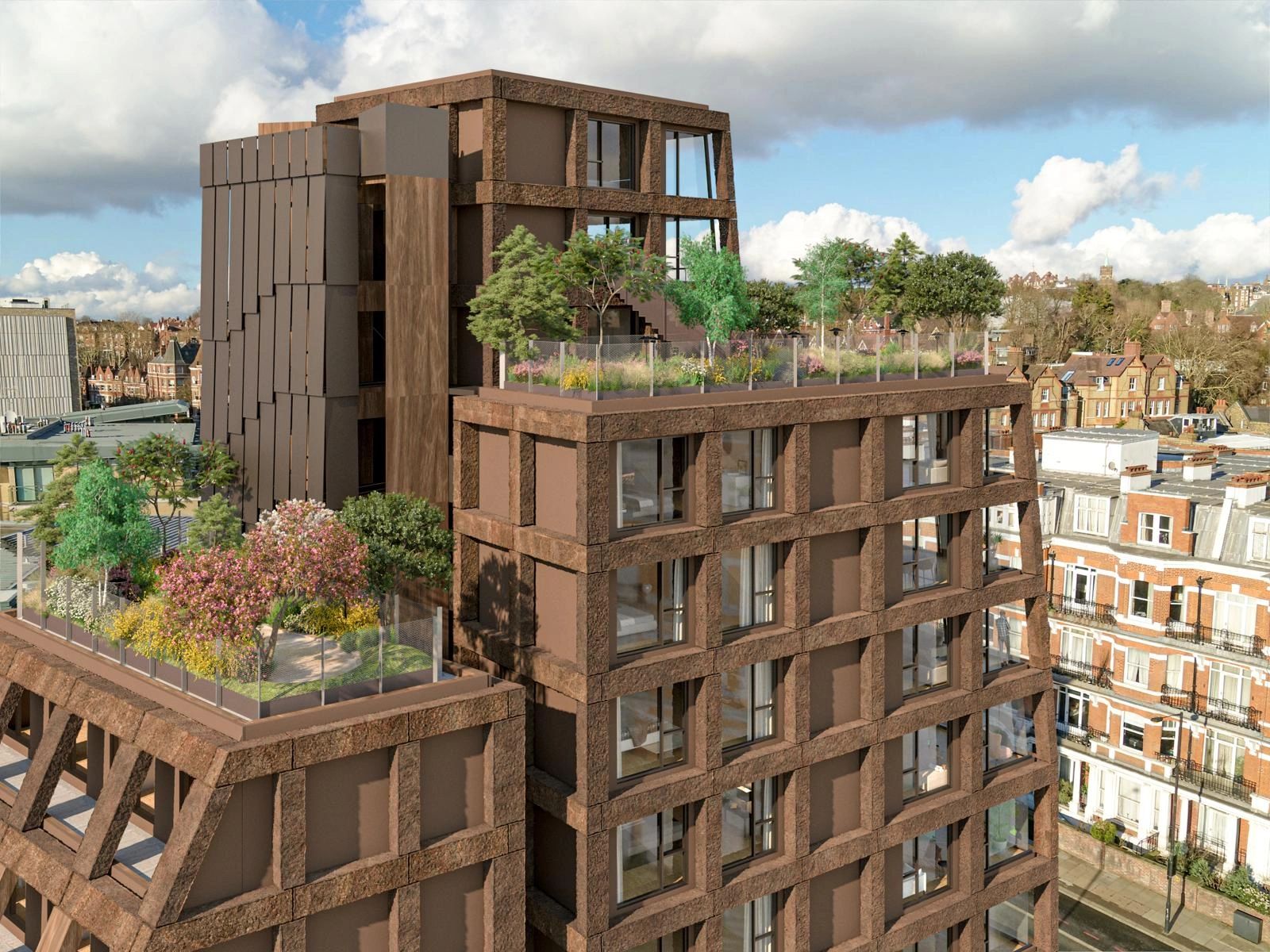
The completed project is a rare contemporary test of structural stone at high-rise scale, replacing conventional reinforced structural framing with an exposed volcanic-stone exoskeleton.
Location
317 Finchley Road, London, United Kingdom
Organizations
Groupwork — Architect; Webb Yates Engineers — Structural engineer; Petra Heights — Development; Mortimer Surveyors — Development enquiry agent
The completed Danish development moves 3D concrete printing beyond isolated prototypes into regulated, budget-constrained multifamily housing, while testing cement-free printed components with sharply reduced embodied carbon.
Location
Holstebro, Denmark, near VIA University College
Organizations
SAGA Space Architects — Architect; MS+ arkitekter — Collaborating architect; 3DCP Group — Contractor and 3D-printing specialist; NordVestBO — Client and housing developer; Bygkontrol — Engineer; COBOD International — BOD3 printing-system provider; Aalborg Portland — Material partner; VELUX — Project partner; Rationel — Project partner; HTH — Project partner; Marmorline — Project partner; Innovation Fund Denmark — Funder of cement-free material development
The year-long pilot moves construction-material reuse from advocacy into municipal logistics and data gathering. Its results could influence how major U.S. cities organize recovery, storage and redistribution systems for salvaged building components.
Location
MADE Bush Terminal, Sunset Park, Brooklyn, New York, United States
Organizations
New York City Economic Development Corporation — Program sponsor; Our Temenos — Hub operator; MADE Bush Terminal — Host campus
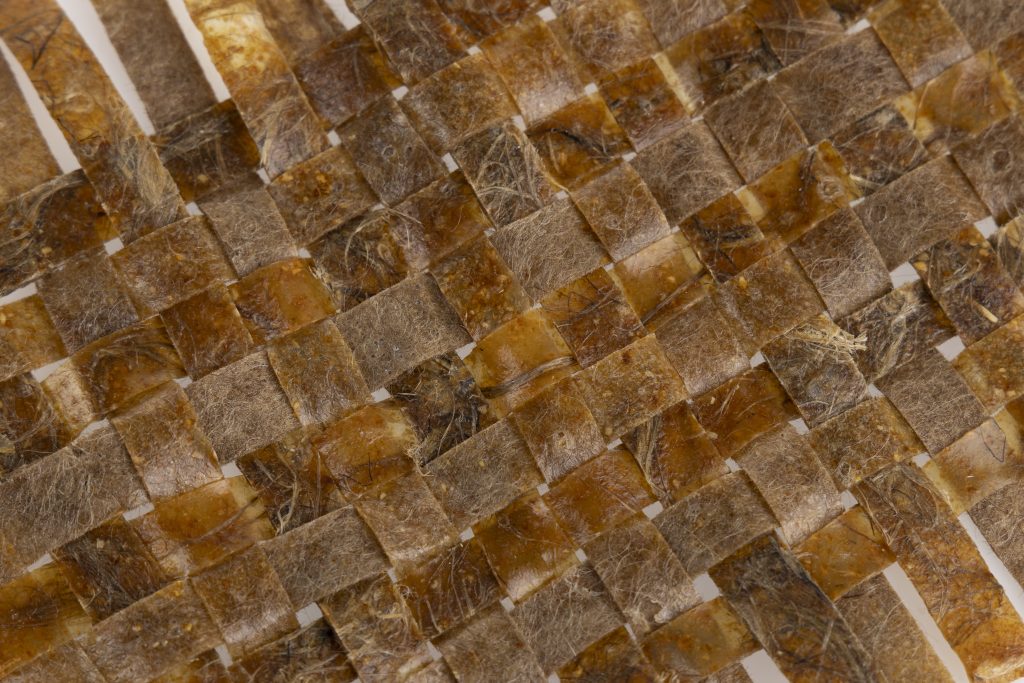
The project moves biomaterial research beyond isolated samples into a recognizable, performance-intensive consumer product and is publicly exhibited through October 30.
Location
Marsio, Aalto University, Espoo, Finland
Organizations
Aalto University CHEMARTS — Research and educational design team; Bugaboo — Industry collaborator and product-frame provider
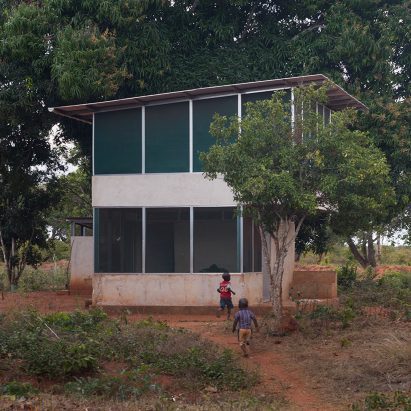
This is unusually strong evidence that architectural design itself can act as public-health infrastructure. The randomized trial connects passive cooling, insect screening, sanitation, smoke control, solar power and rainwater collection to measurable reductions in three major childhood diseases.
Location
55 villages in rural Mtwara Region, Tanzania
Organizations
Ifakara Health Institute — Research partner; University of Oxford — Research partner; Royal Danish Academy — Architecture and research partner; Ecohomes Company Limited — Prefabrication and construction contractor