Stone and Light – Llagar Renovation by Baldo Arquitectura
"Memory is not preserved intact; it is transformed with care and judgment. In this home, time becomes just another material of the project."
This project engages in a dialogue with both the landscape and memory, where time is not erased but gently organized. Between cliffs and the mists of the Cantabrian Sea, the architecture becomes a serene gesture that transforms without imposing.
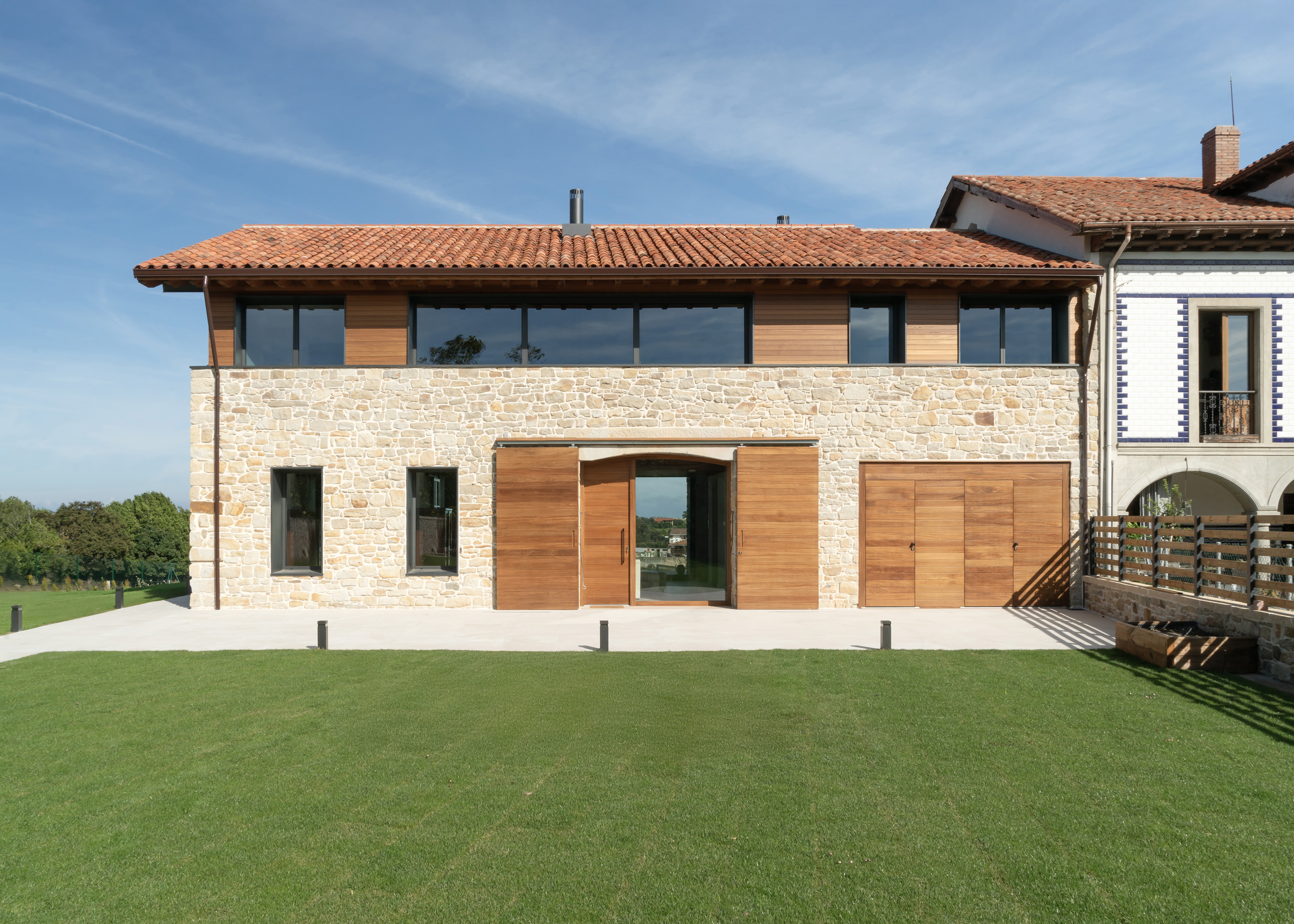
The house that is the subject of this intervention is located in Quintes, a small coastal enclave between Villaviciosa and Gijón, where the rugged topography and proximity to the sea define a landscape of strong character. In this context, traditional Asturian architecture presents itself as a natural extension of the land, built with locally available materials and adapted to a demanding climate. The plot comes from the division of a larger estate that originally housed a main dwelling and an attached cider mill oriented to the west wind. With the division, the former cider mill gains its own identity and becomes the framework for a new way of inhabiting. One of the project’s most significant gestures is the preservation of the old cider mill entrance. Composed of two large wooden sliding doors framing a stone segmental arch, this piece is fully integrated into the new home. Preserving its form and material is not merely an aesthetic act but a decision rich in symbolism. The entrance thus becomes a temporal threshold, a door connecting not only interior and exterior but also past and present, work and domestic life, memory and transformation.
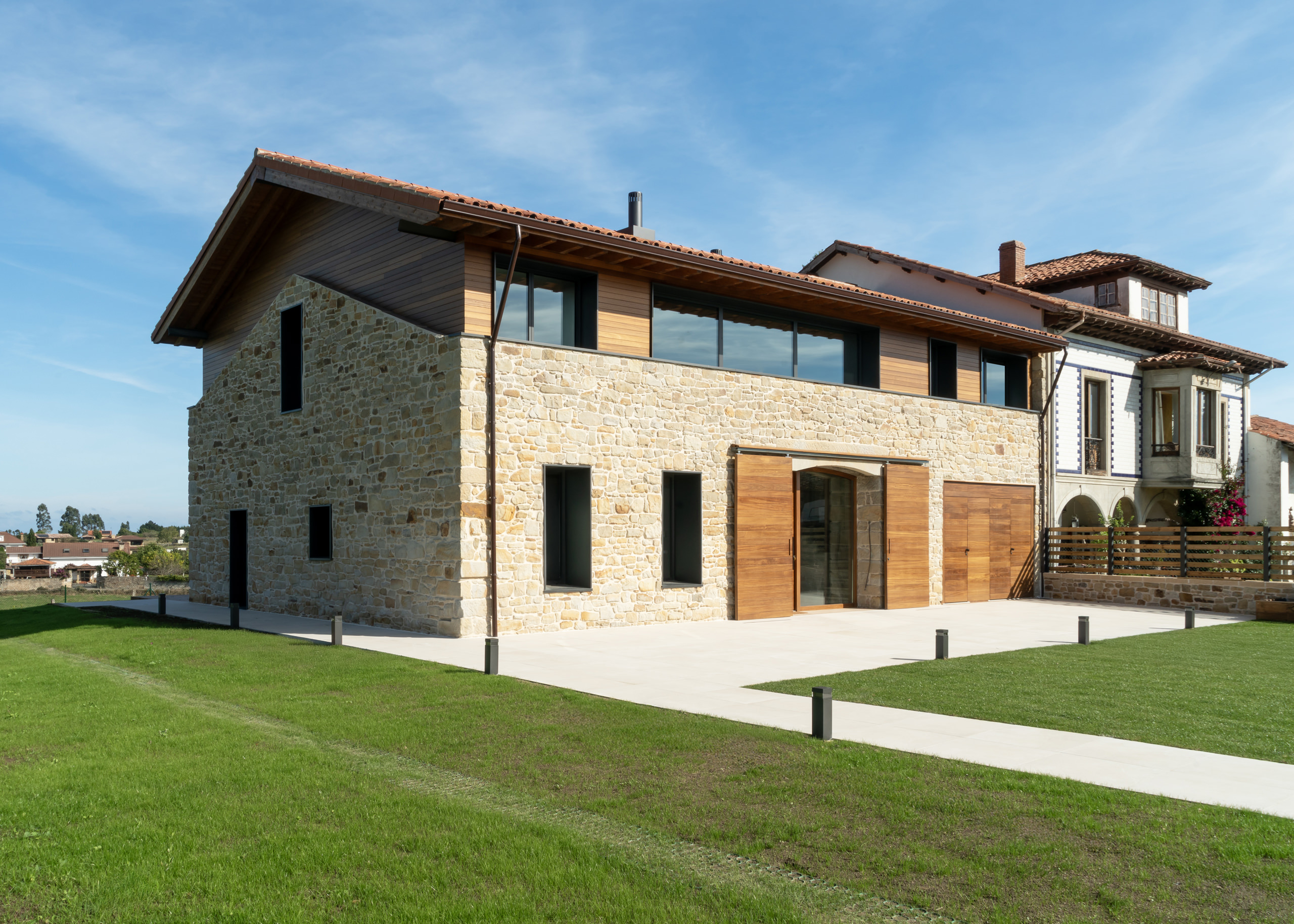
The original building, designed for cider production, was entirely constructed with load-bearing stone walls and a timber structure. Its ruined state made a simple rehabilitation impossible, but allowed a clear reading of its constructive logic and essential proportions. The client proposed its transformation into a two-story single-family home, which implied adding height and completely redefining the program. Far from approaching this challenge as a rupture, the project embraces it with respect, assuming that any authentic transformation must begin with an understanding of what already exists.
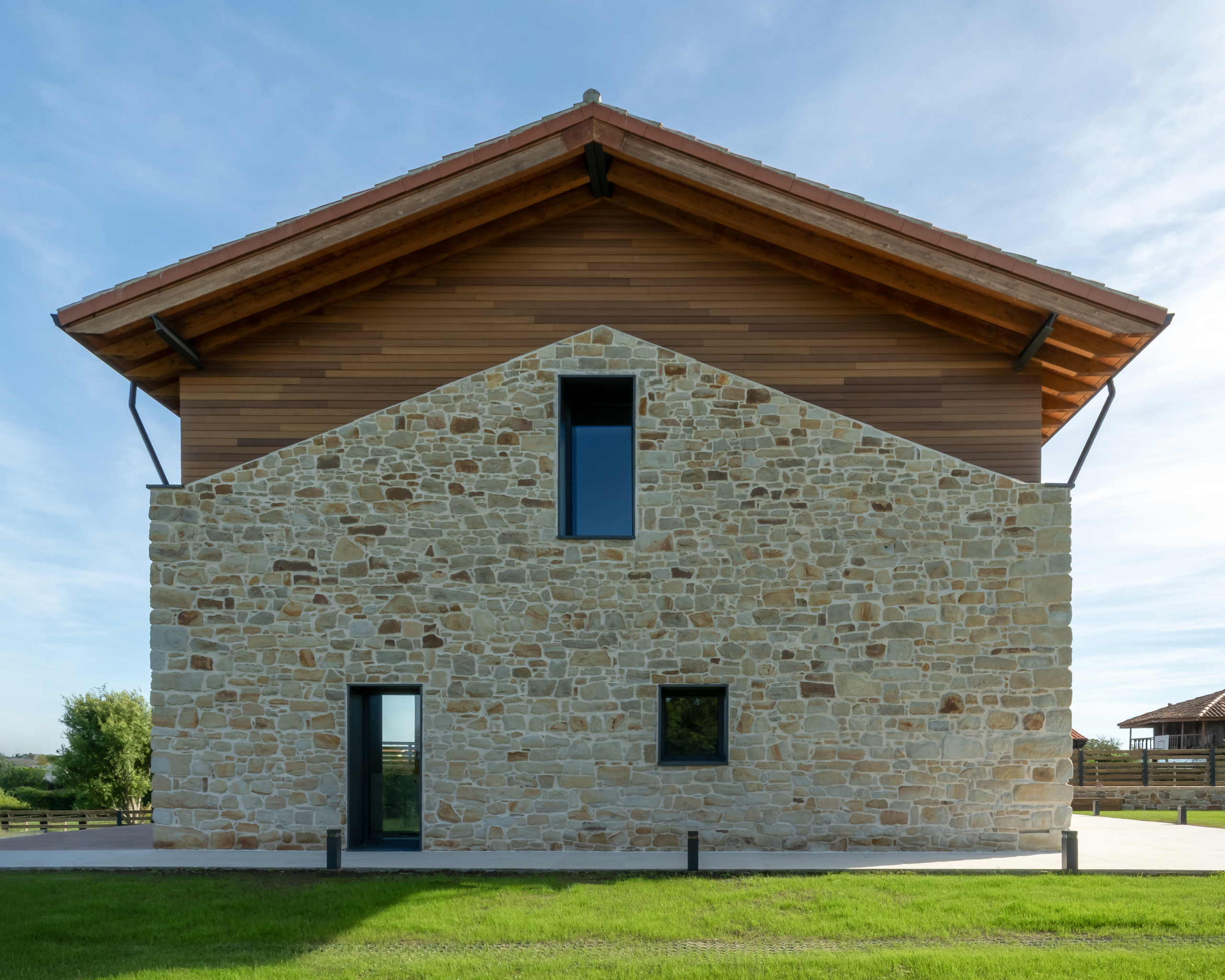
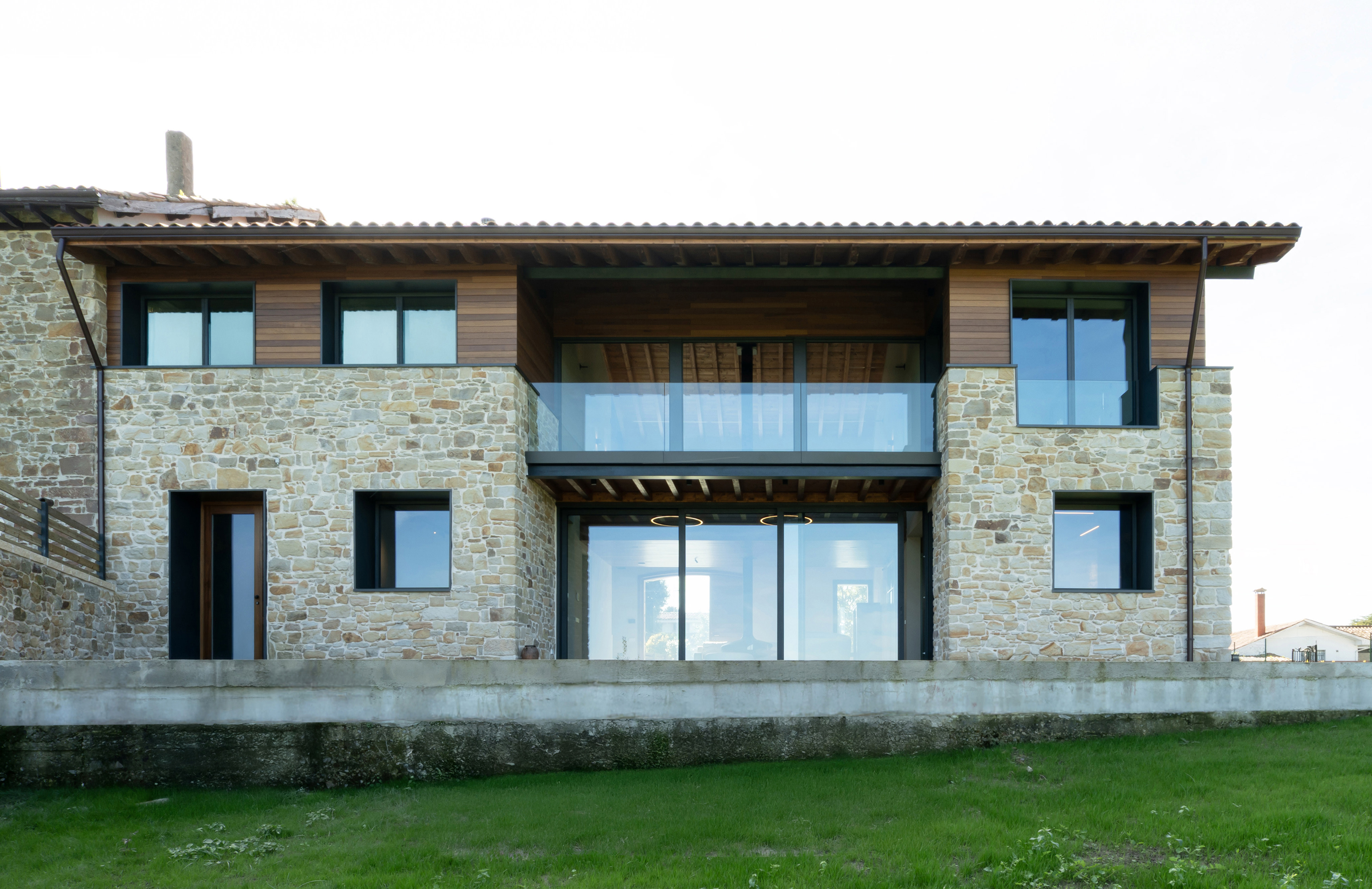
Baldo Arquitectura adopts an approach that could be defined as contemporary restoration, a strategy that does not seek to imitate the past or conceal the intervention but instead establishes an honest dialogue between times. The project preserves the essential values of the original cider mill—its materiality, scale, and construction system—and reinterprets them through a contemporary lens. In my opinion, this decision is one of the project’s greatest successes, as it avoids empty nostalgia and proposes an architecture that embraces the complexity of time with naturalness and rigor.
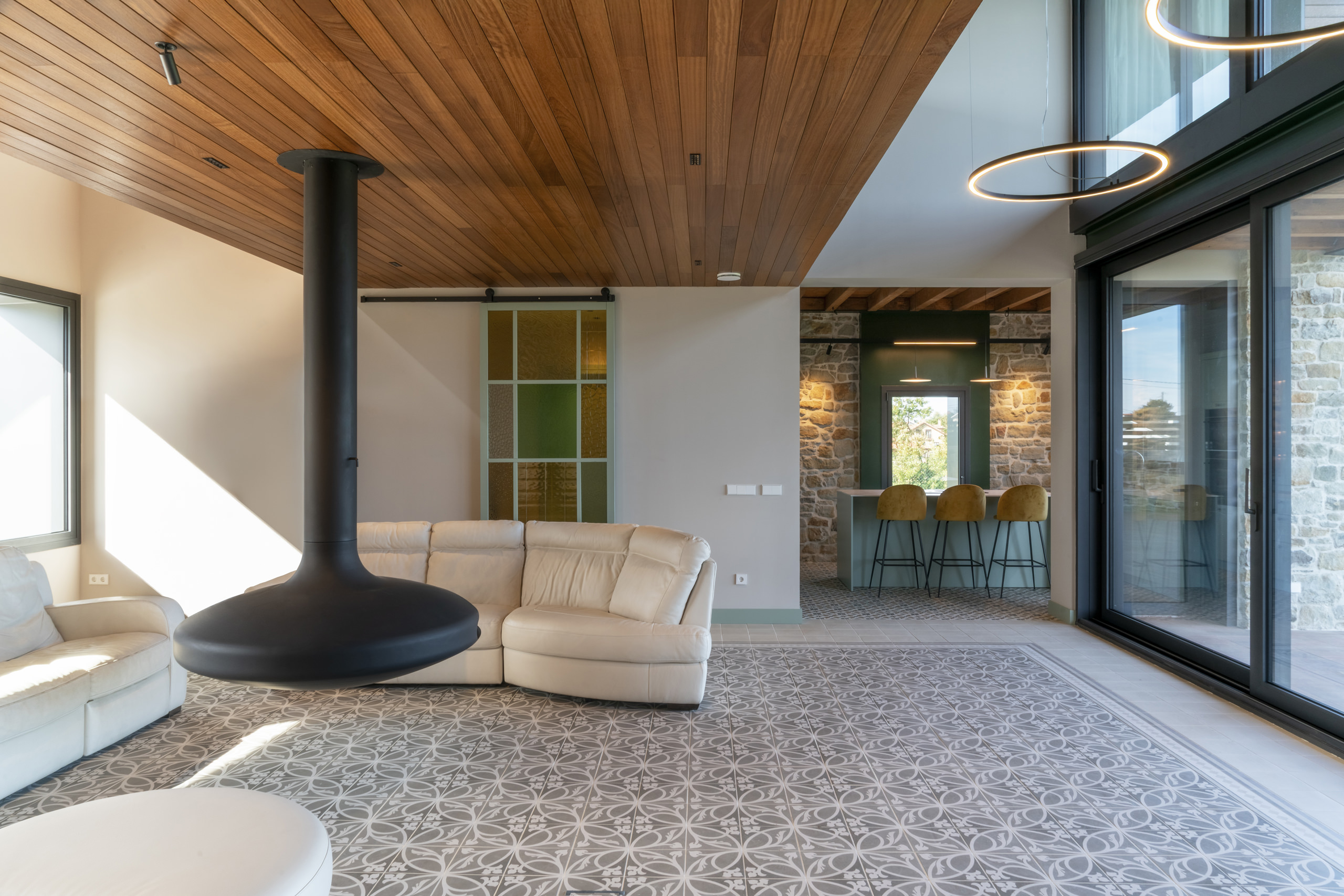
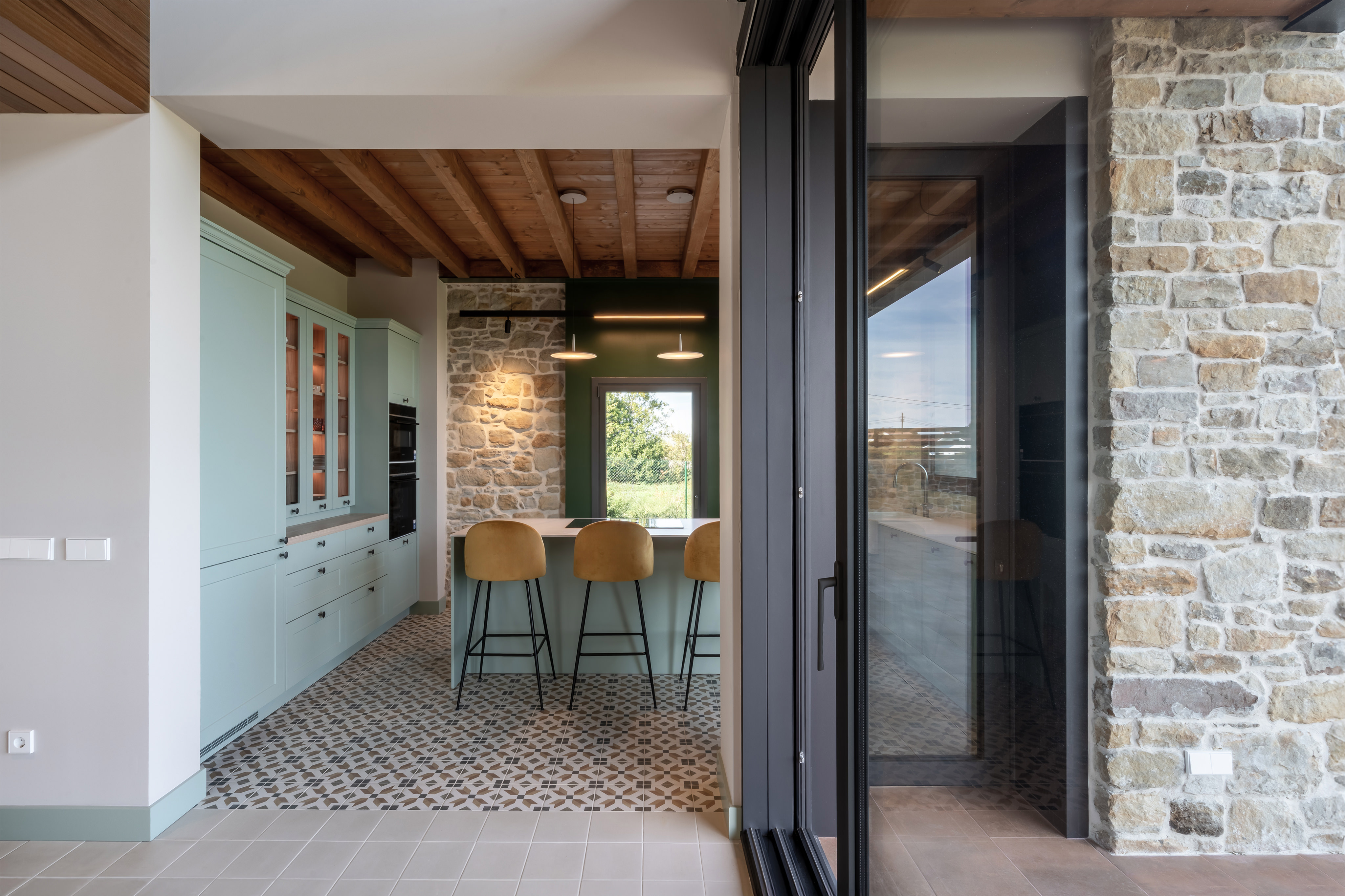
"Between stone and glass, between past and present, architecture finds its balance. A lesson in respect, clarity, and silent contemporaneity."
From the tension between permanence and transformation arises a layered architecture, where different historical layers remain visible. The intervention does not aim to erase traces of use or inherited imperfections but to make them legible and coherent within a new spatial order. The resulting building is perceived as a single architectural body, yet it clearly allows the identification of what belongs to the past and what responds to the new domestic life. This narrative clarity turns the house into a built story, where every material and junction has something to tell.
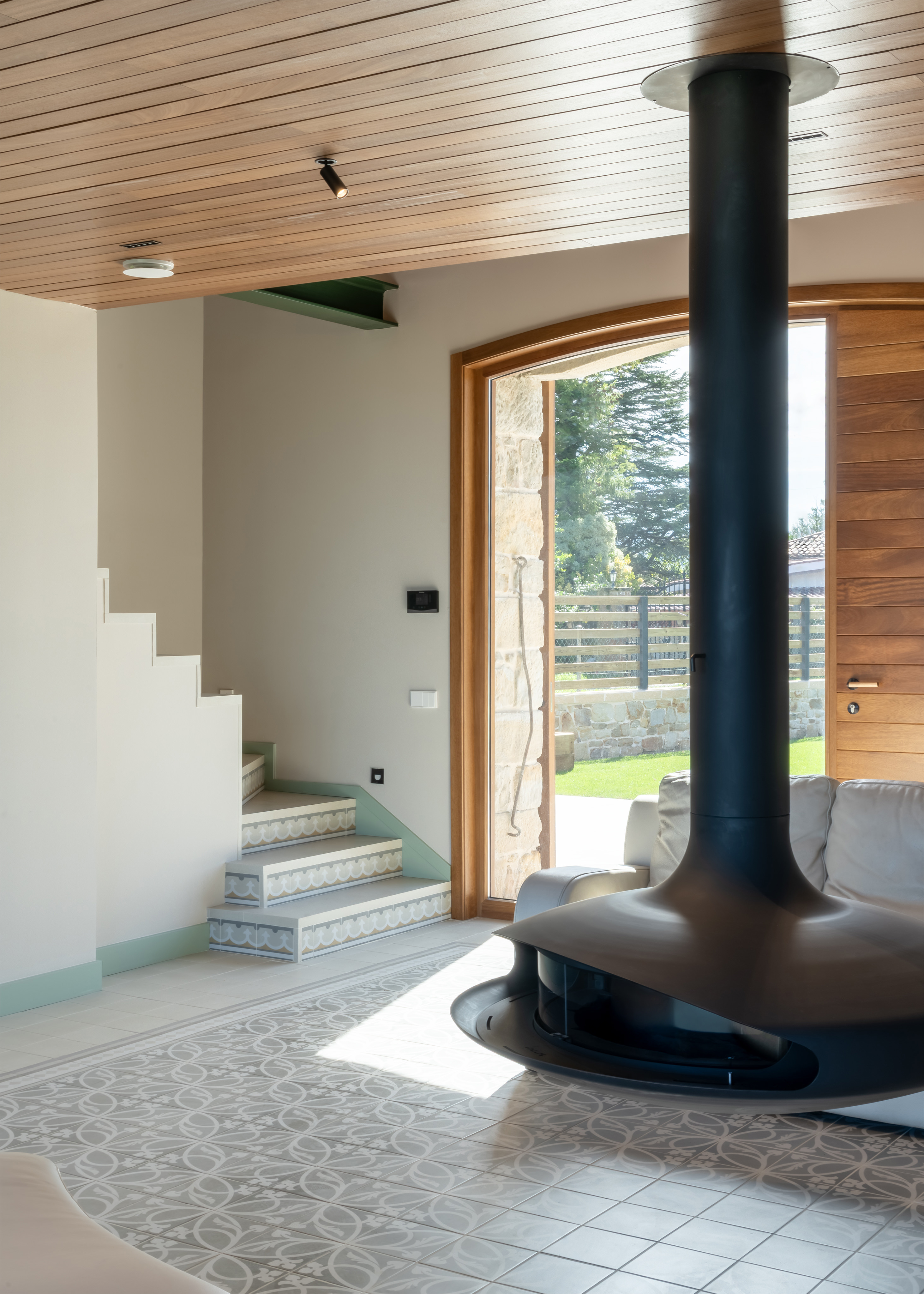
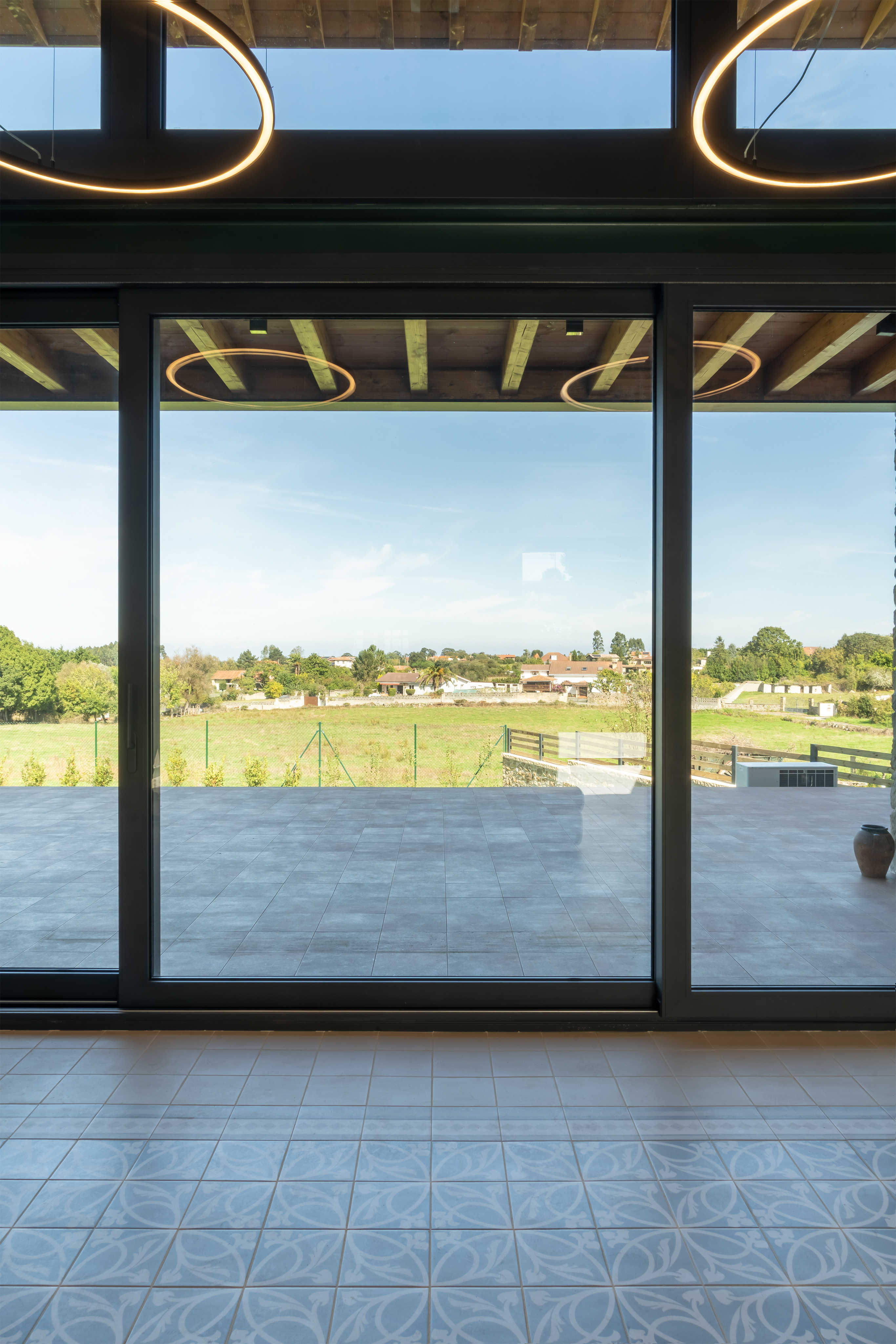
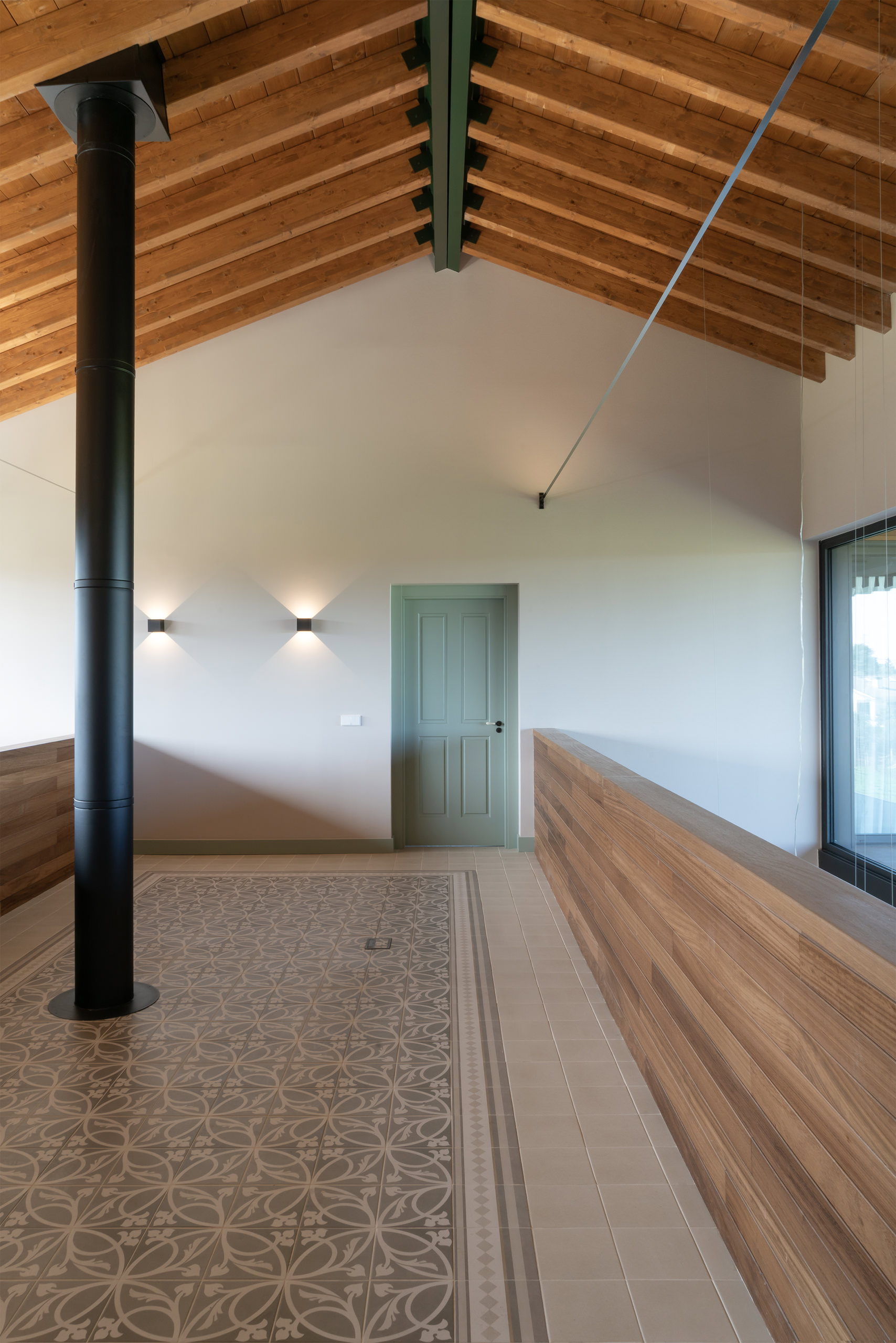
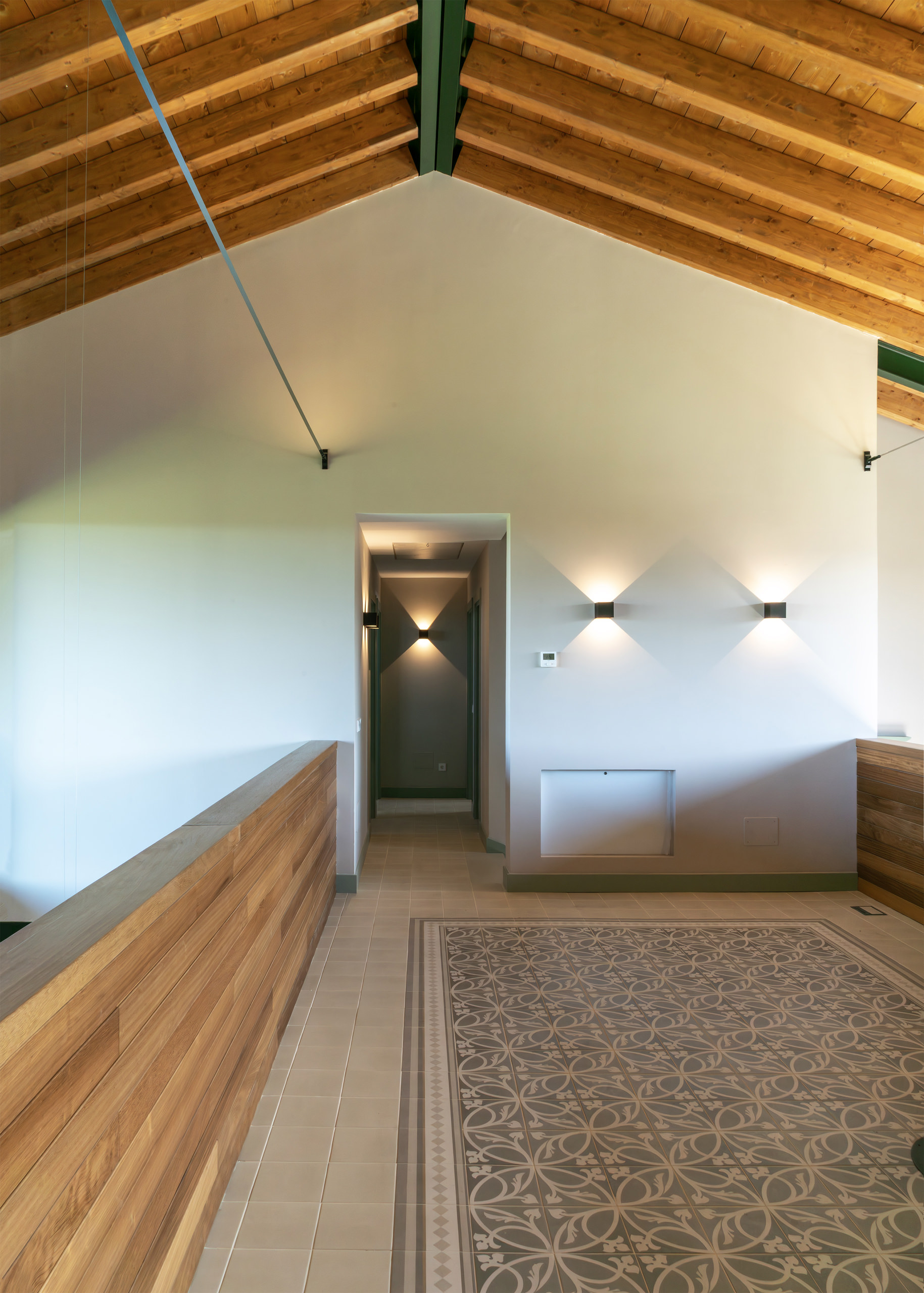
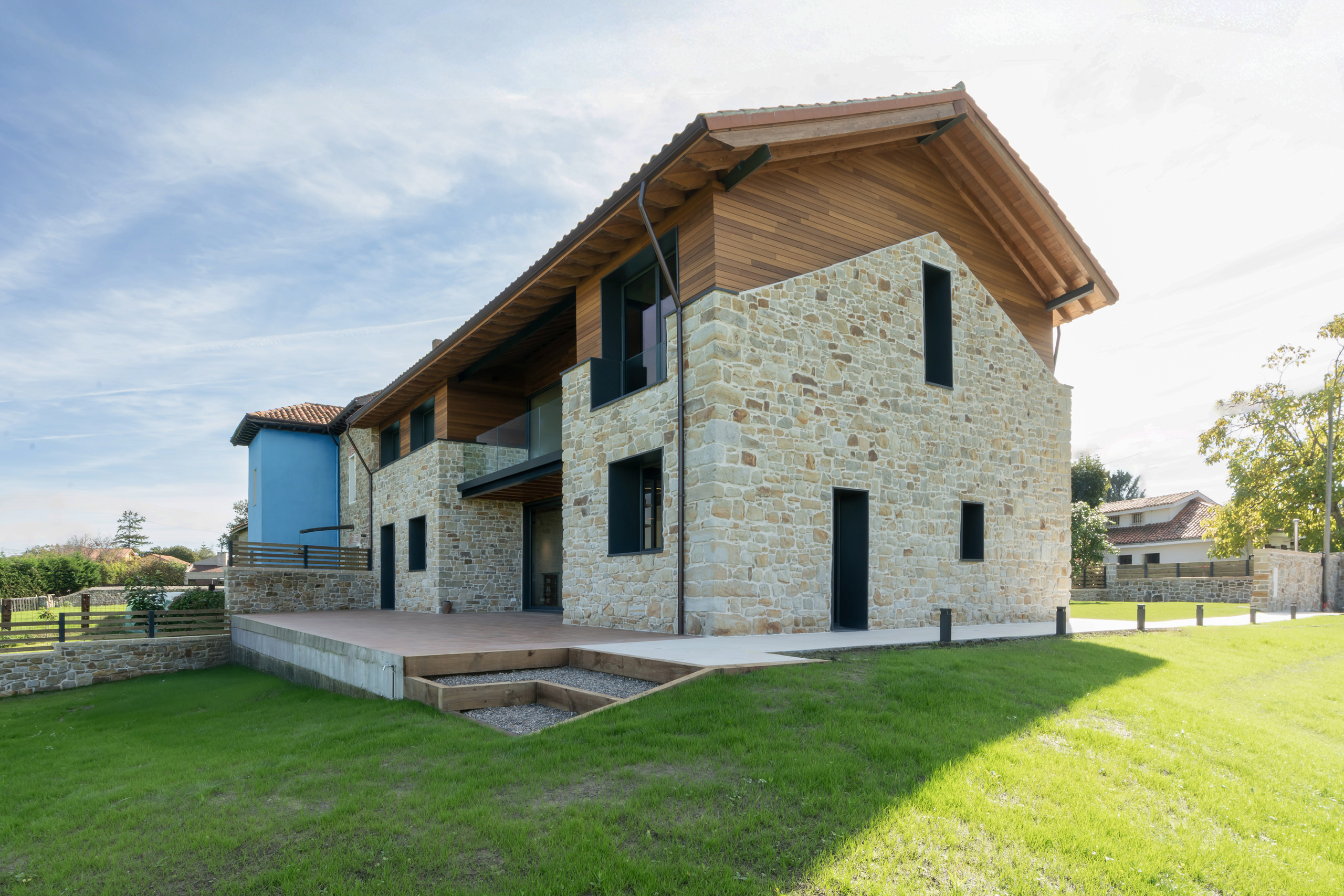
The spatial organization is articulated through a “box within a box” strategy, where the existing stone envelope acts as a container for a new interior structure. This second box, made of wood, steel, and glass, rests on the existing openings and perforations, respecting the logic of the original building. The result is a sort of architectural matryoshka, where the new inhabits the old without aggressive intrusion. This approach provides great constructive clarity and allows light and cross-ventilation to flow smoothly throughout the home.
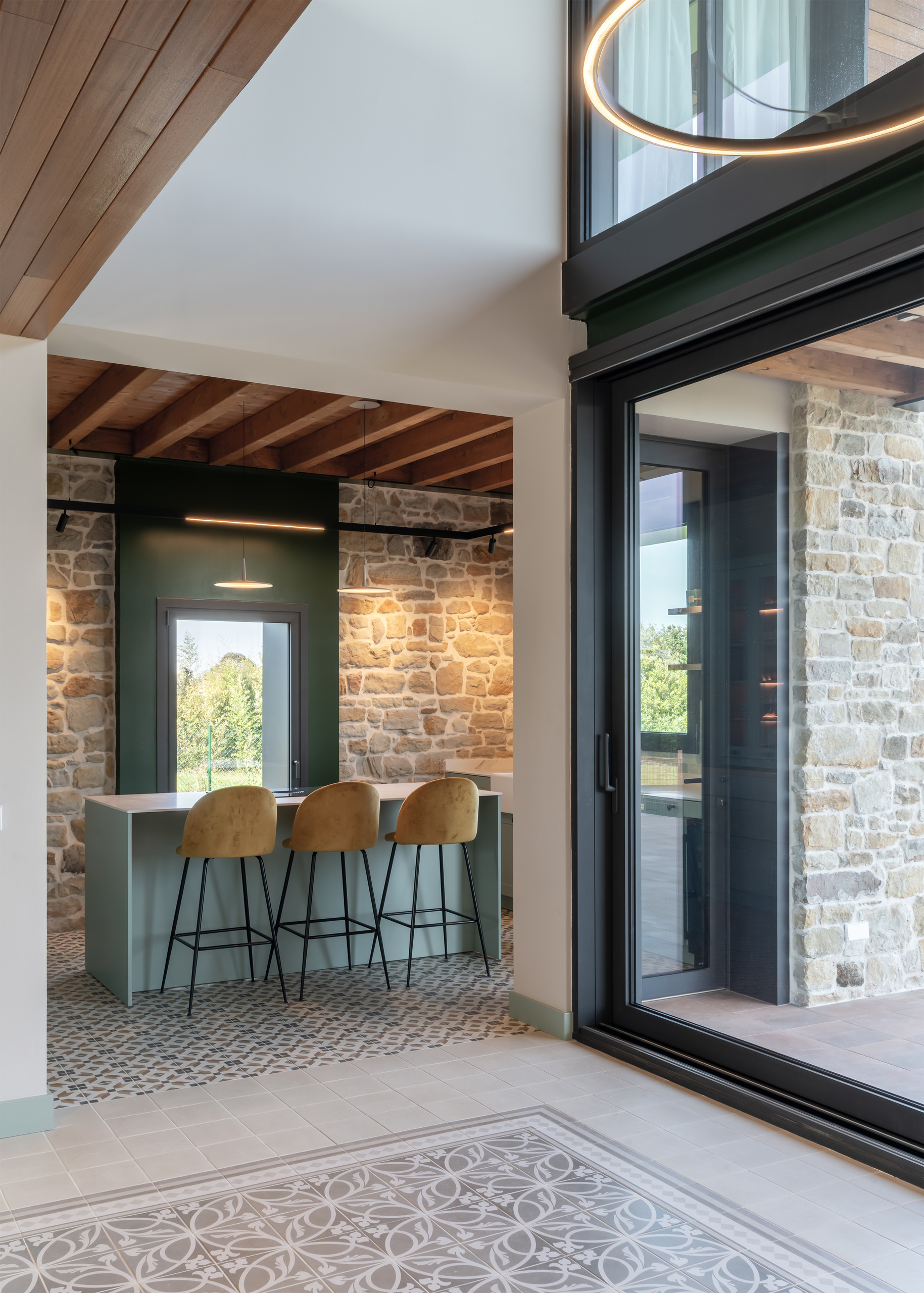
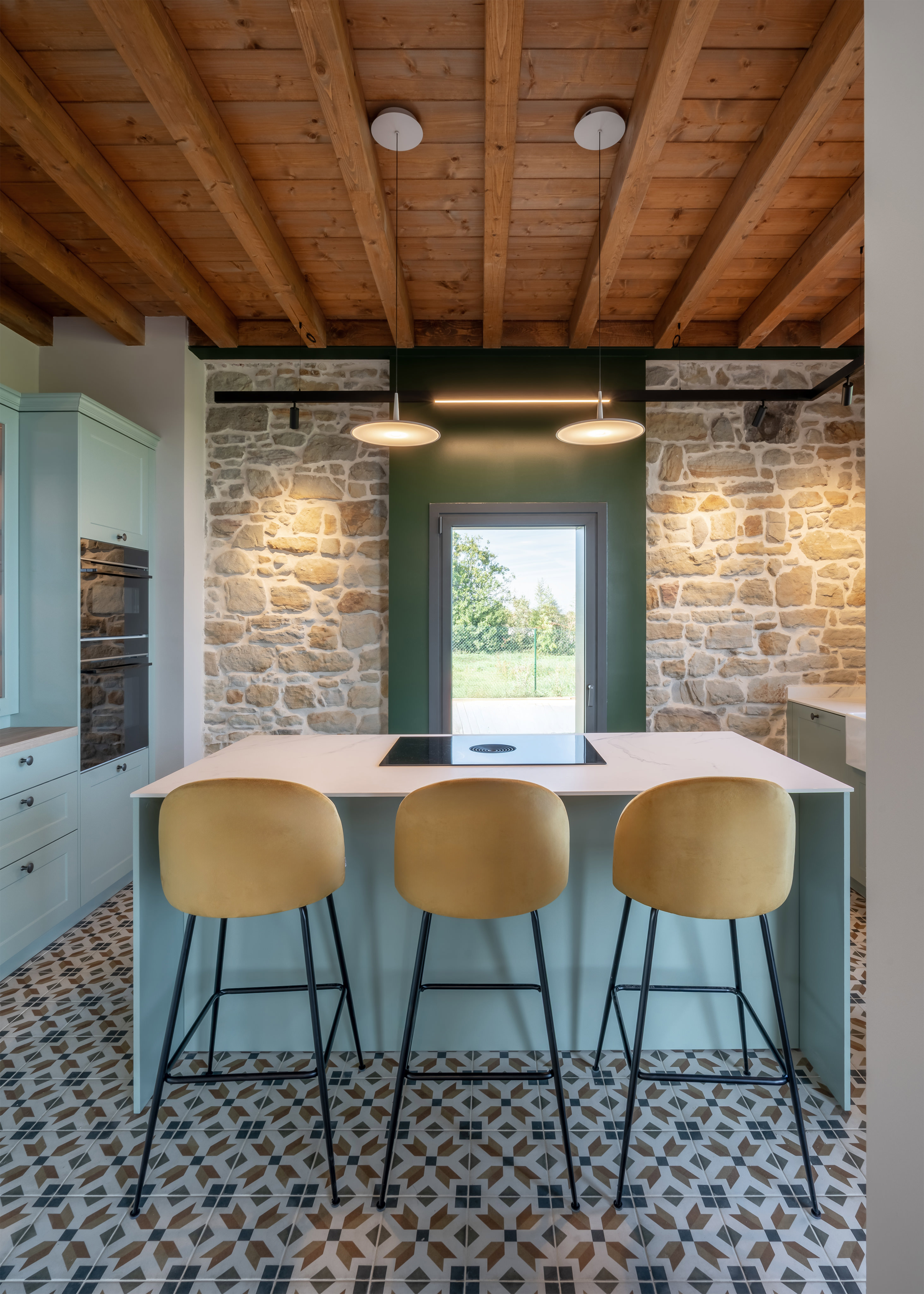
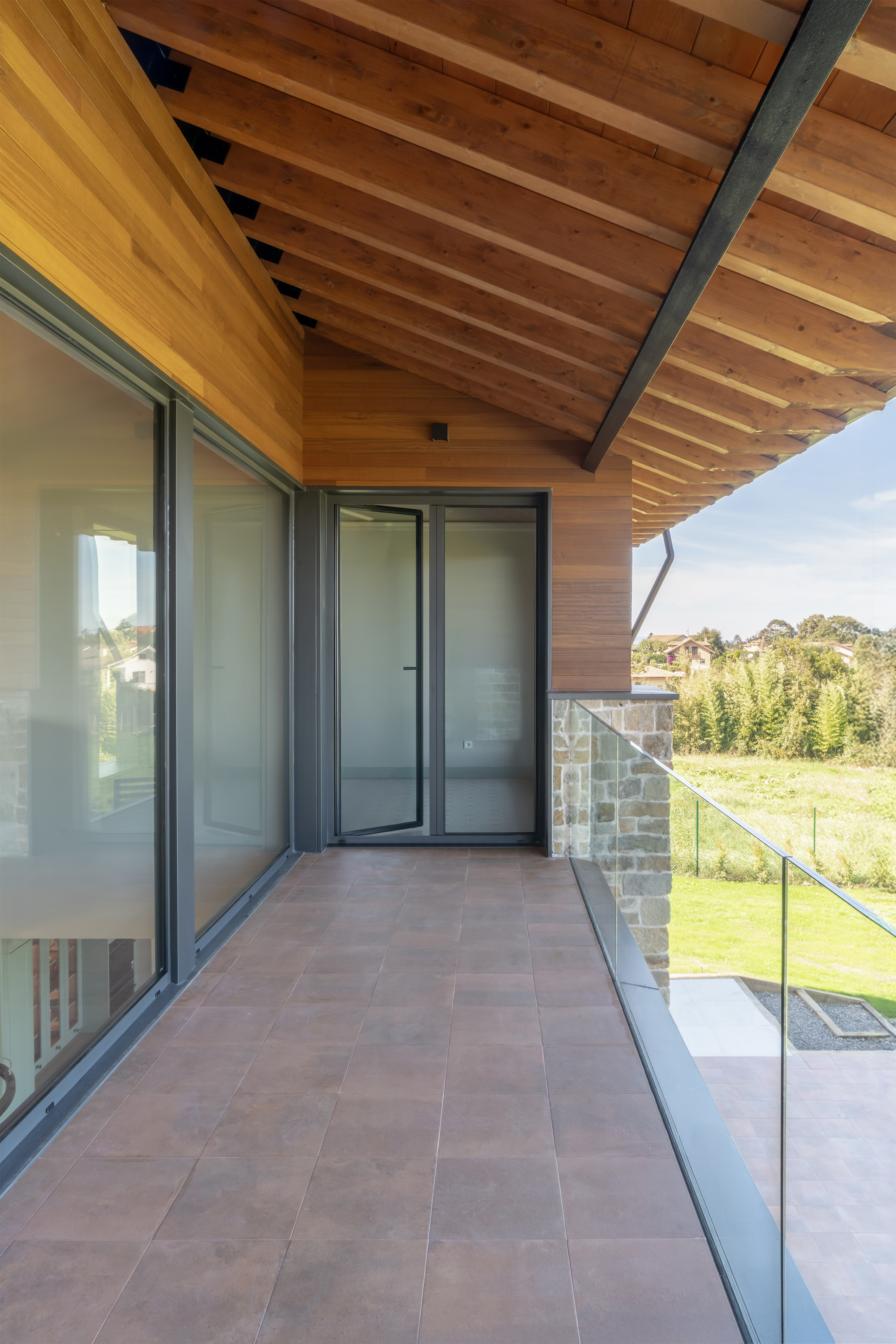
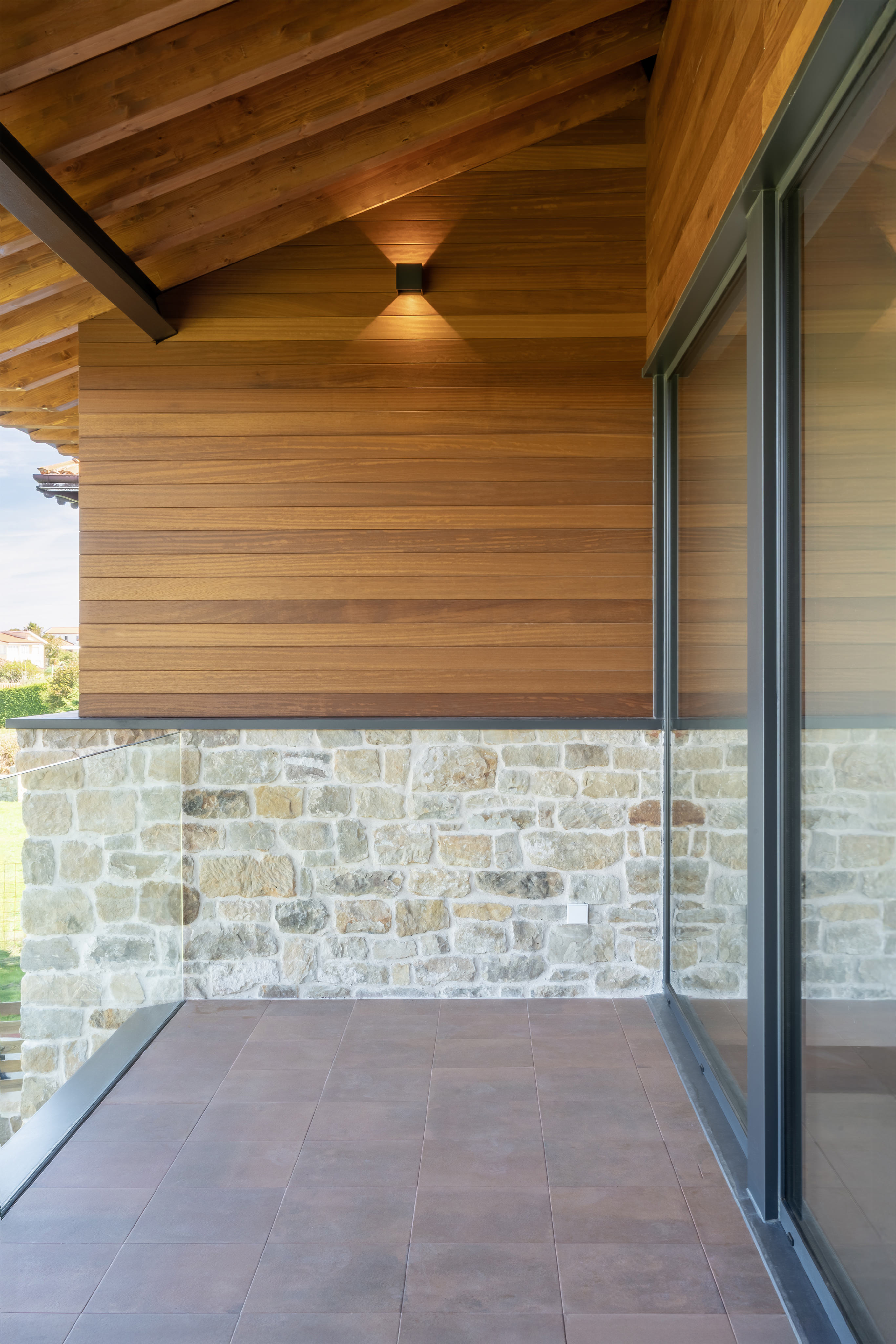
Materials play a fundamental role in the project’s expression. Stone, steel, wood, and glass form a balanced system where each element assumes a precise role. The heavy, tectonic stone anchors the building to the land and the collective memory of the place. The deliberately refined structural steel provides lightness and frees up interior space, almost becoming invisible. Wood introduces warmth and a domestic dimension that recalls the universe of the cider mill and Asturian cider culture, while glass acts as an ethereal mediator between interior and exterior.
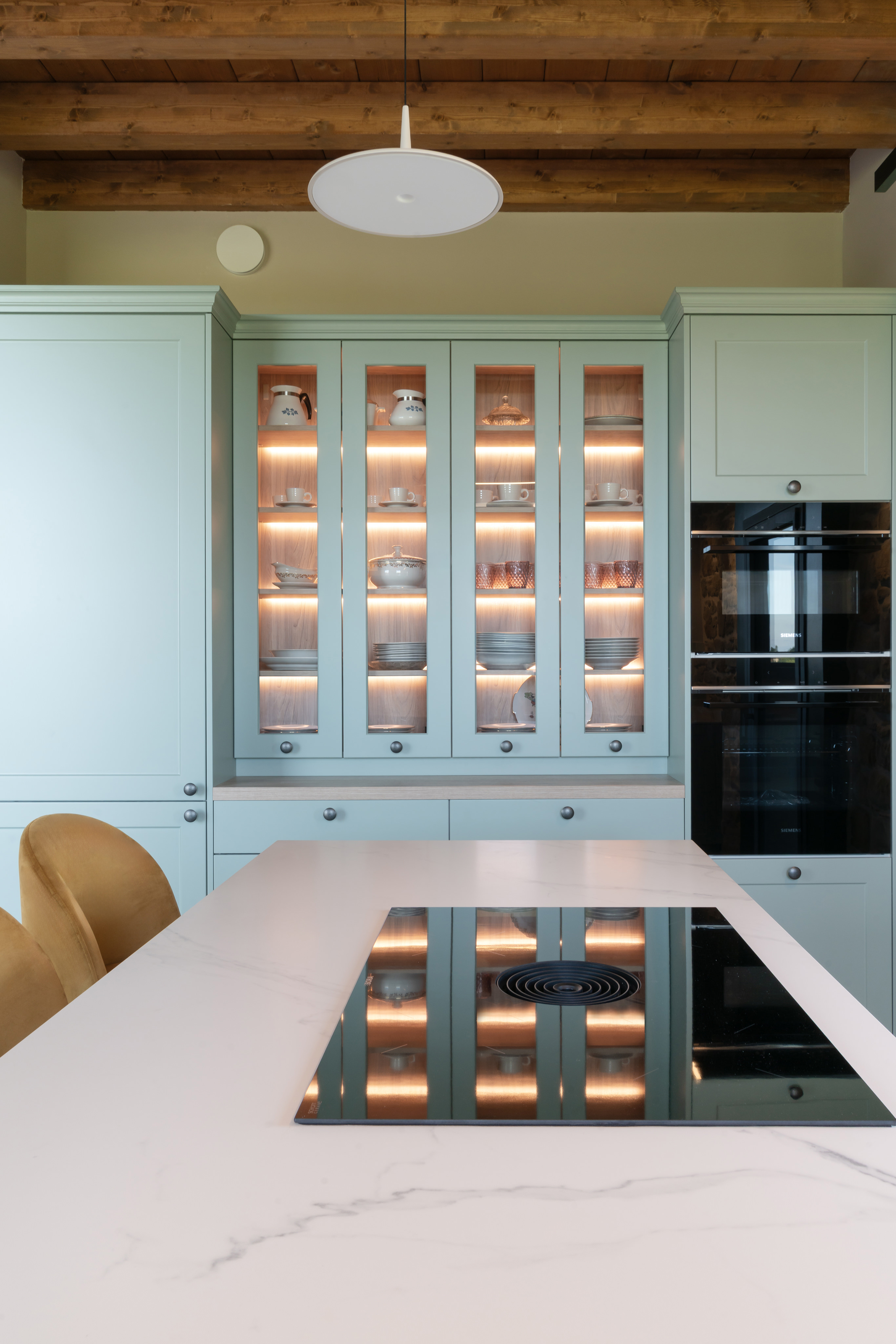
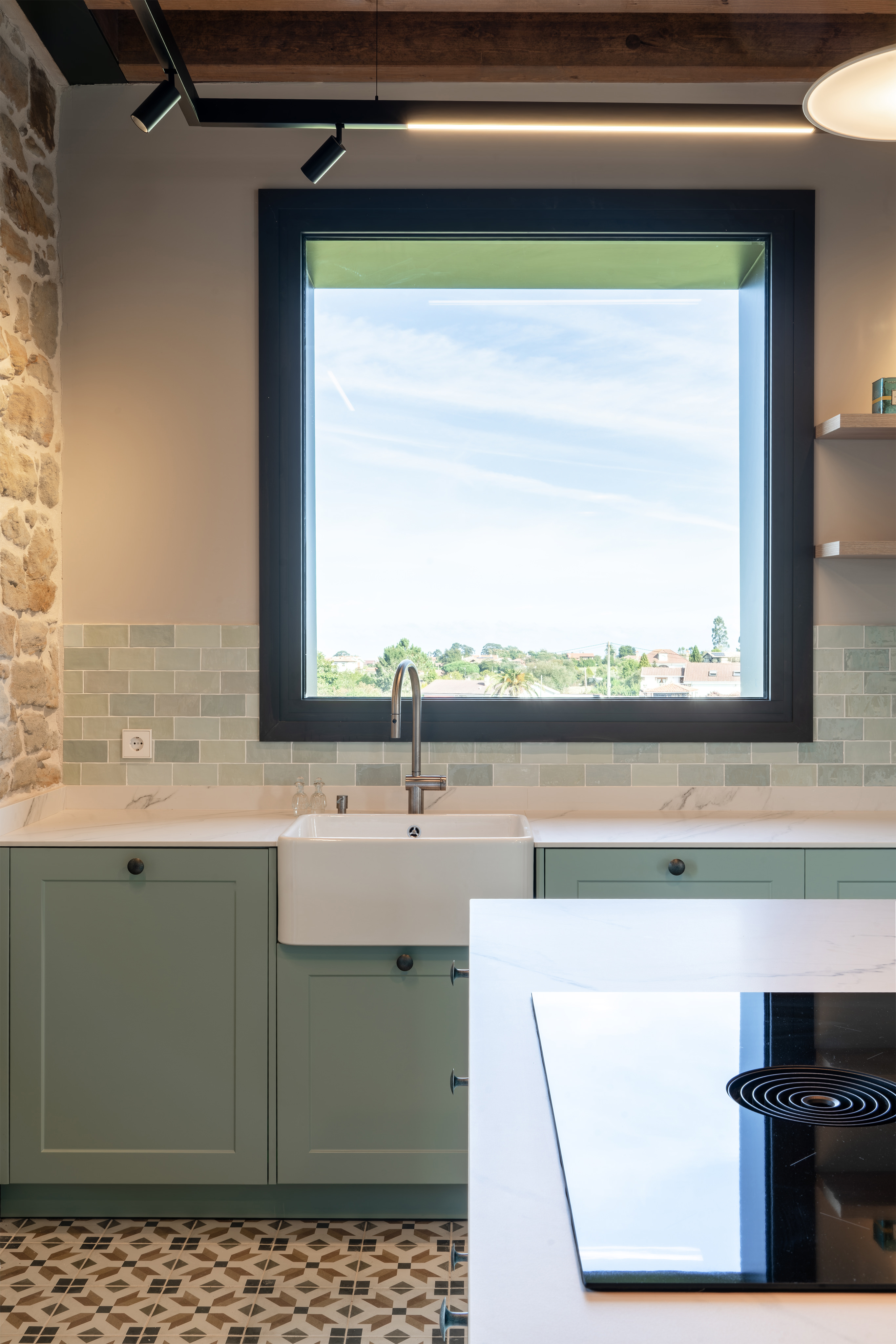
From a critical and positive perspective, the Llagar Renovation demonstrates that it is possible to intervene in rural heritage without falling into literal replication or forced contrast. The work stands out for its restraint, the precision of its decisions, and its rare sensitivity toward what already exists. In a context where many rehabilitations aim for spectacle, this project opts for coherence and constructive honesty. The result is a serene home, deeply rooted in its place, which understands architecture as a continuous process rather than a finished object.