Music Room – Casa La Flecha by Gonzalez Olsina & Vega Arquitectos and Eduardo Vera
Published
"In the meeting of horizon and sound, architecture dissolves into atmosphere, allowing music and landscape to define a space of quiet intensity and enduring presence."
There is a quiet poetry in spaces shaped as much by absence as by presence, where architecture becomes a subtle frame for experience rather than its protagonist. Here, overlooking the immense Río de la Plata, a music room unfolds as a place of retreat, resonance and reflection.
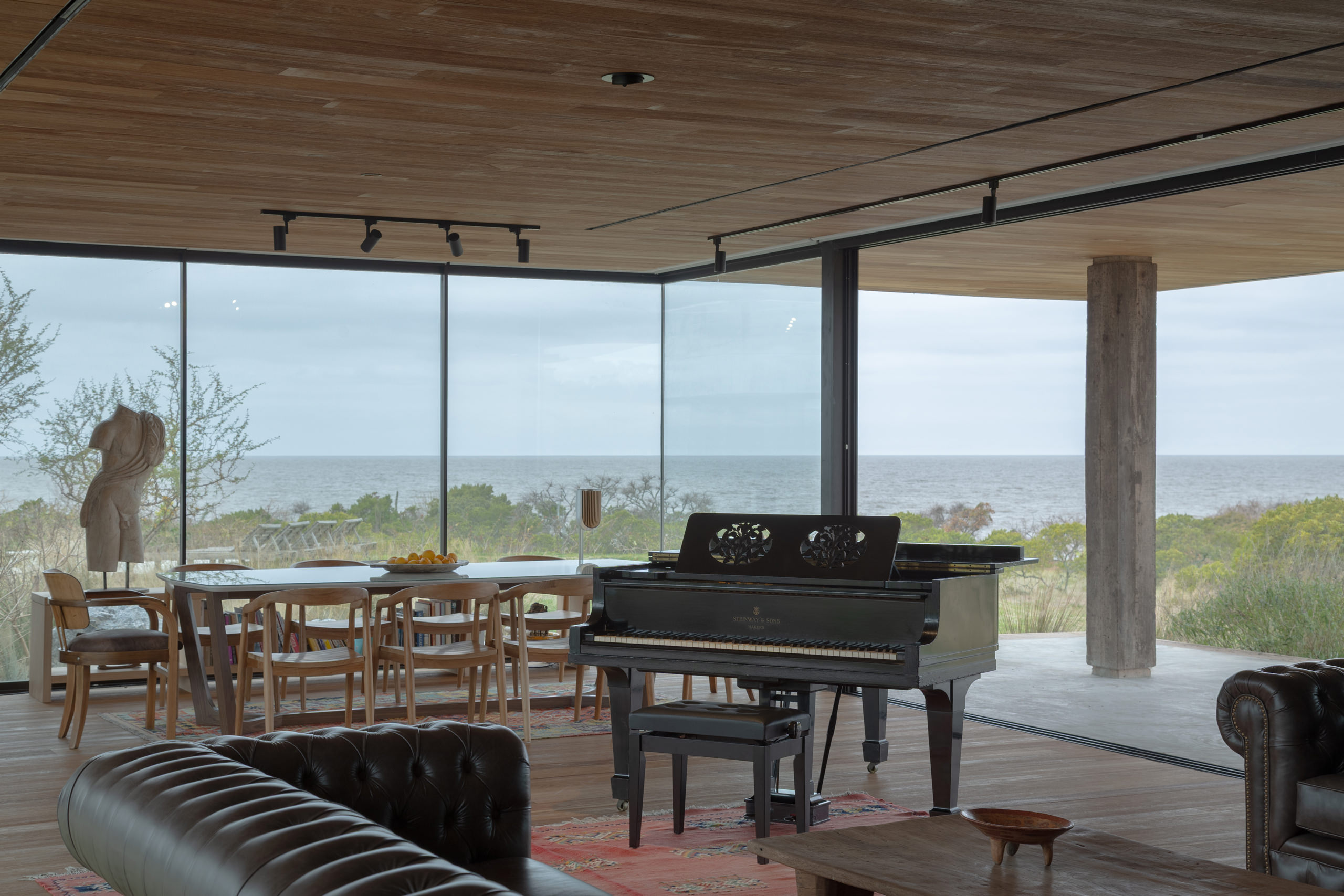
Located in Playa Matamora, within the department of Colonia del Sacramento, the project inhabits a landscape defined by its duality—both rugged and serene. The Río de la Plata stretches endlessly toward the horizon, its shifting tones and moods forming a constant backdrop. Native vegetation anchors the site, creating a textured foreground that mediates between land and water, while the sound of wind and distant waves reinforces an atmosphere of introspection.
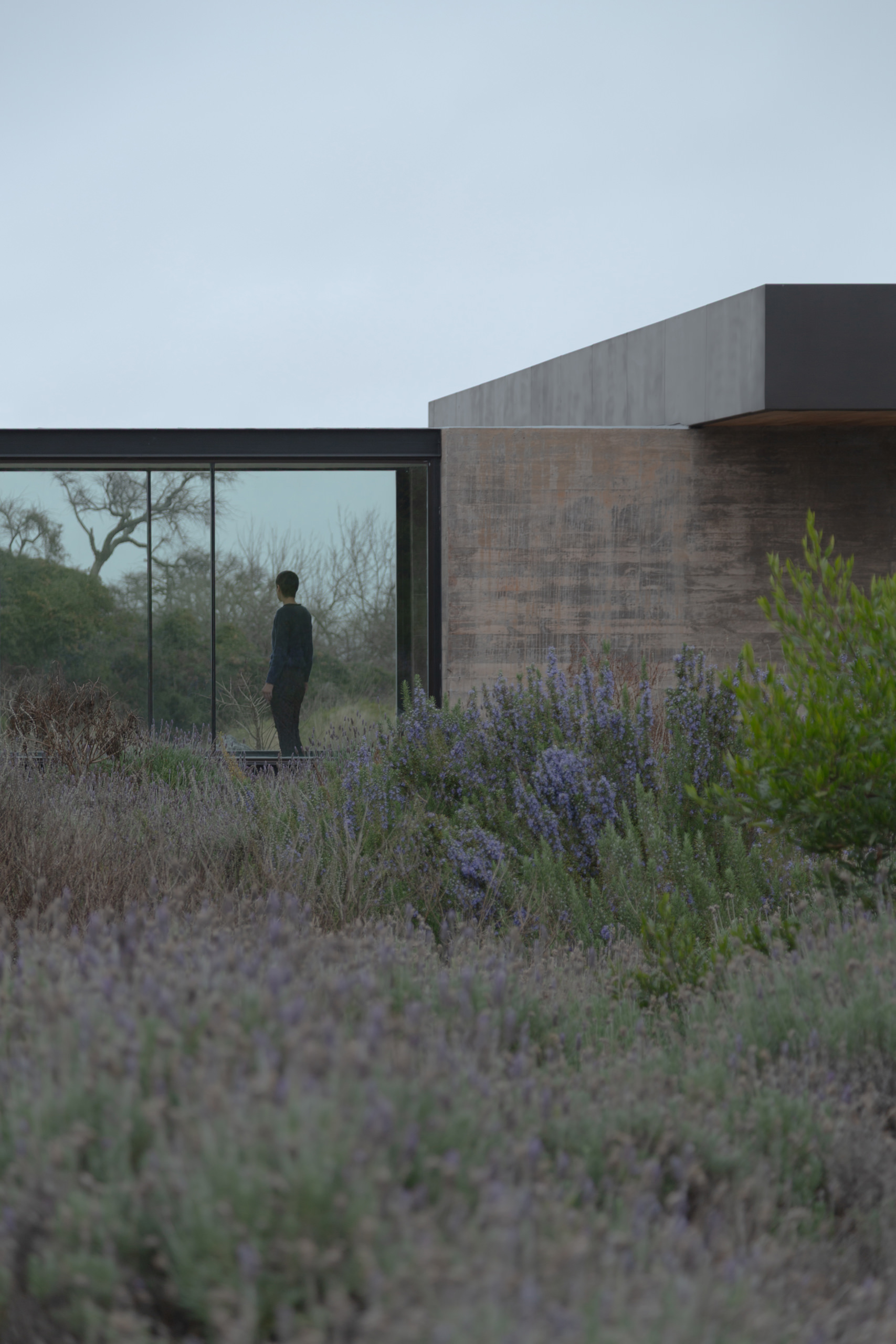
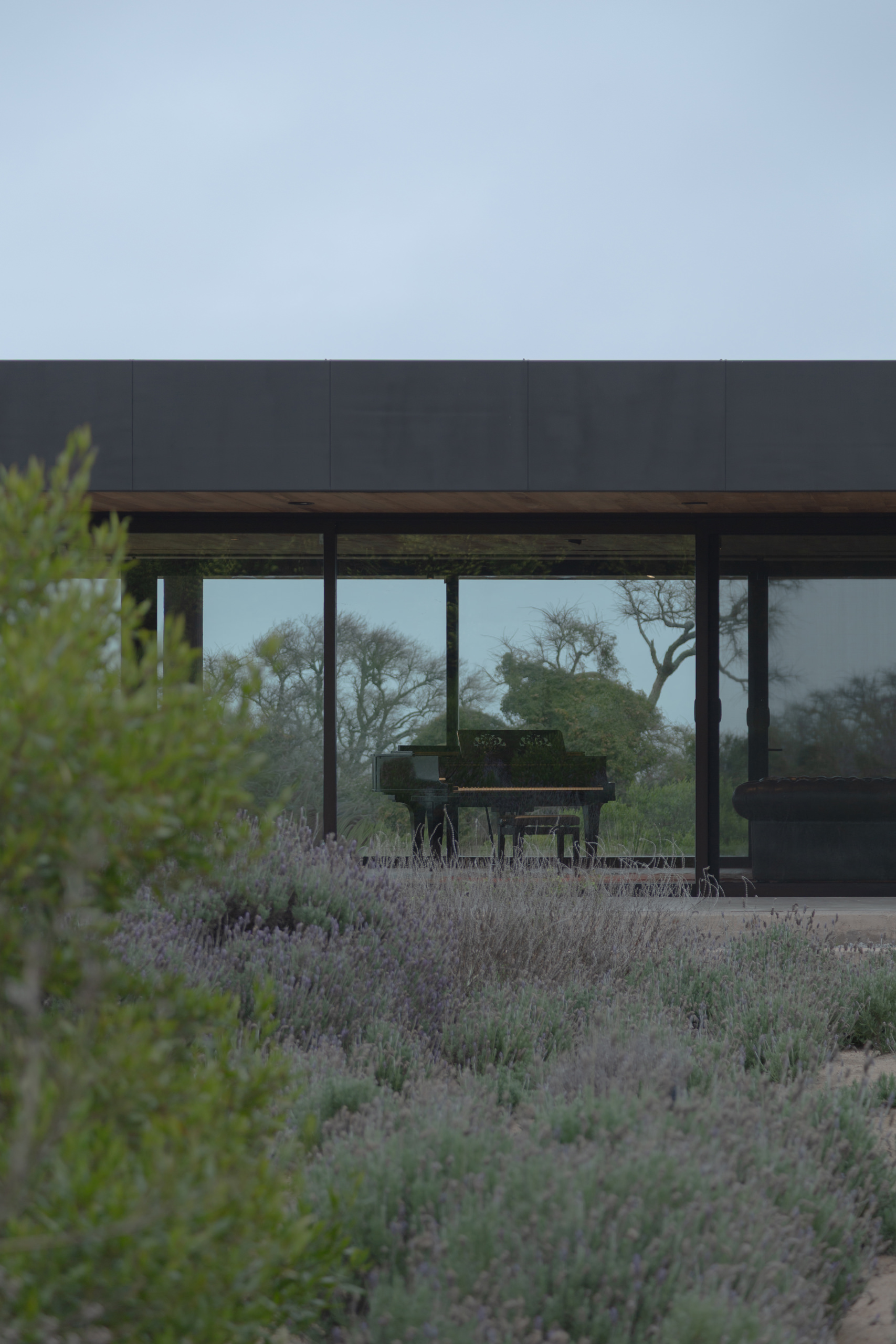
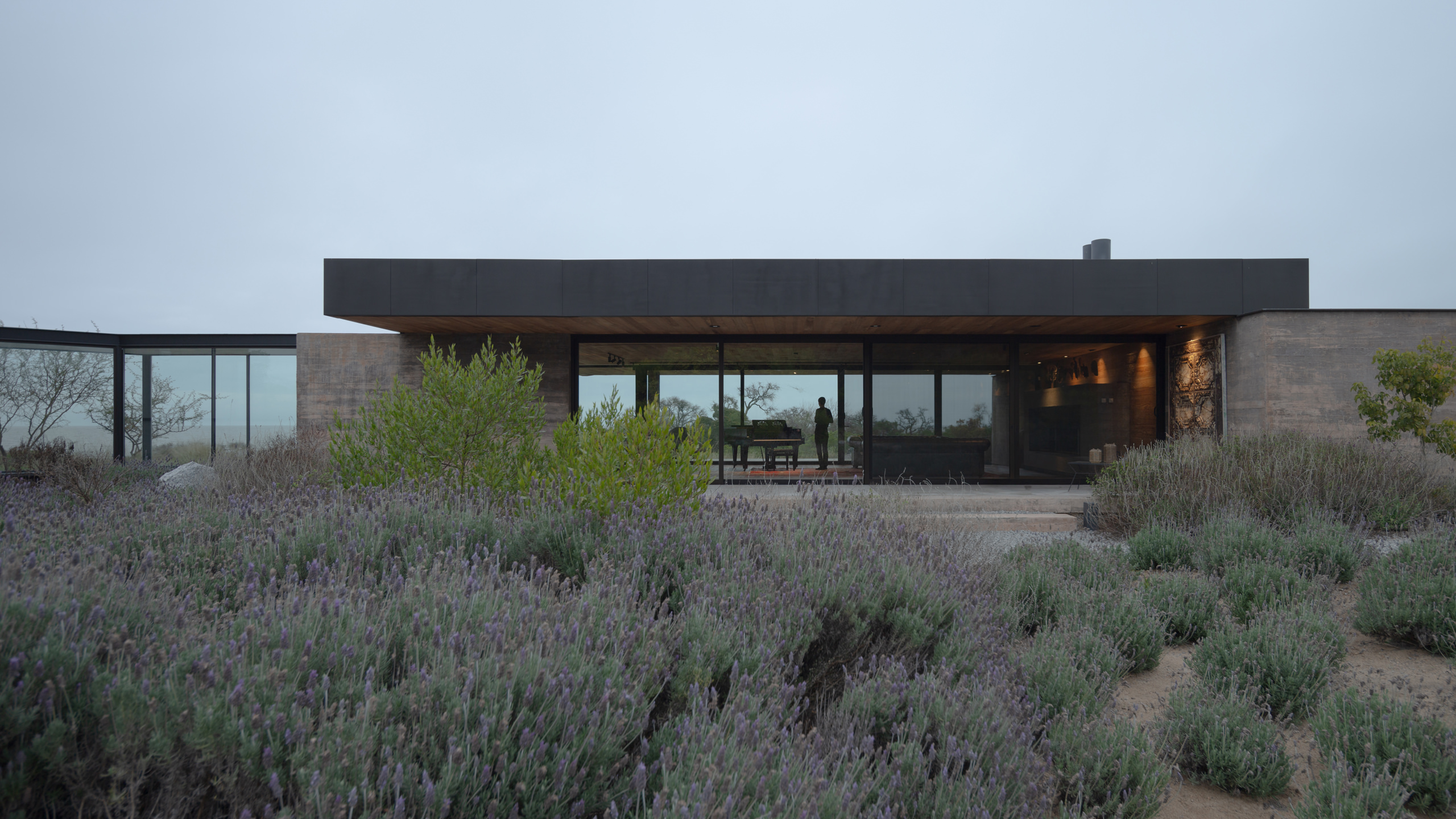
The intervention takes the form of an addition to an existing residence, conceived not as an extension in the conventional sense, but as a new spatial condition. Designed for Gustavo and Verónica, whose lives are deeply intertwined with music, the room is envisioned as both a sanctuary and a stage—capable of hosting intimate rehearsals, informal gatherings, and solitary moments of listening. Rather than imposing a complex architectural language, the project embraces reduction. It operates through a precise and deliberate gesture: the articulation of two horizontal planes—a floor and a roof—held lightly by a minimal structural framework. This elemental composition establishes a sense of openness, allowing the boundaries between interior and exterior to dissolve into a continuous spatial experience.
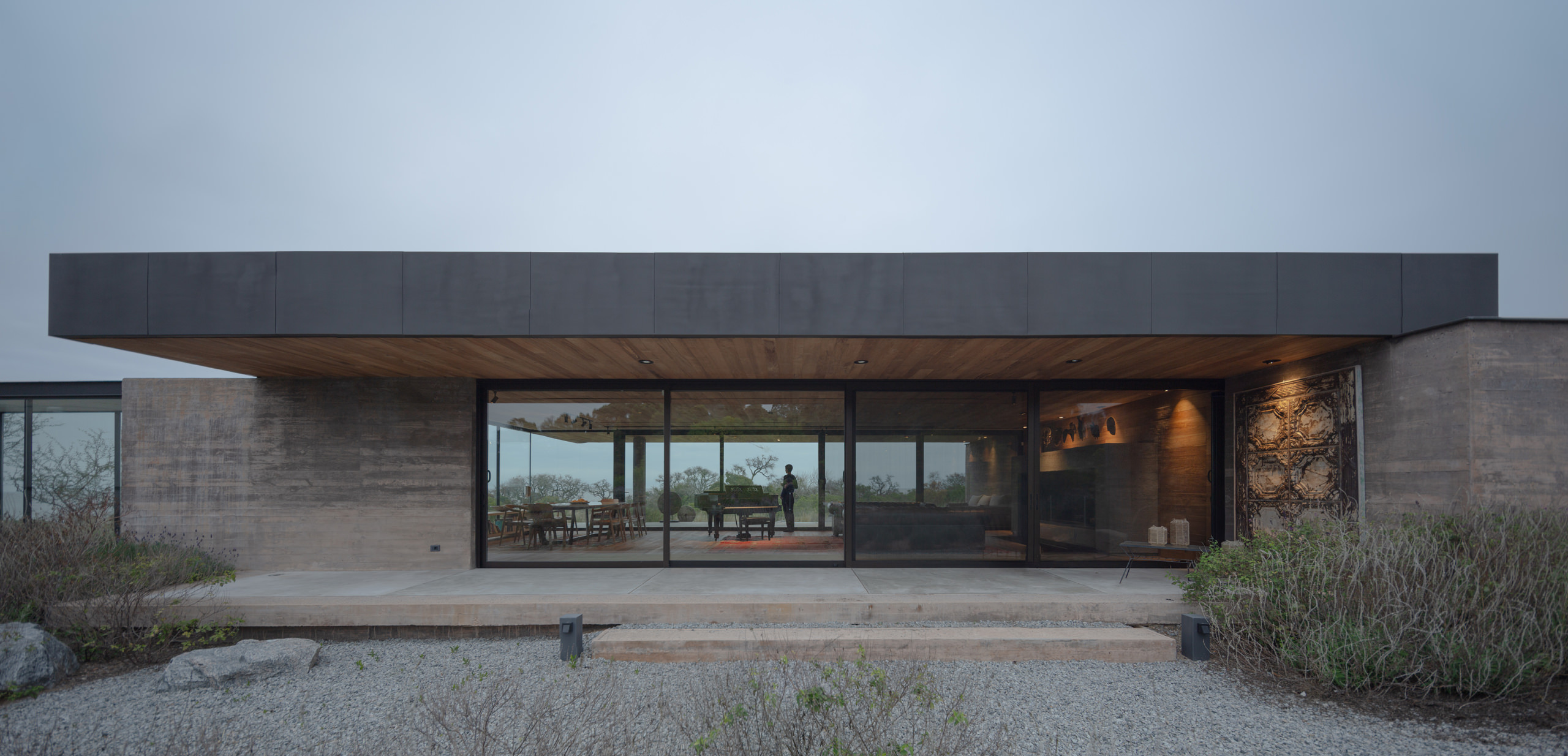
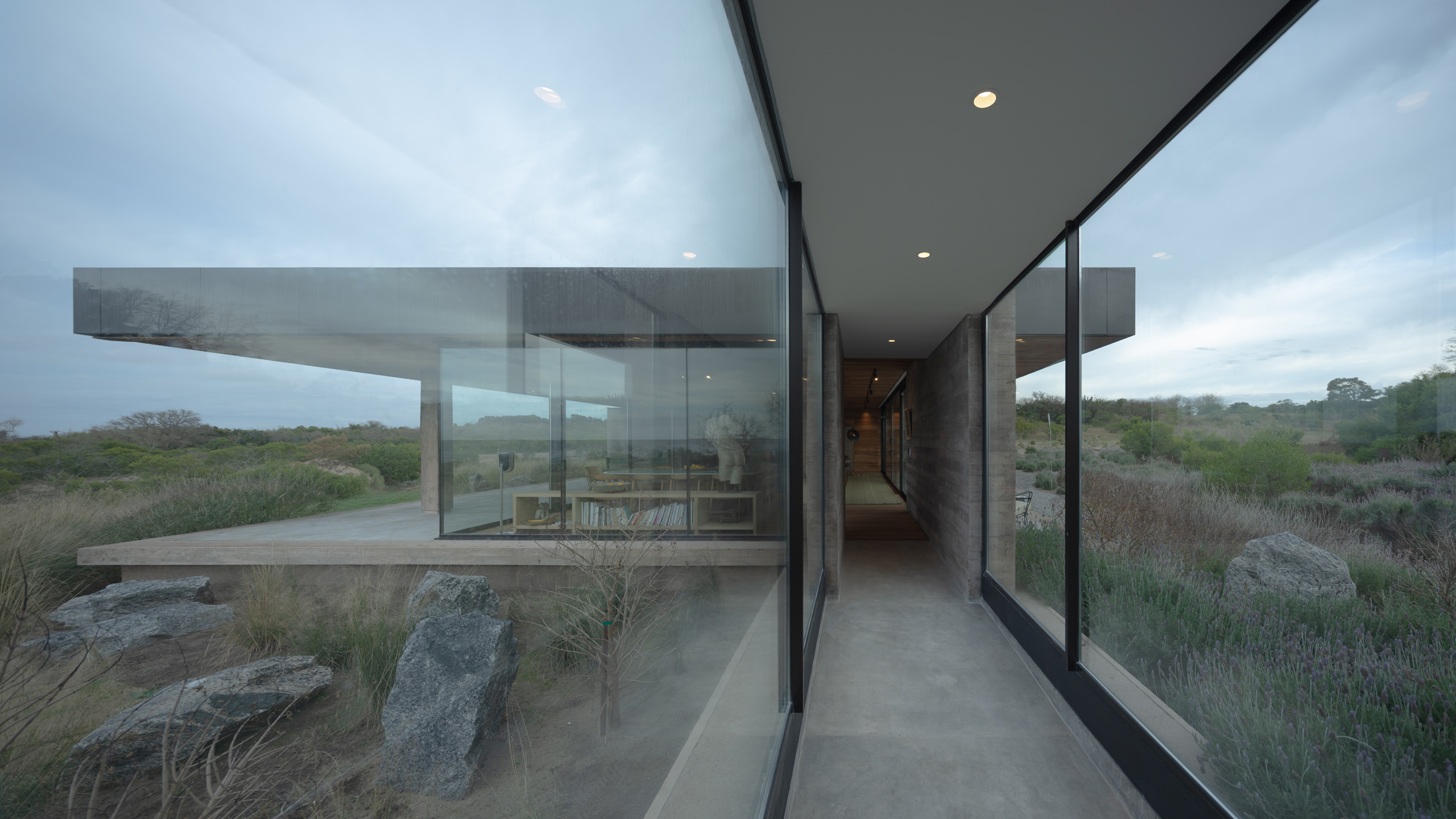
Within this framework, silence emerges as a defining material. The architecture does not compete with the landscape but recedes, creating a void that is filled by light, air and sound. The room becomes permeable, drawing in the vastness of the river while maintaining an acoustic intimacy that supports musical expression. It is a delicate balance between containment and exposure.
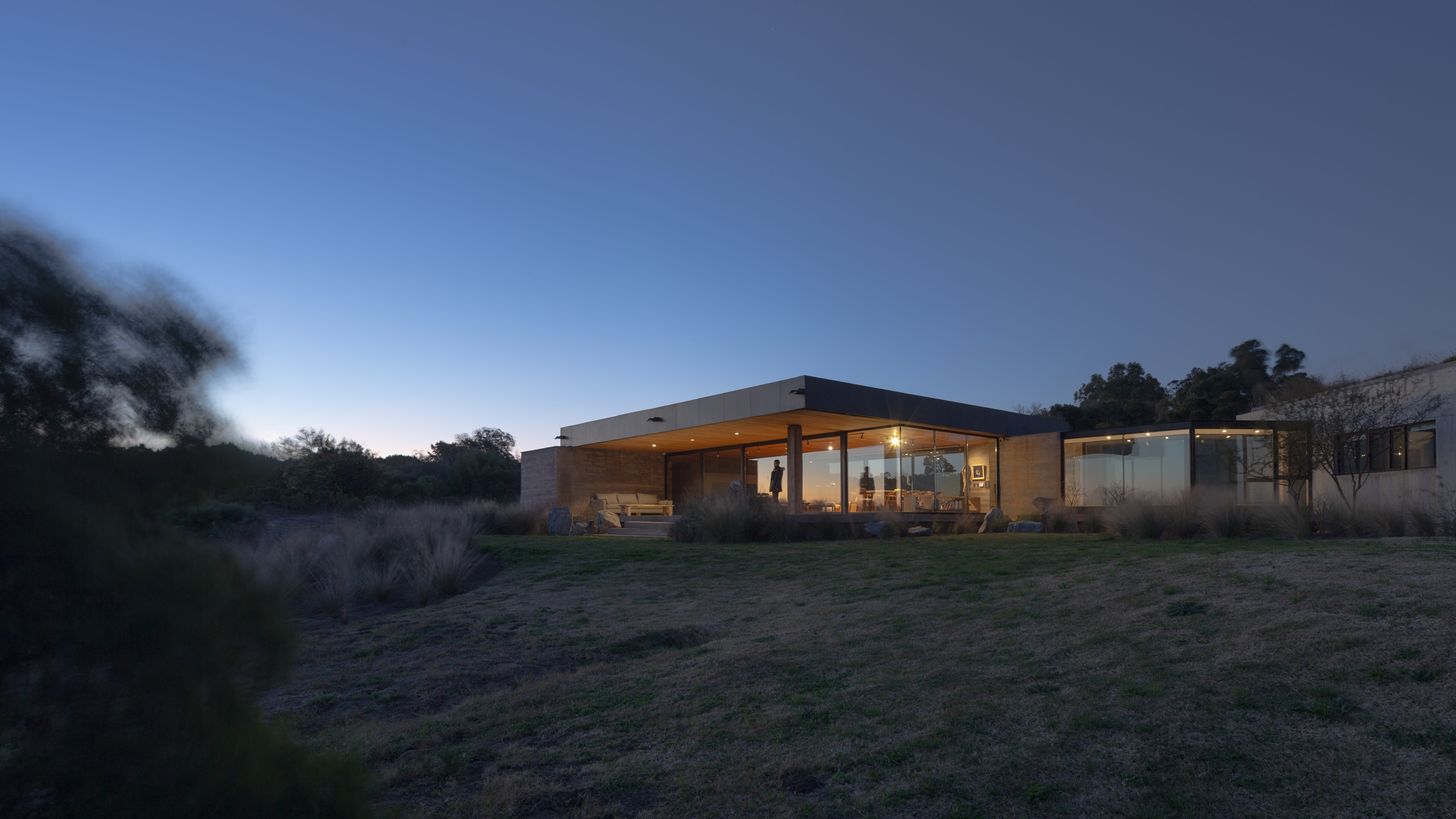
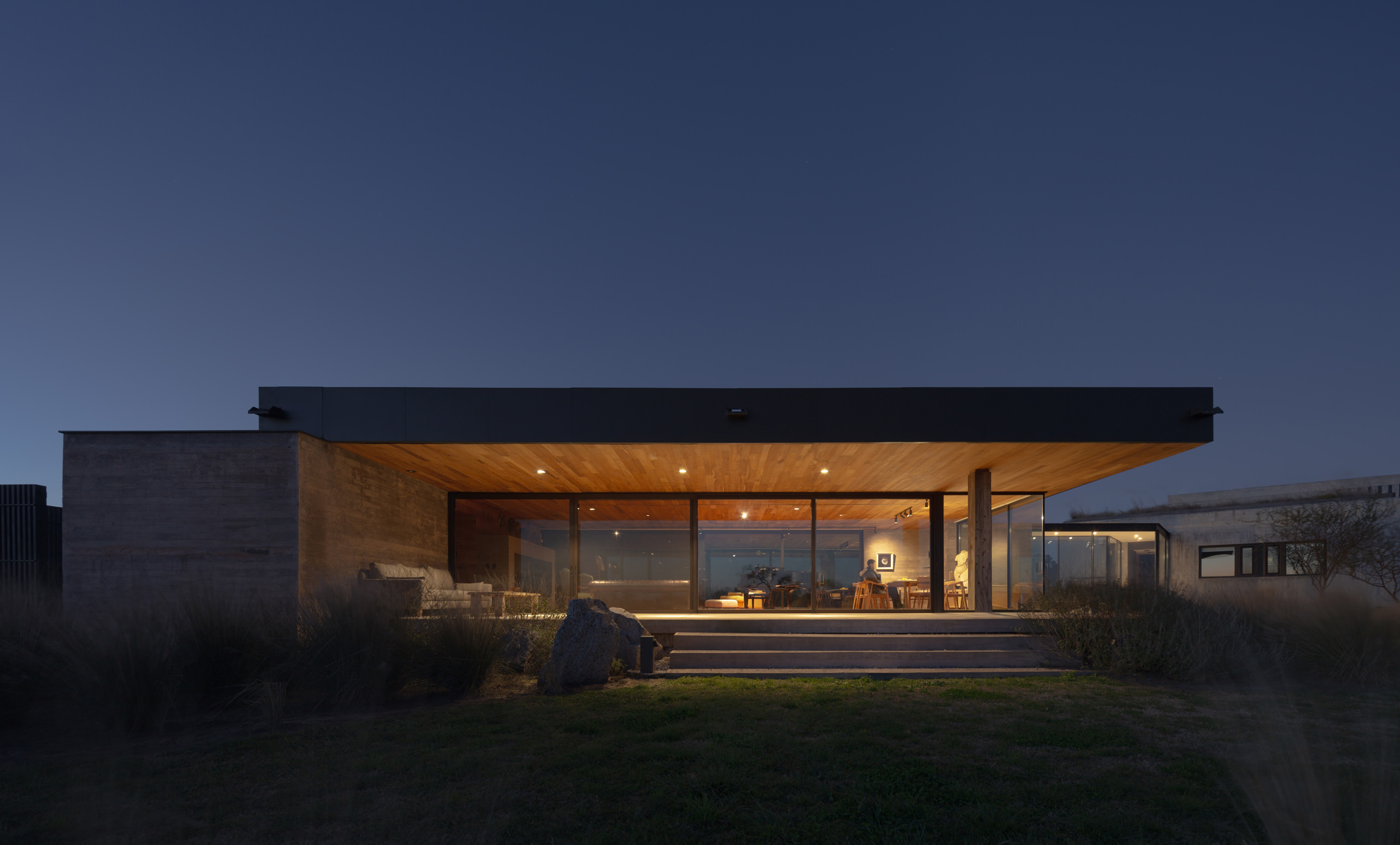
"A restrained gesture shaped by material honesty and elemental clarity, where the passage of time, the rhythm of nature and the resonance of music coexist seamlessly."
Materially, the project adopts a distinctly mineral character, embedding itself within the terrain. The base and structural supports are constructed entirely of exposed concrete, their austere presence establishing a sense of permanence. Over time, the coastal climate will leave its mark—traces of humidity, subtle discolorations—transforming the architecture into a living record of its environment.
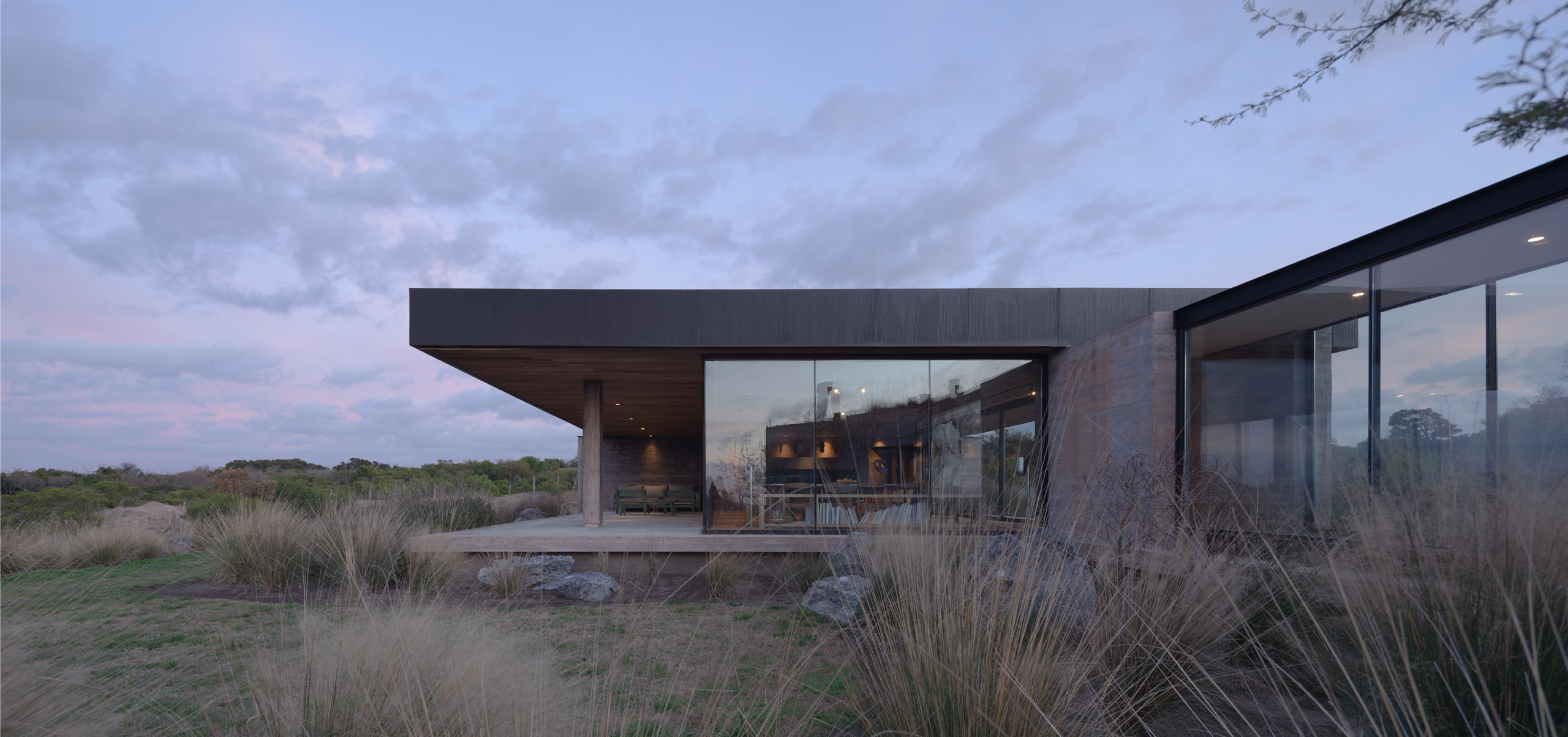
This relationship with time is not incidental but intentional. The tectonic language is deliberately restrained, allowing aging to become part of the architectural narrative. The concrete podium anchors the structure, creating a visual and physical continuity with the ground, while simultaneously elevating the inhabited plane just enough to shift perspective.
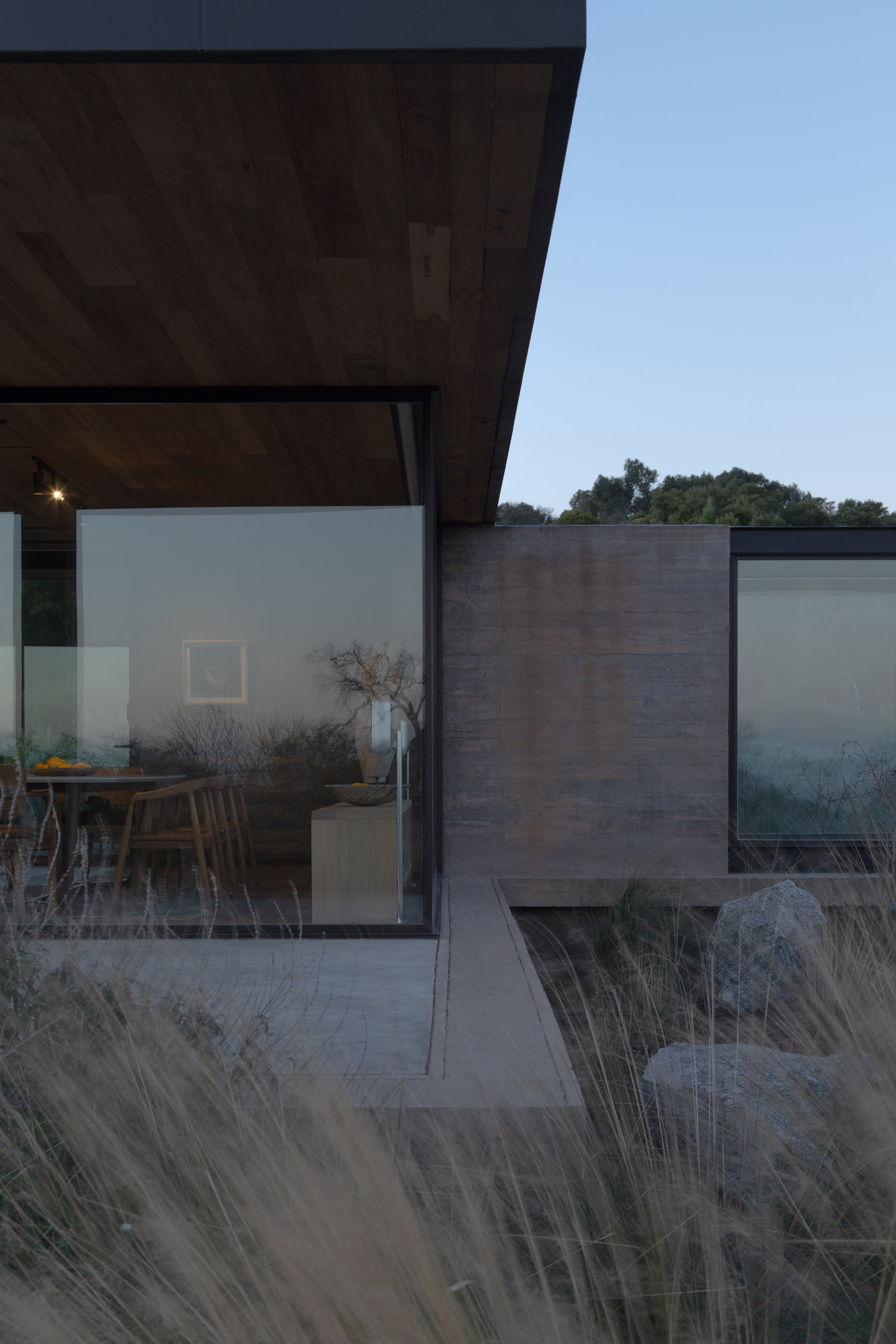
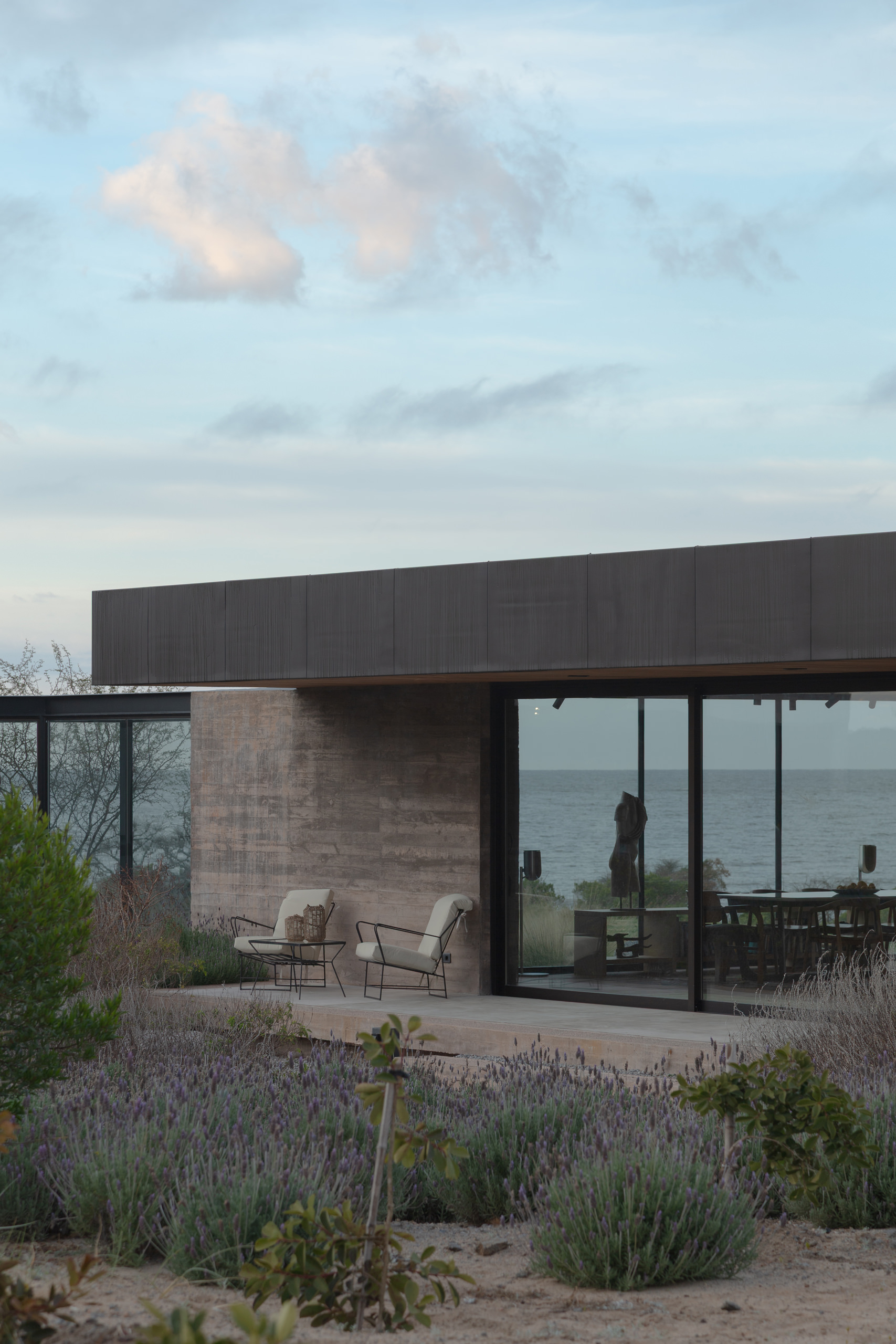
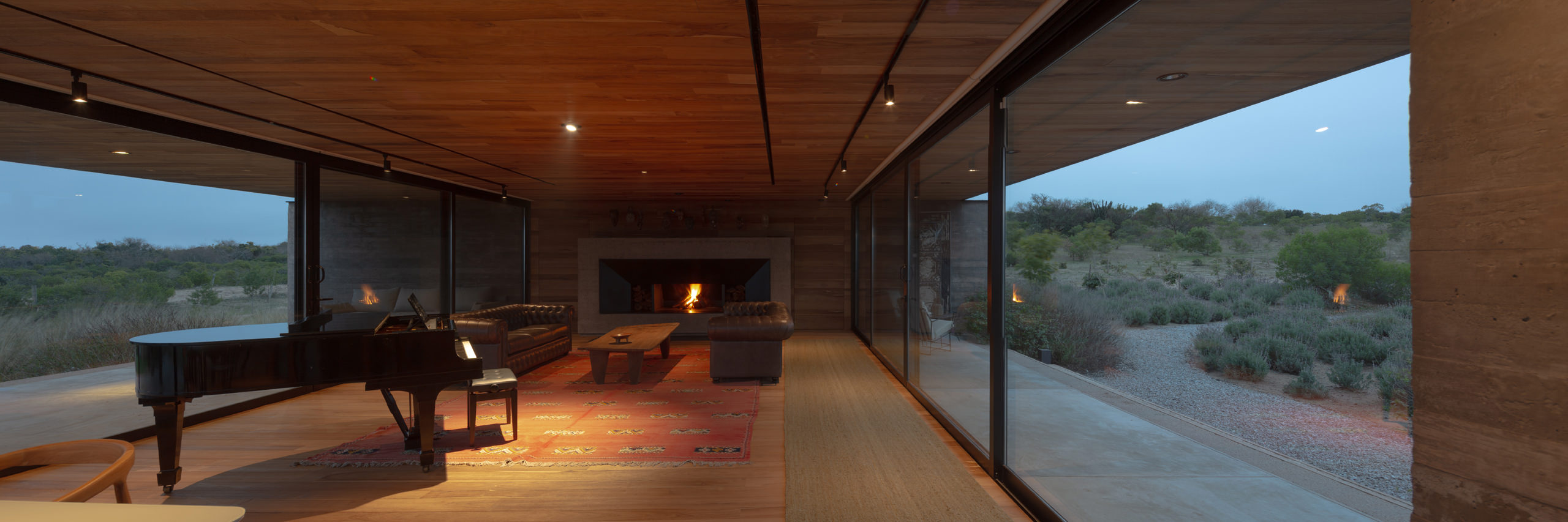
This slight elevation proves essential. By lifting the floor above the natural vegetation, the design enables uninterrupted views toward the distant horizon. In contrast, the roof asserts itself as a dark, linear presence—its weight seemingly suspended above the space. Constructed from wood and metal, it introduces warmth and acoustic depth, softening the otherwise austere material palette. At the heart of the room sits the piano, positioned with intention as both focal point and symbolic anchor. Around it, living and dining areas are arranged to encourage fluid interaction, where music becomes the thread that binds the space together. A fireplace adds a tactile and emotional dimension, offering warmth and reinforcing the room’s role as a refuge—an intimate setting where architecture, sound and landscape converge in quiet harmony.
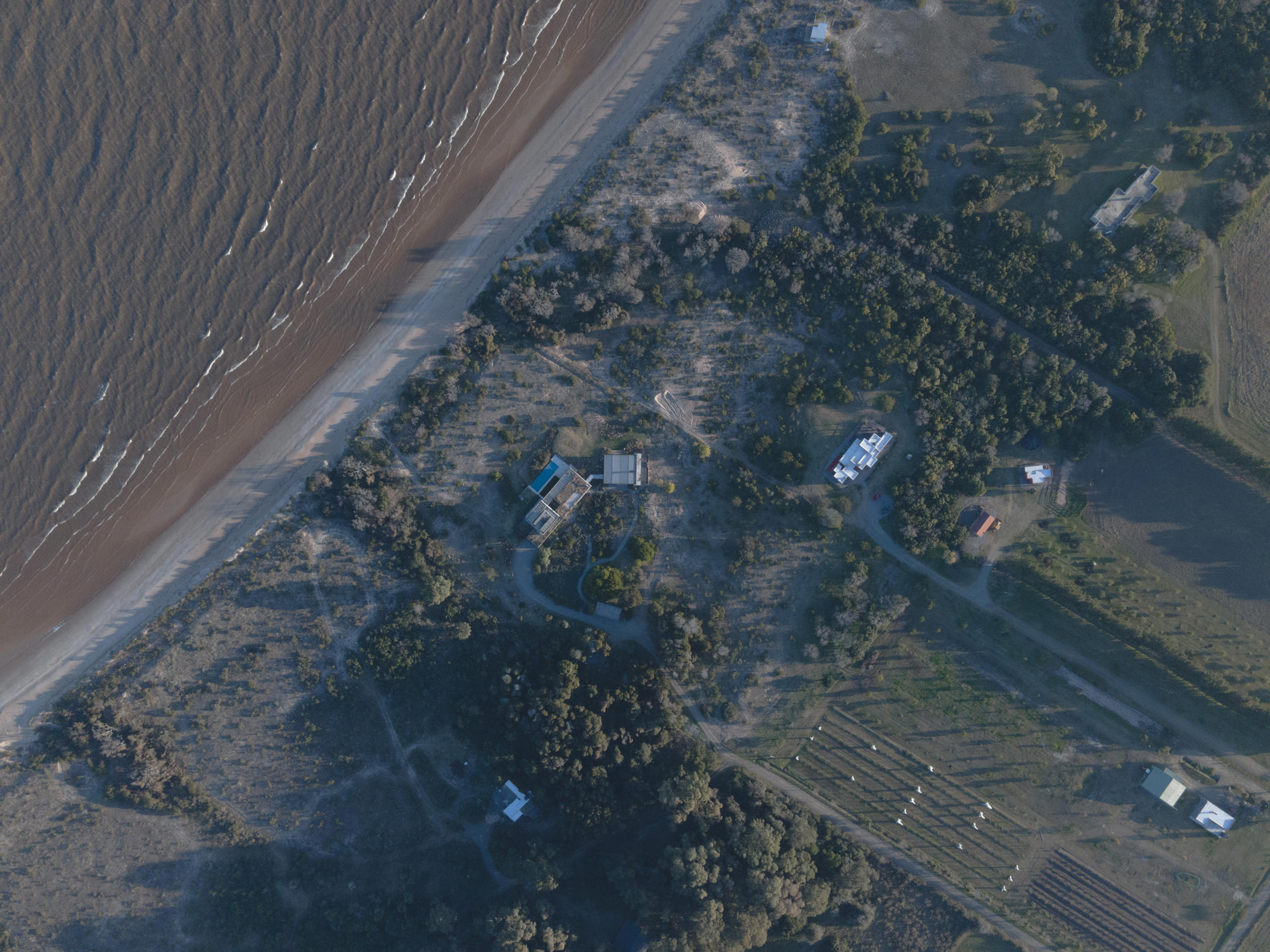
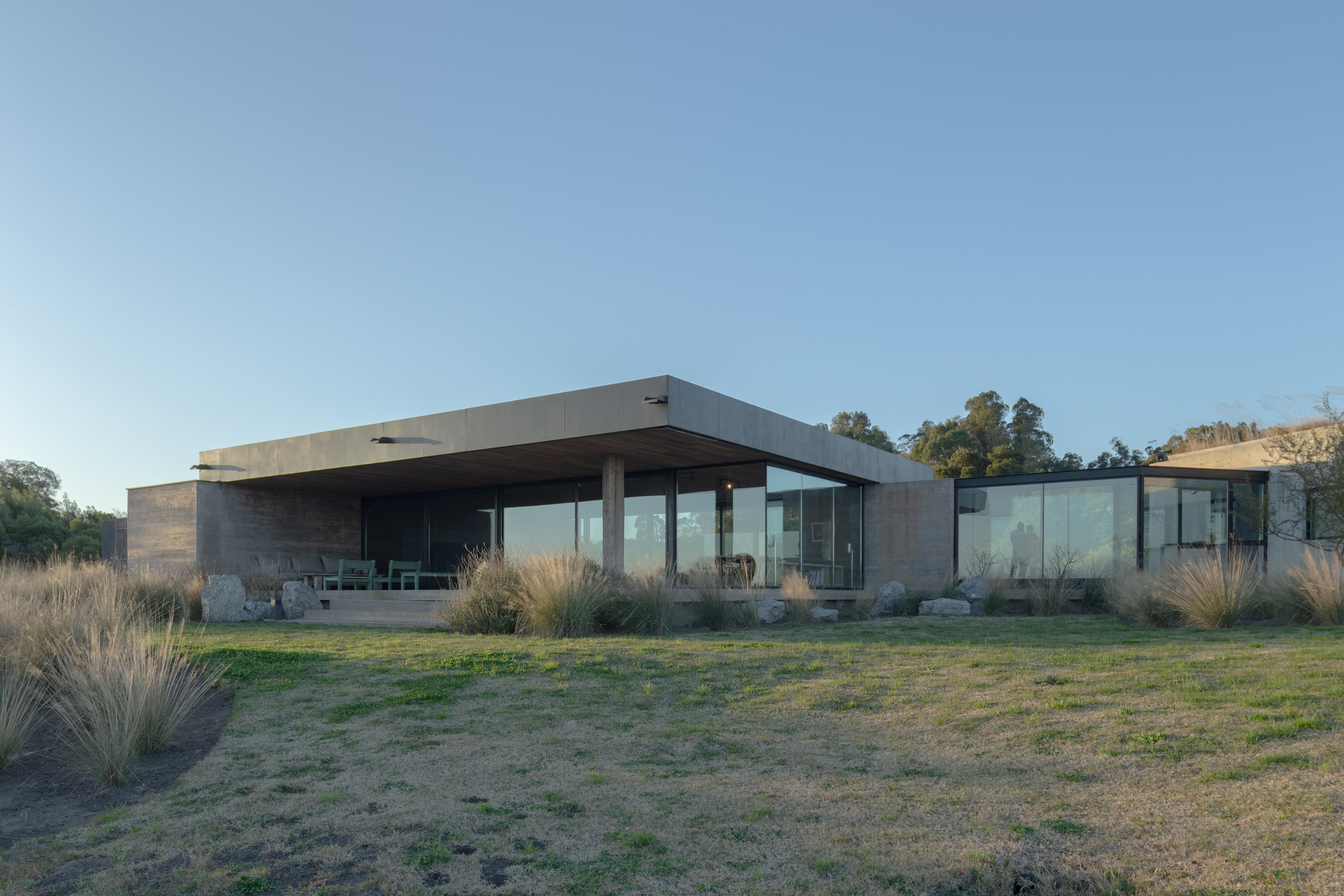
The Music Room at Casa La Flecha stands as a testament to the power of restraint, where architecture is distilled to its essence to amplify what truly matters. By framing the landscape, embracing time and placing music at its core, the project transcends its physical boundaries to become an enduring spatial experience—one that quietly elevates everyday life through atmosphere, presence and sound.