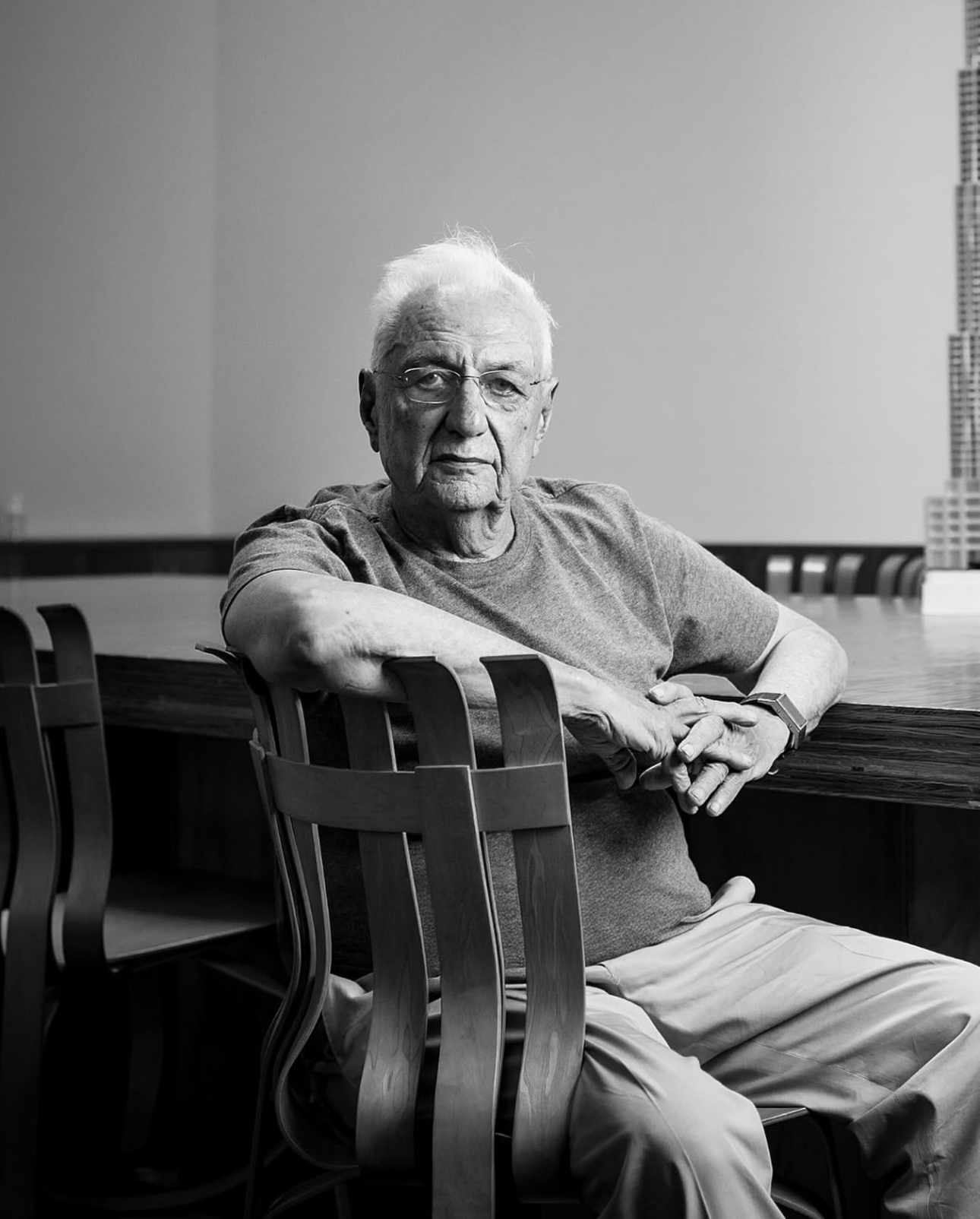
The Da Vinci of Architecture — Frank Gehry 1929–2025
"In every twisted plane and gleaming fold, Gehry reminded us that buildings are not just shelters but living ideas — restless, provocative, and beautifully human"
Few architects in history have so thoroughly blurred the line between building and sculpture as Frank Gehry. His approach was fearless — rejecting the sterile rectilinearity of conventional modernism for a playful, expressive vocabulary rooted in movement, texture, and human scale. Gehry didn’t just build buildings — he composed experiences.
Born in Toronto in 1929 to a family of Polish‑Jewish immigrants, Gehry (then Frank Goldberg) moved to Los Angeles in 1947, after which his life took root in the rich cultural soil of Southern California. As a boy, he spent hours in his grandfather’s hardware store, turning scraps of wood and metal into imaginary cities — a formative experience that presaged his lifelong obsession with materials and form. He studied architecture at the University of Southern California, graduating in 1954, then continued studies in urban planning at Harvard University Graduate School of Design. After working at several firms — including the commercial‑oriented Victor Gruen Associates — he found himself at odds with the era’s prevailing utilitarian aesthetic. This restlessness steered him toward founding his own practice in Santa Monica in the early 1960s.
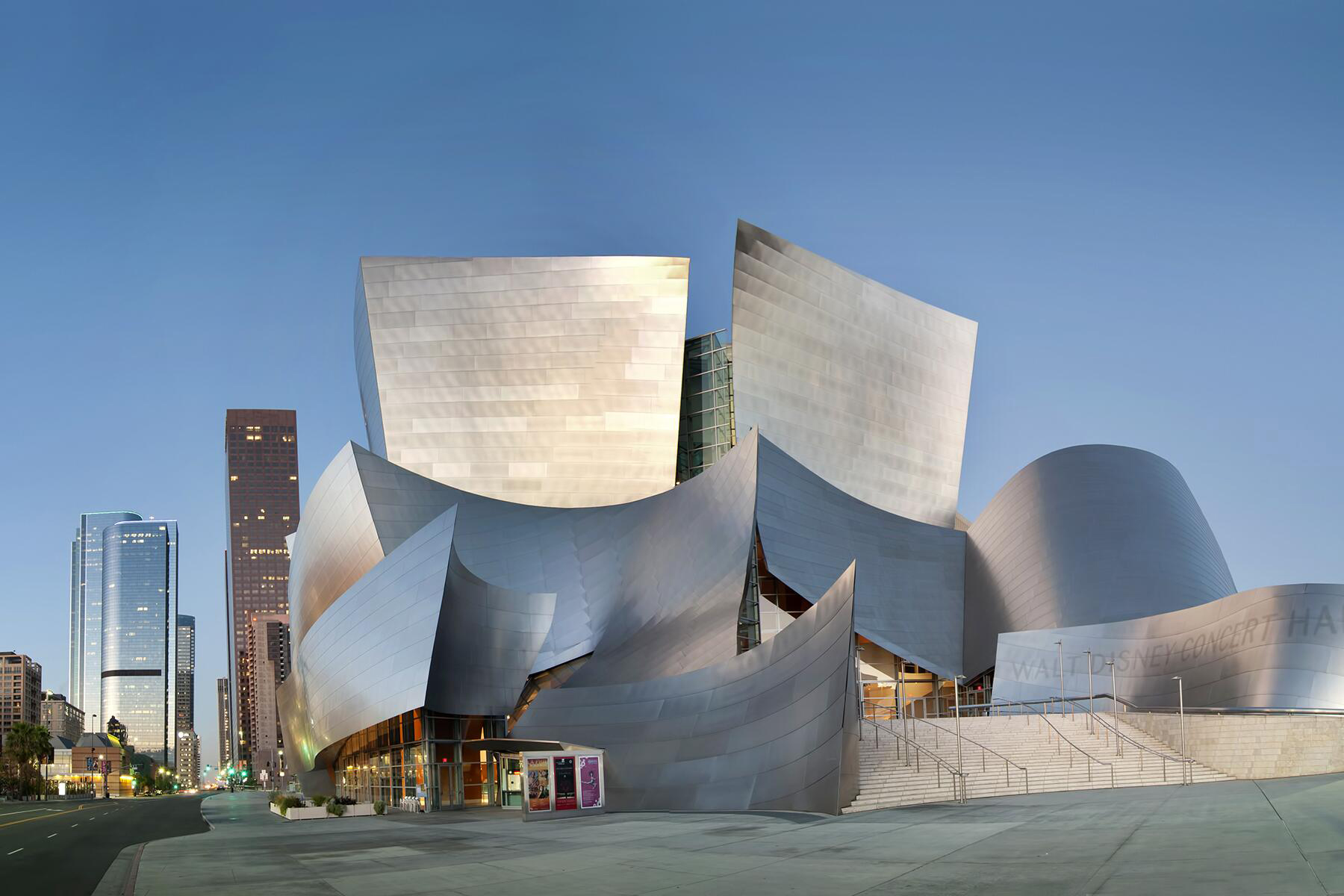
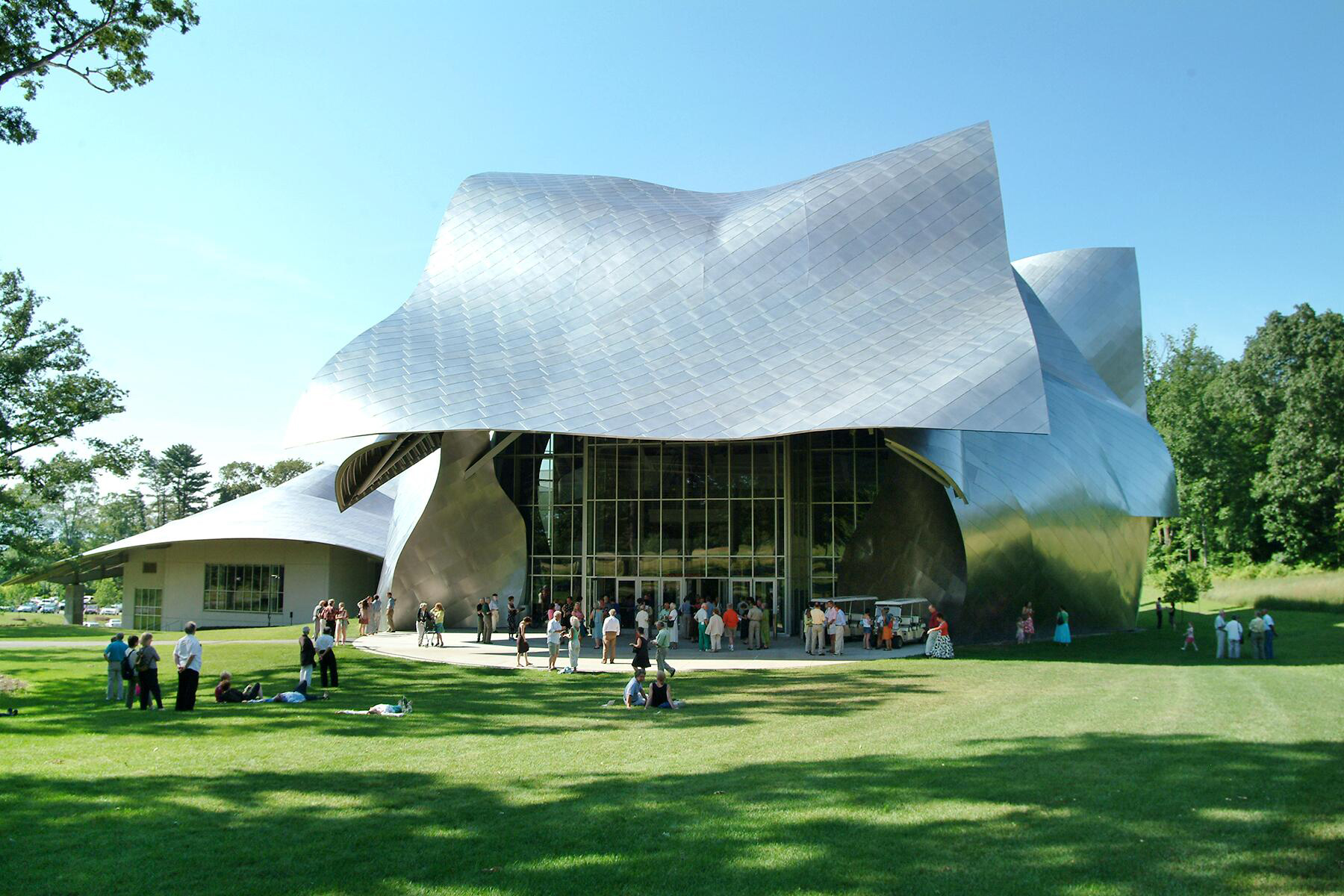
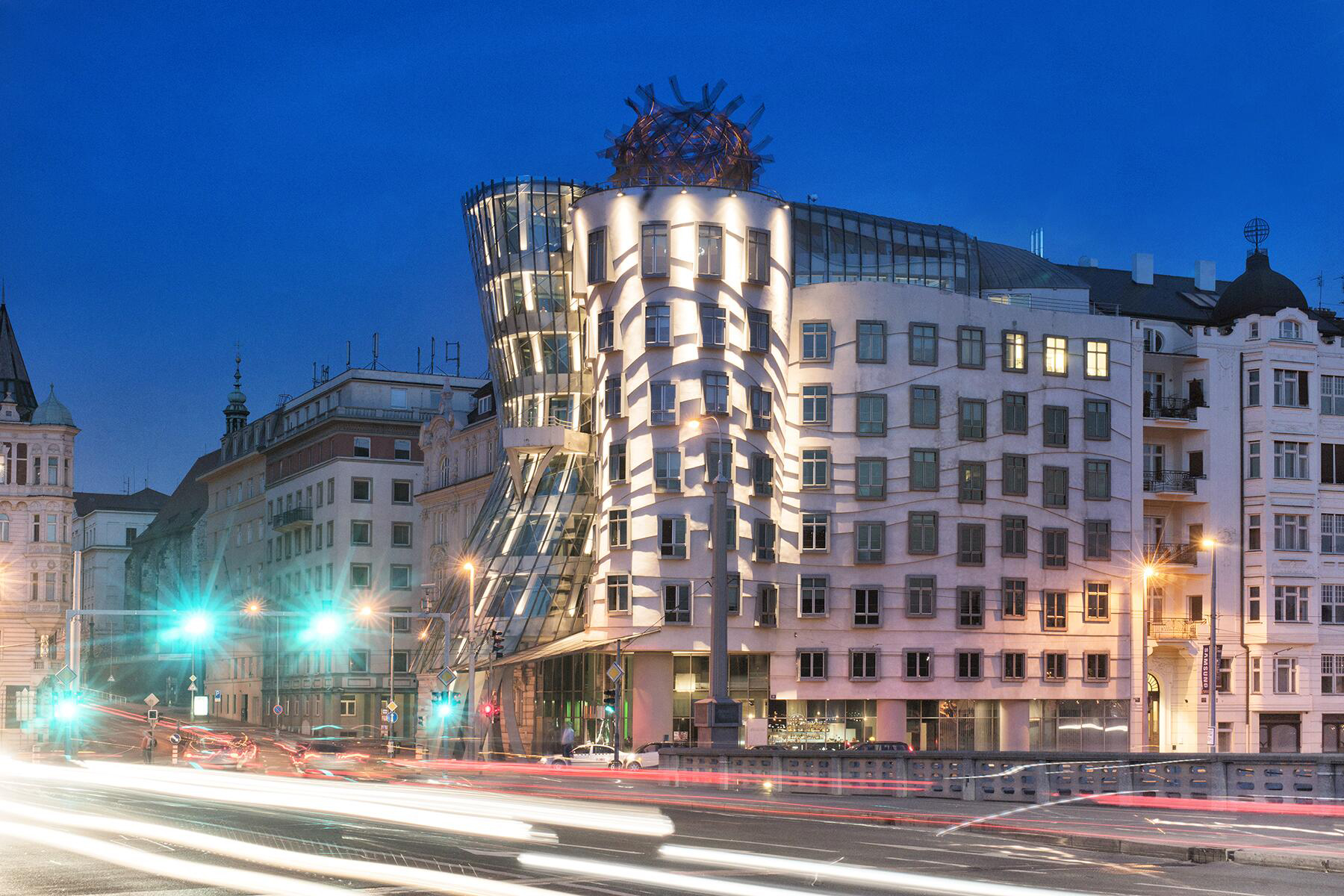
Gehry’s early personal project — the reimagining of his own modest Santa Monica bungalow with corrugated metal and plywood — turned heads and marked the birth of an unmistakable signature style. As critics and patrons began to take notice, his firm began receiving commissions that allowed him to explore more ambitious ideas. At a time when many architects still clung to Modernist orthodoxy, Gehry embraced what came to be known as deconstructivism: fragmented, dynamic forms that challenge gravity and conventional spatial arrangements. His designs often evoke motion — curved titanium and stainless‑steel skins that appear to flutter like sails, or cluster like molten waves frozen mid‑flow. He was among the first to exploit digital design tools and rapid‑prototyping methods, allowing him to translate complex geometries into buildable realities.
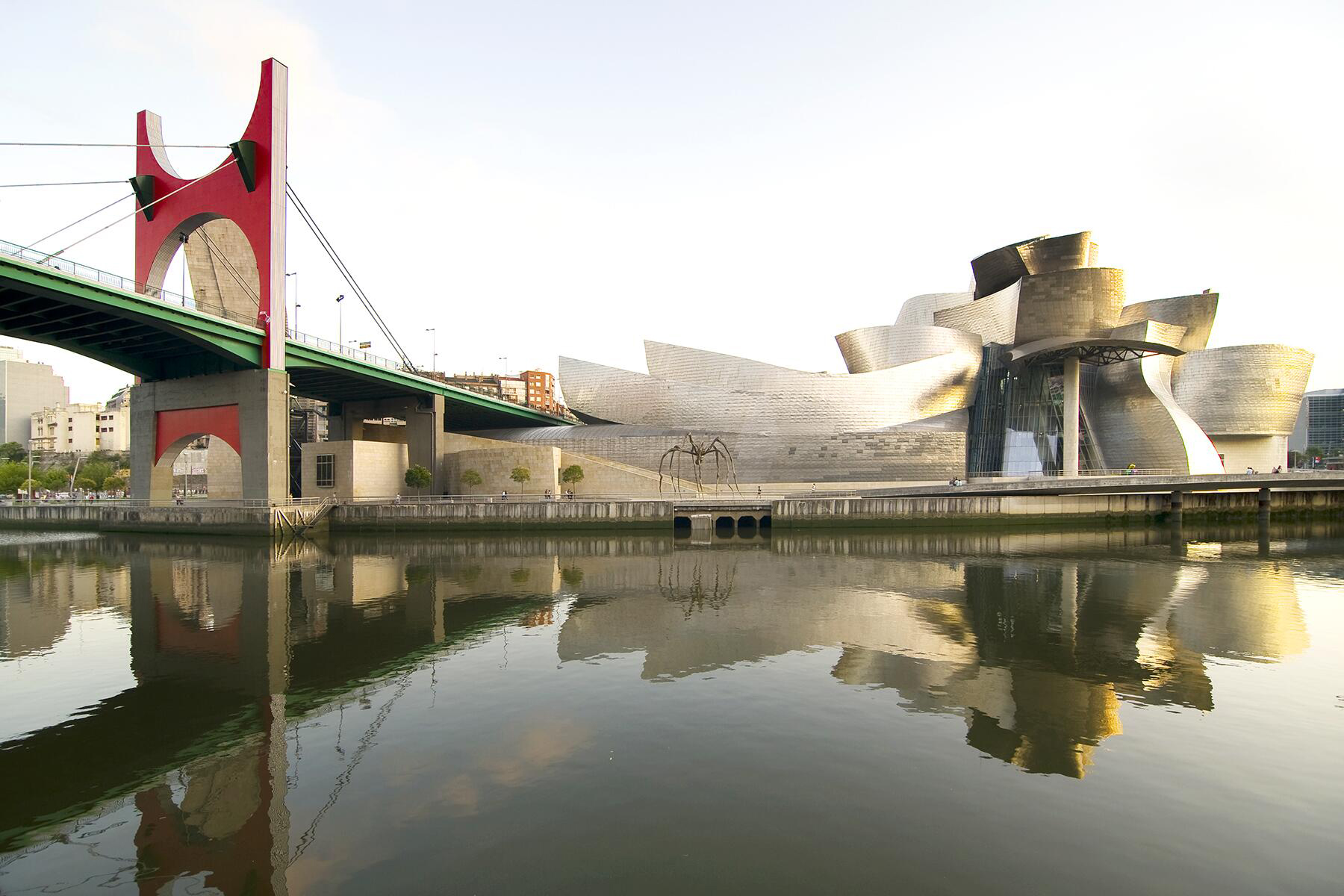
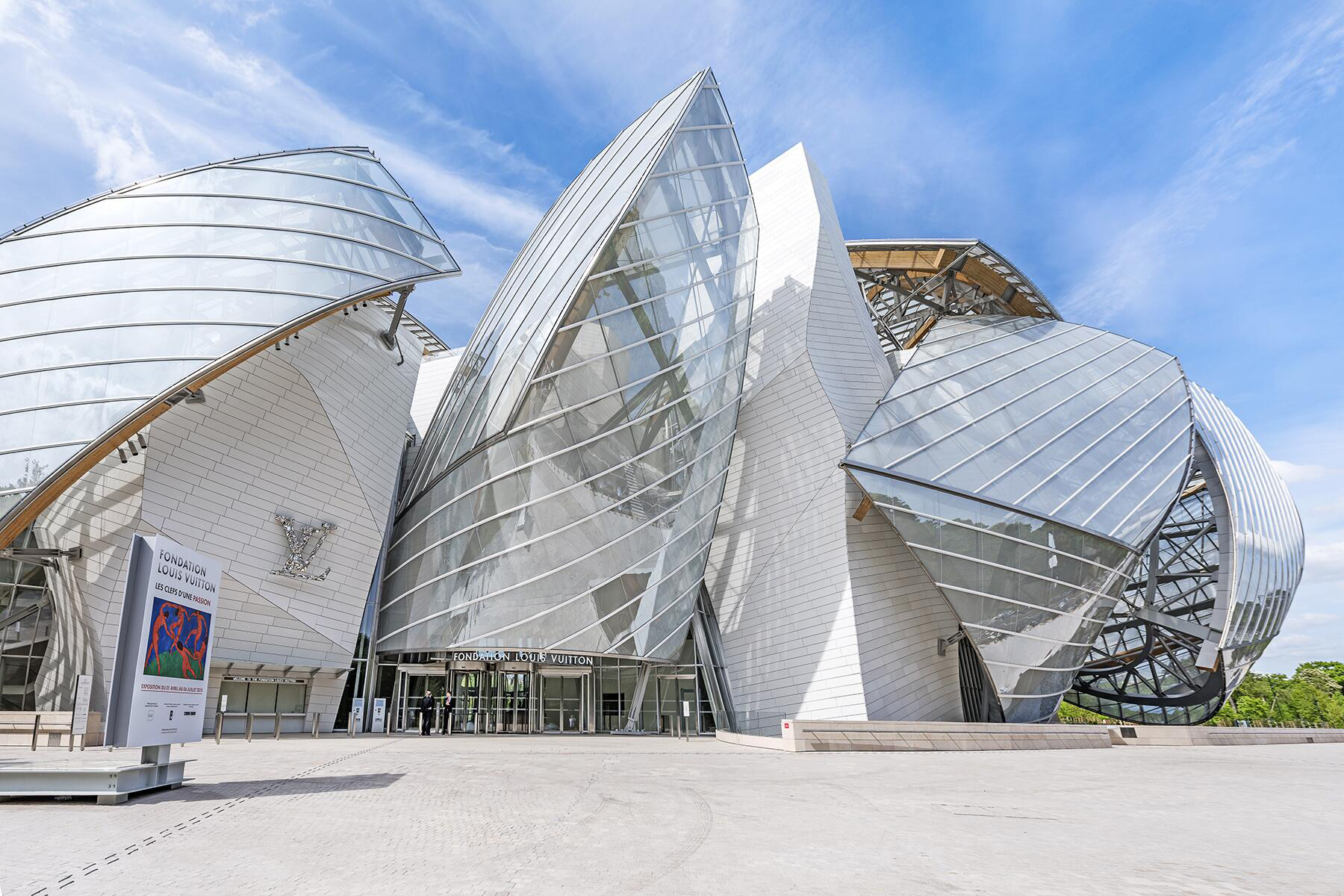
Guggenheim Museum Bilbao (1997) — Often regarded as the greatest architectural work since 1980, the Bilbao museum became the epicenter of what is now known as the “Bilbao effect”: a testament to architecture’s power to catalyze urban regeneration and cultural identity. Walt Disney Concert Hall (Los Angeles, opened 2003) — With its sweeping stainless‑steel curves, sinuous interior, and organic wood‑clad auditorium, the hall is a symphonic space not just in acoustics but in visual drama. Fondation Louis Vuitton (Paris) — An elegant display of cloud‑like glass volumes, this building merges art museum, sculpture, and architectural statement — a perfect emblem of Gehry’s playful ambition and refined craftsmanship. Also among his many notable works are the dynamic designs of cultural venues, museums, concert halls, residential towers, and experimental buildings across continents — from the Vitra Design Museum in Germany to shimmering towers in New York, and more.
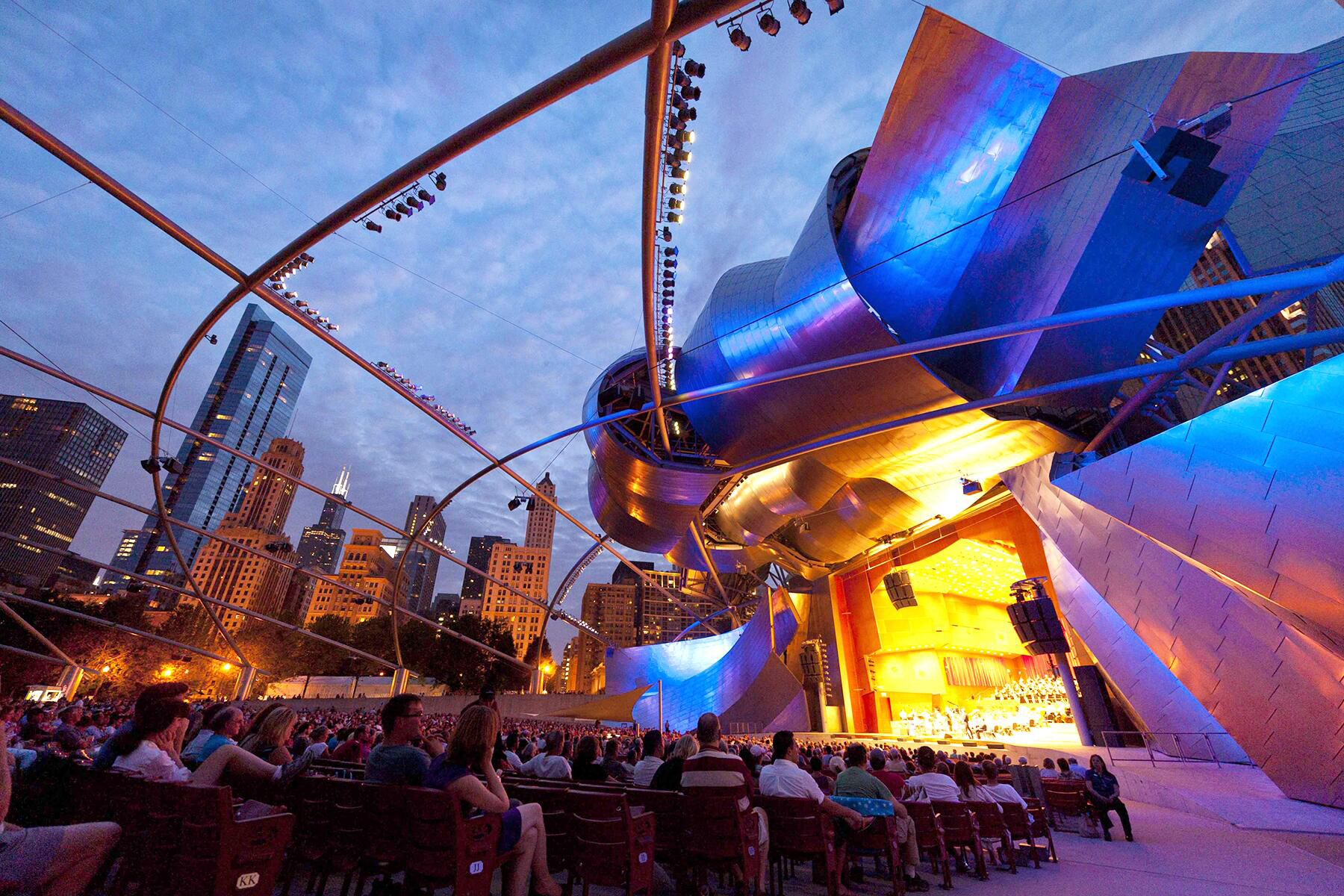
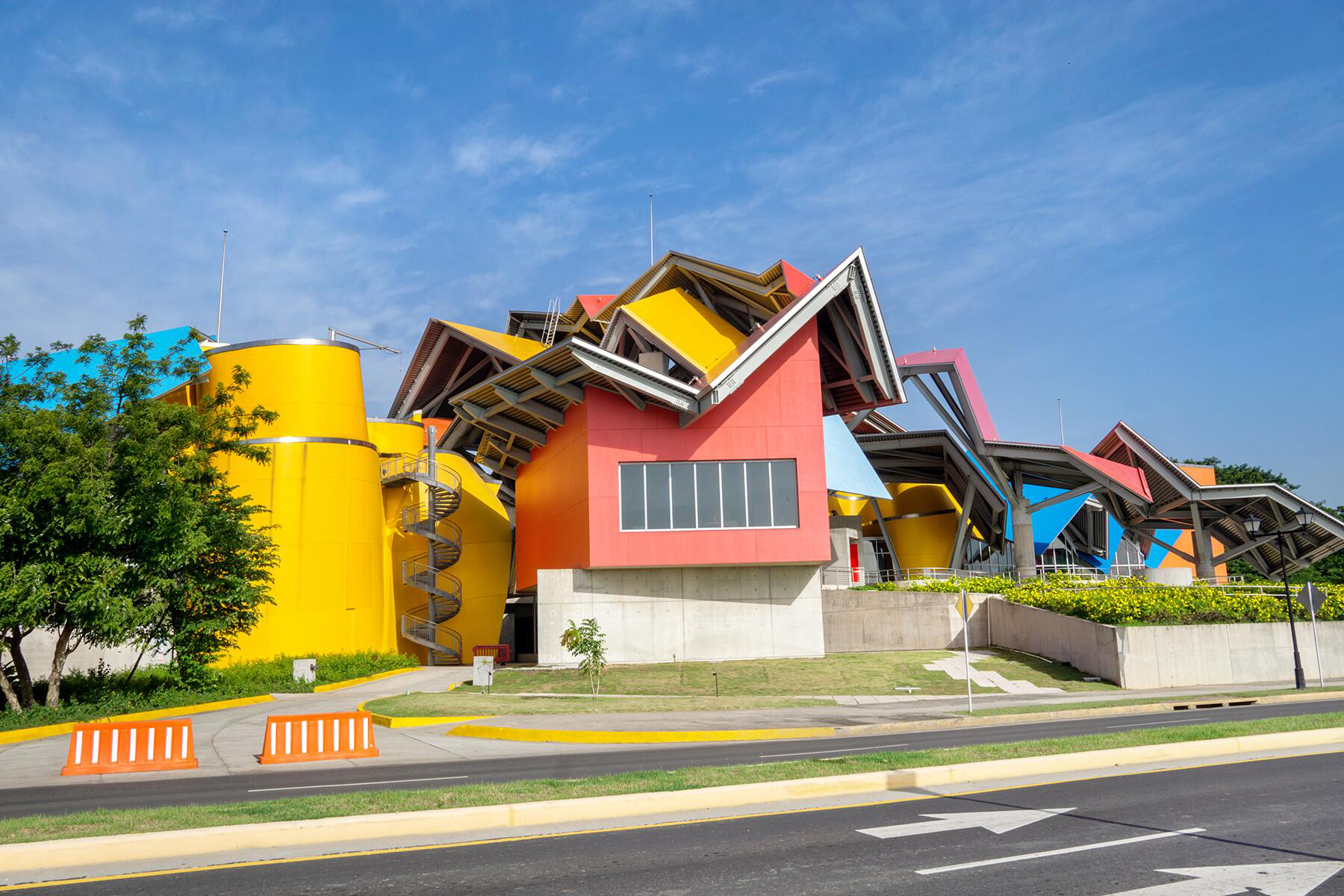
"A choreography of curves and contradictions, where architecture becomes not just structure but sensation, a tactile language of light, shadow, and emotion"
In 1989, Gehry was awarded the Pritzker Architecture Prize — the field’s highest honor — honoring his “refreshingly original and totally American” contributions. Over decades, he earned virtually every major prize available to an architect. But his ambitions went beyond buildings. Gehry designed furniture, jewelry, even liquor bottles — extending his sculptural sensibility to everyday objects, demonstrating that design permeates all aspects of life. He also helped reassert the role of the “master architect,” personally shaping every project at Gehry Partners LLP.
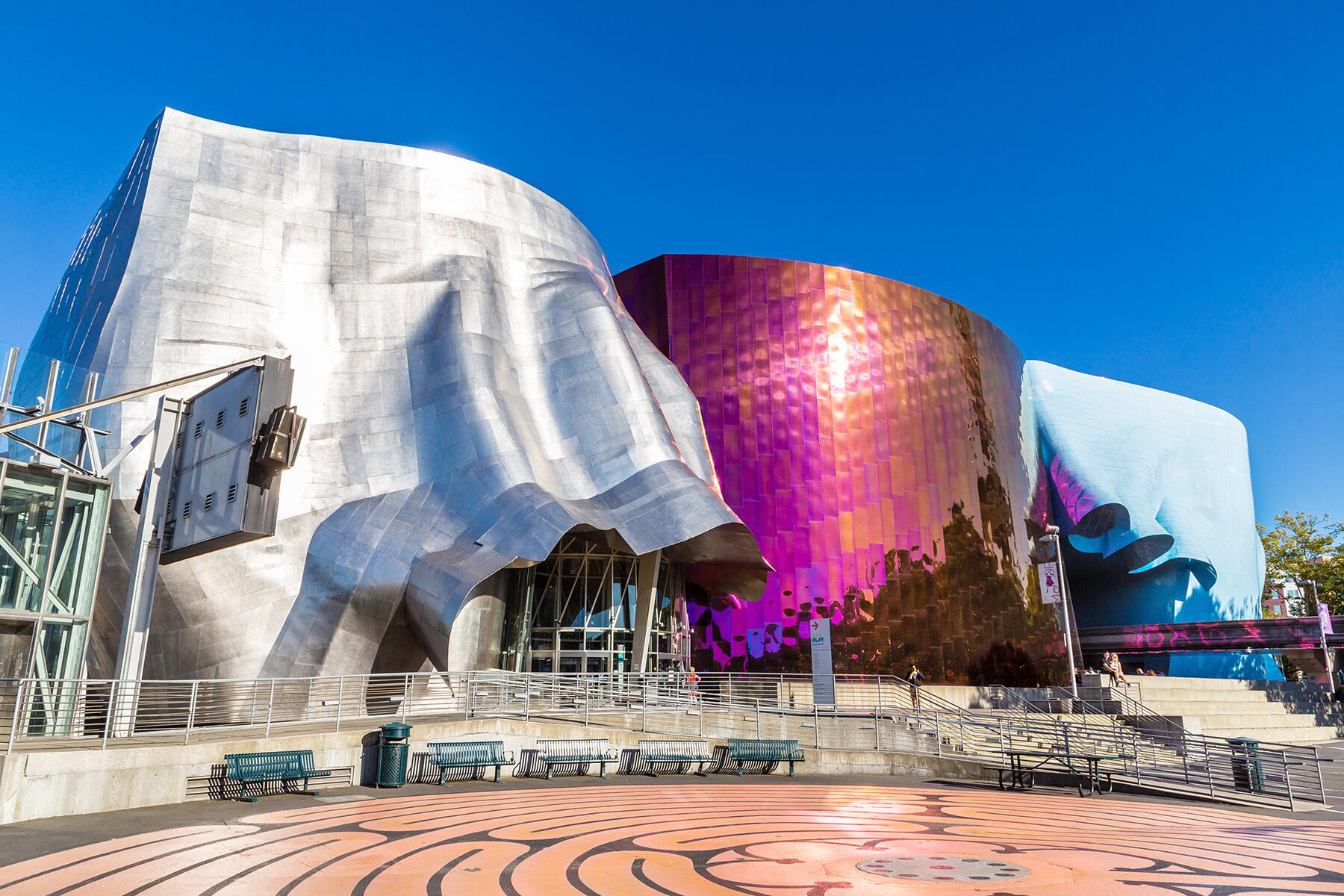
Critics sometimes accused Gehry’s work of being flamboyant or prioritizing form over function. Indeed, some called his buildings chaotic, or even impractical. But time has vindicated many of those designs: they have become landmarks, beloved cultural icons, and catalysts for urban transformation. What mattered to Gehry wasn’t eyebrow‑raising novelty for its own sake — it was about infusing architecture with emotion, movement, and humanity. In a 2012 interview, he revealed his rebellious stance: “I thought [modernist architecture] was snotty and effete. It just didn’t feel like it fit into life.”
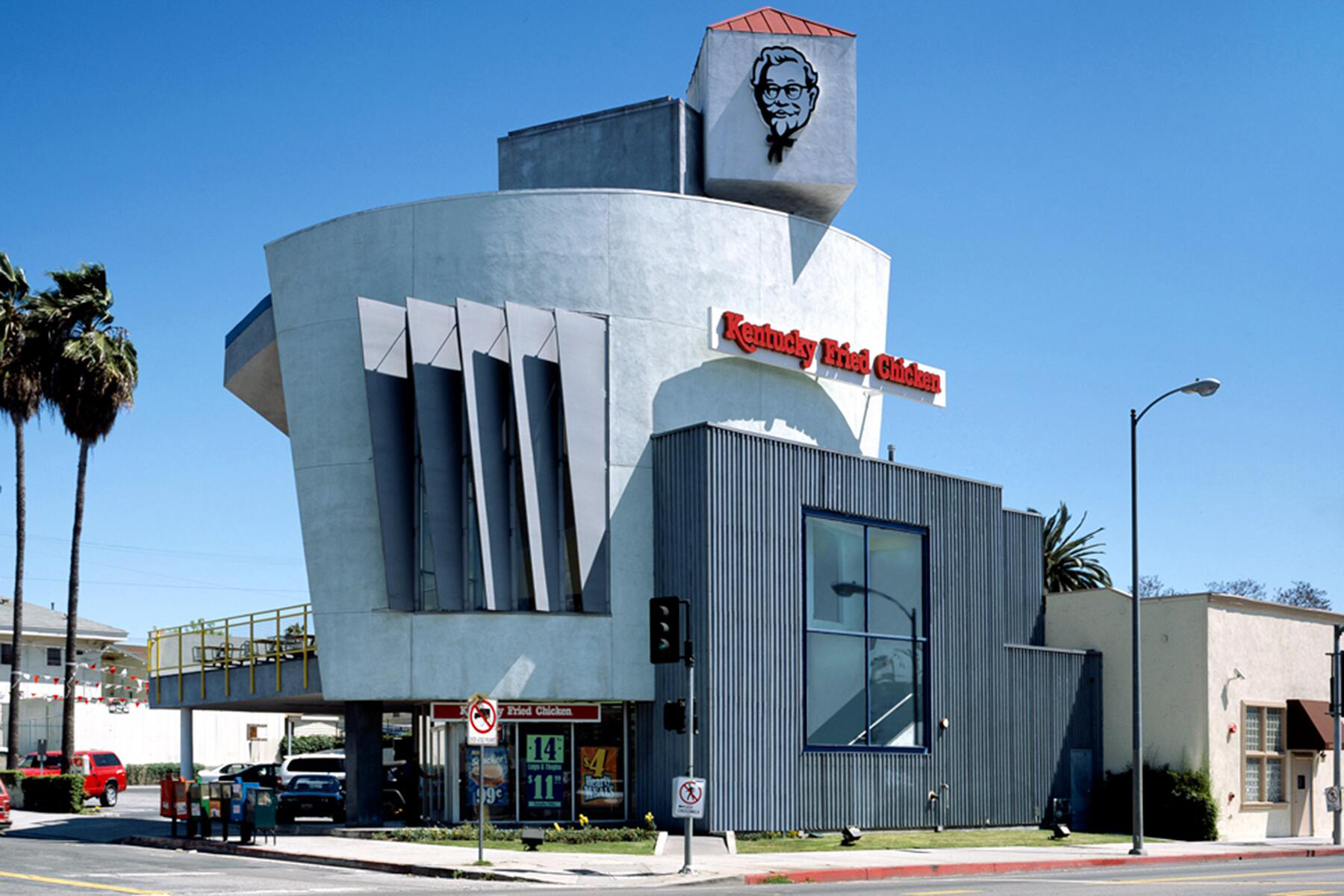
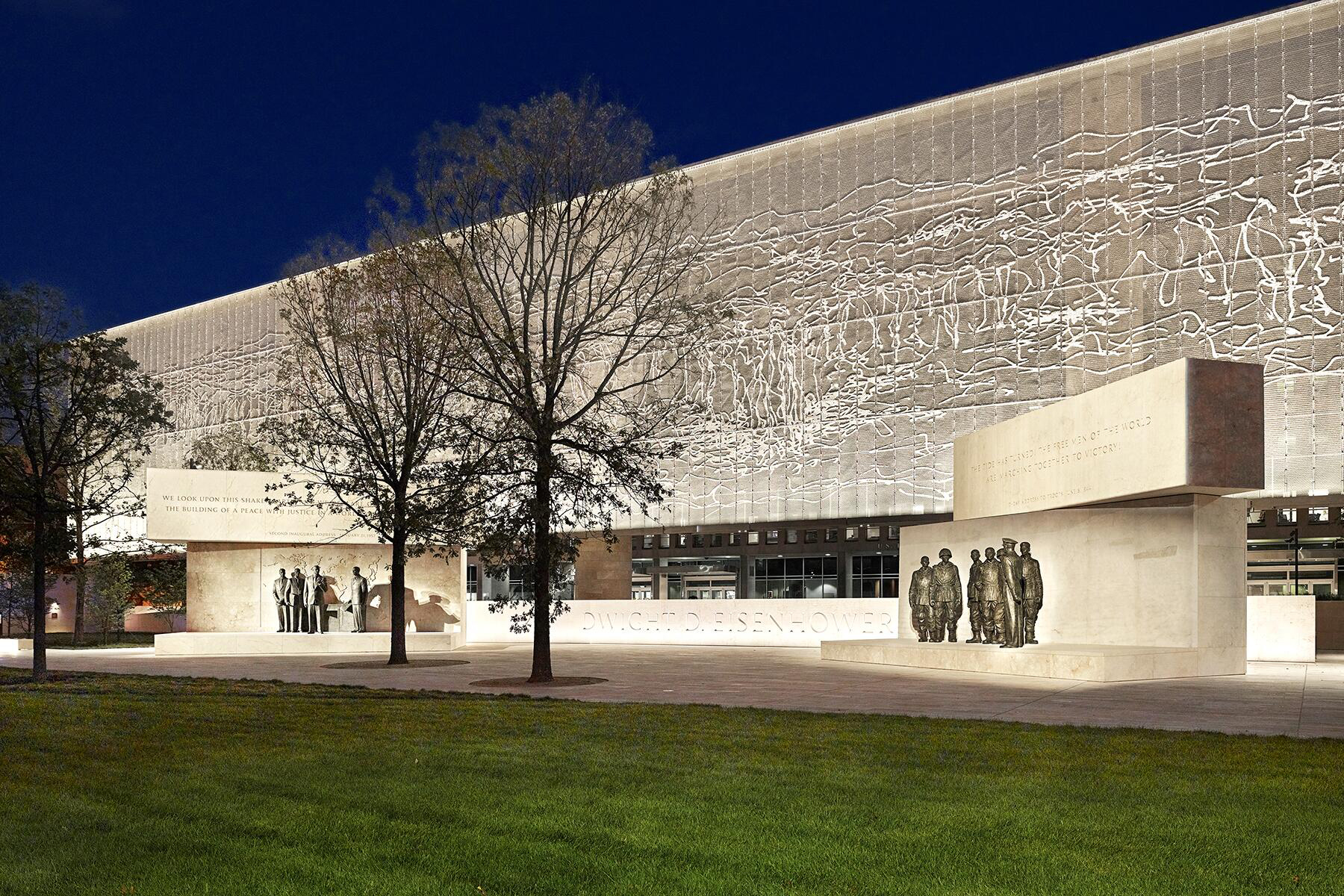
His work also influenced a generation of architects and designers who now regard architecture not as static volumes but as fluid, living entities — responsive to context, to light, to people’s experience. Looking ahead, the lessons of Gehry’s career — that innovation need not sacrifice emotion, that technology can serve humanistic aims, and that buildings can be both functional and poetic — will continue to shape architecture. In a world increasingly dominated by efficiency and abstraction, his legacy is a reminder of the power of the human imagination.
Frank Gehry’s passing marks the end of an era — but his buildings, his spirit, and his influence are immortal. He demonstrated how design could be radical, expressive, and deeply human. As the world reflects on his life and work, architects and lovers of architecture will long see his legacy not just in skylines, but in the possibilities he opened for what architecture can mean.