The Brick Redefines Space – House 1954 by EFEEME architects
Published
"Between matter and void, House 1954 reveals that space is not only constructed by materials, but by the relationships they create with light, time and human experience."
House 1954 is a quiet yet compelling exploration of transformation, where an existing home is carefully reimagined through thoughtful spatial interventions and an honest expression of materials. Rather than seeking spectacle, the project embraces the beauty of reinterpretation, revealing architecture as an evolving dialogue between memory, matter and contemporary living.
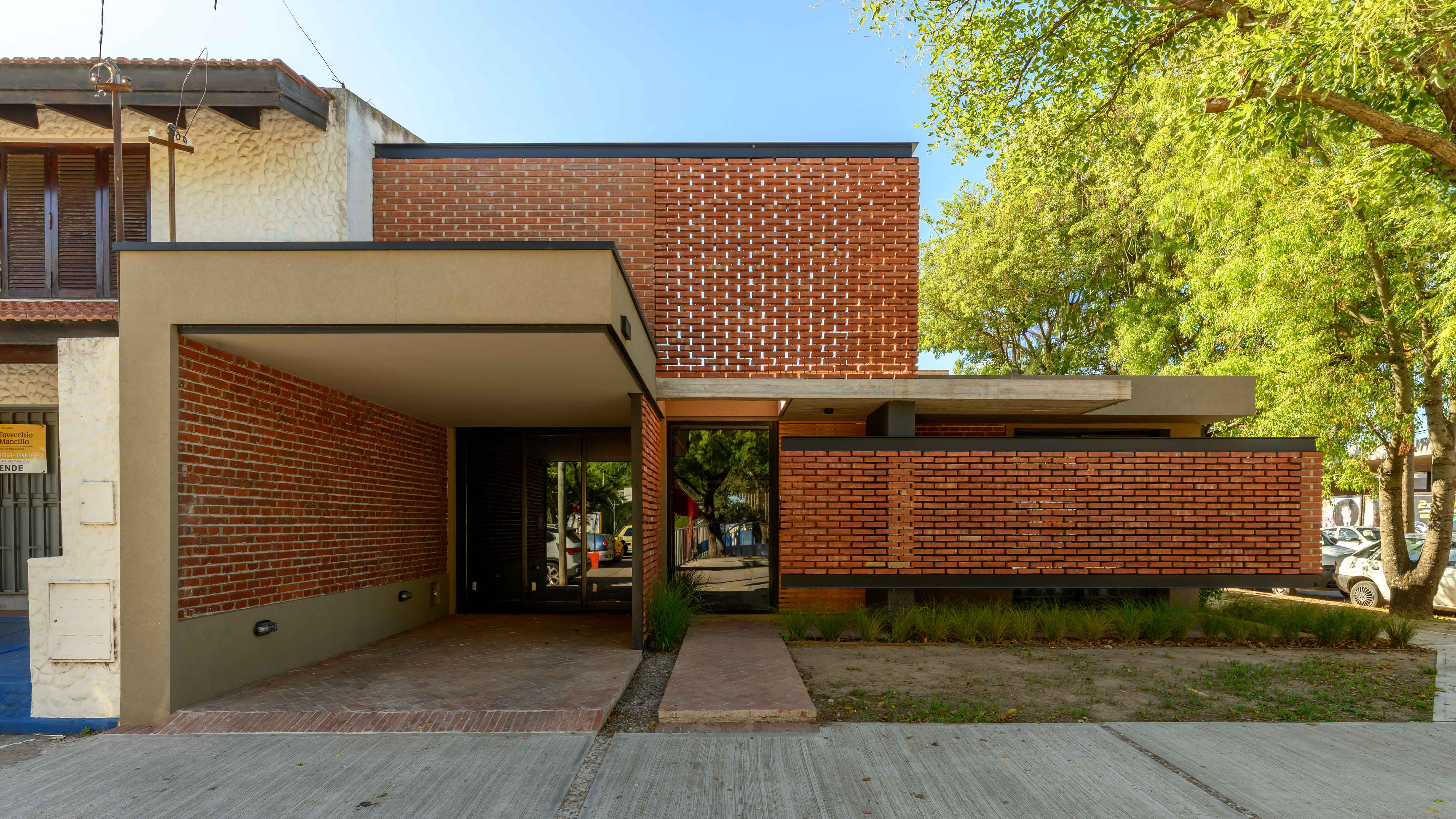
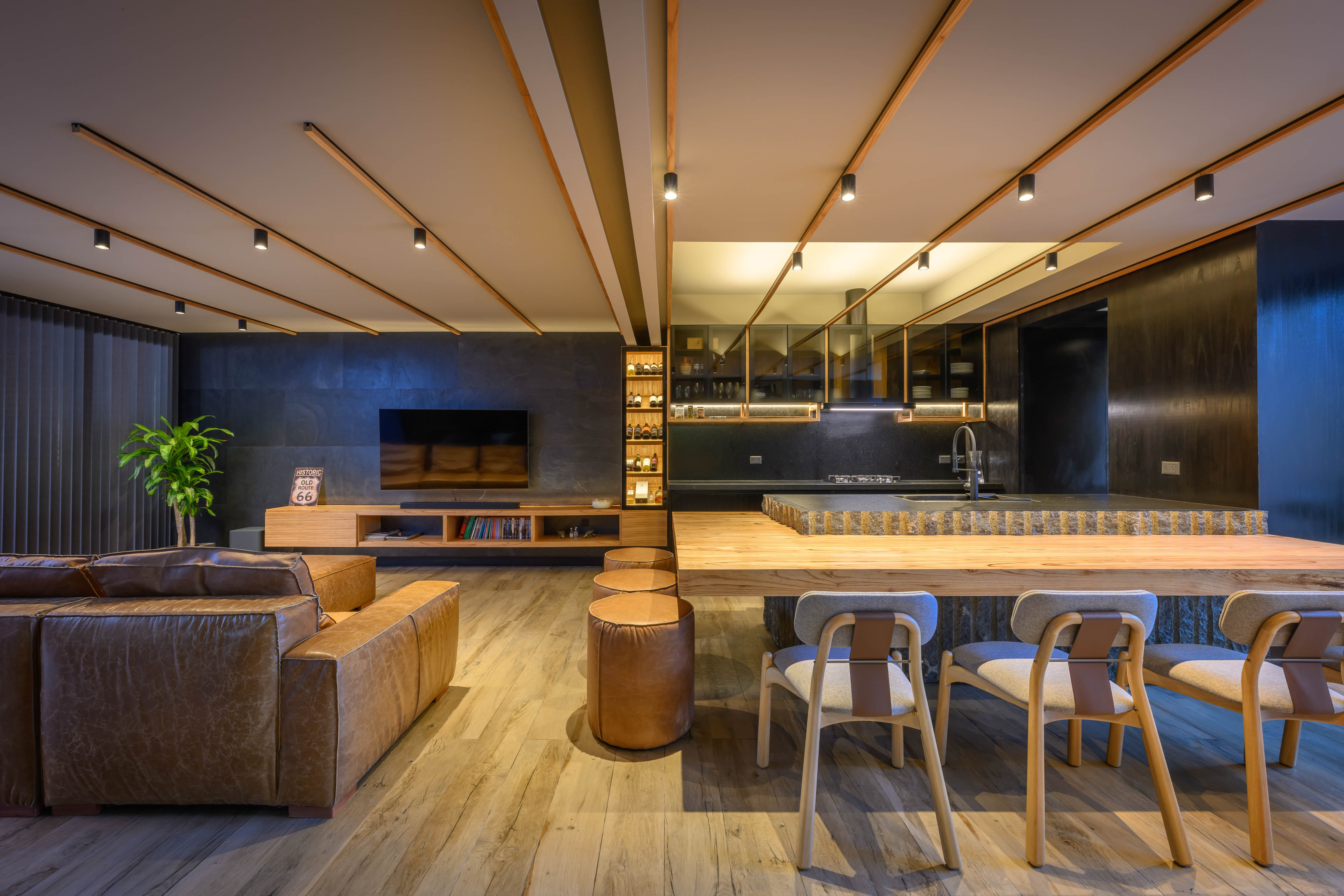
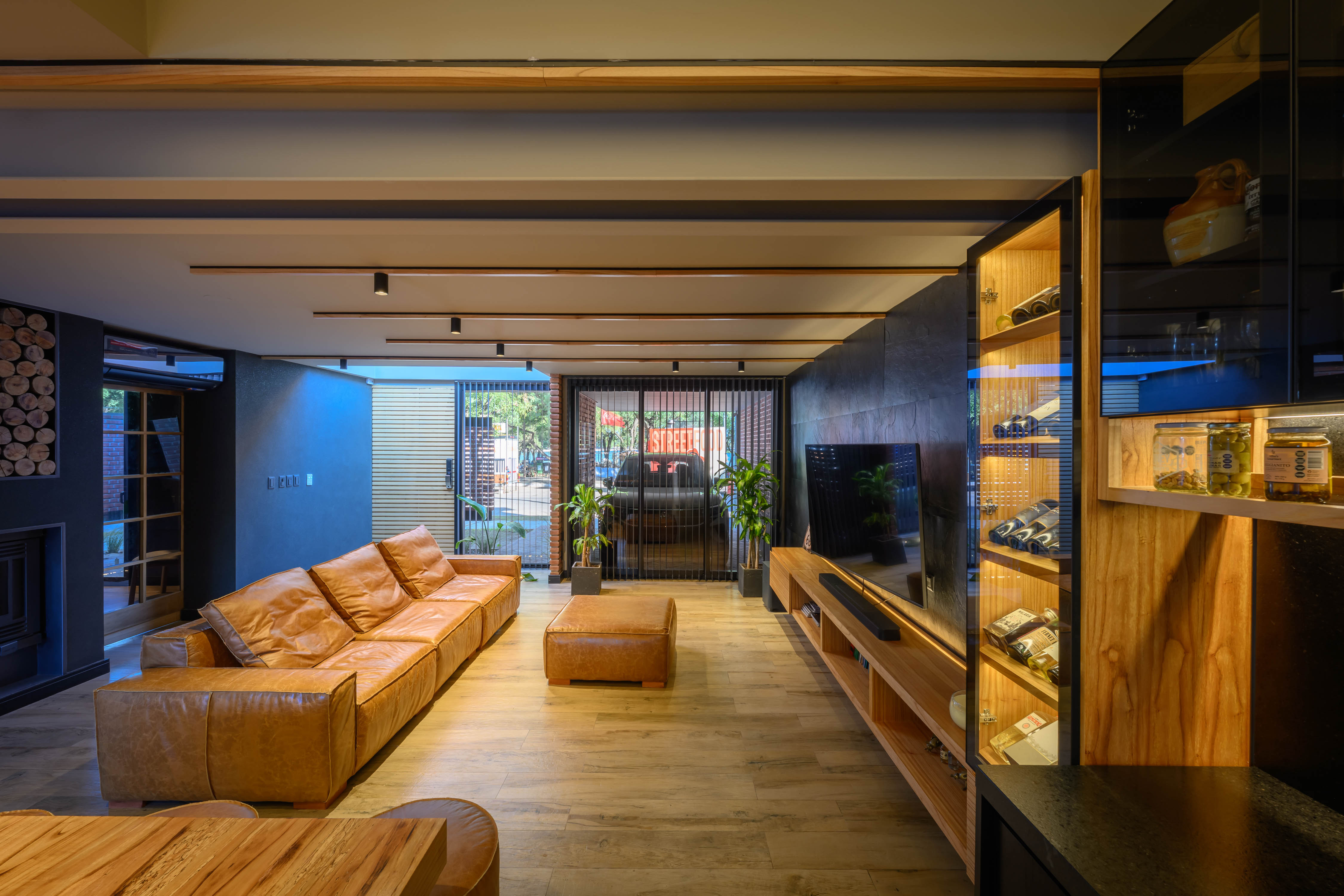
The renovation of this 170-square-metre corner residence in Villa María, a mid-sized city in the interior of Córdoba, Argentina, begins with a careful reconsideration of how domestic life is organised. Originally built in 1954, the house is reprogrammed into two continuous and interconnected functional blocks that distinguish public and private living while maintaining a fluid relationship between them. This strategy establishes a spatial clarity that responds to contemporary patterns of inhabitation without erasing the identity of the existing structure.
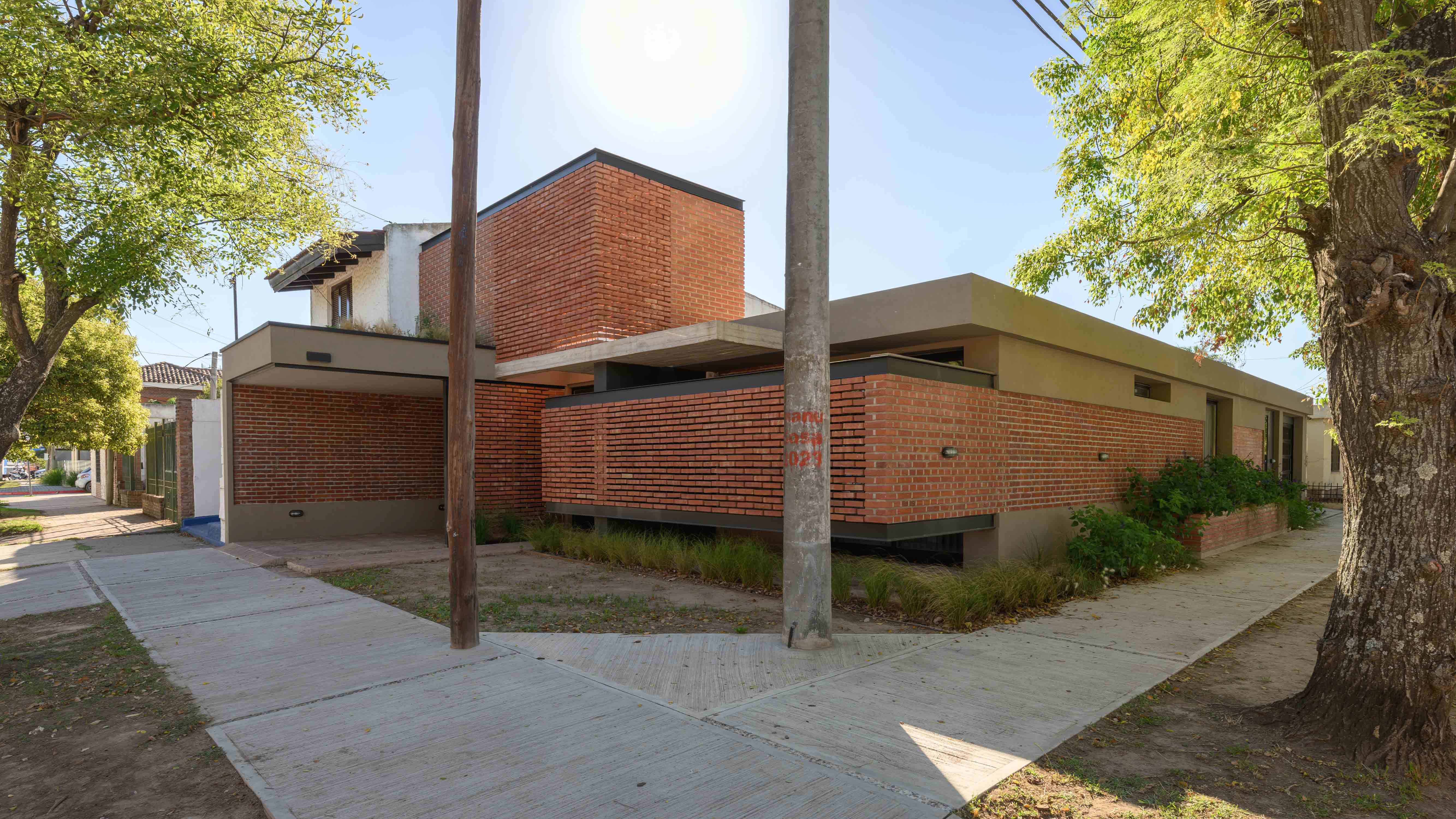
Central to this transformation is an autonomous monolithic volume that concentrates the home's fixed services. By gathering the programmatic elements that demand permanence into a single architectural object, the remaining interior is liberated from rigid spatial definitions. The result is a flexible environment capable of adapting over time, allowing future modifications without compromising the overall coherence of the project. Rather than designing for a single moment, the intervention anticipates change as an inherent condition of domestic architecture.
The project also demonstrates a strong commitment to its Argentine context through the deliberate use of accessible materials and local construction techniques. Instead of pursuing innovation through imported systems or unfamiliar technologies, EFEEME architects work with what already belongs to the territory. This approach understands architecture as a situated practice, shaped by the realities of place and by the knowledge embedded within local craftsmanship. The familiar becomes the foundation for experimentation.
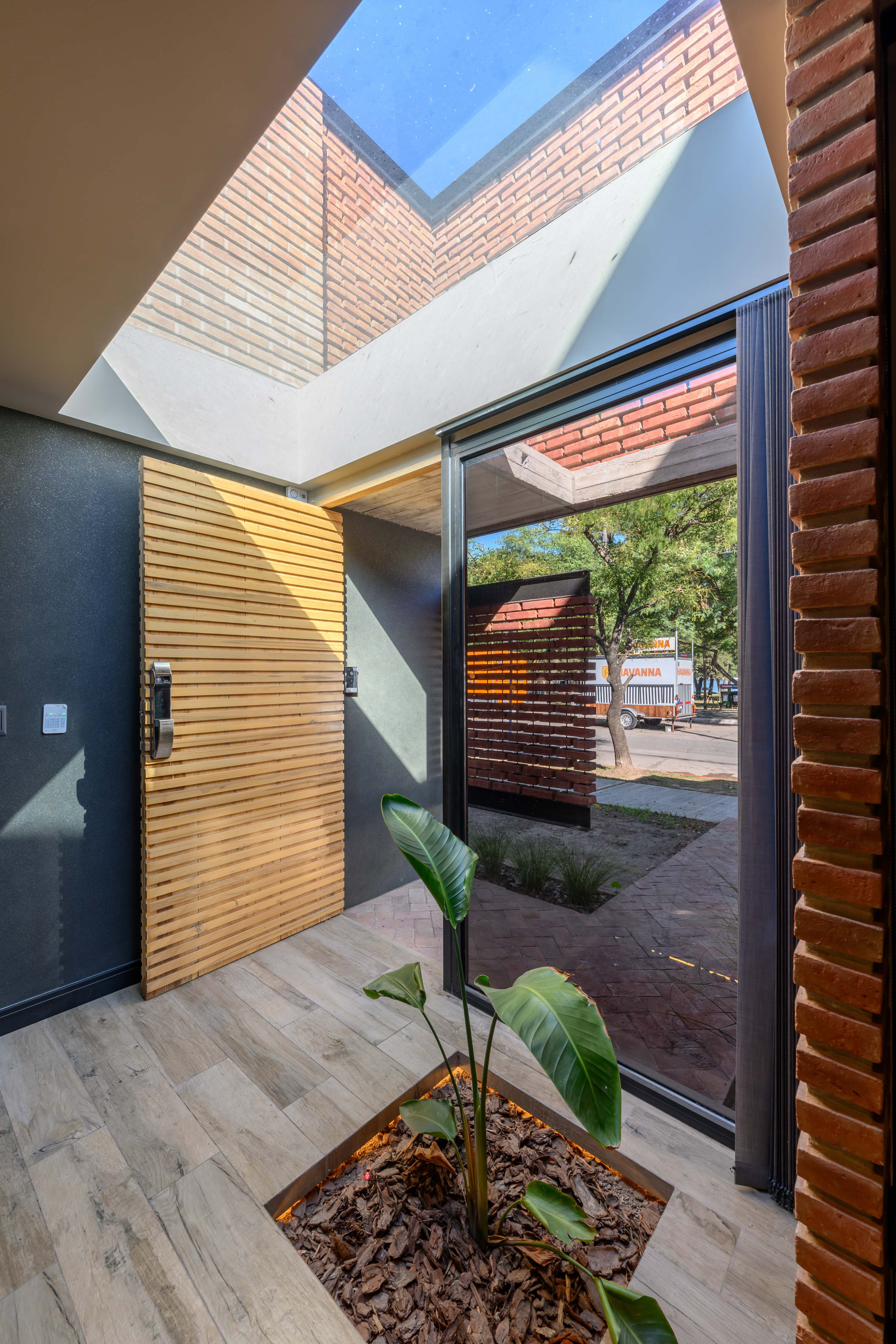
"Architecture finds its greatest innovation not by replacing tradition, but by reimagining the logic that has always defined it."
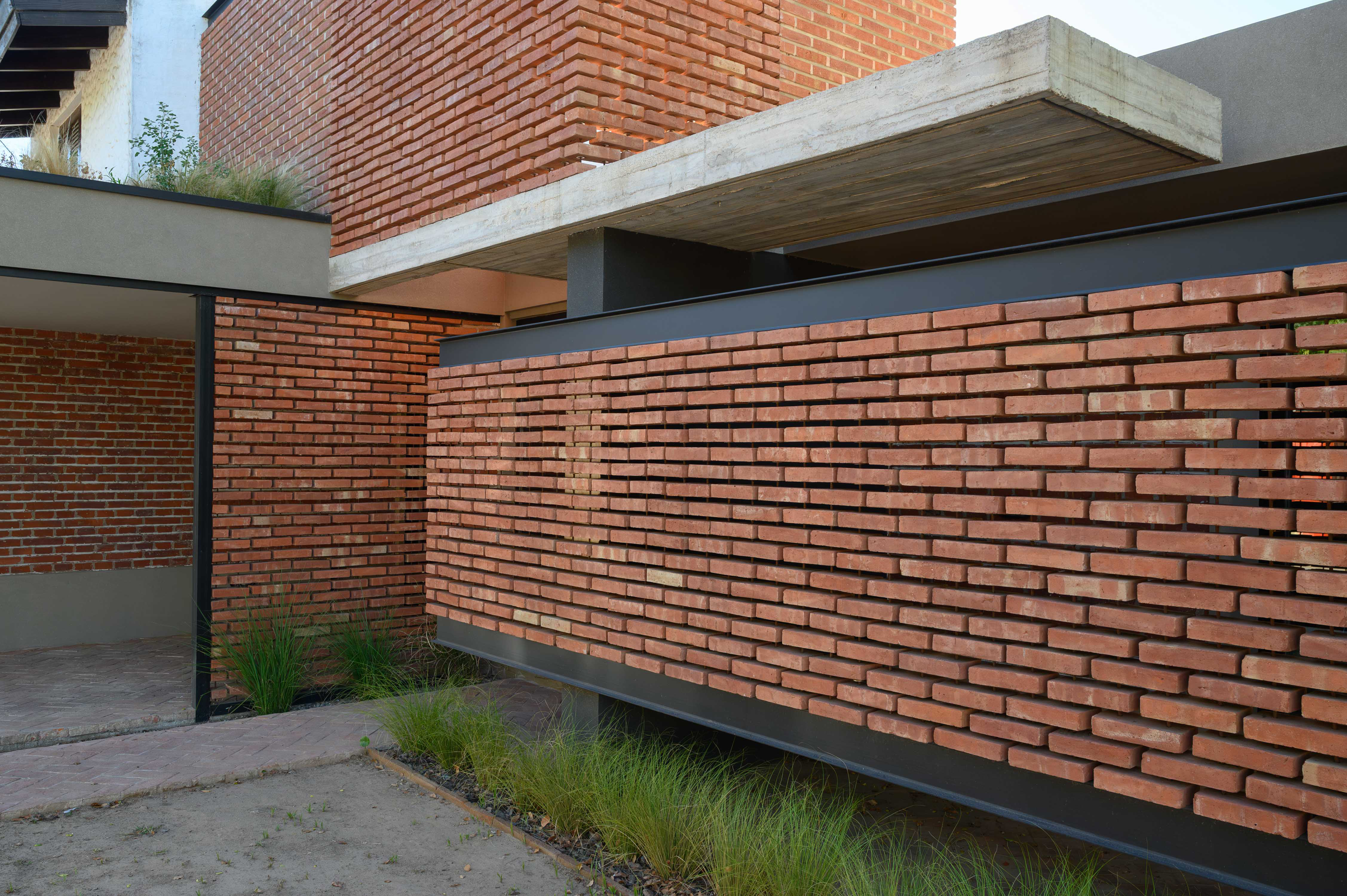
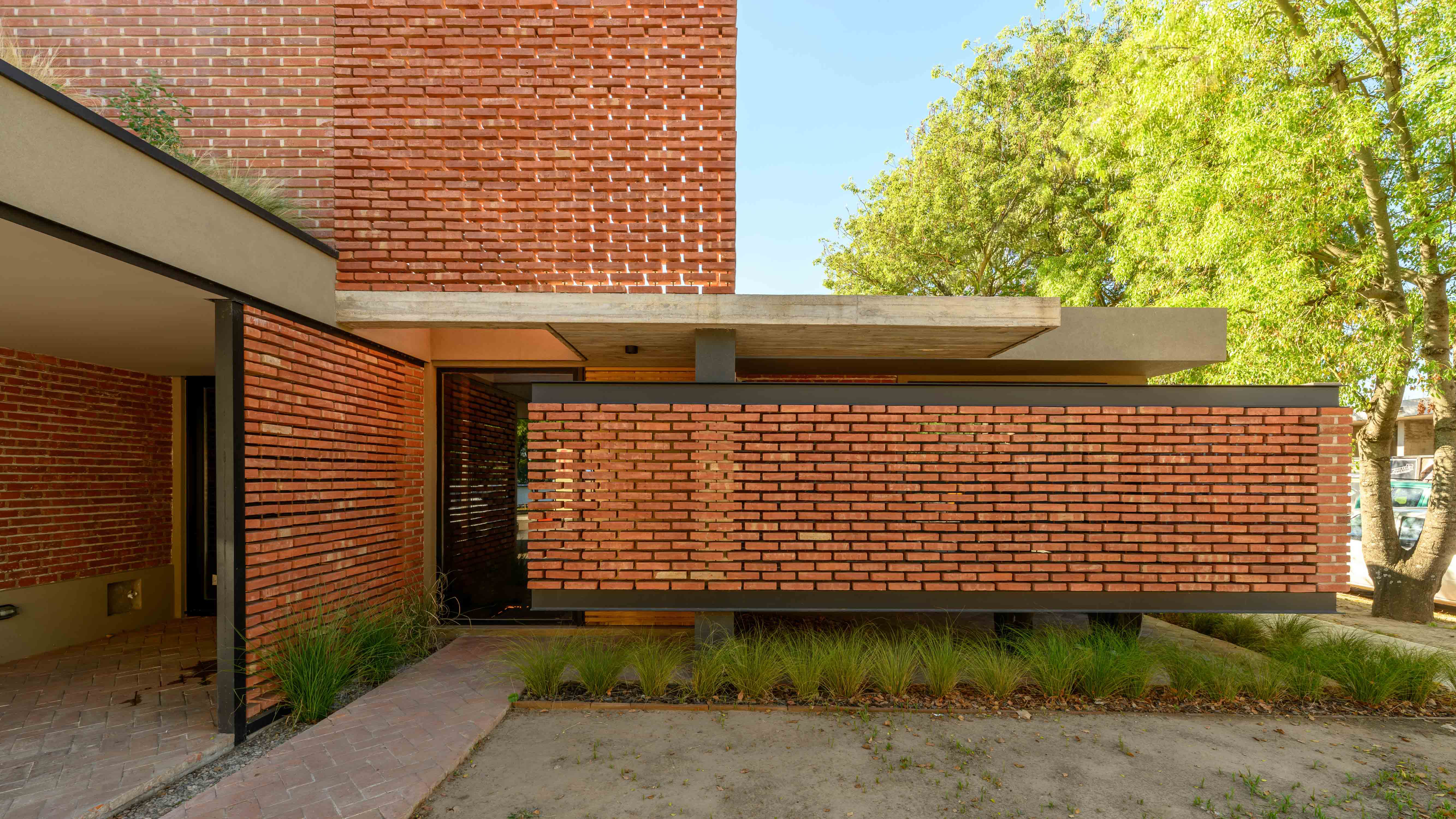
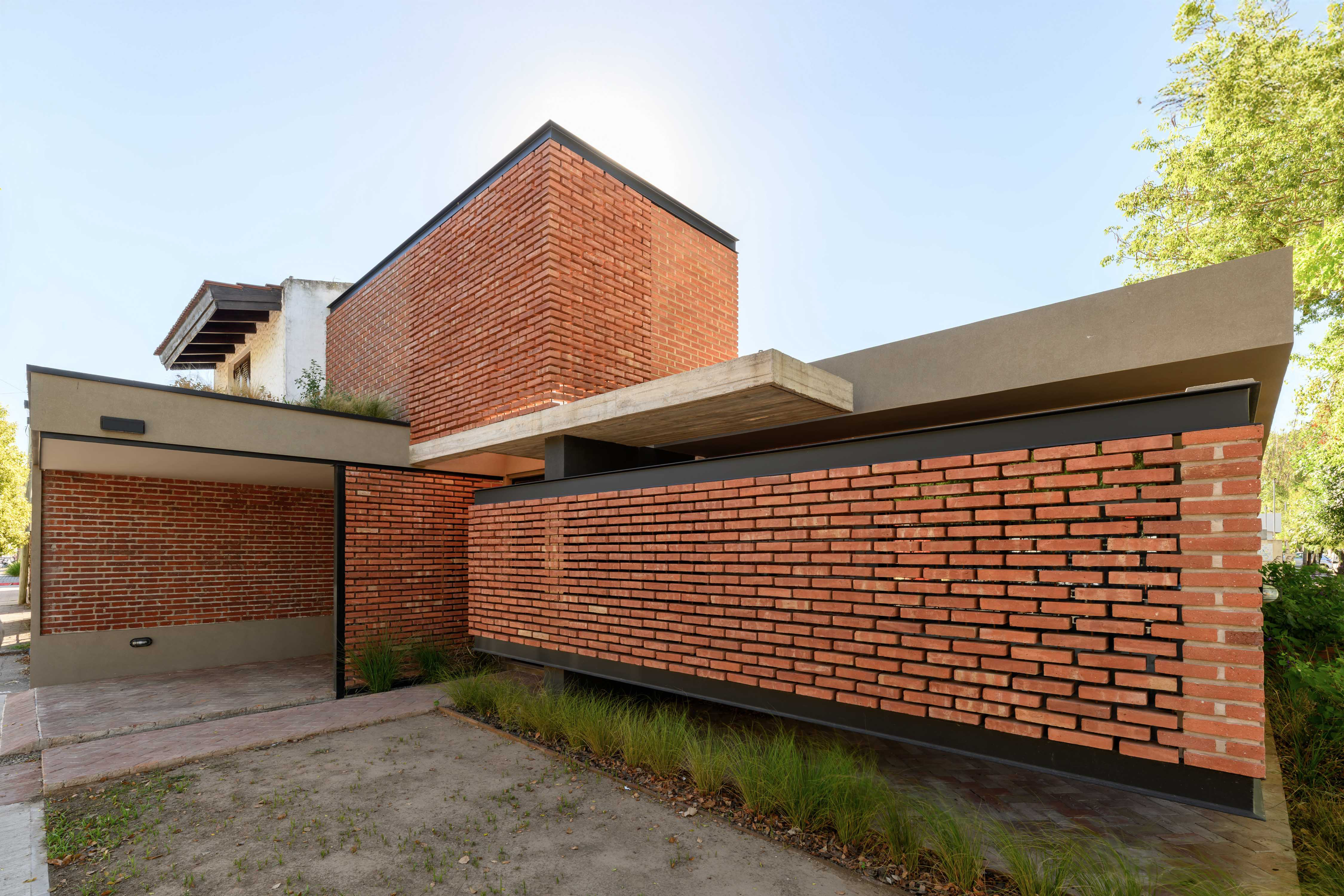
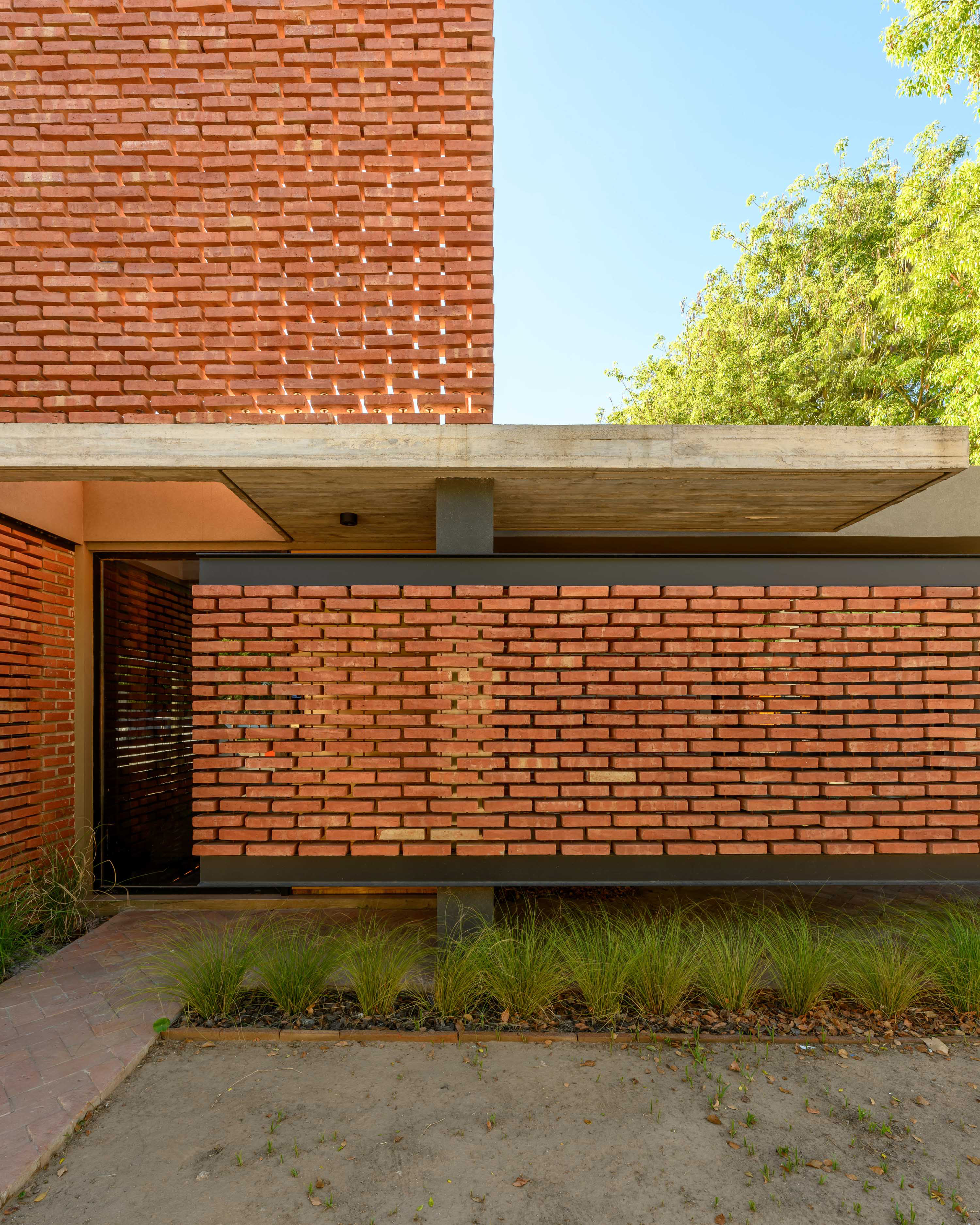
This philosophy is expressed most powerfully through brick, a material deeply rooted in Córdoba's architectural tradition. Rather than performing its conventional structural role, brick is suspended within an independent steel framework, abandoning its monolithic condition and separating from the load-bearing plane. This subtle yet radical shift transforms the material from a solid boundary into an architectural filter. Innovation is achieved not by changing the brick itself but by altering the logic through which it is employed, opening new possibilities for spatial experience.
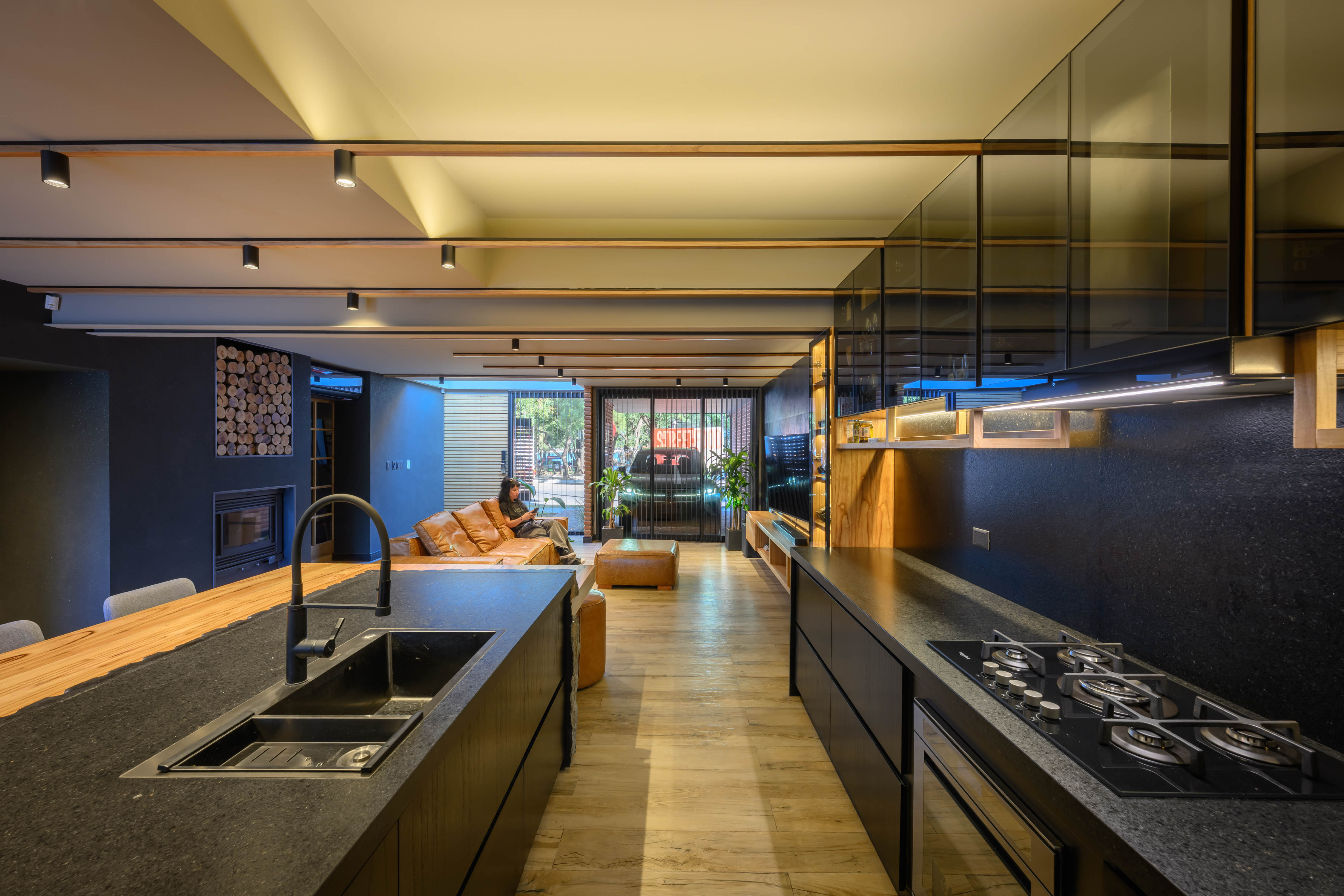
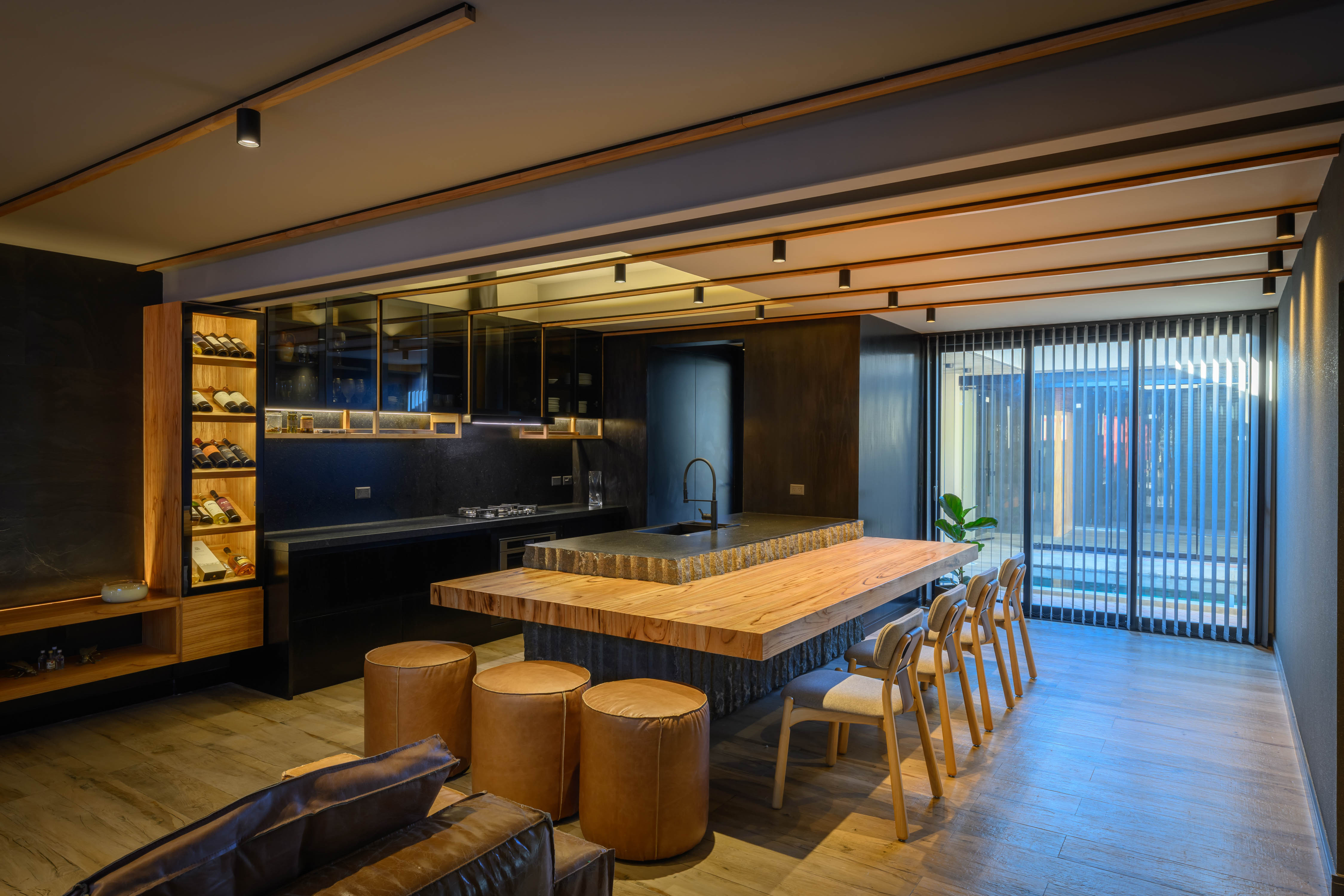
As this suspended brick element dissolves the conventional idea of a wall, void assumes equal importance to matter. Light permeates its surface, seasonal changes alter its visual density, and the movement of the inhabitant continuously reshapes the perception of depth, shadow and transparency. The intervention creates what could be understood as a space within a space, where architecture unfolds through successive layers of materiality rather than through enclosed rooms alone. Spatial boundaries become experiential rather than absolute.
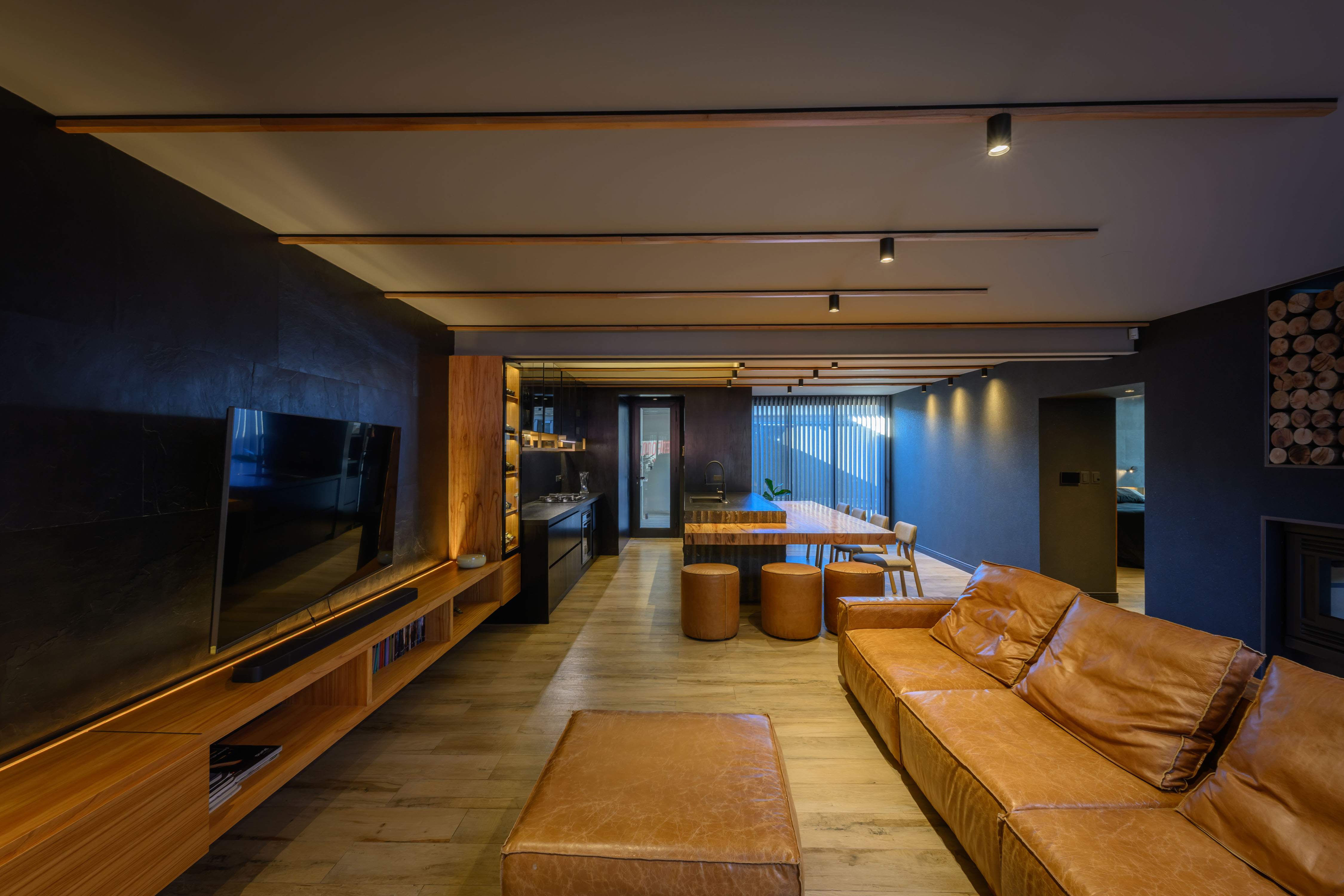
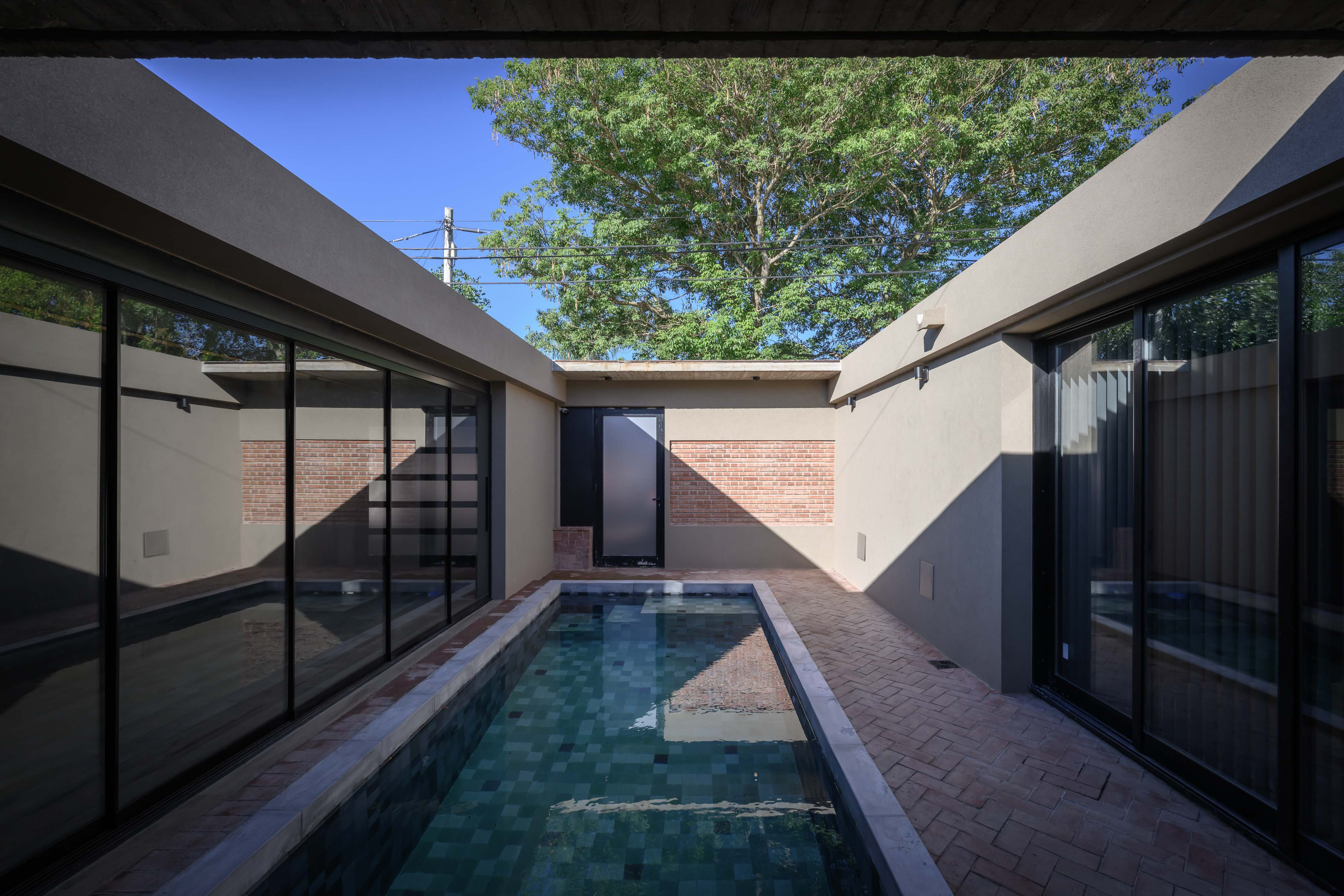
Material honesty reinforces every aspect of the project. Exposed concrete, steel, stone, brick and wood are presented without cladding or decorative concealment, allowing each element to express its structural function and sensory qualities. Construction itself becomes part of the architectural language, revealing rather than disguising the process of making. This restrained palette produces an atmosphere where texture, weight and light become the principal instruments of expression.
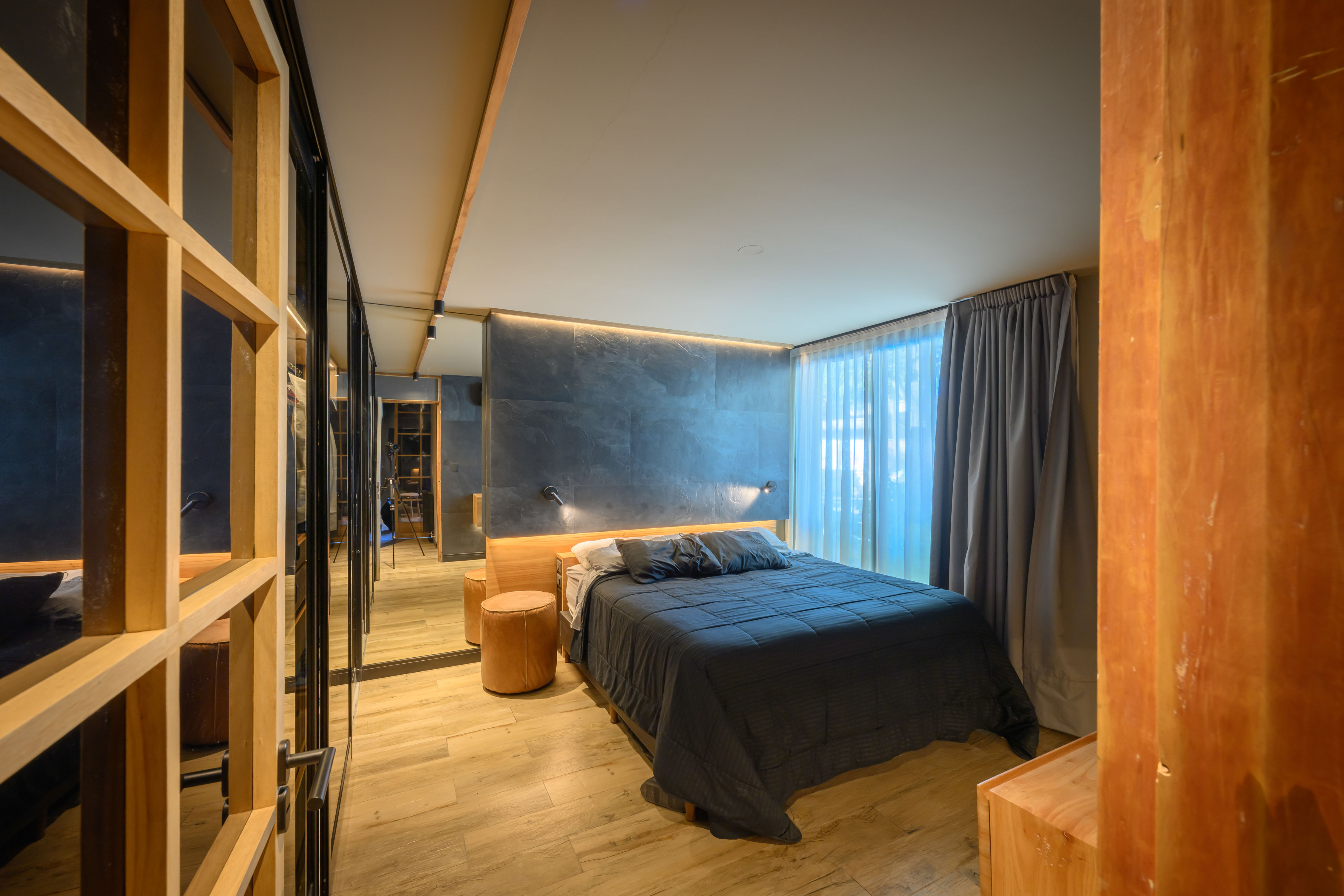
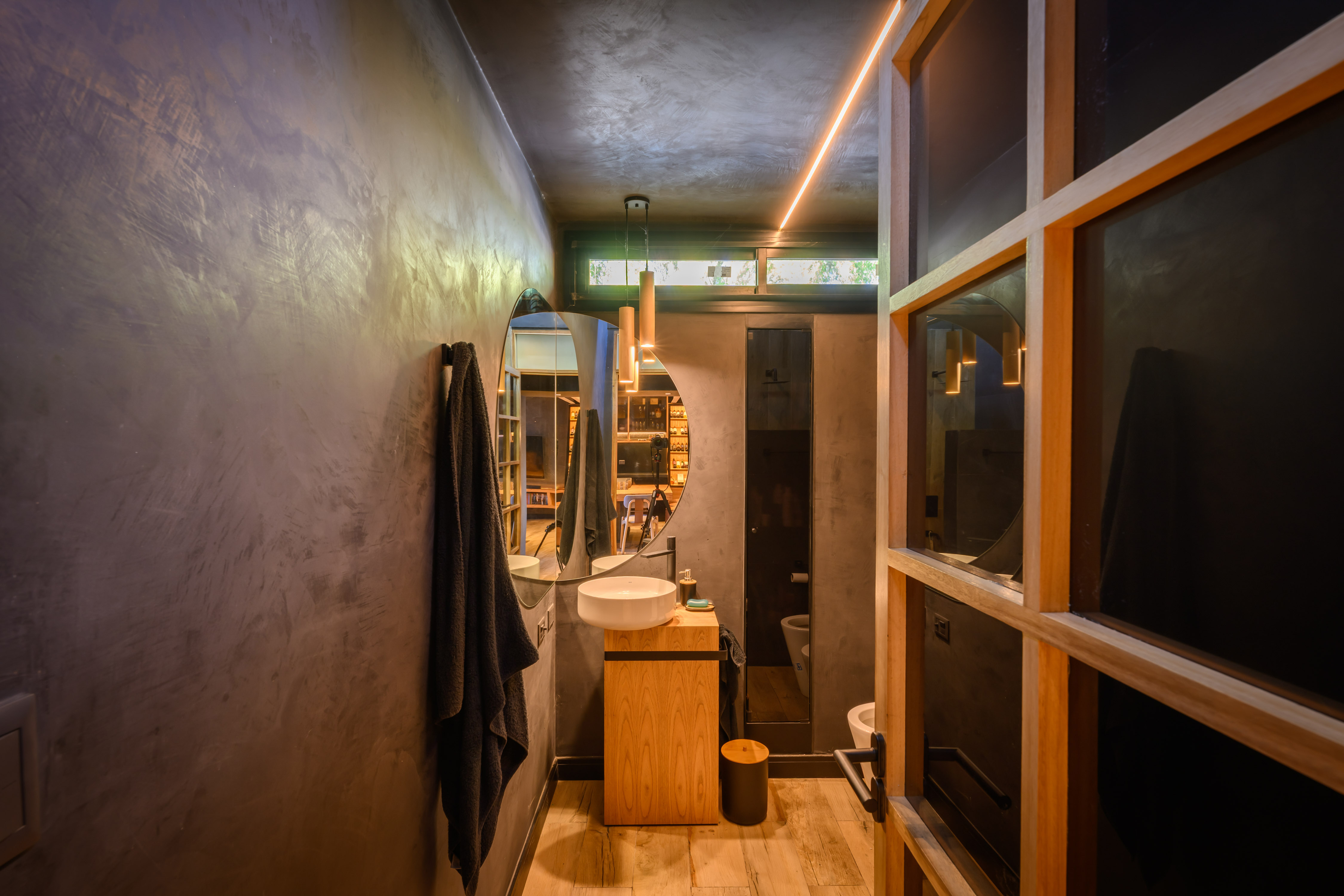
Perhaps the project's most compelling quality lies in the tension created by the suspended brick element, whose deliberately incomplete and almost provisional character challenges expectations of permanence. Brick becomes unexpectedly ethereal, lightweight and mutable, expanding both its symbolic and spatial possibilities. House 1954 ultimately stands as a tribute to a profound understanding of material nature, suggesting that architecture is never a finished condition but an ongoing negotiation between matter, time, inhabitation and context. It is an intervention that balances respect for tradition with controlled irreverence, demonstrating that meaningful innovation emerges not from reinventing materials themselves, but from fundamentally rethinking the logic that governs their use.