The Architecture of Taste – A Night of Spanish Wine and High Architecture by RIVA Spain
"Across Rioja and Ribera del Duero, architecture becomes an extension of the vineyard — sculpted to honor the land, the craft, and the culture of wine"
There is something quietly luminous in the way a building, like a fine wine, reveals its character: shape, material, context. At “A Night of Spanish Wine & High Architecture,” RIVA Spain and AIA Miami invited a group of architects and designers to sip, savor, and reflect on the architecture behind some of Spain’s most striking wineries — all within the gloss and calm of RIVA Spain’s flagship.
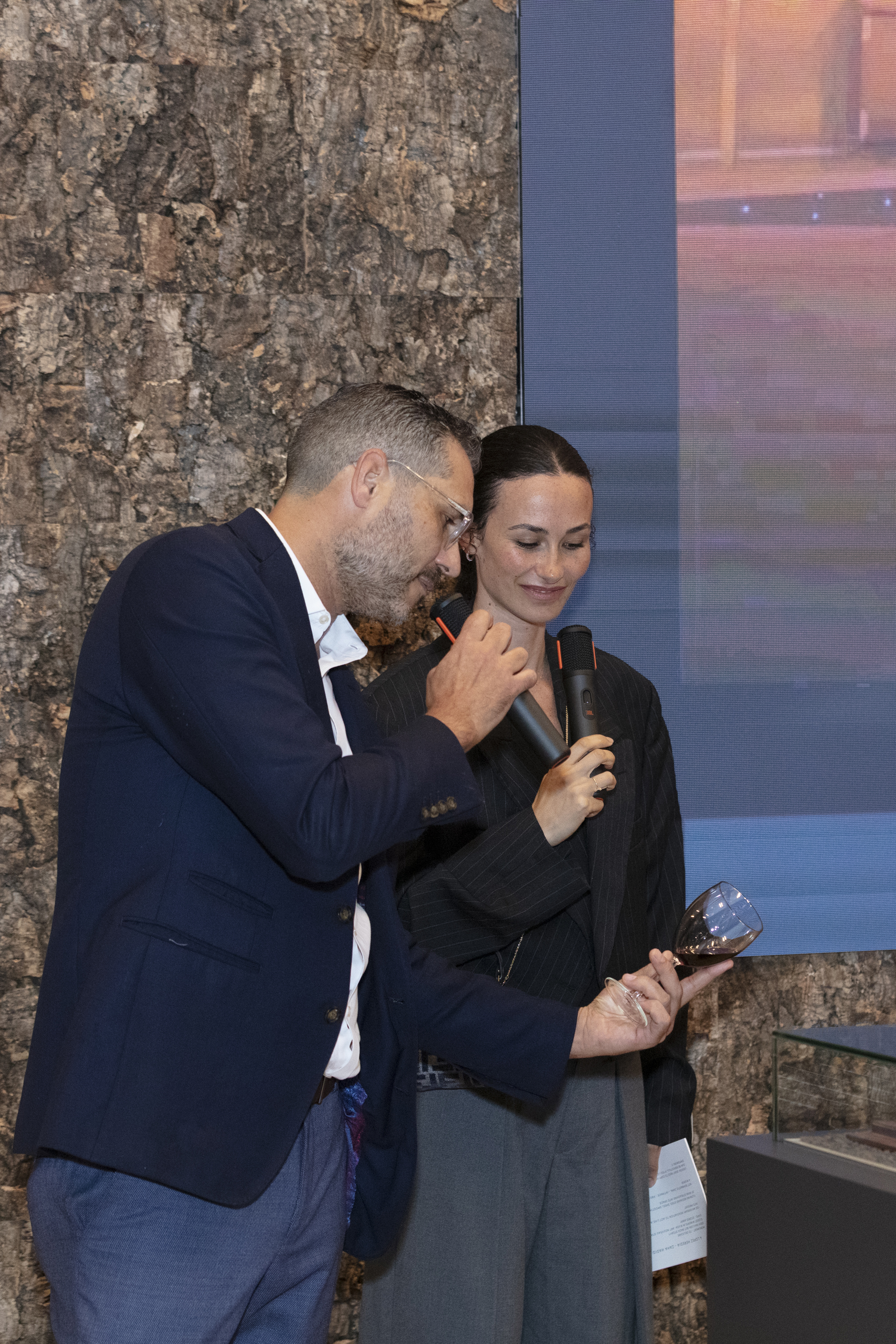
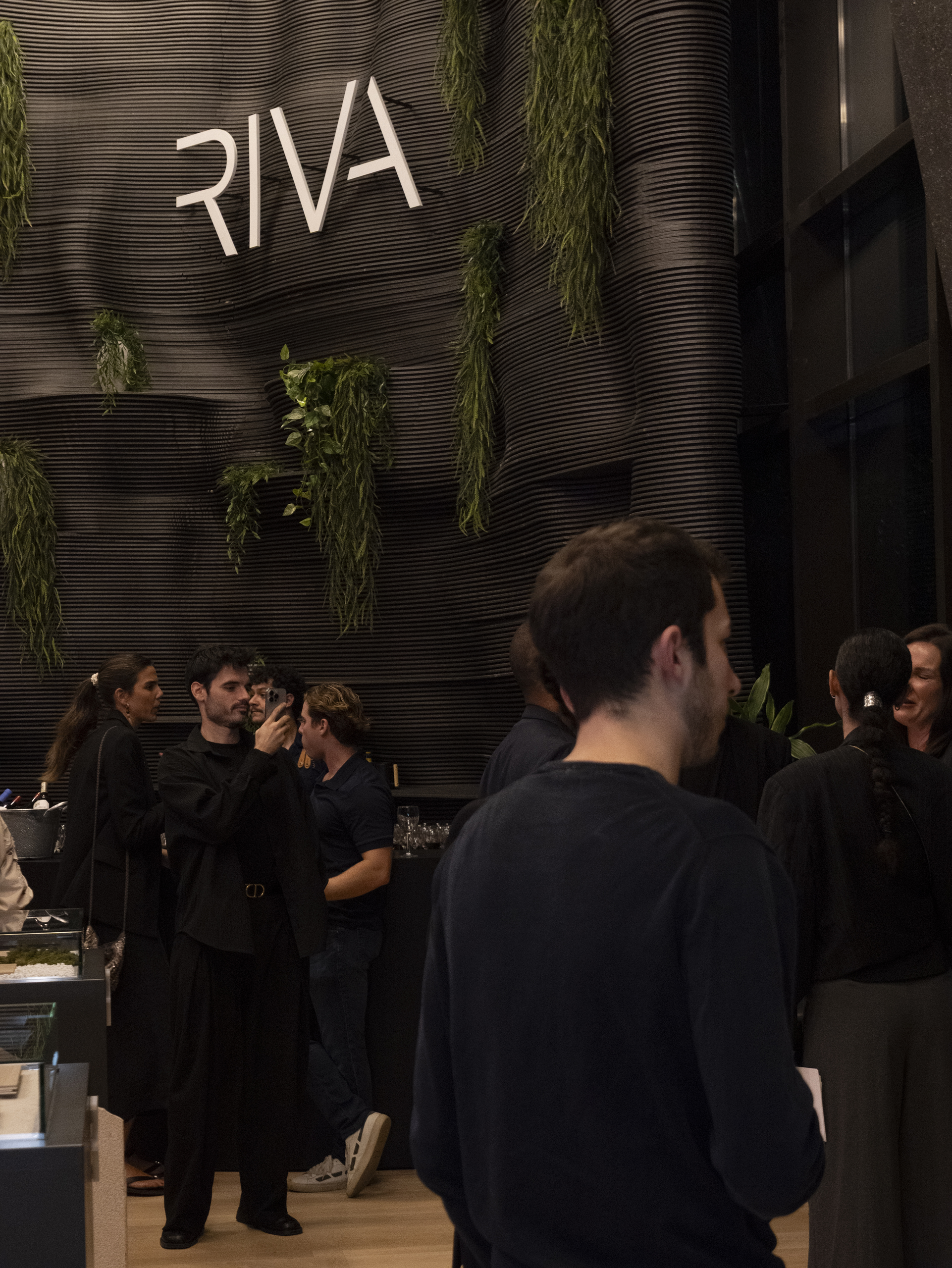
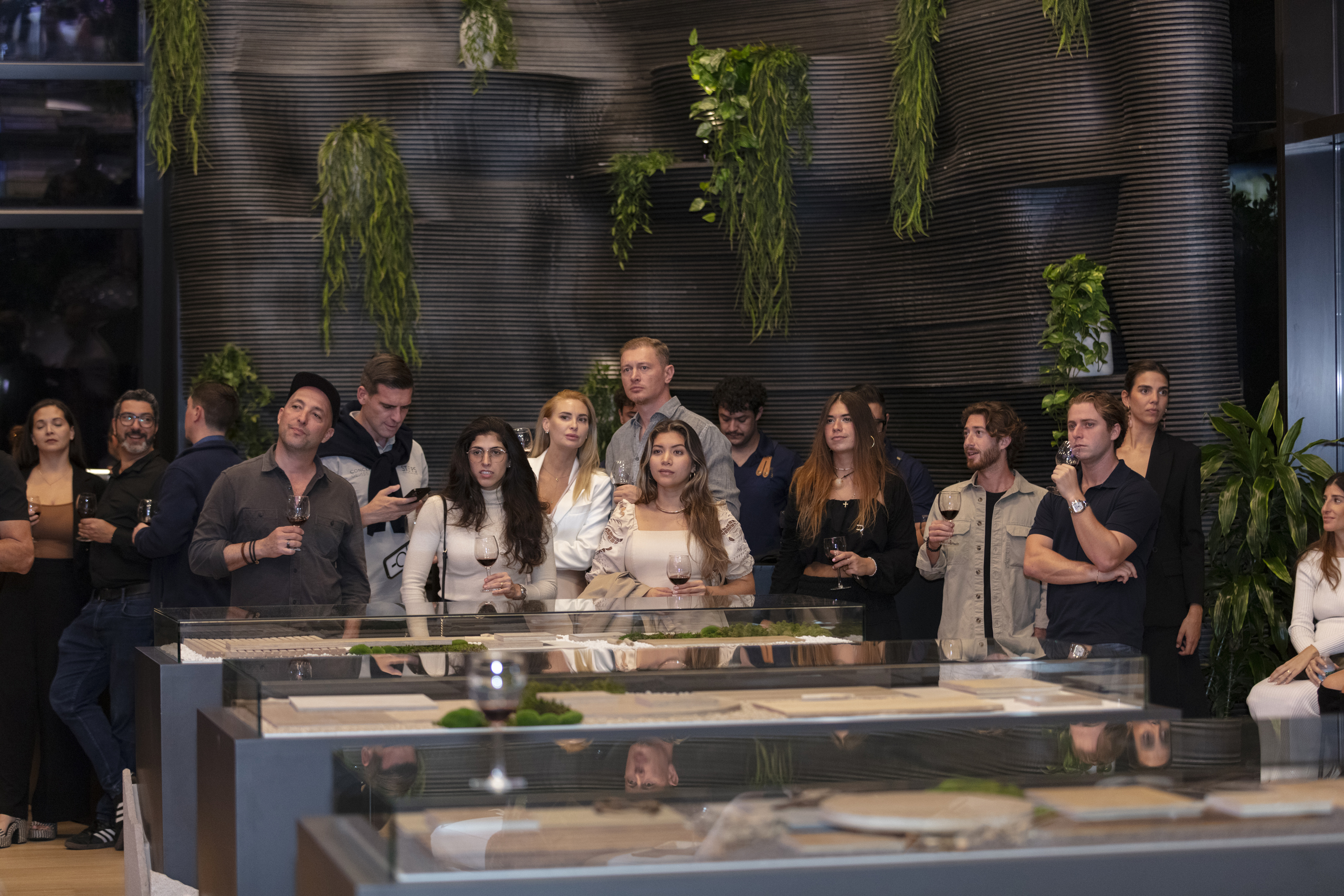
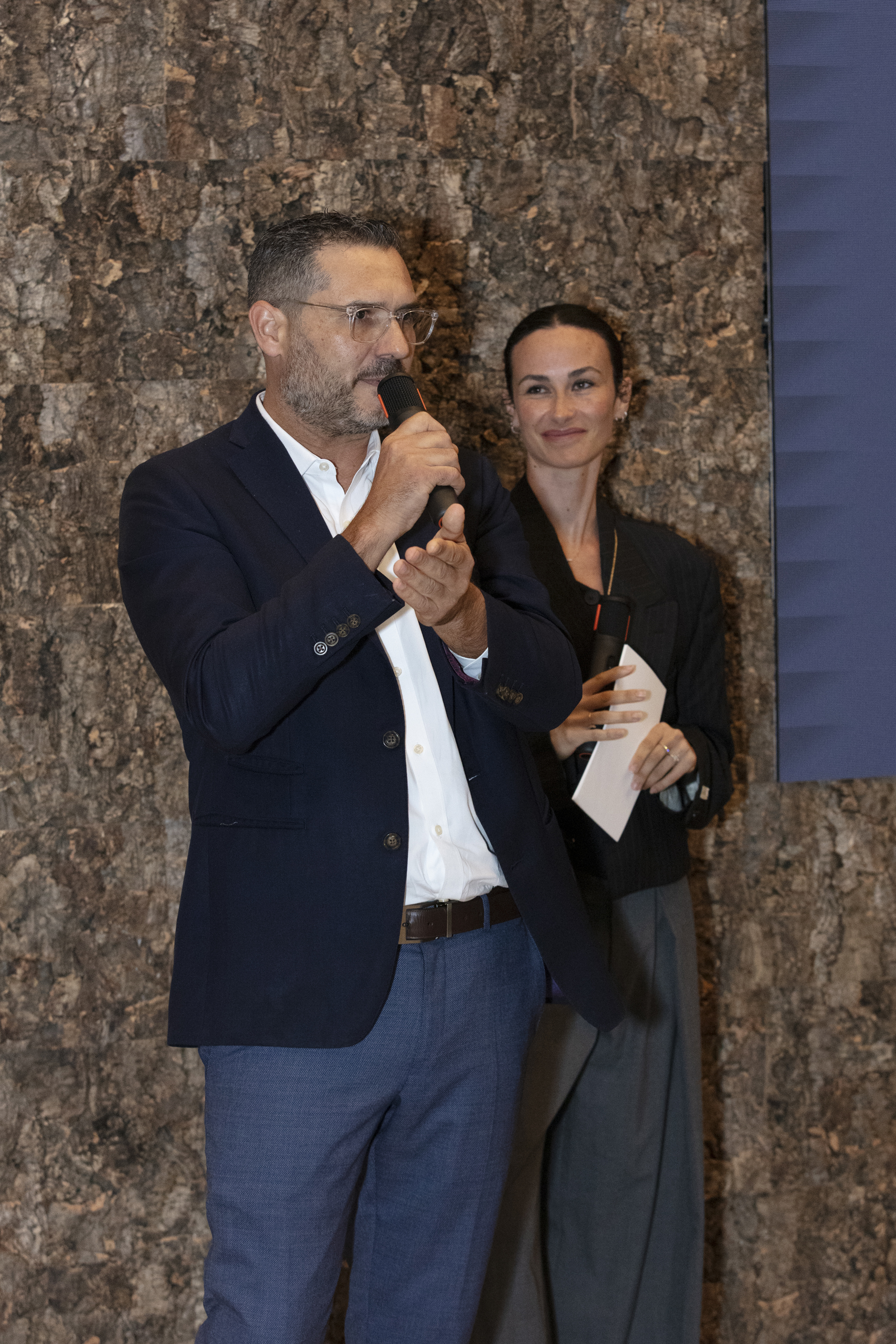
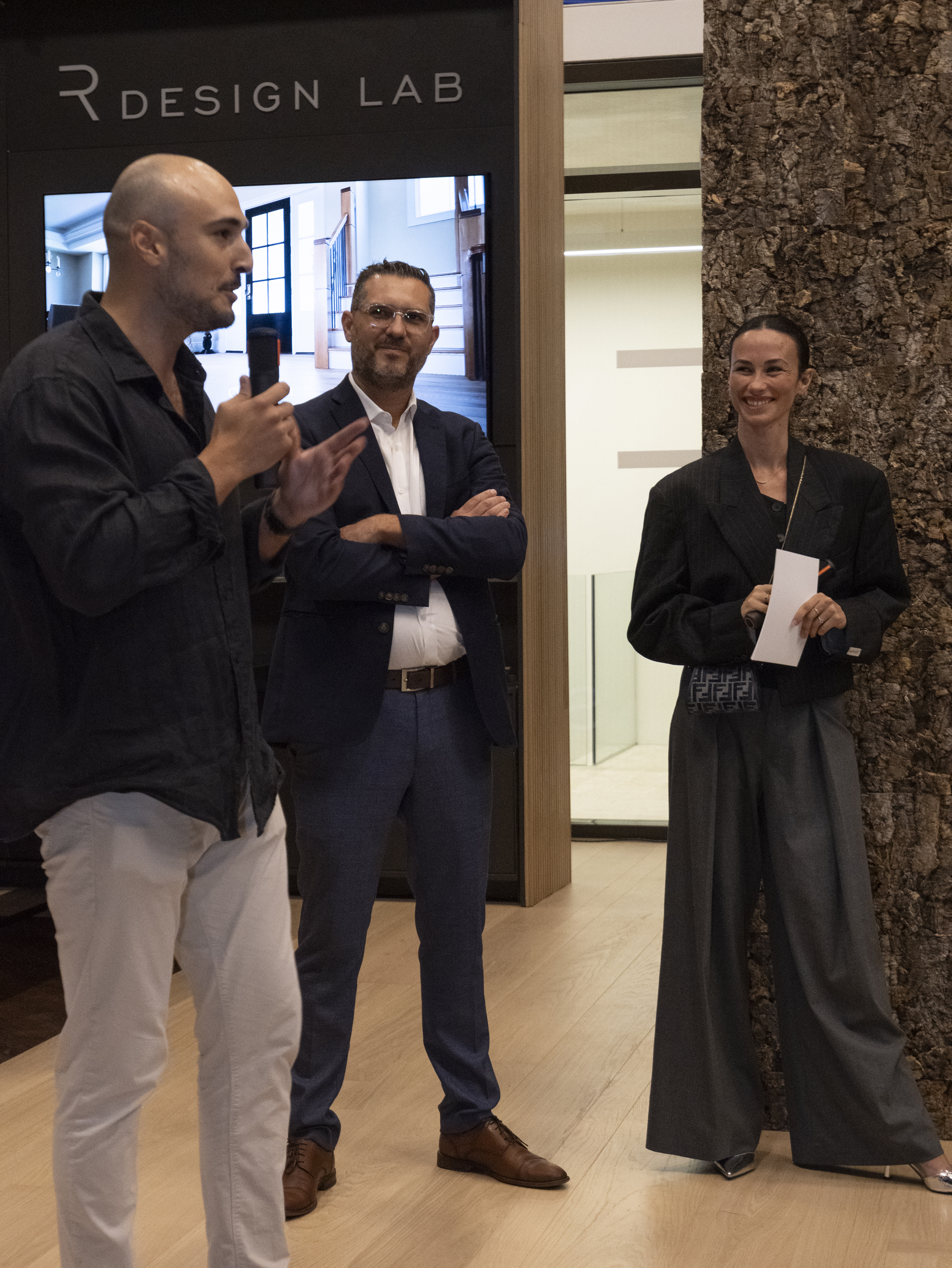
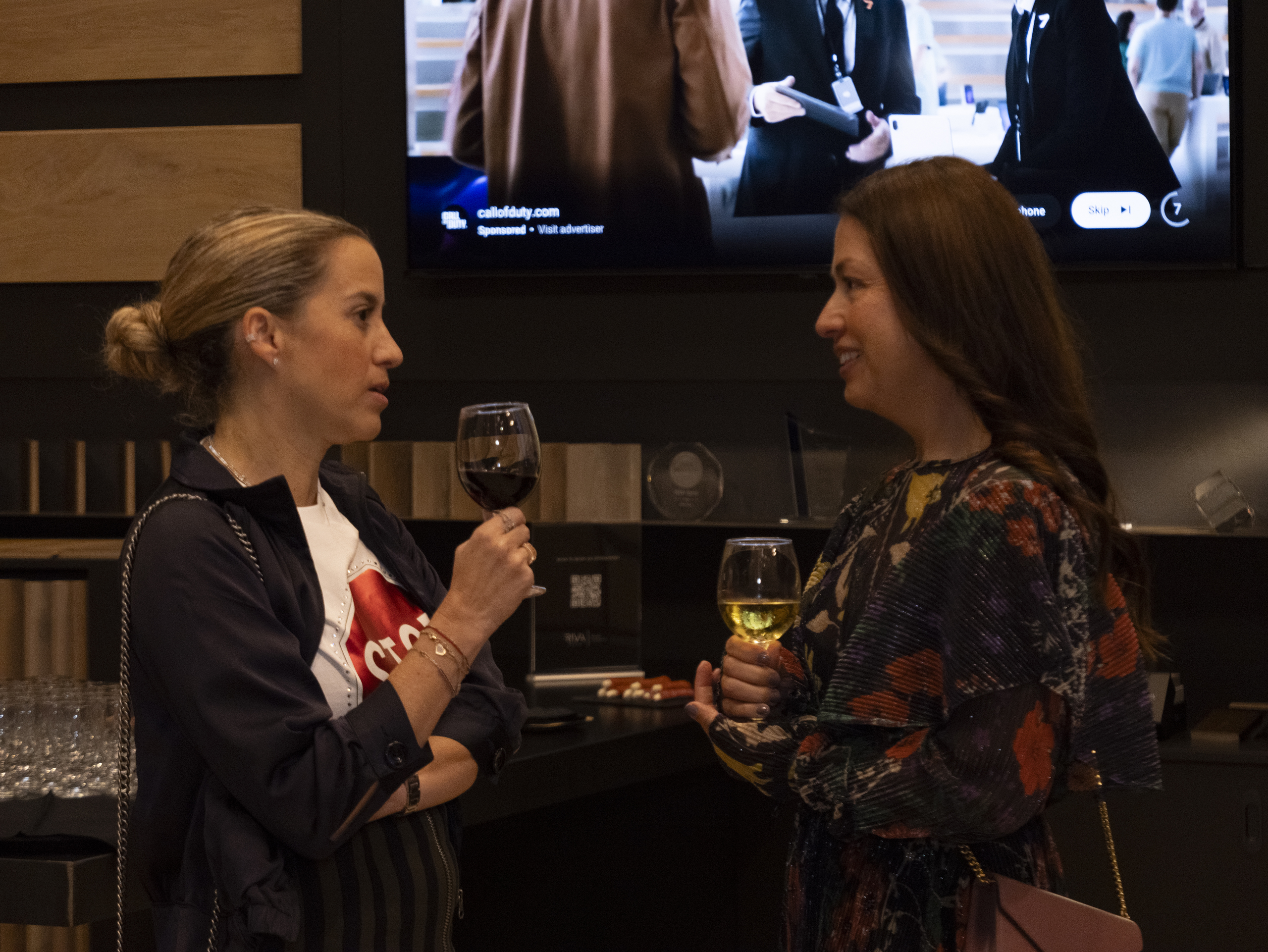
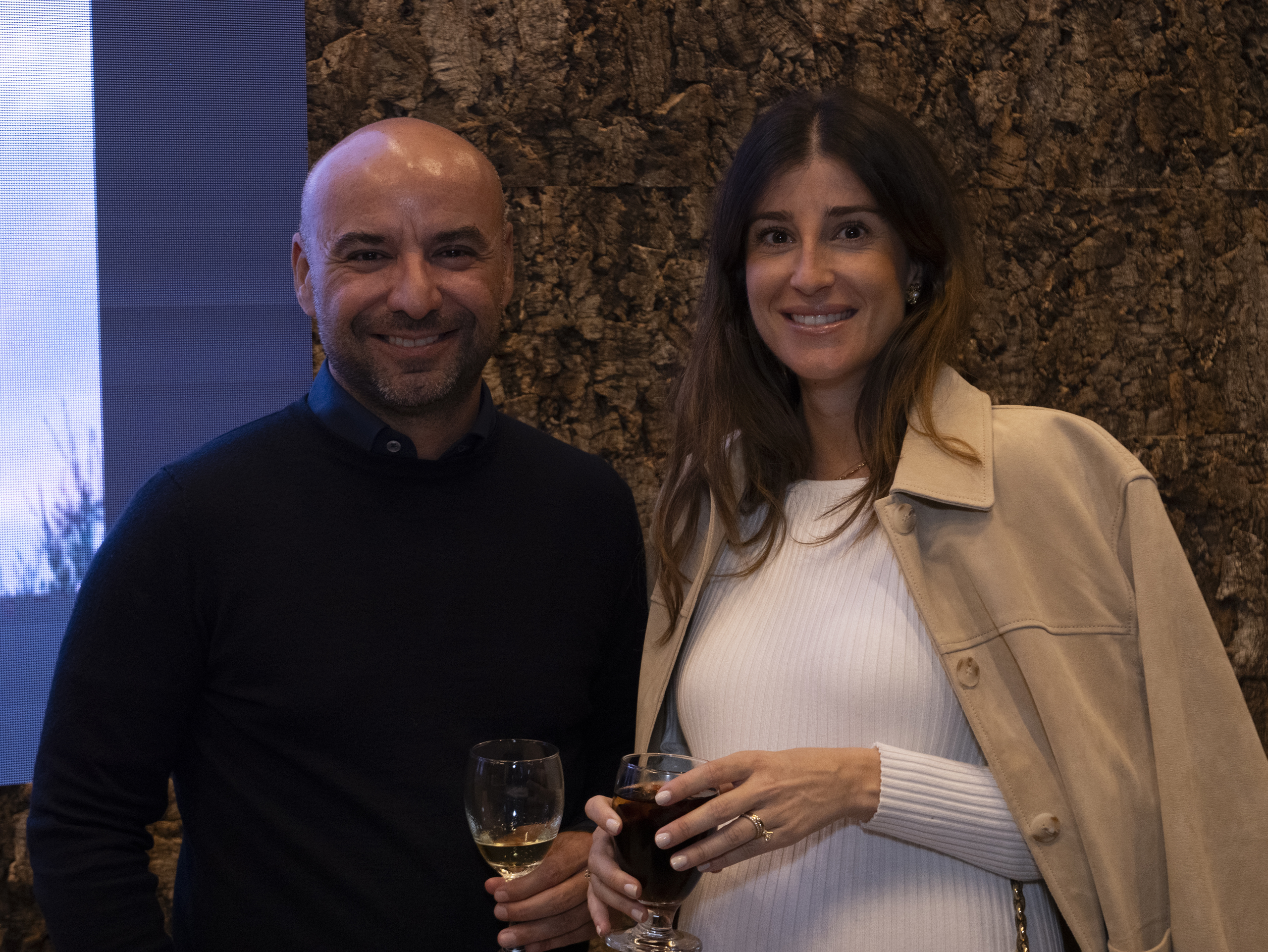
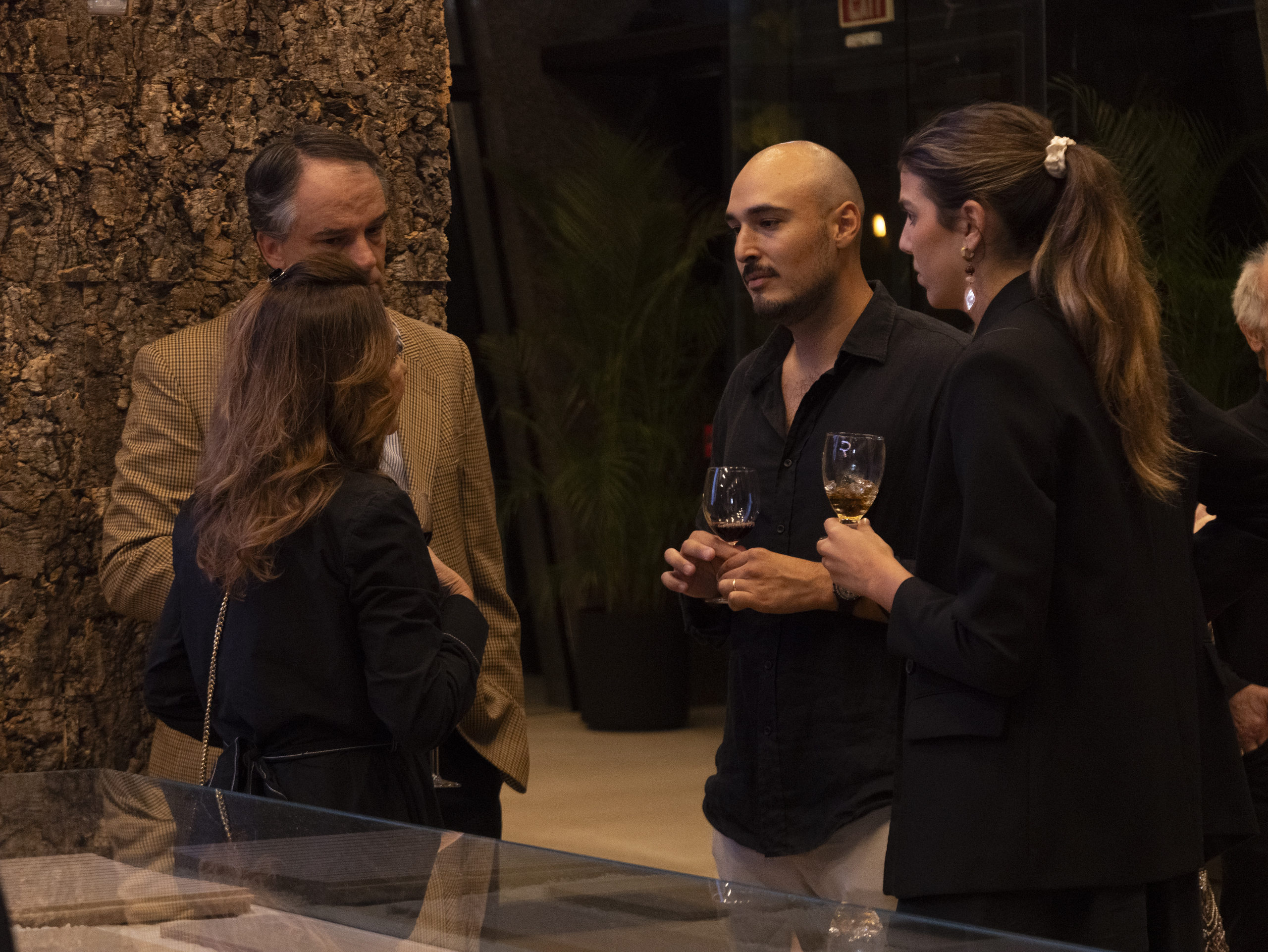
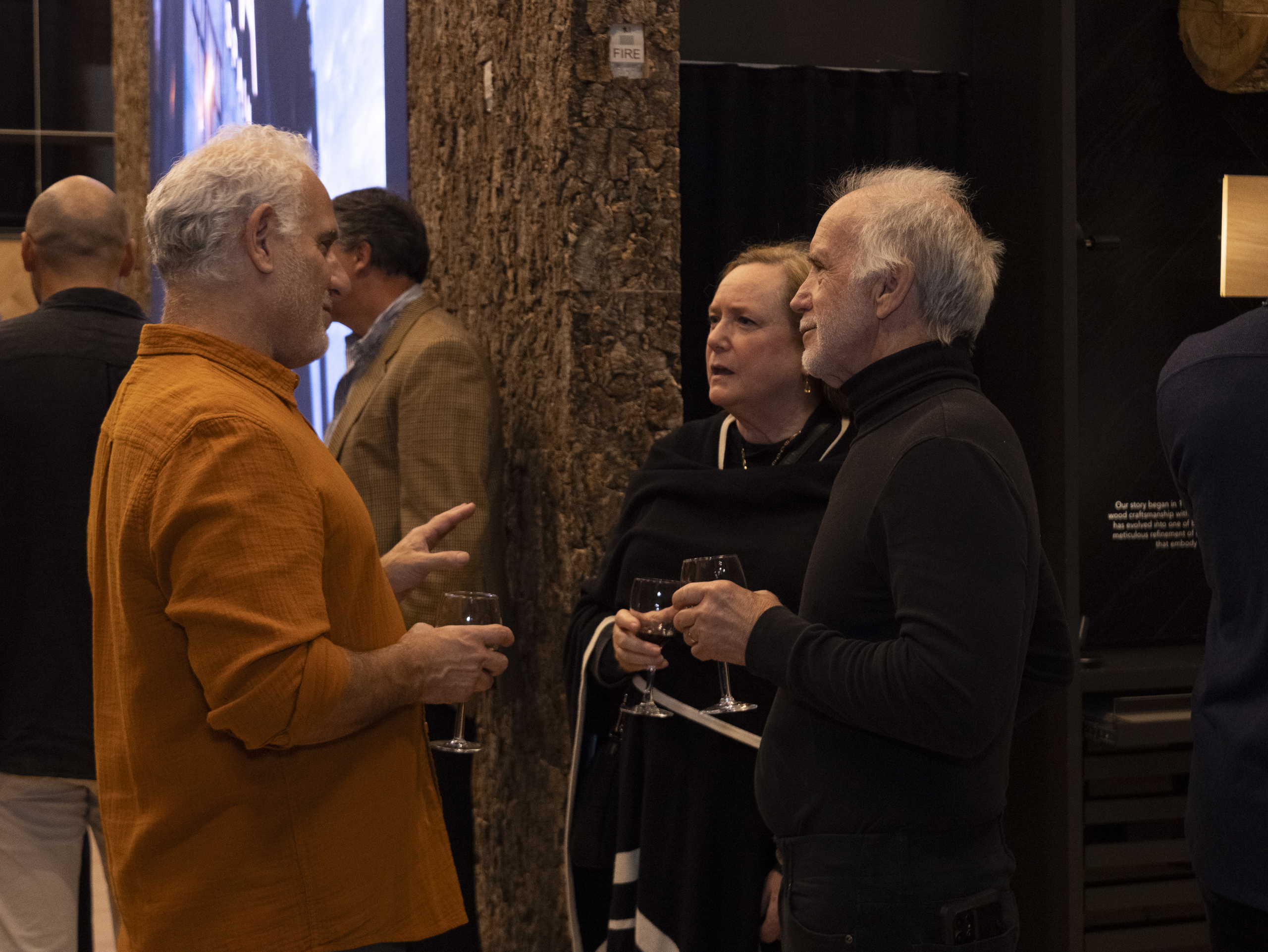
Held at the RIVA Spain flagship in Miami, the event transformed the hardwood flooring store into a true cultural salon. As Flagship Director Juan Reina explained, the purpose extends beyond flooring or finishes: “we really connect with the community, people that truly appreciate and understand culture, design, and push the conversation forward, for luxury and nature.” The twist: the impetus of the evening was wine — but wine as told through architecture. Interior designer Laura Arana, the Spanish-born designer behind the Flagship, introduced this notion with clarity: “Spain treats wineries a little more as a cultural movement.” Having lived in Miami for many years, she highlighted how the evening would “go through the most spectacular wineries” and their buildings. This is no accident: regions like Rioja and Ribera del Duero have attracted world-renowned architects to design wineries that function as both production facilities and sculptural landmarks. On the wine side, sommelier Miguel Martínez framed the pairing thus: “The idea tonight is to make this match between the architecture of the wineries … and talk about how this pairing is going to be enjoyed by our guests with the amazing wines from Rioja … then … move to Ribera del Duero.” The materiality of wine meets the materiality of design: wood barrels, oak casks, limestone walls — surfaces that age, patinate, resonate.
Let’s consider one exemplar: the Bodegas Ysios in Rioja Alavesa, designed by Santiago Calatrava and inaugurated in 2001. Standing against the Sierra de Cantabria mountains, the building’s long, linear plan (196 m × 26 m) strictly aligns with the winemaking process. Two concrete load‑bearing walls trace a sinusoidal, undulating shape that is mirrored in the aluminium‑clad roof. The cedar‑wood slat façade recalls wine barrels, and the shallow reflecting ponds at the base amplify the roof’s shimmer.
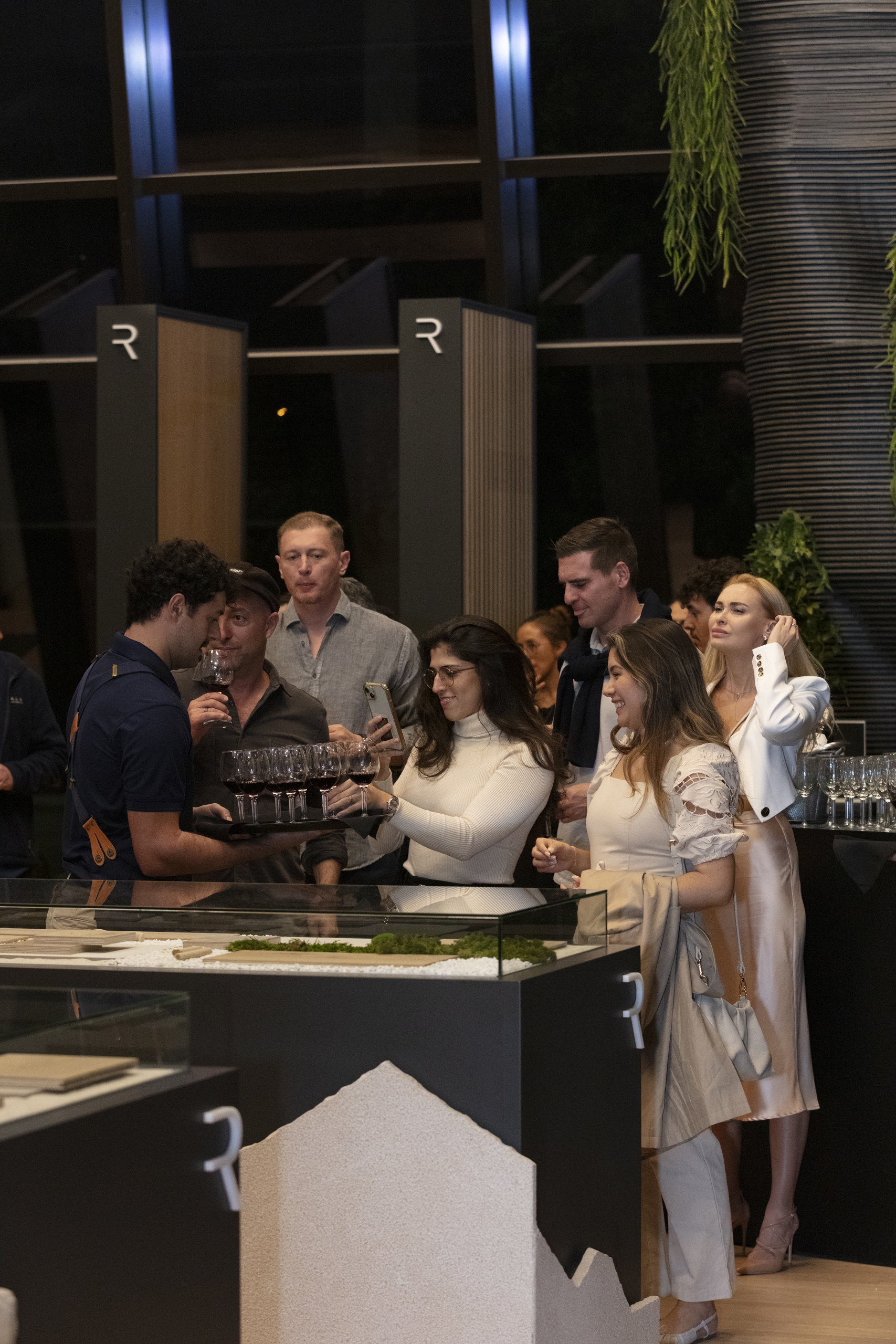
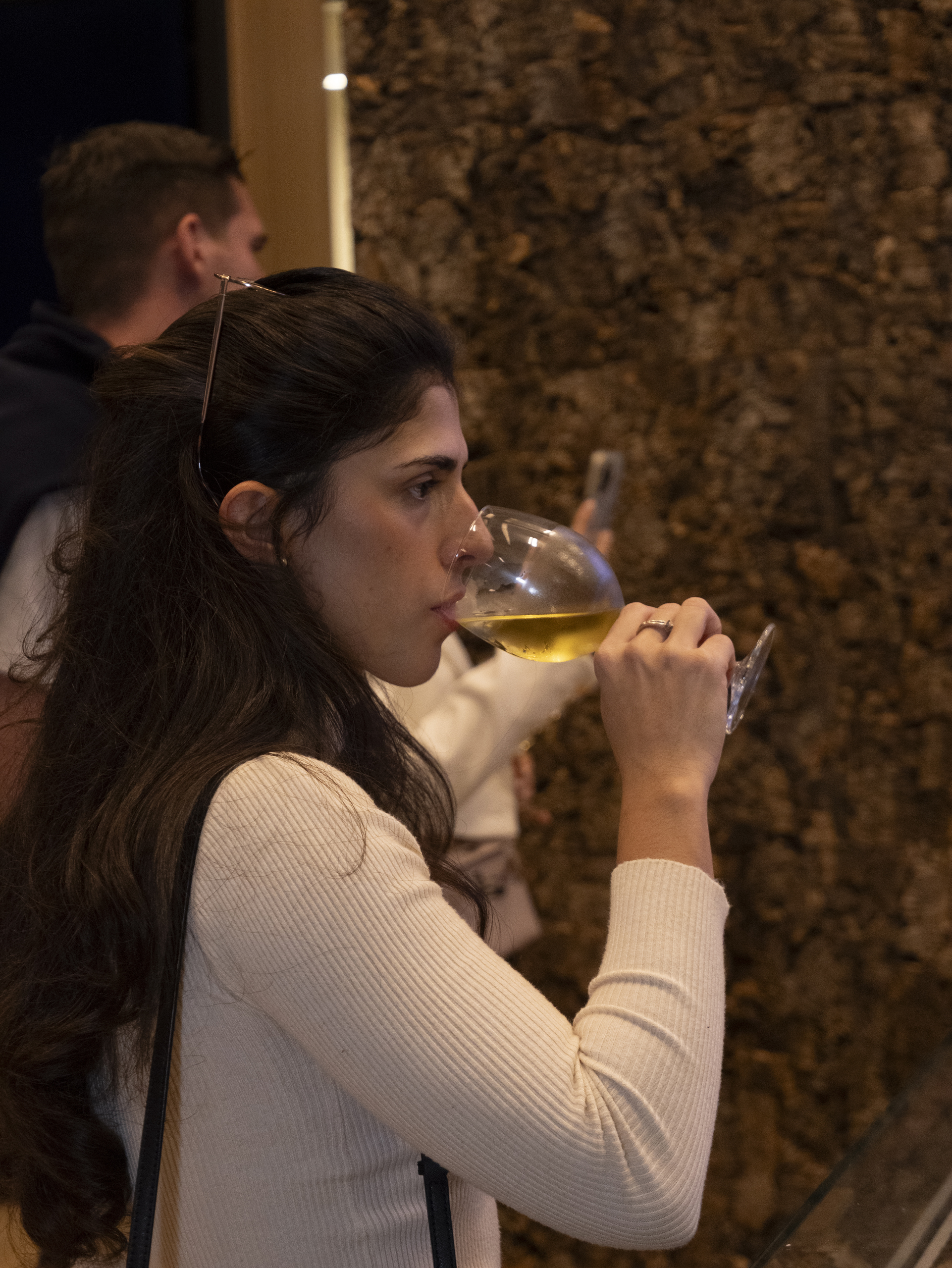
This is architecture that doesn’t just sit in the vineyard — it emerges from it, echoes it, honours it. The material palette of wood, aluminium, concrete, glass invites a tactile and visual conversation: from the warmth of timber to the cool glint of metal; from the robust concrete walls to transparent vistas of vine and sky. In the store context of RIVA Spain, this conversation is mirrored: natural woods, planks, stone finishes all speak to designed materials that evoke nature while conveying luxury. Sustainability too emerges in these winery‑architectures: thoughtful use of orientation, thermal mass, and natural light. While the event’s setting in Miami emphasized material luxury, the deeper message is how design roots itself in place, climate and craft.
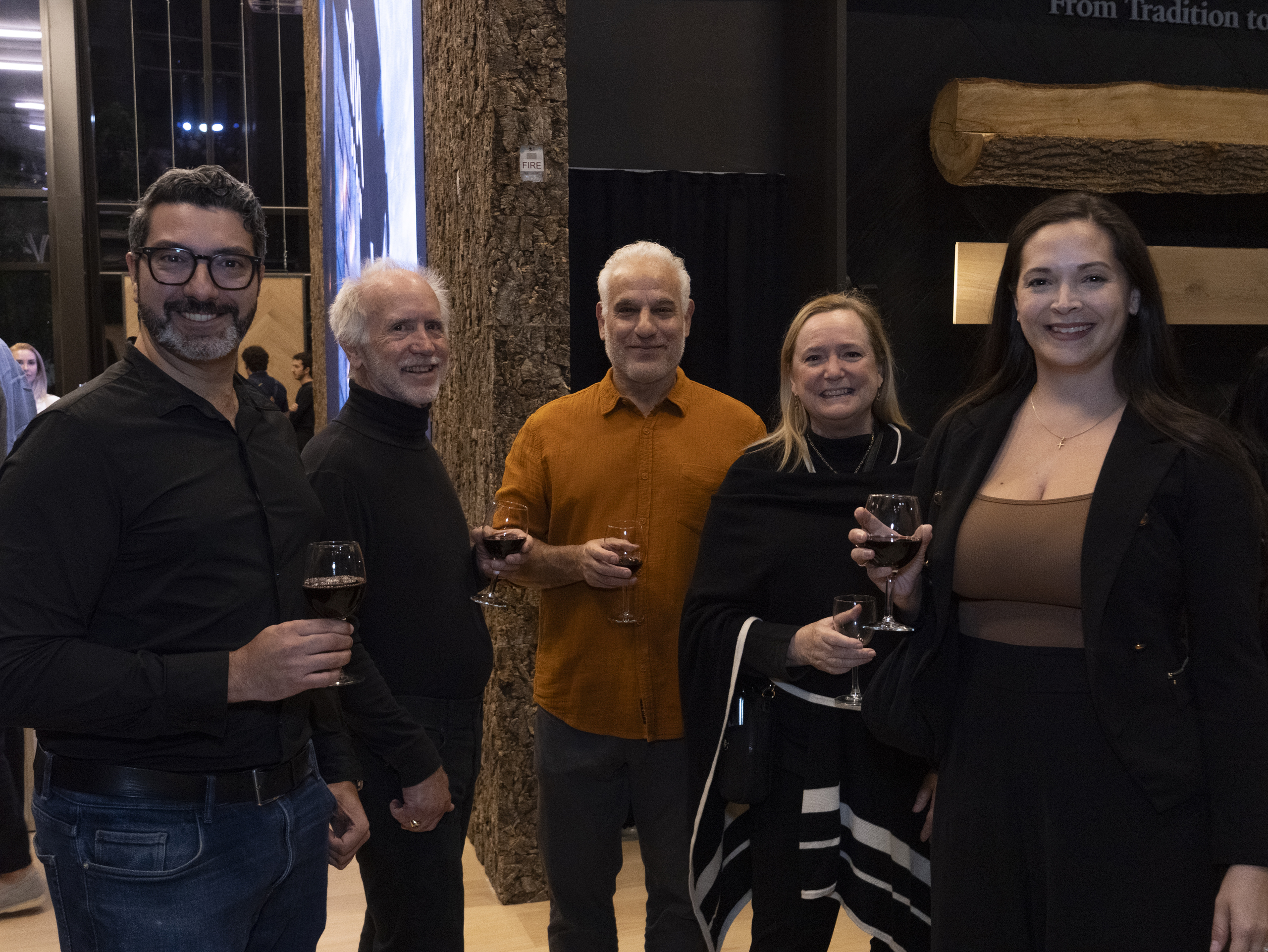
"When design draws from soil, grape, and tradition, each space becomes not just a building, but a vessel for memory and meaning"
In the current moment, architecture is increasingly about experience and story: not just building a box, but creating a stage for senses, memory and interaction. The pairing of wine and architecture exemplifies this: the vineyards, the barrel‑rooms, the building itself become part of the brand, the visitor‑journey, the identity. The event honoured that trend. Looking ahead: such events — where design firms, craftsmanship and hospitality co‑mingle — will only grow in importance. For Miami’s design community, the RIVA Spain’s Miami Flagship becomes not just a retail venue, but a cultural hub. For architecture lovers, the Spanish wine‑architecture example offers lessons in how materiality, site and narrative converge. It reminds us that luxury is not just a price‑point, but a sensorial, spatial and contextual proposition.
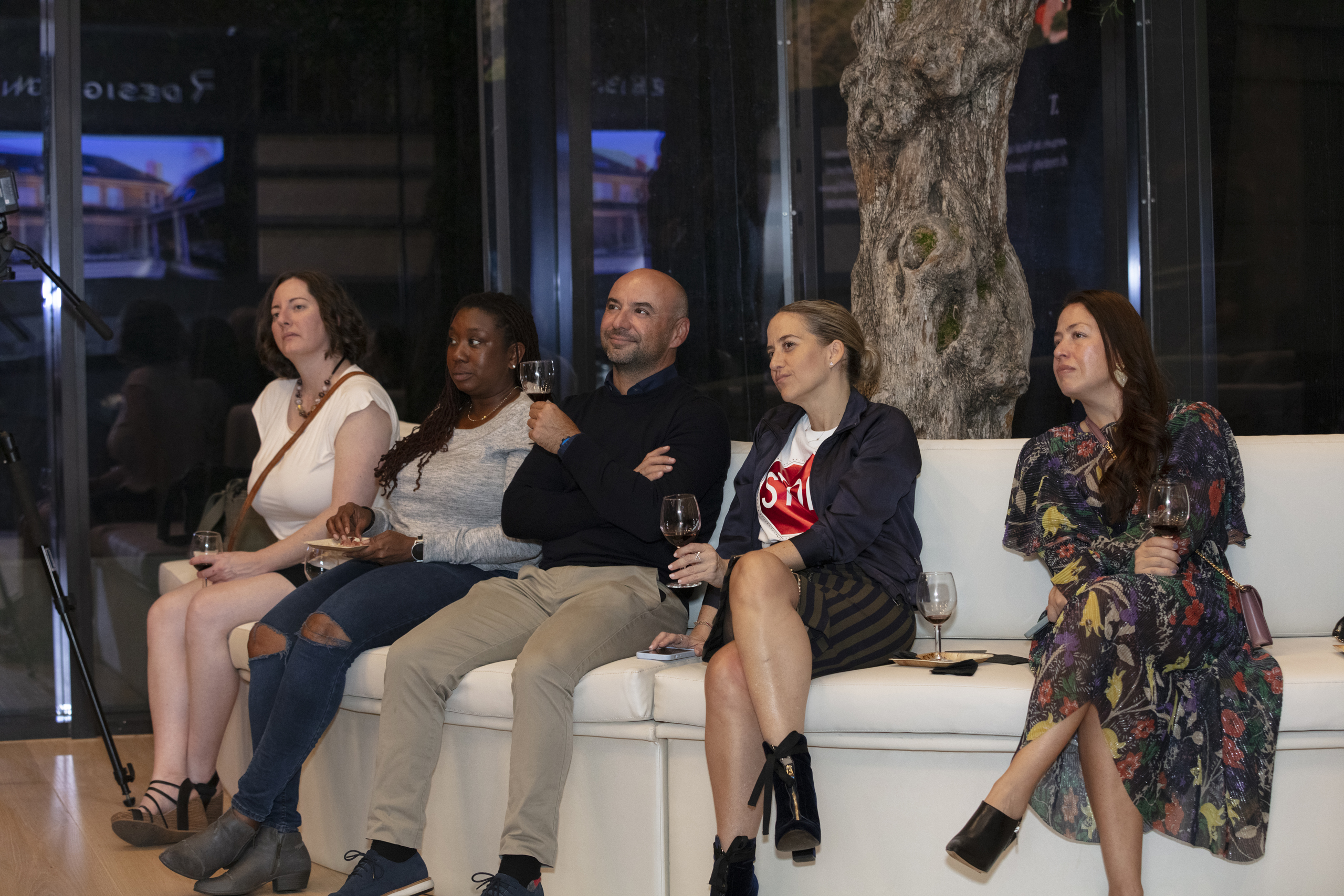
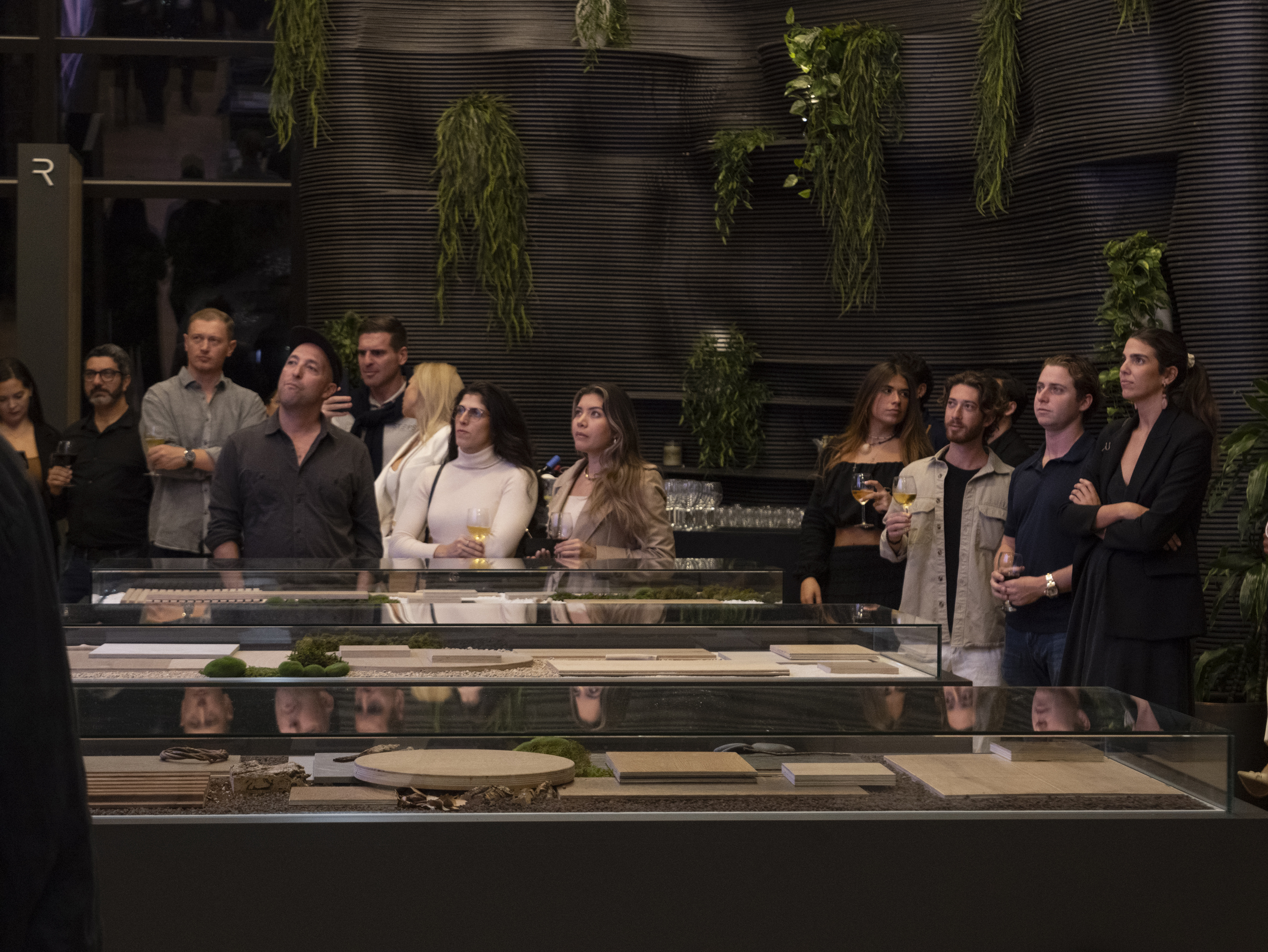
Eduardo Calil (of Calil Architects) emphasised the role of natural materials in contemporary architecture: “As an architect in the city of Miami, we absolutely love to use natural materials such as RIVA’s wood … With contemporary architecture, using natural materials, natural stones, natural woods … actually softens certain architectural work and adds a certain flair.” His testimony underscores how a material like RIVA’s wood flooring becomes more than finish—it becomes narrative, connection, texture.
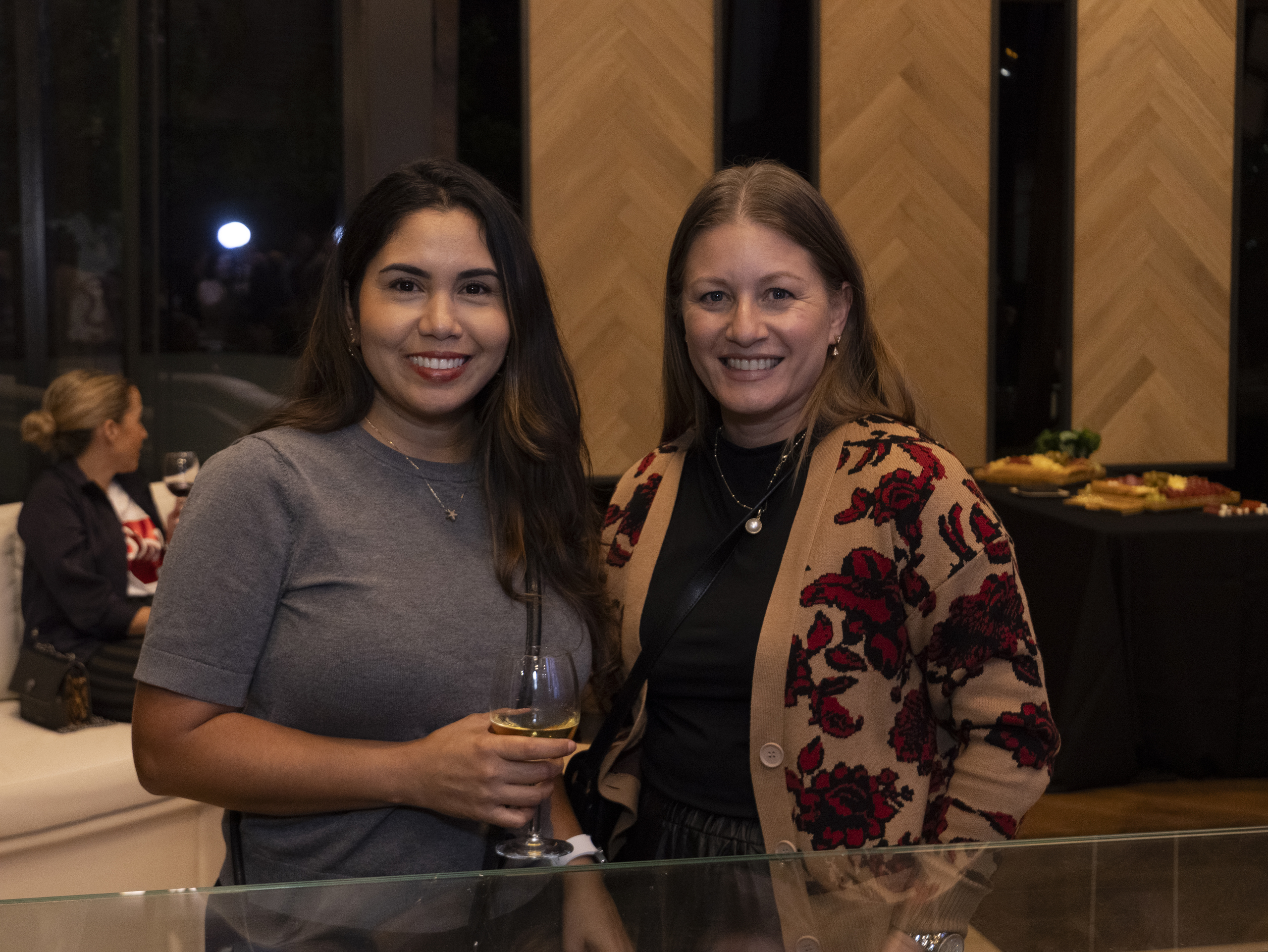
By linking this to the architecture of wineries — where wood barrel metaphor, linear process, and site‑sensitive design converge — the evening elevated what could have been a simple tasting into a rich, layered experience: architecture table‑side. One might draw parallels: the iconic Bodegas Portia in Ribera del Duero, designed by Norman Foster, uses a tri‑point star plan, steel‑glass‑wood materials, and integrates into the plateau landscape. The building becomes as much part of the wine as the grapes themselves. For attendees in Miami, the ambient layering of natural wood flooring, soft lighting, fine Spanish tapas and Rioja reds established a subtle but potent architecture of hospitality: the store was transformed into a vineyard‑story telling space.
As Laura Arana said: “We’re going to go through the most spectacular wineries … Spain treats wineries a little more as a cultural movement.” Indeed — this evening affirmed that architecture, wine, and design culture are increasingly entangled. In closing: the event reminded us that design is not an end in itself, but a bridge between craft and experience, between vineyard and visitor, between material and memory.