Shaping Tomorrow – Future Design & Architecture by Cosentino City Miami
Published
"Design is no longer simply about aesthetics—it is about intention, memory, and the joy of creating spaces that evolve with life"
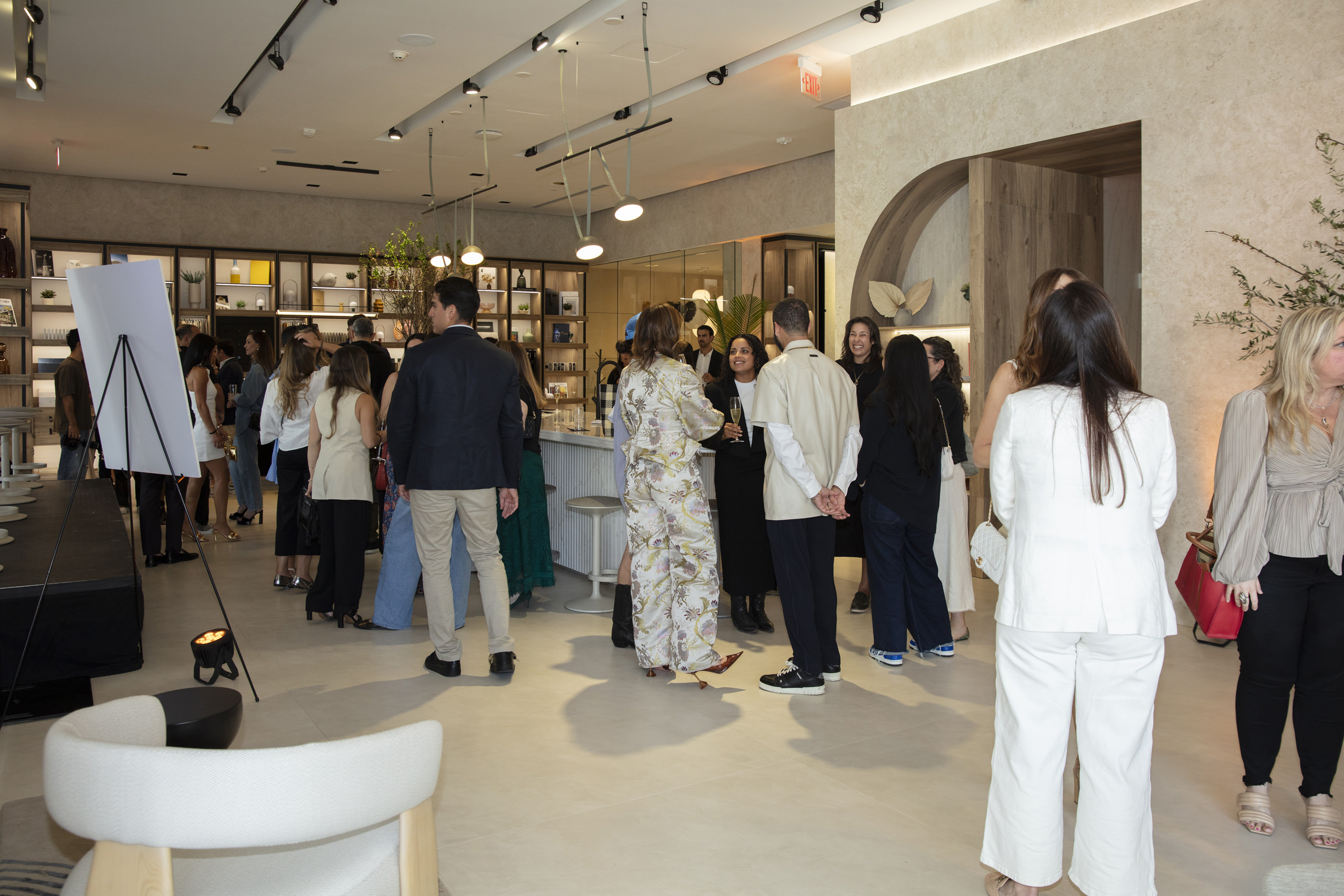
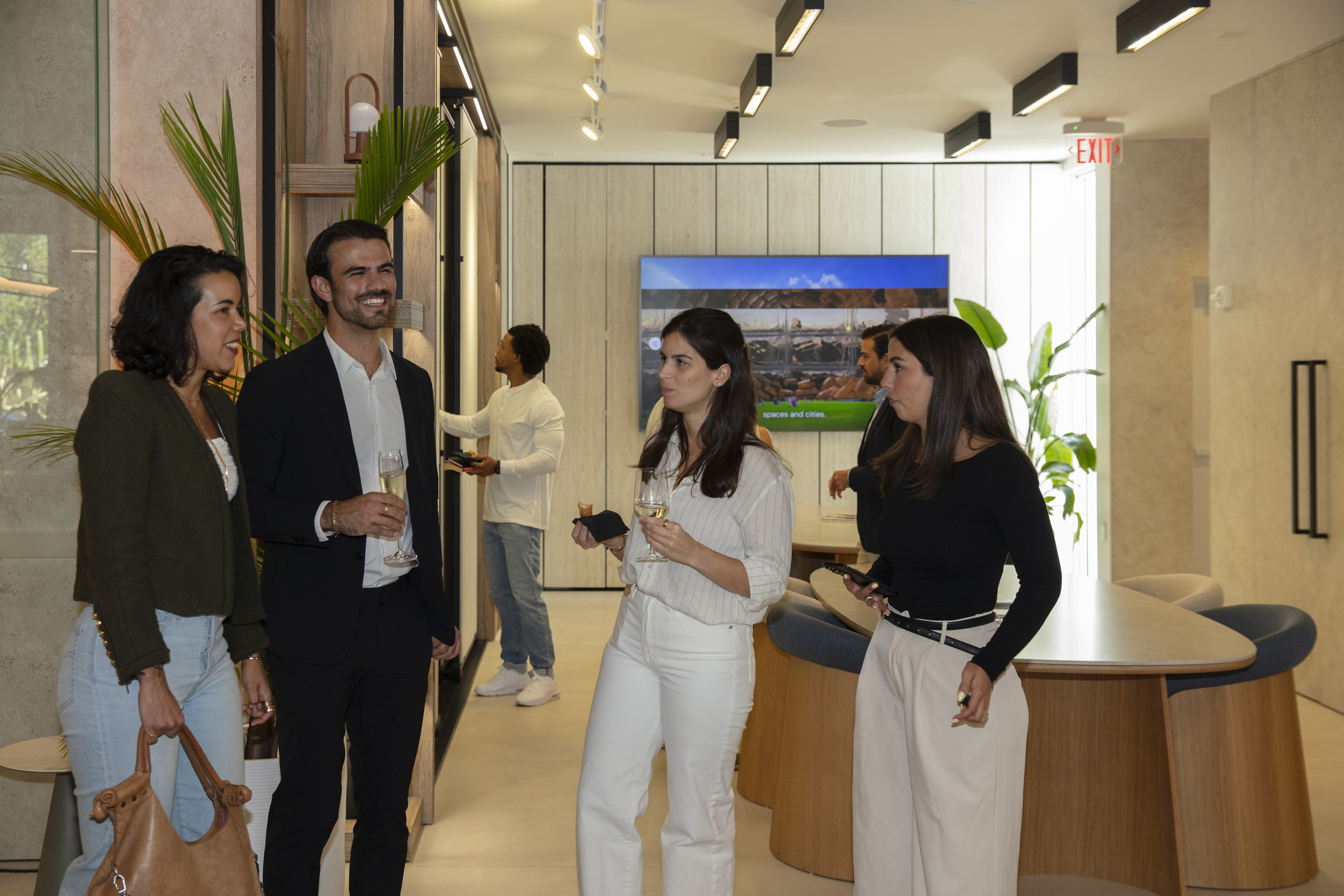
It was a night charged with warmth and vision, where the future of design was framed not merely as a response to trends, but as an evolving dialogue between culture, craft and community.
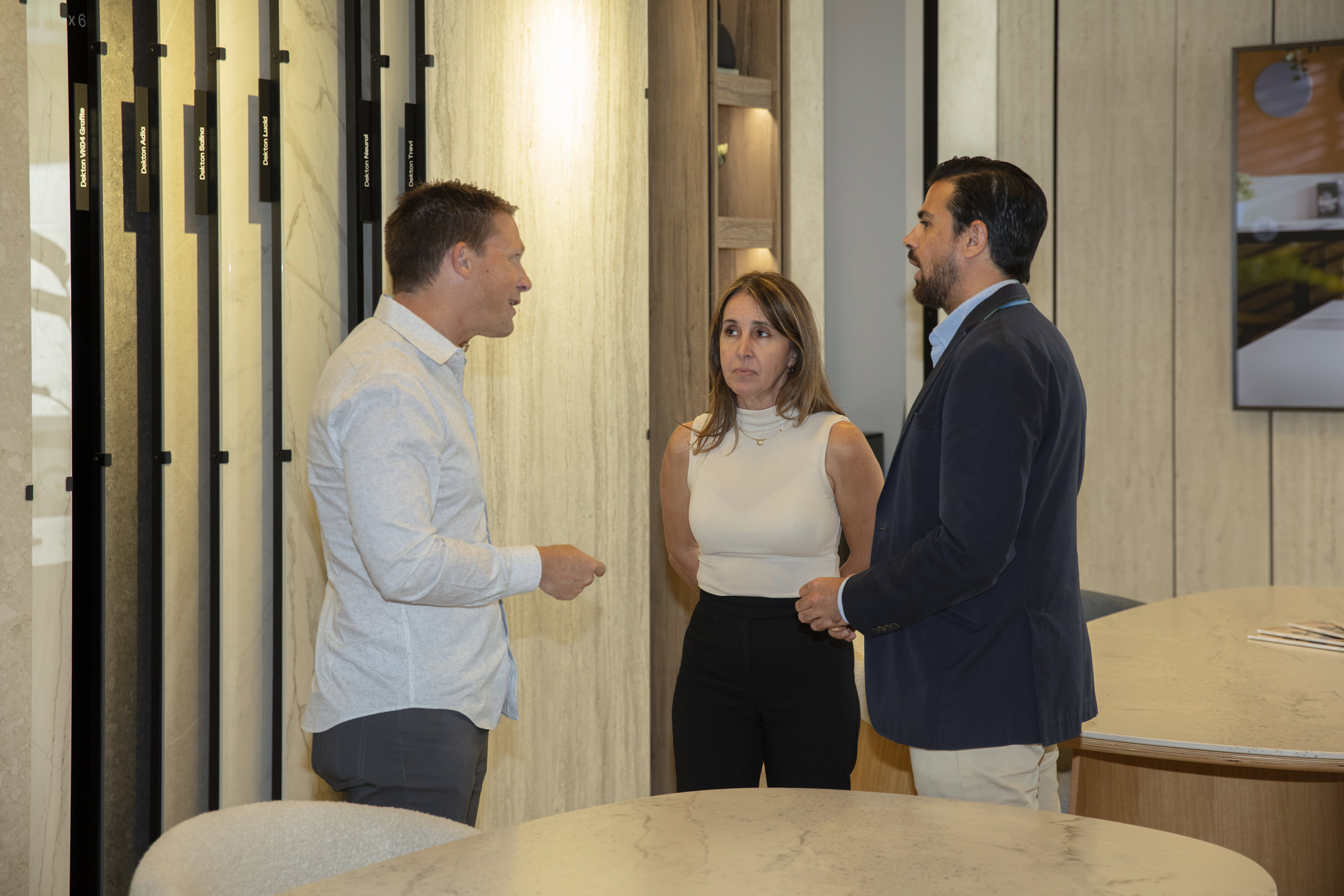
The evening at Cosentino City Miami was more than a trend report launch—it was an intimate exploration into how design is navigating the complex terrain of sustainability, cultural roots and emotional wellbeing. Moderated by Modern Luxury Interiors editor-in-chief Jesse Bratter, the panel featured Carla Guilhem, Rodrigo Albir, and the dynamic duo behind Moniomi Design, Monica Santayana and Ronald Alvarez. These were voices at the forefront of redefining space—not as static, but as sensorial, evolving and deeply personal.
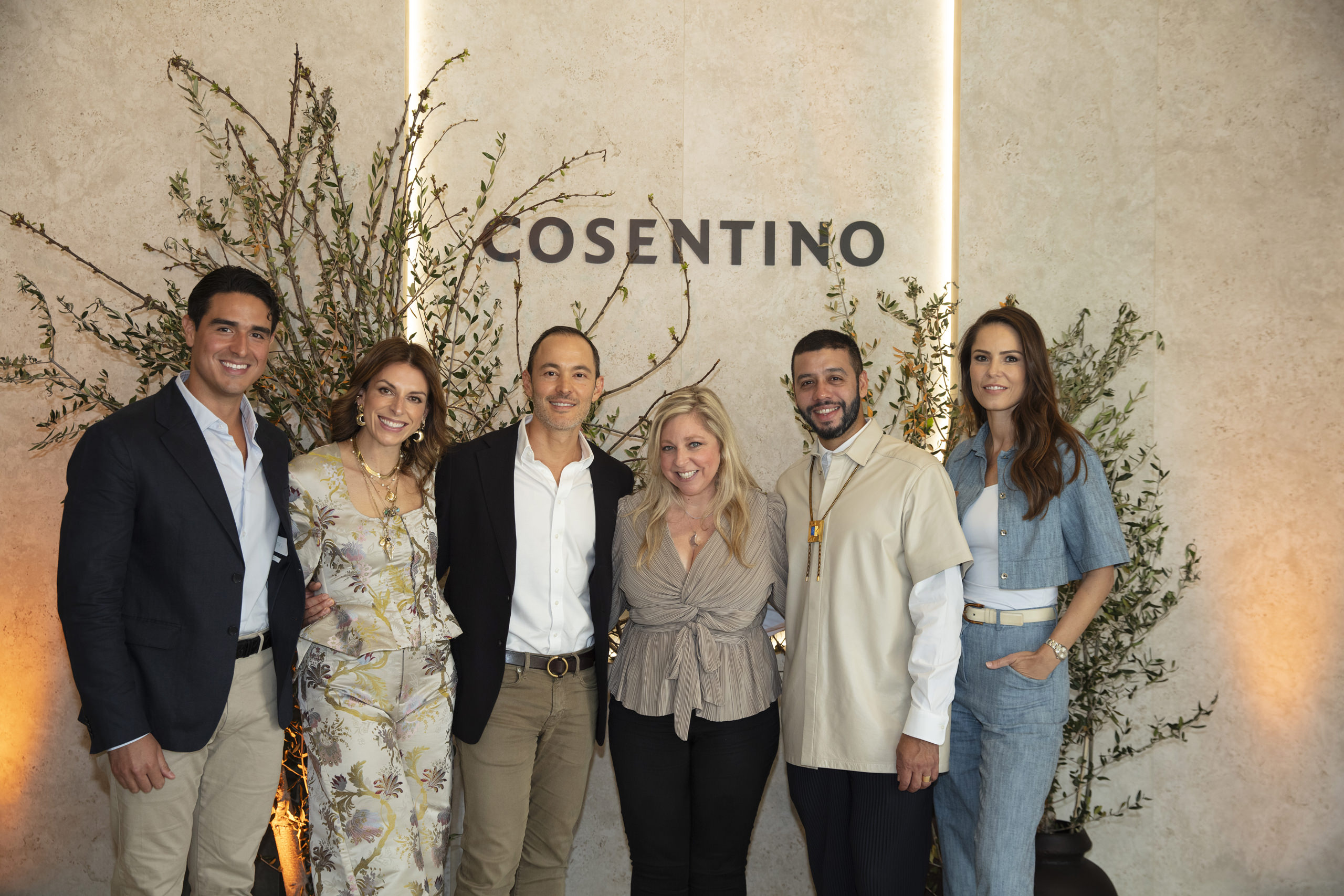
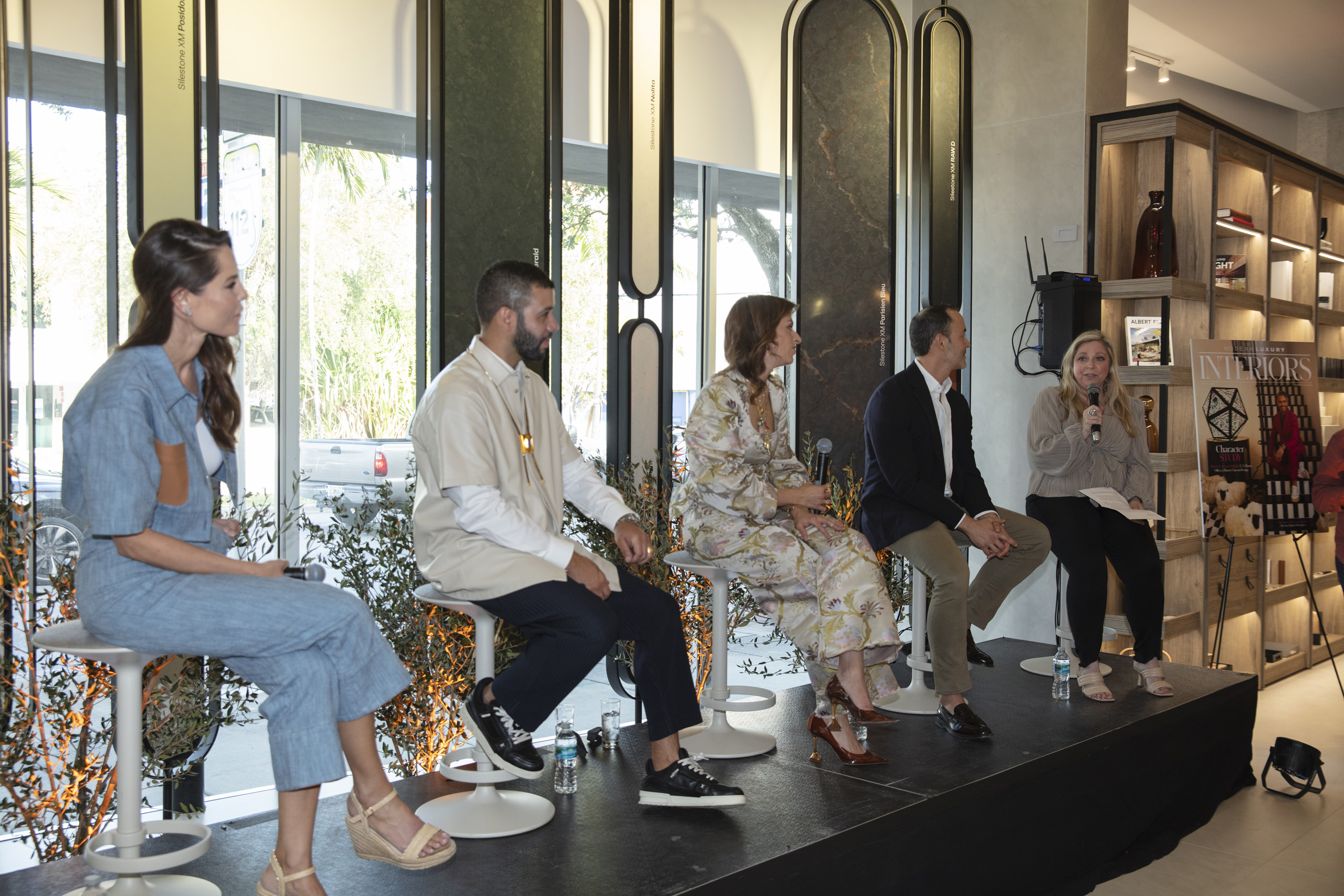
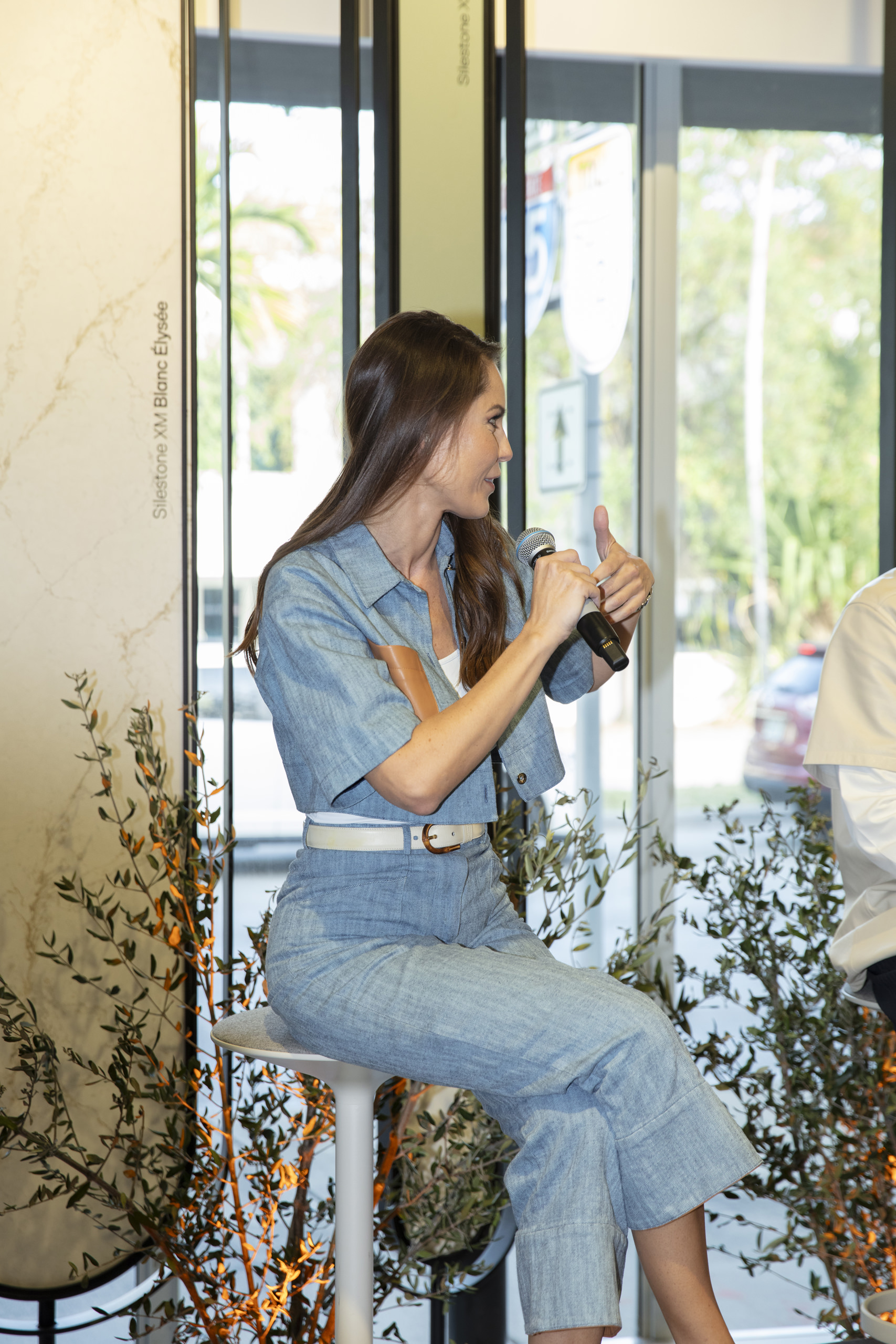
Rodrigo Albir opened the discussion on “origin,” drawing attention to how design often revisits the past to carve out the future. Vintage furnishings, layered narratives and materials that weather well over time stood out as his antidotes to disposability. “Everything needs a little imperfection,” he reflected, championing the idea that lasting beauty lies in authenticity. These design decisions, he added, are not only personal but culturally responsive—particularly relevant in a city like Miami, where the intersection of diverse heritages continually redefines the design vocabulary. Carla Guilhem’s unique lens as a yacht designer brought a rare depth to the conversation around “nature.” Designing vessels that move through oceans and cultures, Carla emphasized durability as a crucial measure of sustainability. “The most sustainable approach is longevity,” she explained, highlighting the importance of resistant materials like Cosentino surfaces that stand up to salt, water, and movement. Her work exists in contrast yet harmony with the shifting blues of the sea—spaces that feel grounded despite their perpetual motion.
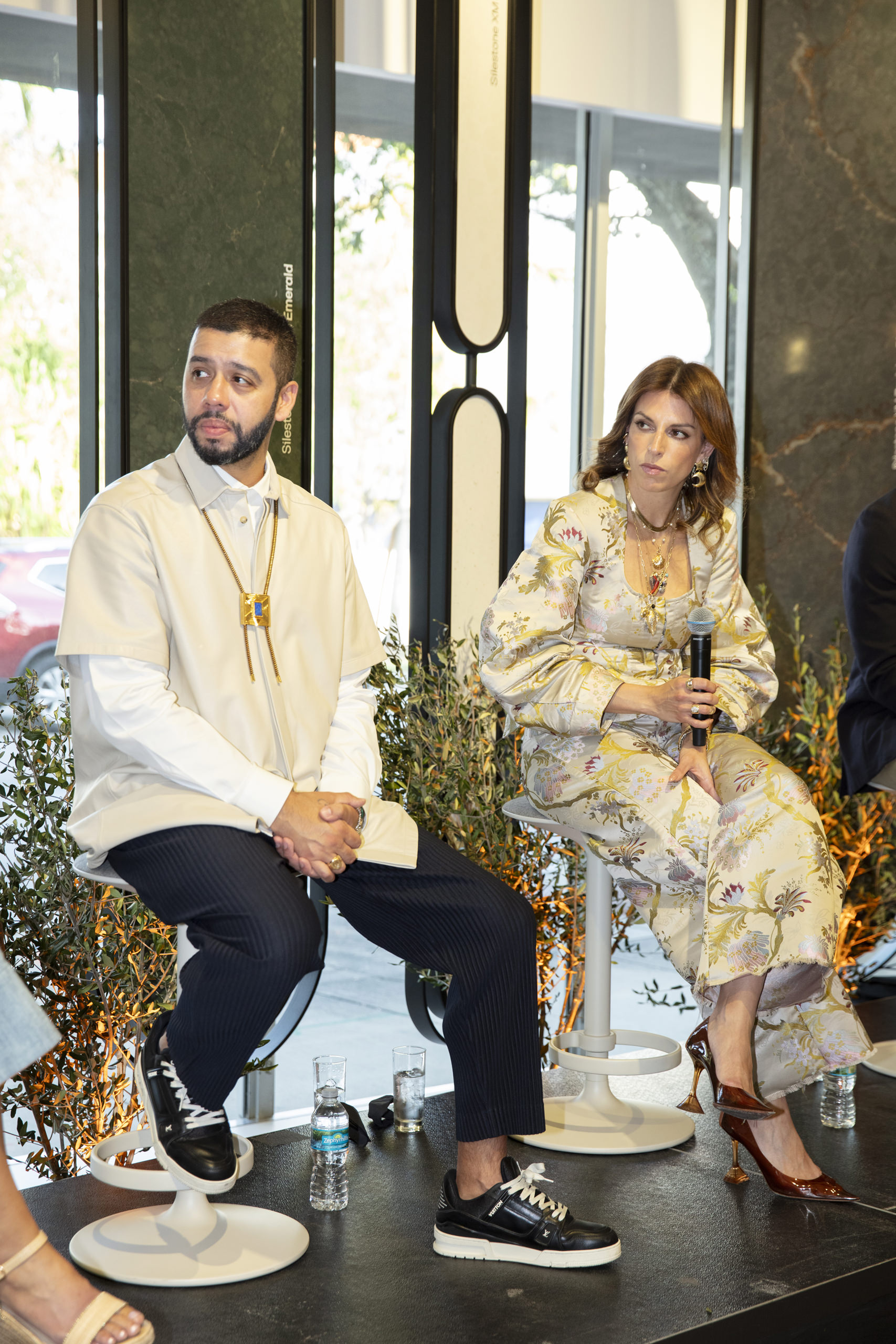
Rodrigo’s insights into “urban” transformation painted a portrait of a city reshaping its identity in real-time. From climate-resilient architecture to multigenerational living, he noted a shift in Miami’s urban DNA. “The first floor is now built to flood,” he remarked, reflecting on how rising seas are inspiring elevated, flexible living solutions. These shifts extend into human relationships too, with clients now designing homes for both grandparents and future generations, moving from seasonal escapes to permanent, rooted dwellings. No one embodied the theme of “wonder” more vividly than Moniomi Design. Monica and Ronald spoke passionately about infusing spaces with joy, surprise and collaboration. “Color speaks to us first,” they shared, explaining how emotional intention guides every palette and texture they choose. Their layered interiors are described as playful and sophisticated—not because of fleeting style, but because of deeply personal, often collaborative, decisions. “We don’t just choose something because it’s beautiful. We need a reason,” Ronald noted, underscoring the studio’s commitment to meaning-making through design.
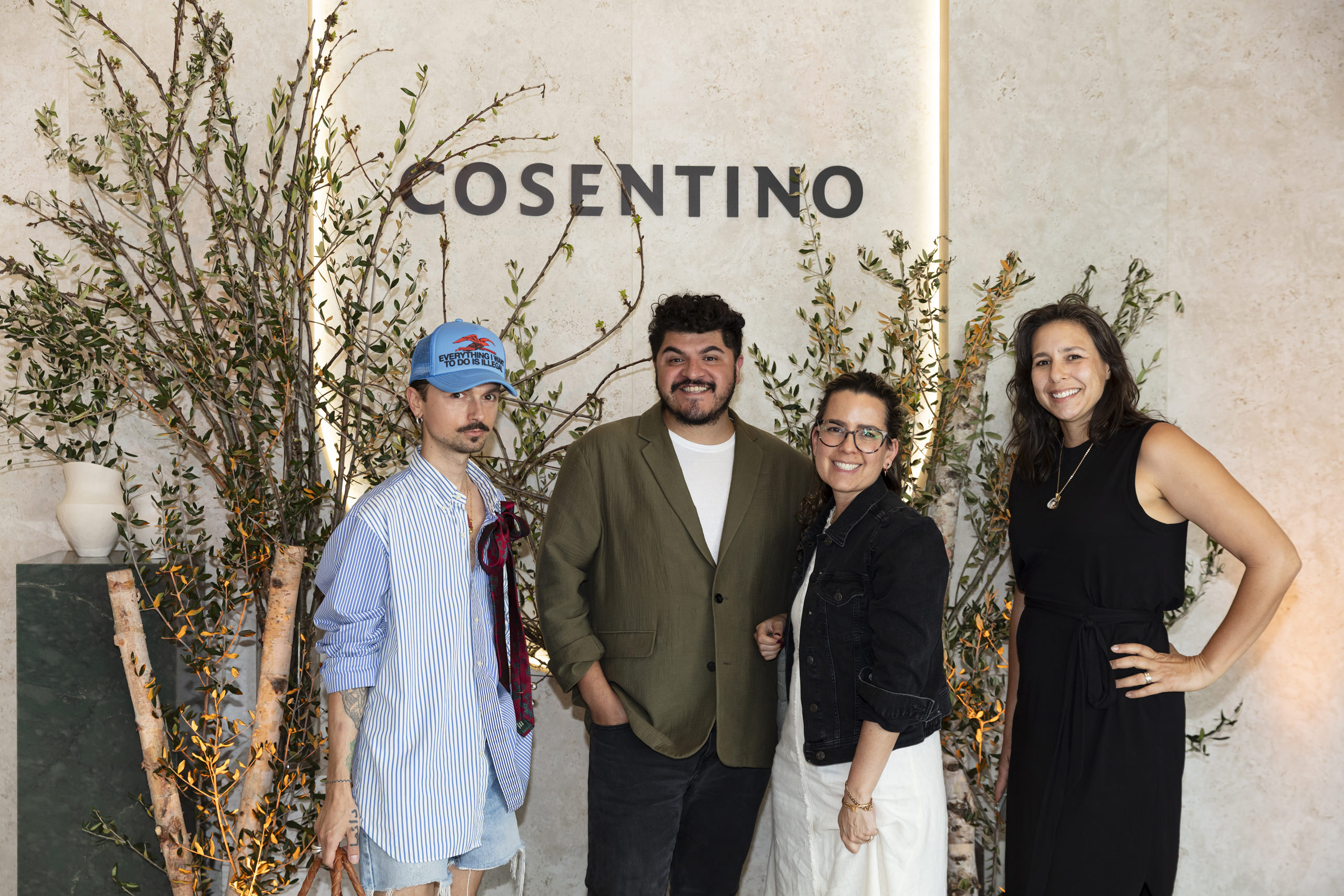
"Rooted in resilience and guided by emotion, the future of interiors is deeply personal, profoundly collaborative, and unmistakably human"
Another layer of conversation revolved around the increasing demand for multifunctional spaces—home offices that double as guest rooms, rec rooms turned cocktail lounges. “Every square foot is precious,” Monica stated, emphasizing that design must be as intentional in the most overlooked corners as it is in the main spaces. It’s not about luxury for luxury’s sake—but rather about empowering homeowners to live fluidly, without sacrificing beauty for utility.
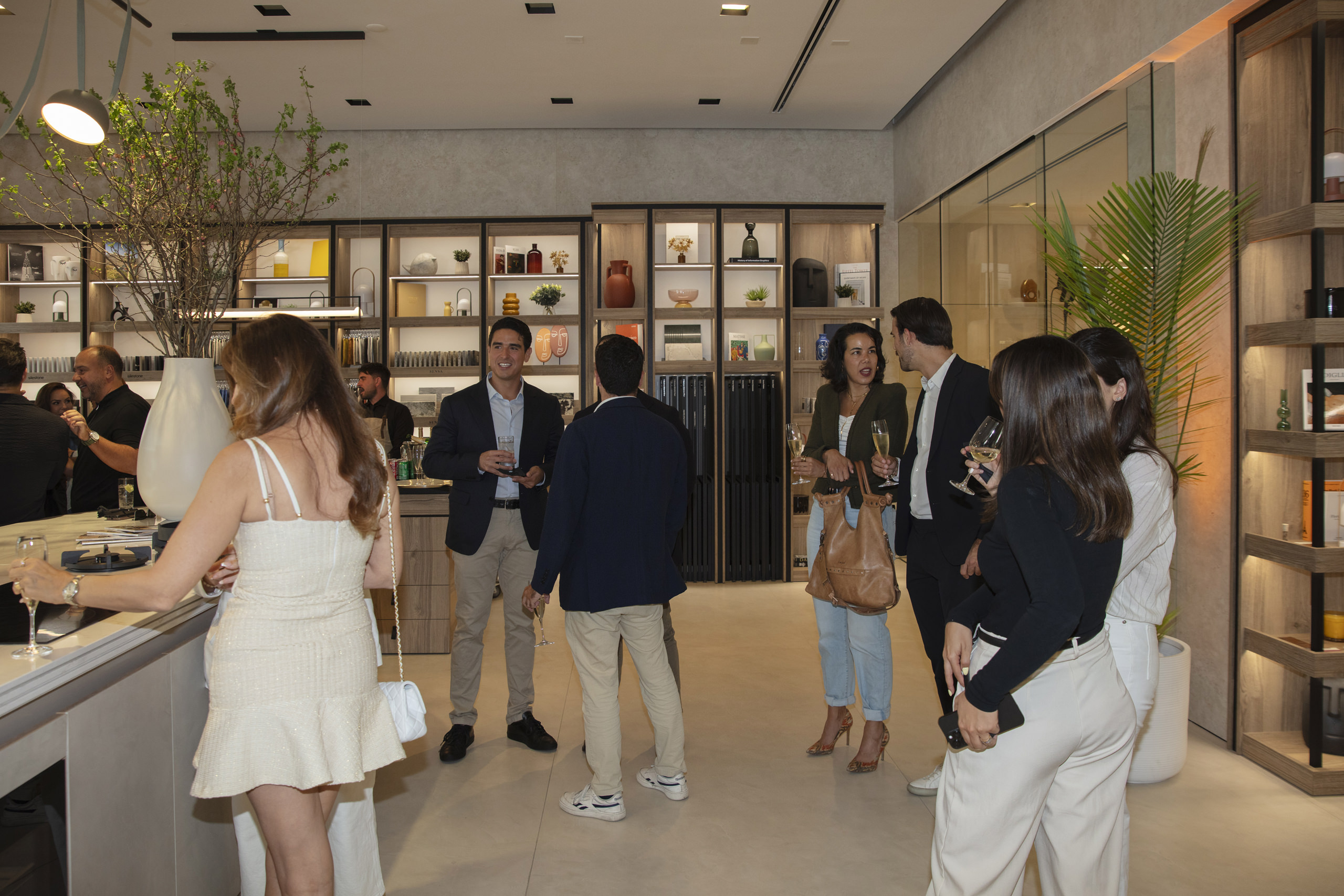
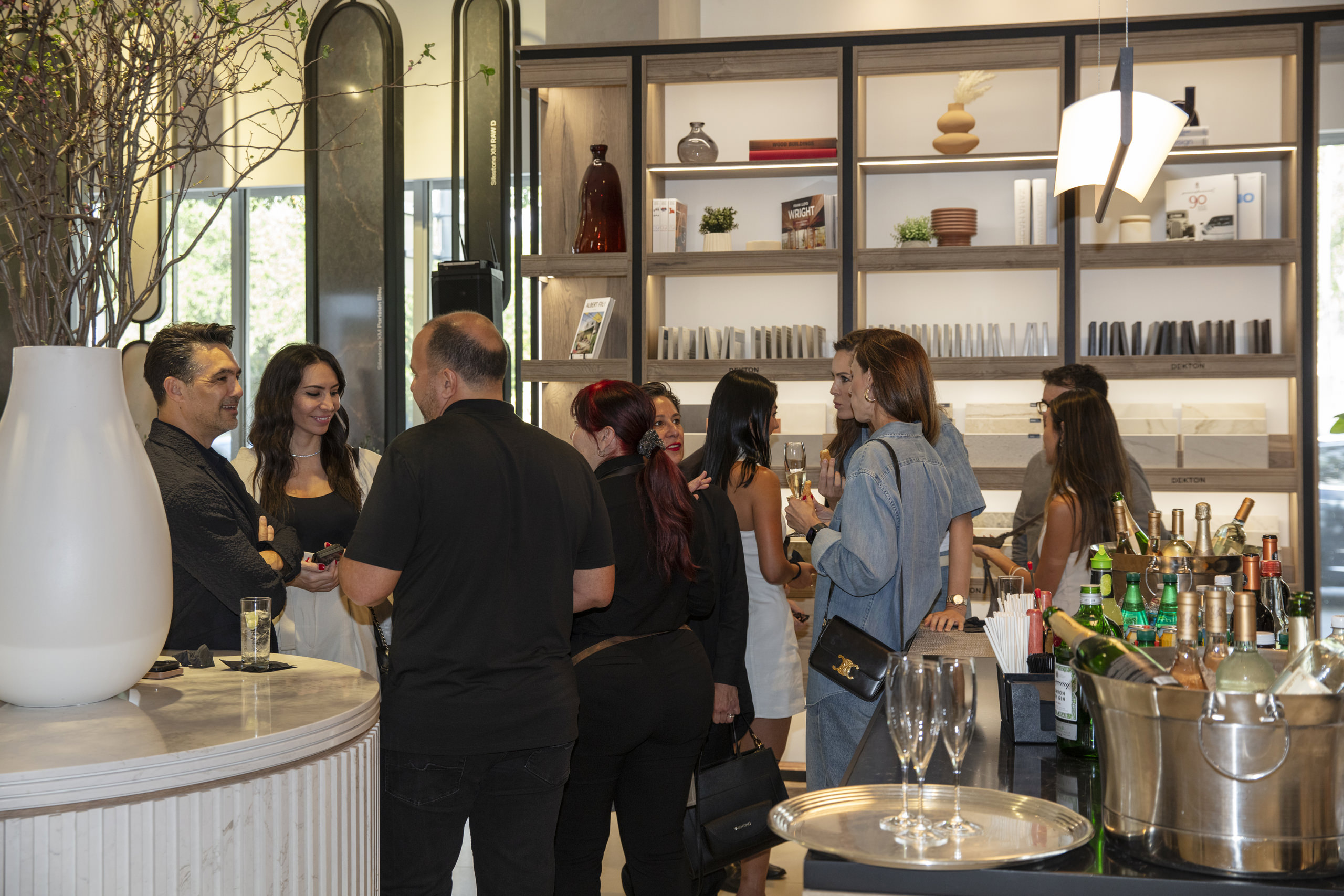
From New York sophistication to Brazilian warmth, the evening also highlighted how Miami’s design language is becoming more hybrid. Carla observed that her clients are more willing than ever to experiment with Latin textures and tones, leaning into the region’s energy instead of replicating their northern homes. This openness is yielding not just more diverse interiors, but more emotionally resonant ones.
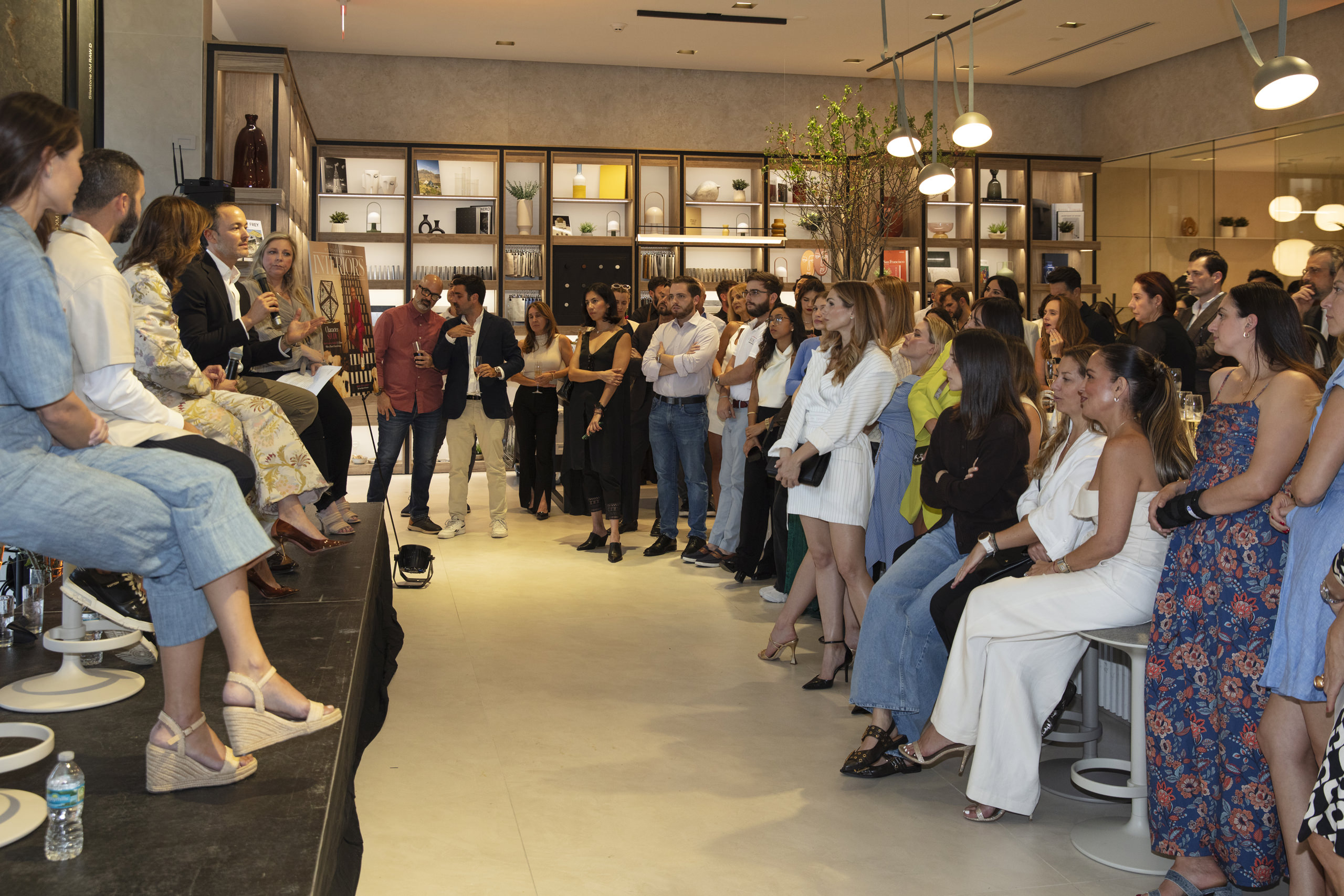
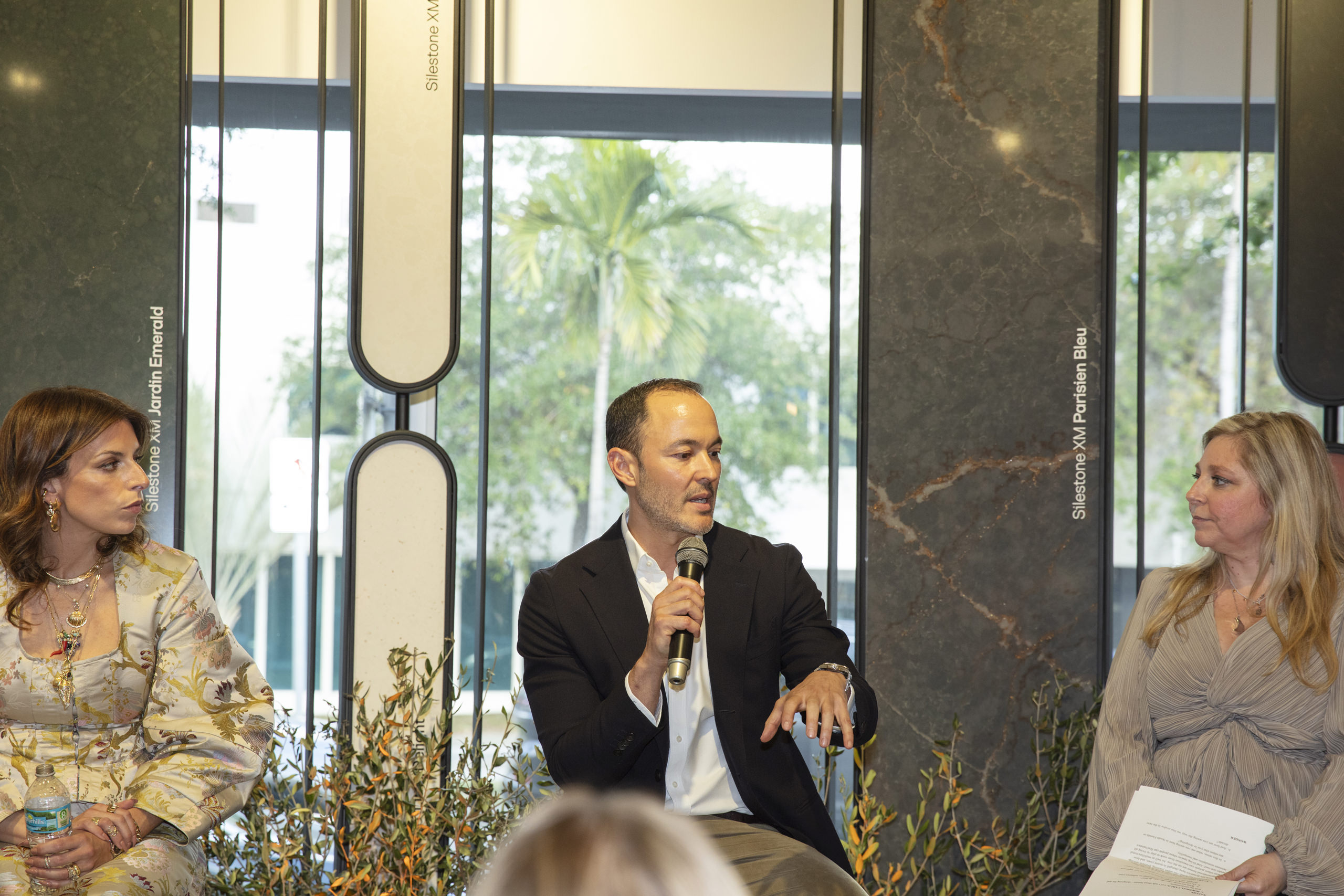
Across the board, panelists emphasized that today’s designer is part curator, part psychologist, and part historian. Whether it’s incorporating a client’s heirloom or reimagining a childhood memory into a contemporary material palette, design is no longer surface-deep. “What we create should be remembered,” Ronald concluded, “even if you can’t quite explain why.”
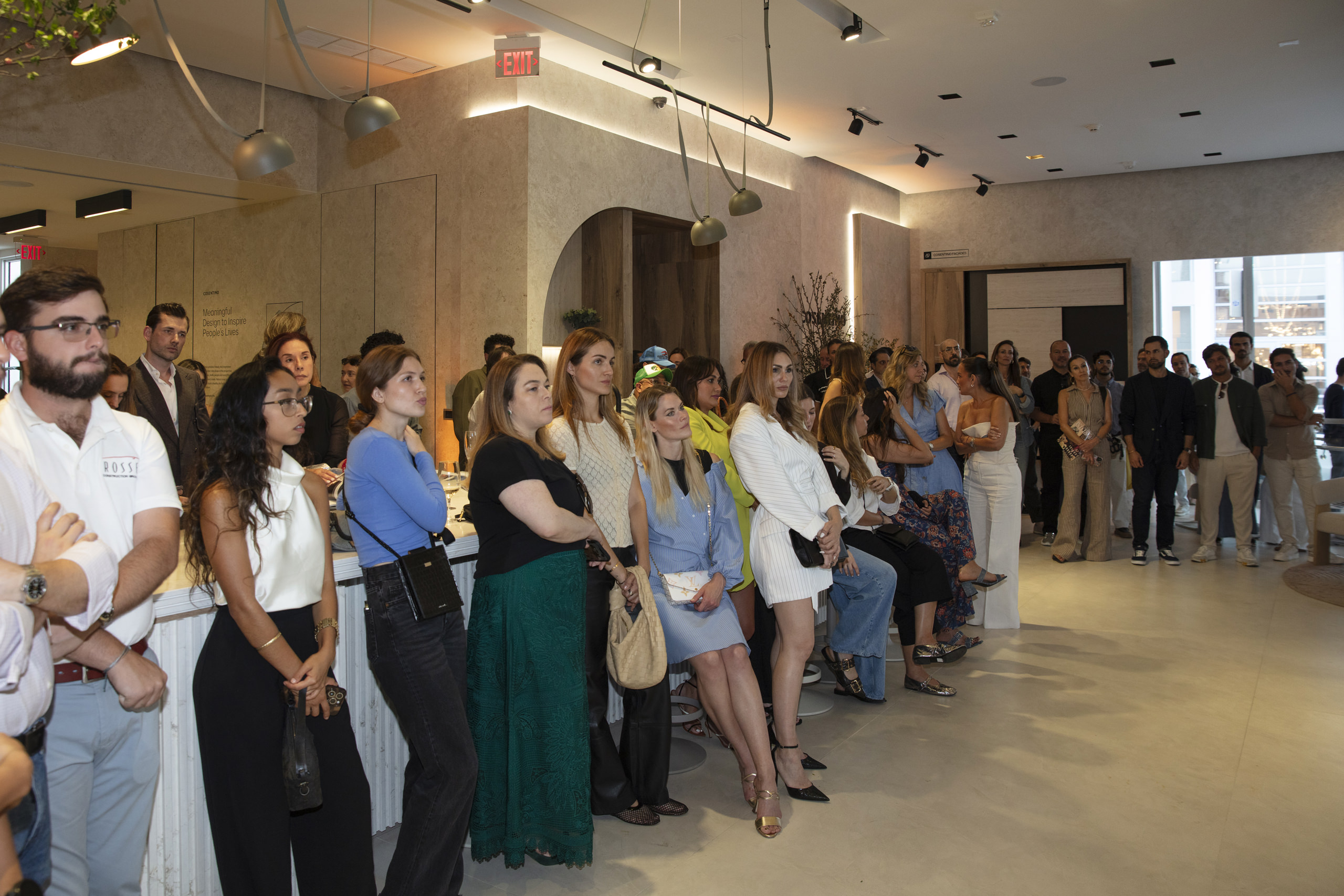
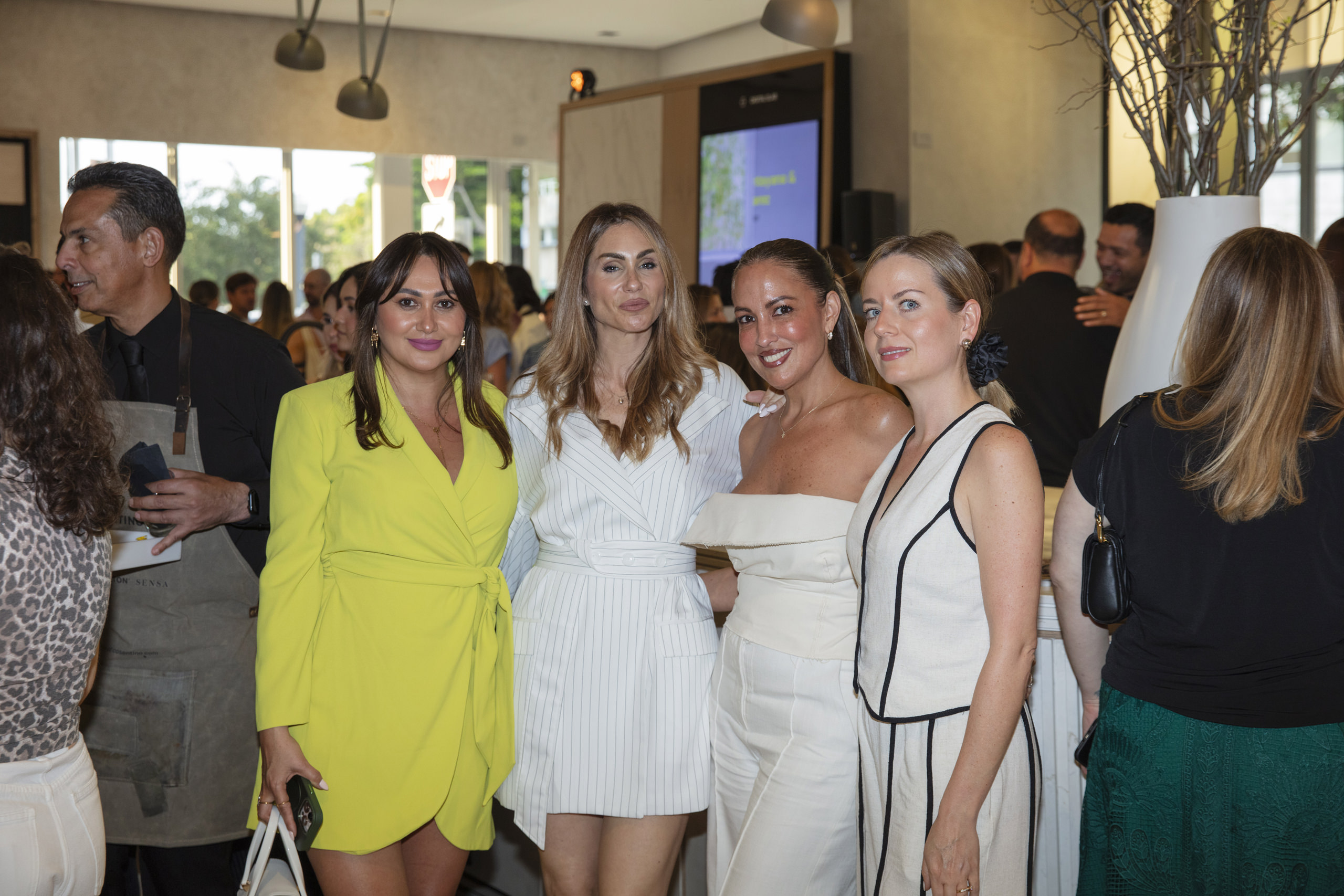
As the evening closed, it was evident that the greatest takeaway wasn’t just the trend report, but the sense of shared purpose among the designers. In their ability to inspire and to listen, to bridge personal narratives with collective challenges, they showed that the future of design is as much about people as it is about places.