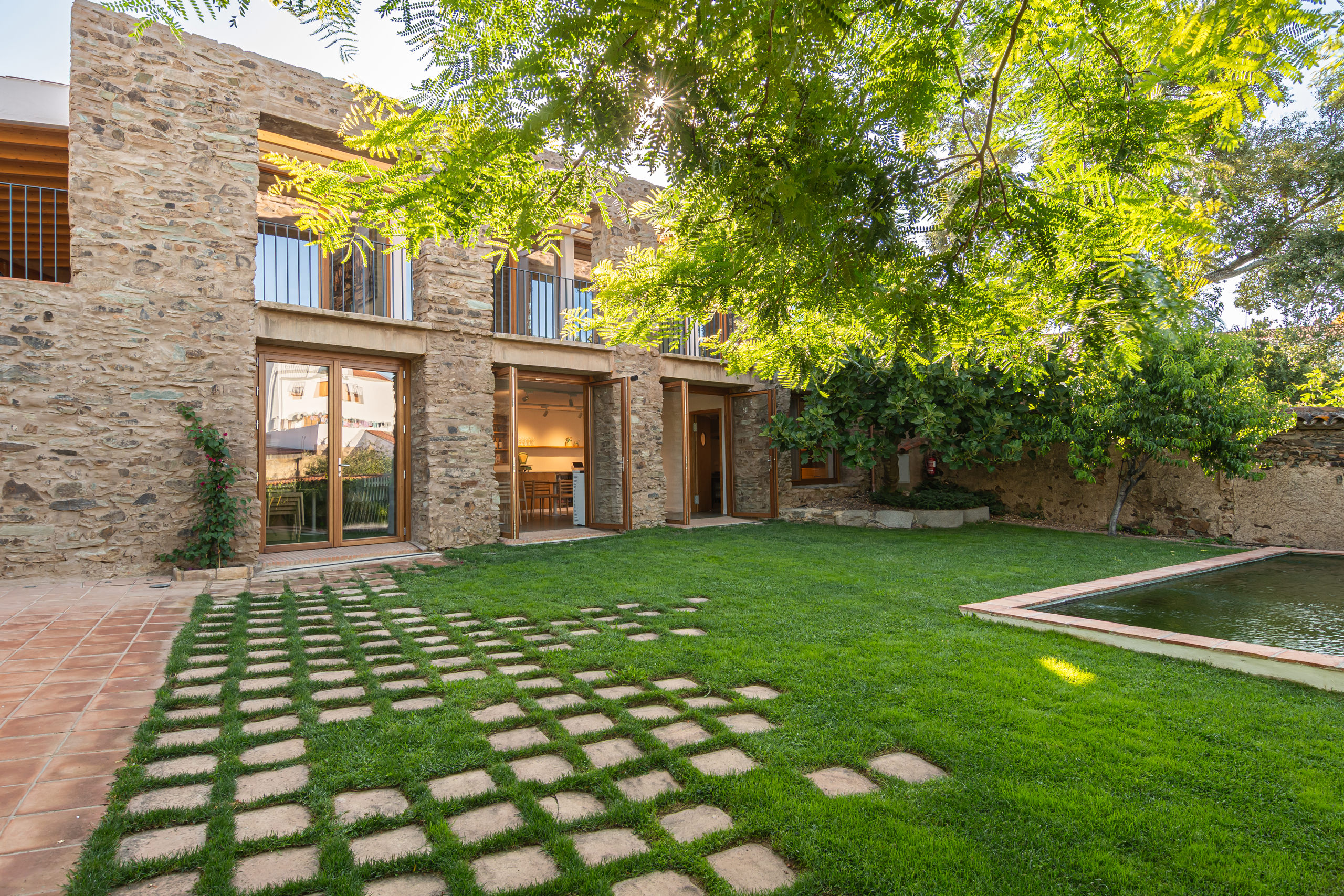
Reviving Rural Heritage – Former Cinema and Olive Oil Mill by AlmaNatura
"Within the walls of a former cinema and olive oil mill, architecture gives something essential back to the village: places to meet, create, share and believe in the territory once again."
Some buildings hold their true architecture within the memories they preserve. After 70 years of silence, the Former Cinema and Olive Oil Mill reopen their doors, recovering not only forgotten spaces but also an essential part of the shared history, identity and everyday life of Arroyomolinos de Leon. Some buildings carry their architecture as much through memory as through form. After 70 years of silence, the Former Cinema and Olive Oil Mill in Arroyomolinos de Leon, Huelva, are brought back to life by Carlos Gomez Sos and David Barroso Romero. Rooted in the buildings' collective history, the intervention moves beyond restoration to recover their role within the village, transforming once-dormant spaces into places for gathering, activity and new opportunity. Through a sensitive dialogue between past and present, the project preserves local identity while demonstrating how adaptive reuse can become a meaningful catalyst for rural regeneration.
Today, the Former Cinema houses the offices and workspaces of AlmaNatura, an organisation dedicated to creating opportunities, attracting talent and strengthening rural communities. Here, architecture becomes an extension of this mission, bringing together offices, coworking areas, training rooms and cultural spaces designed to encourage exchange. Once closed to the village, the cinema now provides an open framework for ideas, collaboration and community life.
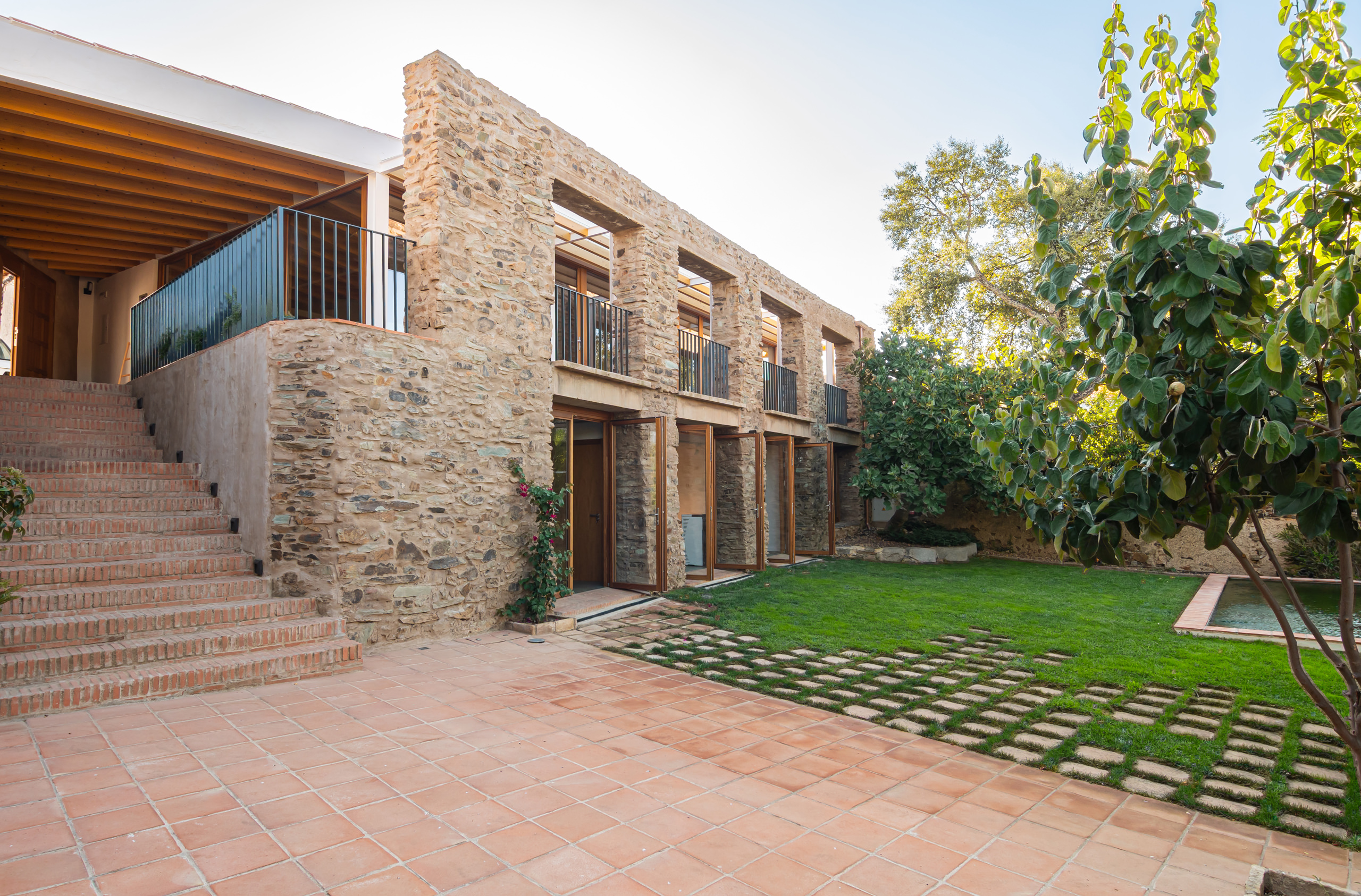
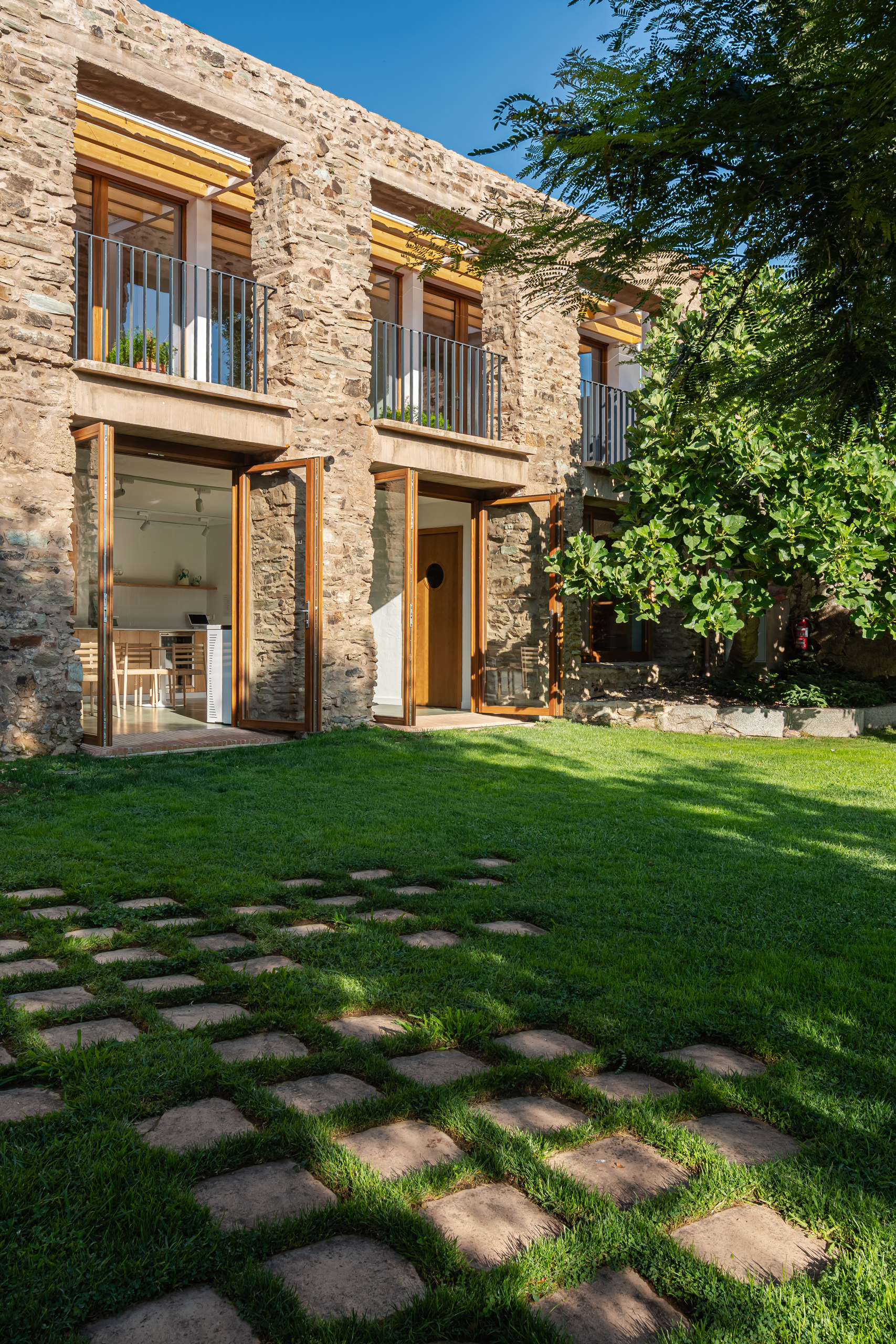
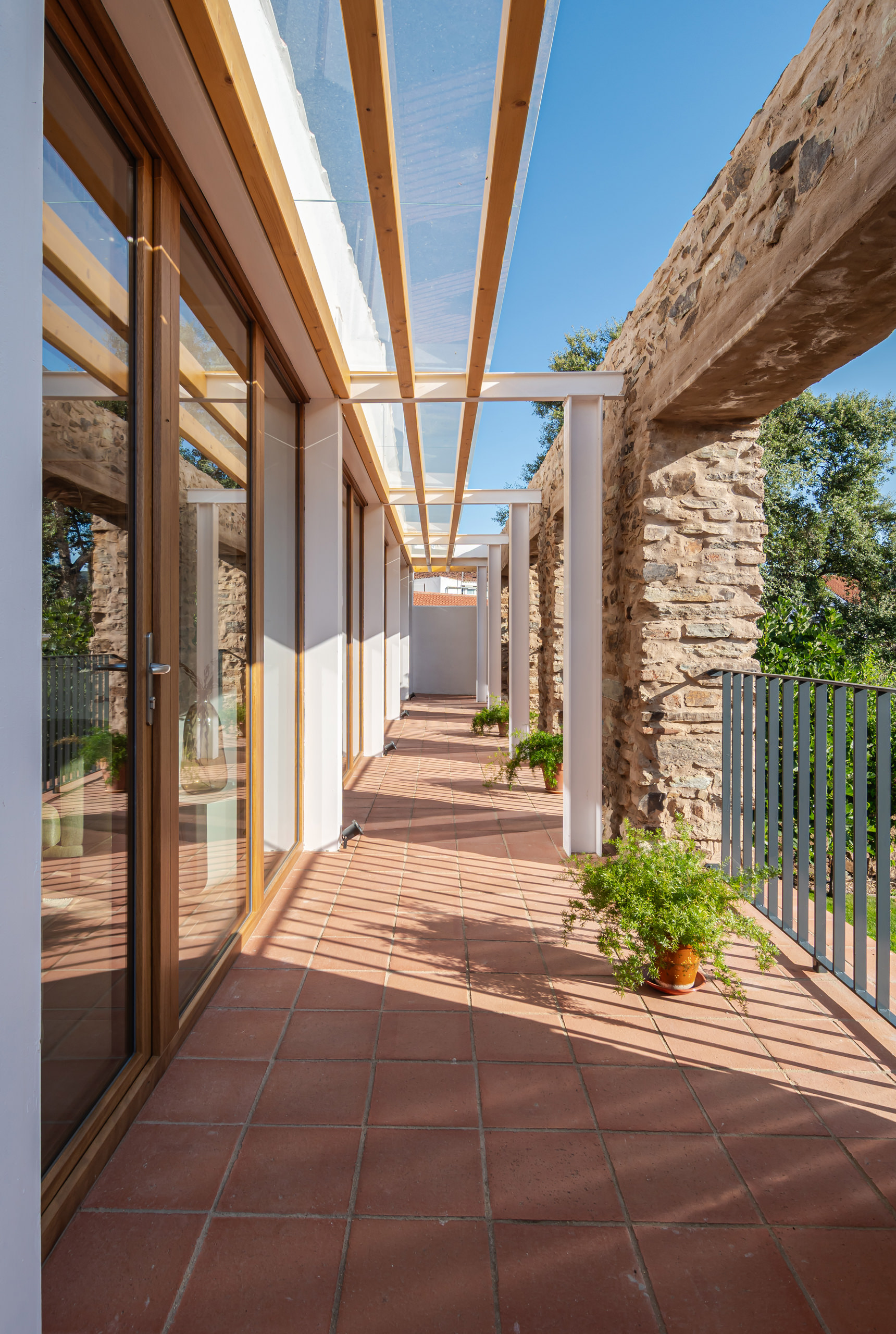
Alongside it, the Former Olive Oil Mill has discovered a new purpose as the headquarters of the AlmaNatura Foundation and as a cultural centre. Its reopening restores an important public dimension to the complex, transforming a building once associated with the productive history of the village into a contemporary setting for cultural life. More than 3,000 people pass through its spaces every year to experience art, music, theatre, workshops, training and educational programmes. This continuity of collective use is particularly significant. Where production and activity were once directly connected to the surrounding territory, the building now generates knowledge, creativity and social connection. The mill is not preserved as a static monument to another era but activated as a living place, allowing new generations to inhabit it, reinterpret it and create their own memories within its historic fabric.
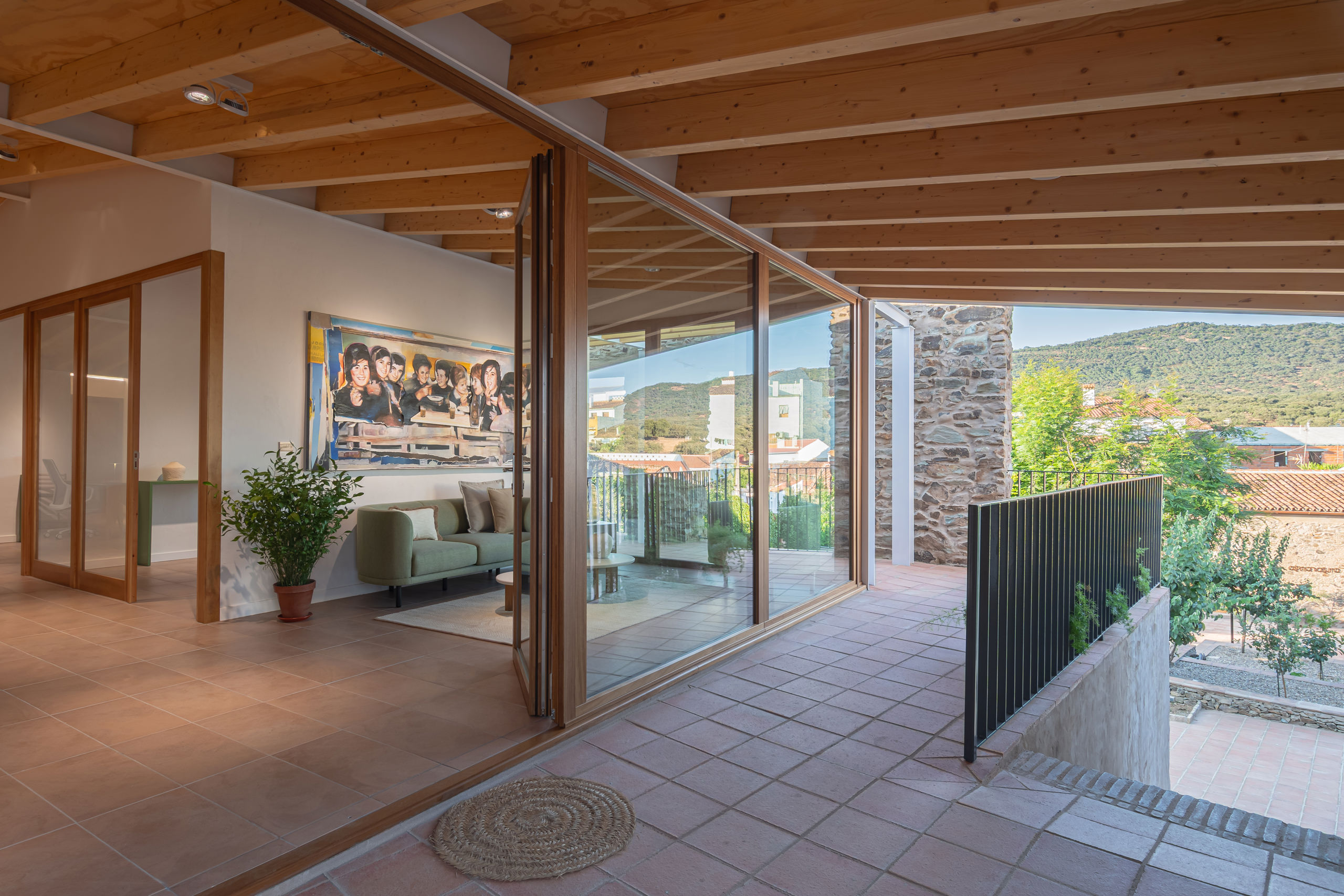
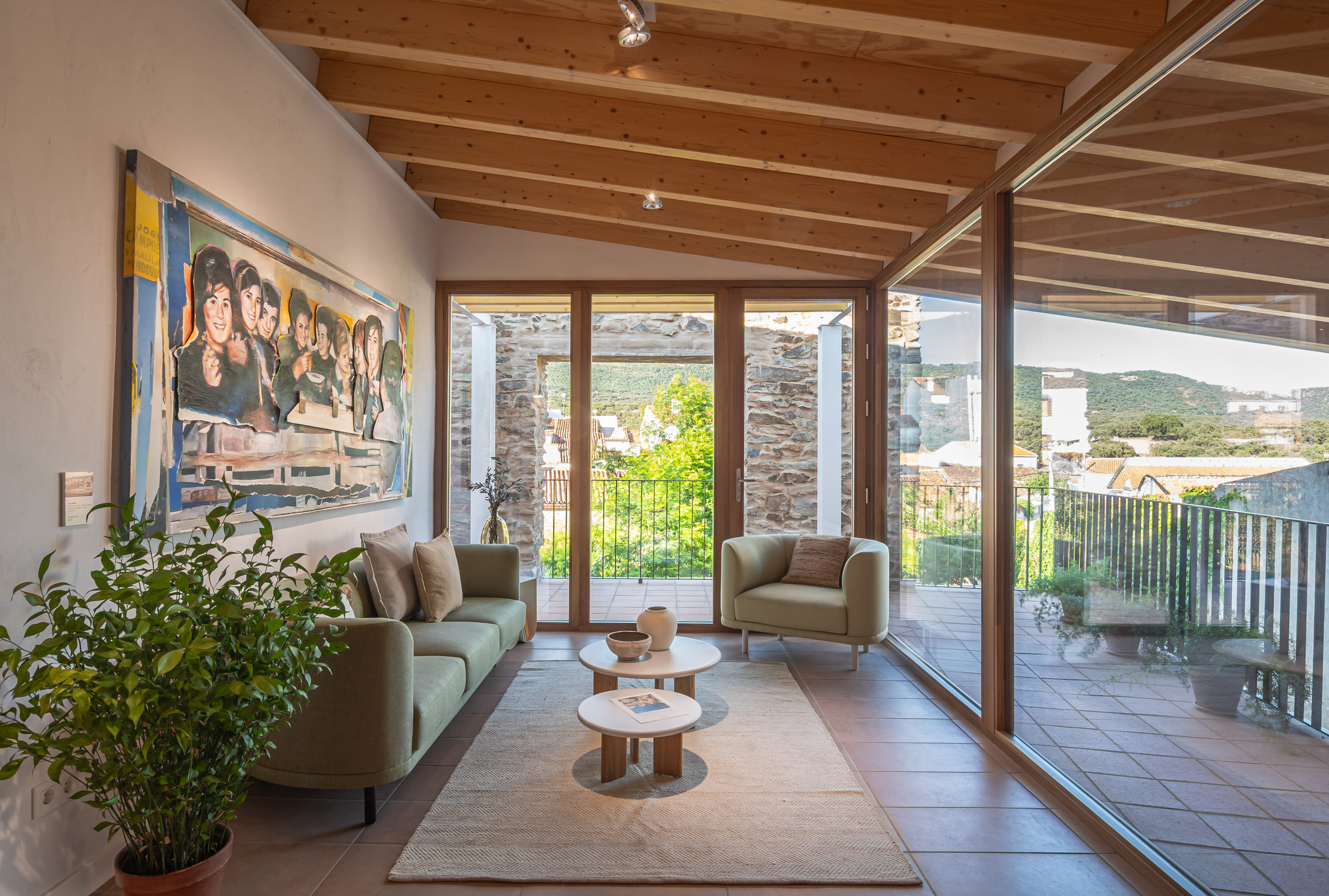
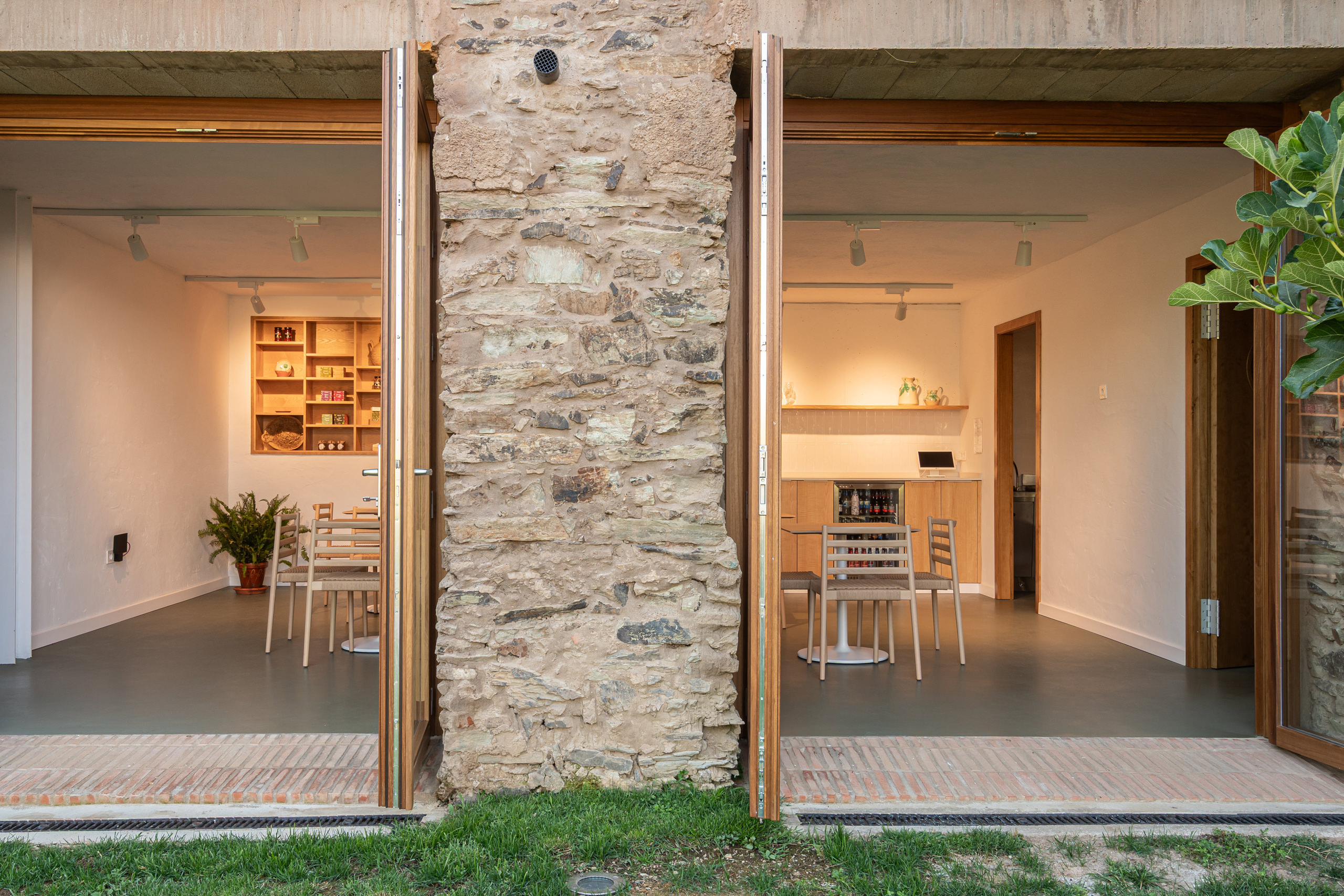
The architectural intervention is guided by a clear principle: rather than erasing the traces of time, it works with them. Instead of pursuing a restoration that removes imperfections or reconstructs an idealised image of the past, the project embraces the material memory of both buildings as an essential part of their identity. Existing elements, textures and materials that recall their original character remain visible and are carefully combined with contemporary solutions. The contrast is deliberately restrained, seeking balance rather than spectacle. Simple furniture complements the architecture, while open spaces allow natural light to become a defining presence throughout the interiors. The clarity of the new additions makes the different layers of time legible: historic elements do not need to imitate the new, while contemporary interventions avoid disguising themselves as something from the past. Both languages coexist with a quiet sense of respect.
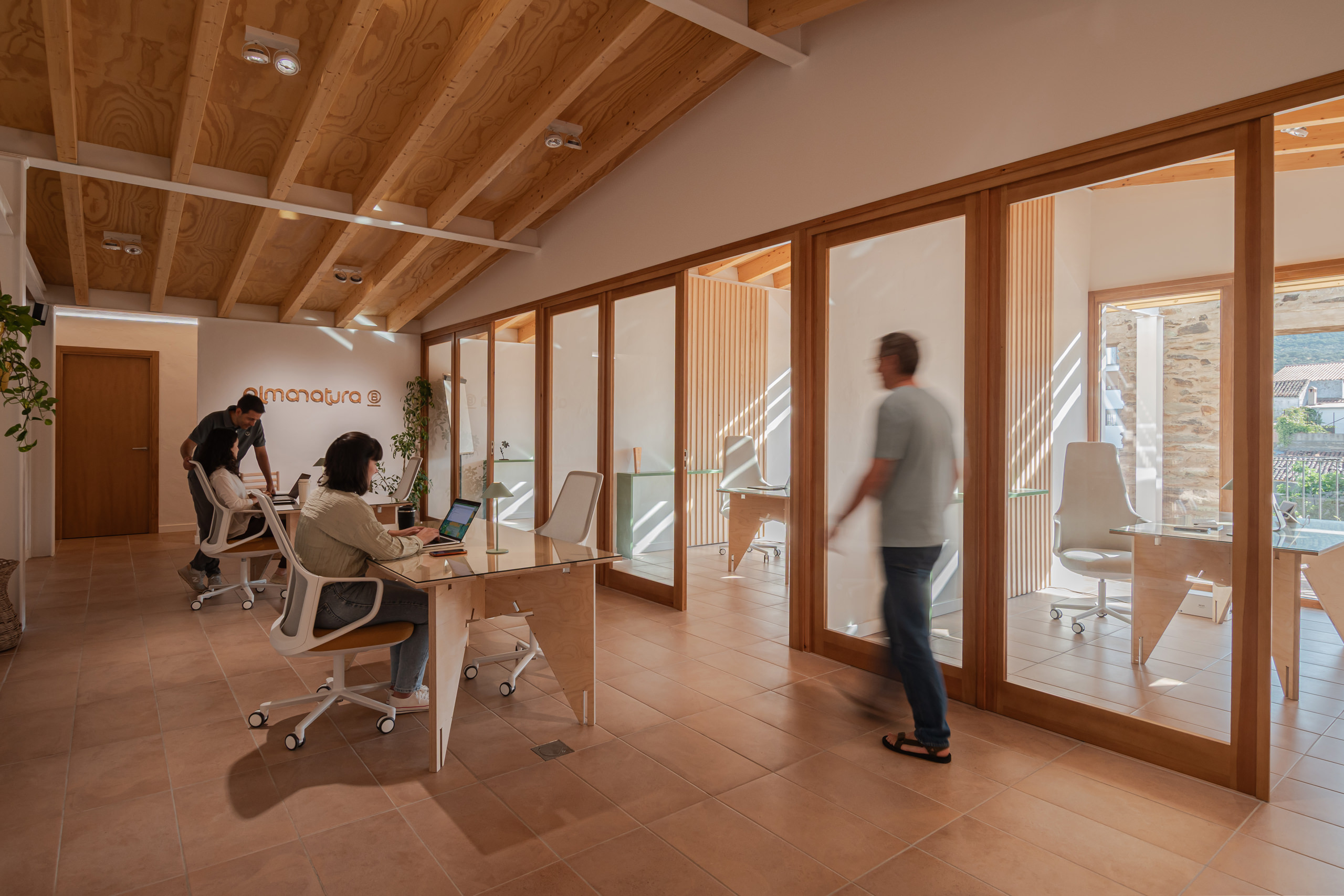
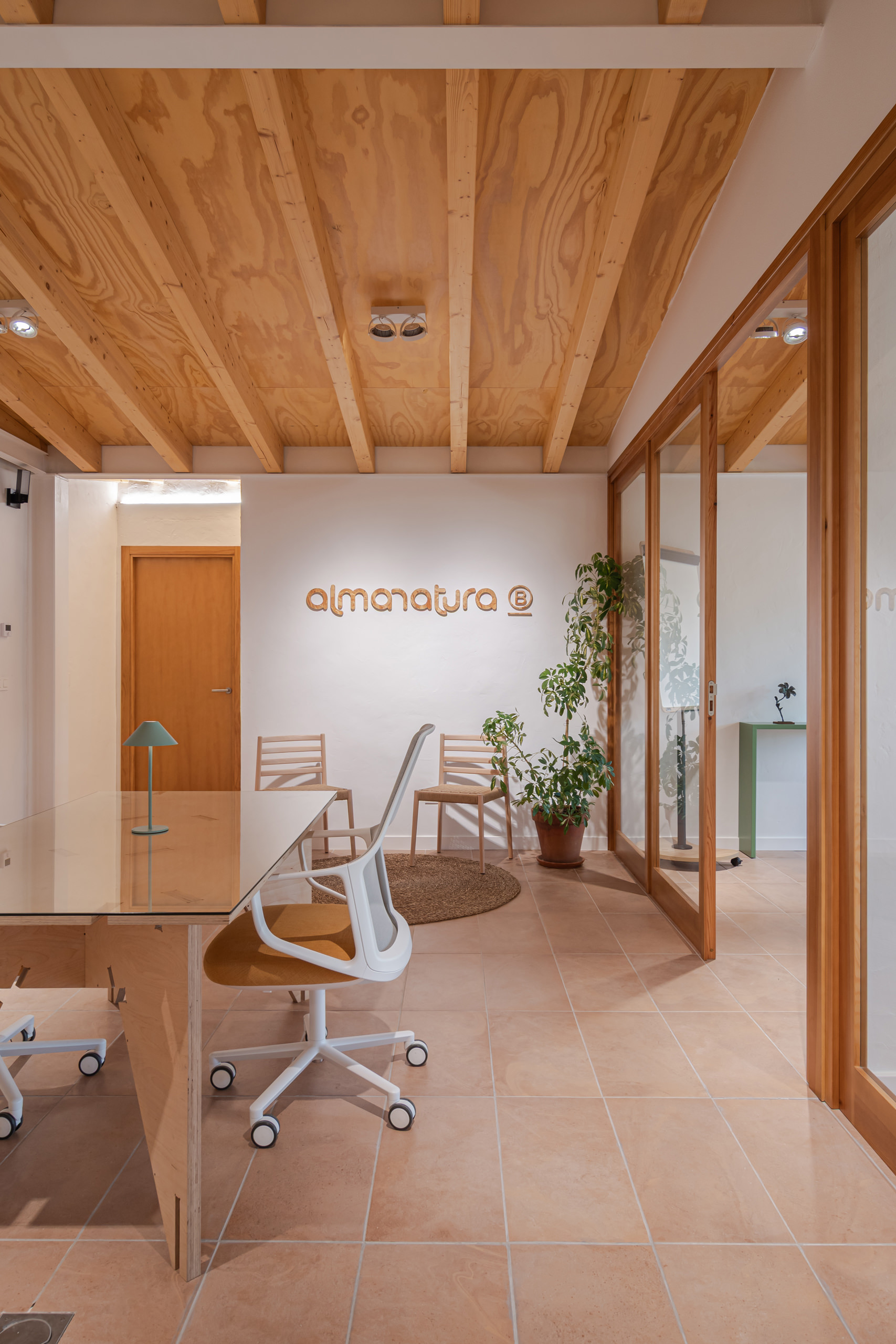
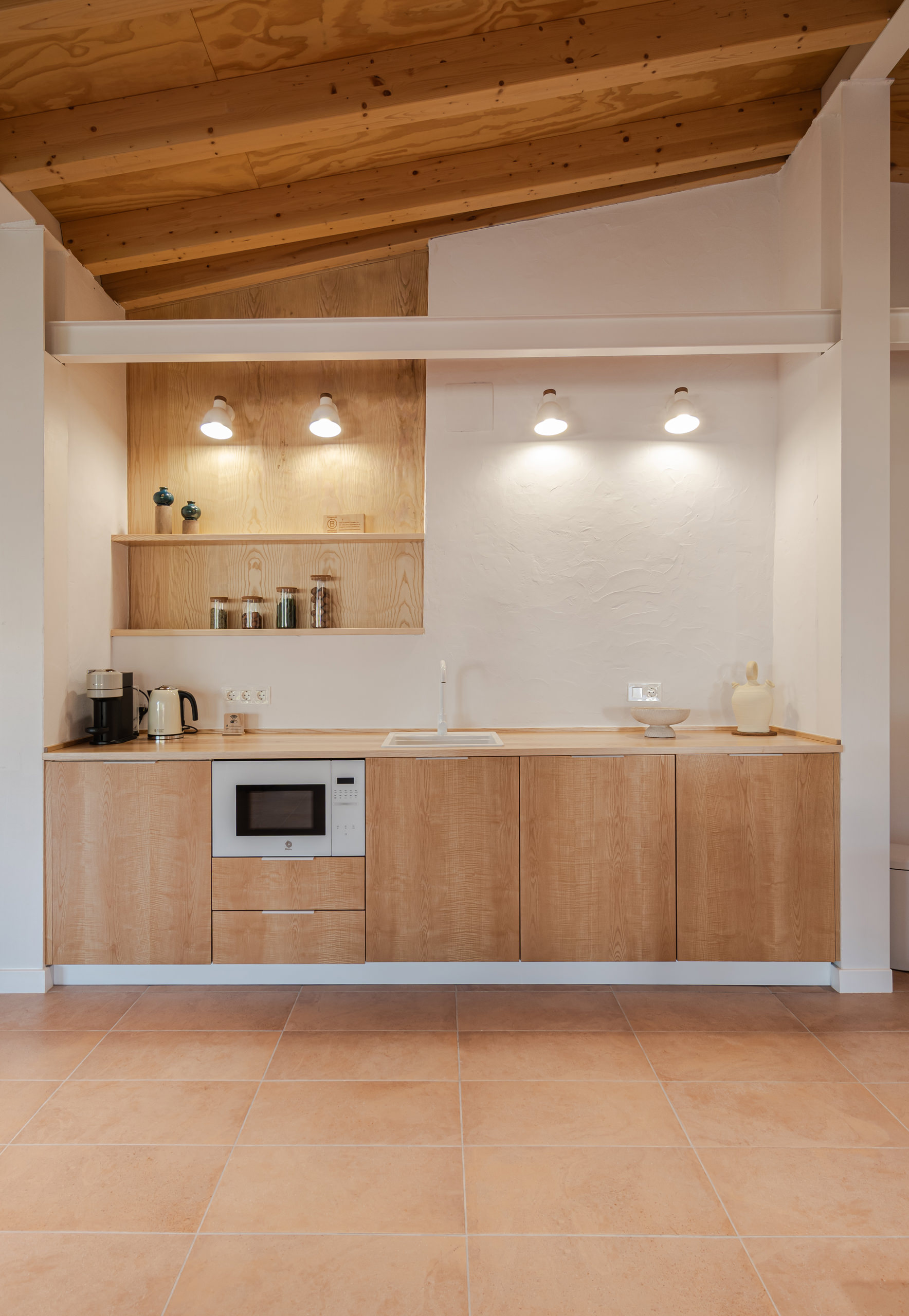
"To recover what already exists is also to imagine the future, preserving the traces of who we were while creating spaces capable of bringing people together around new possibilities."
This sensitivity extends to the organisation of the interiors. Beyond responding to practical requirements, the spaces are designed to encourage conversation, collaborative work and spontaneous encounters. Visual openness and generous communal areas soften the conventional boundaries between office, cultural venue and social space. Within this approach, the abaceria, a shared food and gathering space rooted in local traditions, assumes particular importance. It is not conceived merely as an additional functional amenity but as a social setting where people can eat, talk, pause and spend time together. In a project closely connected to rural revitalisation, these everyday moments become as significant as programmed activities. Working from a village also means participating in its rhythms, meeting others and building relationships that extend beyond professional life. Community, in this sense, is not treated as an abstract ambition but as something architecture can actively nurture.
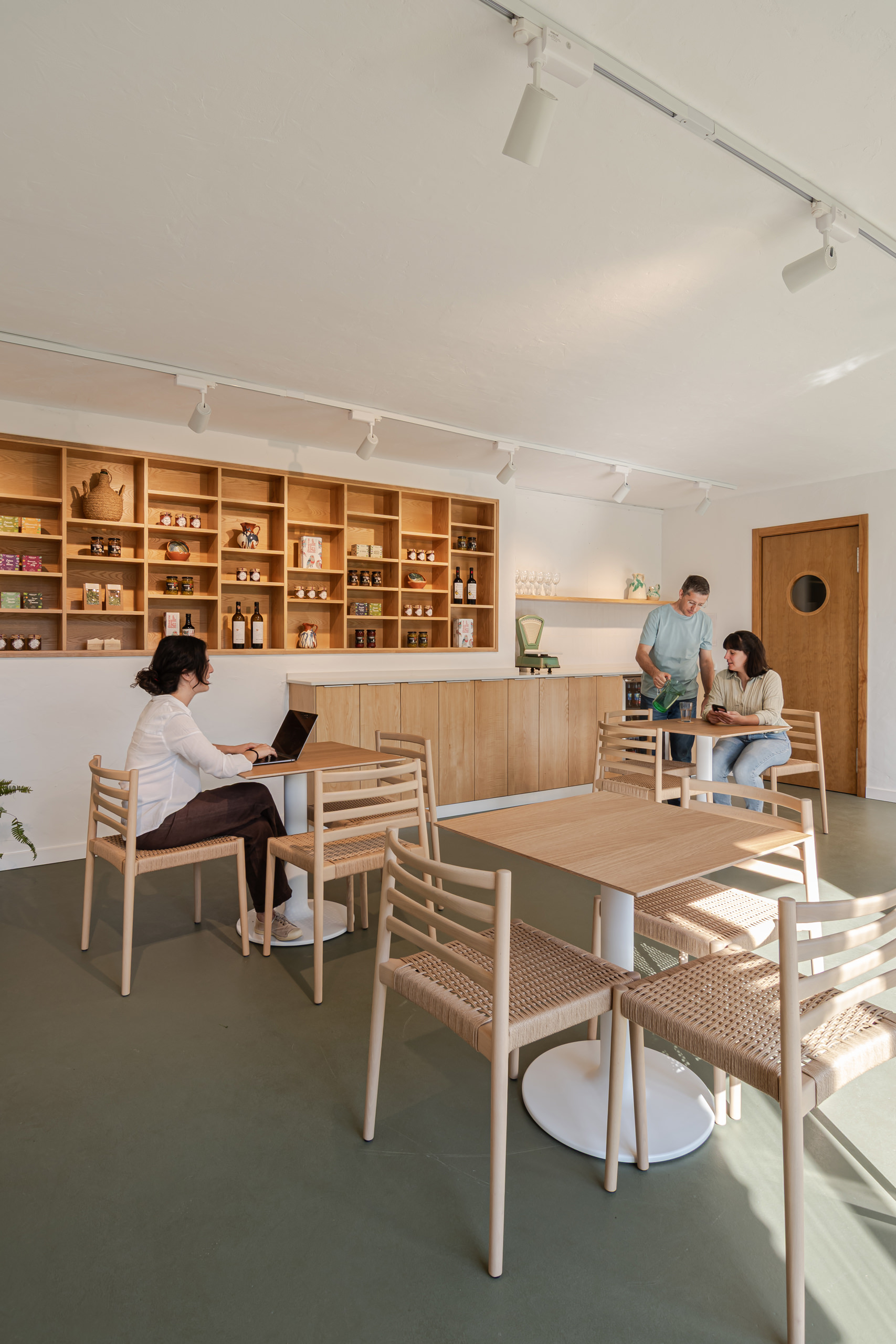
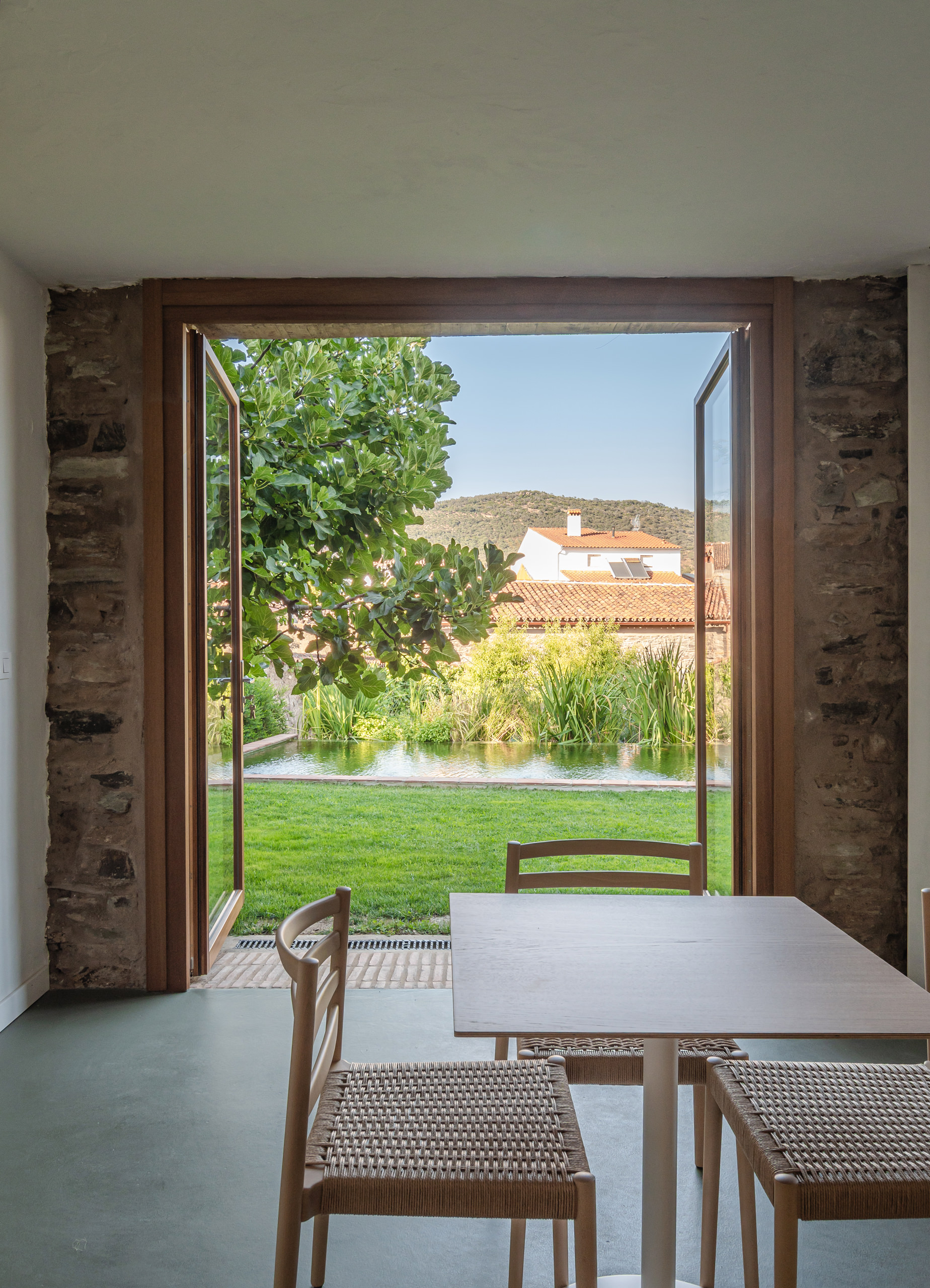
The result deliberately avoids architectural spectacle. There is no intention to compete with large-scale urban projects or to transform the rehabilitation into a formal gesture disconnected from its surroundings. Its ambition lies elsewhere: in demonstrating that thoughtful architecture, considered design and contemporary working environments can emerge from a small rural village with the same relevance and quality. In this context, the scale of Arroyomolinos de Leon is not understood as a limitation but as a condition that gives the project greater meaning. The architecture responds to its setting through proximity and restraint, working with what already exists and placing spatial resources at the service of people. Its value is found as much in the physical transformation as in the relationships and activities it enables, bringing sustainability, preservation and social purpose into the same architectural conversation.
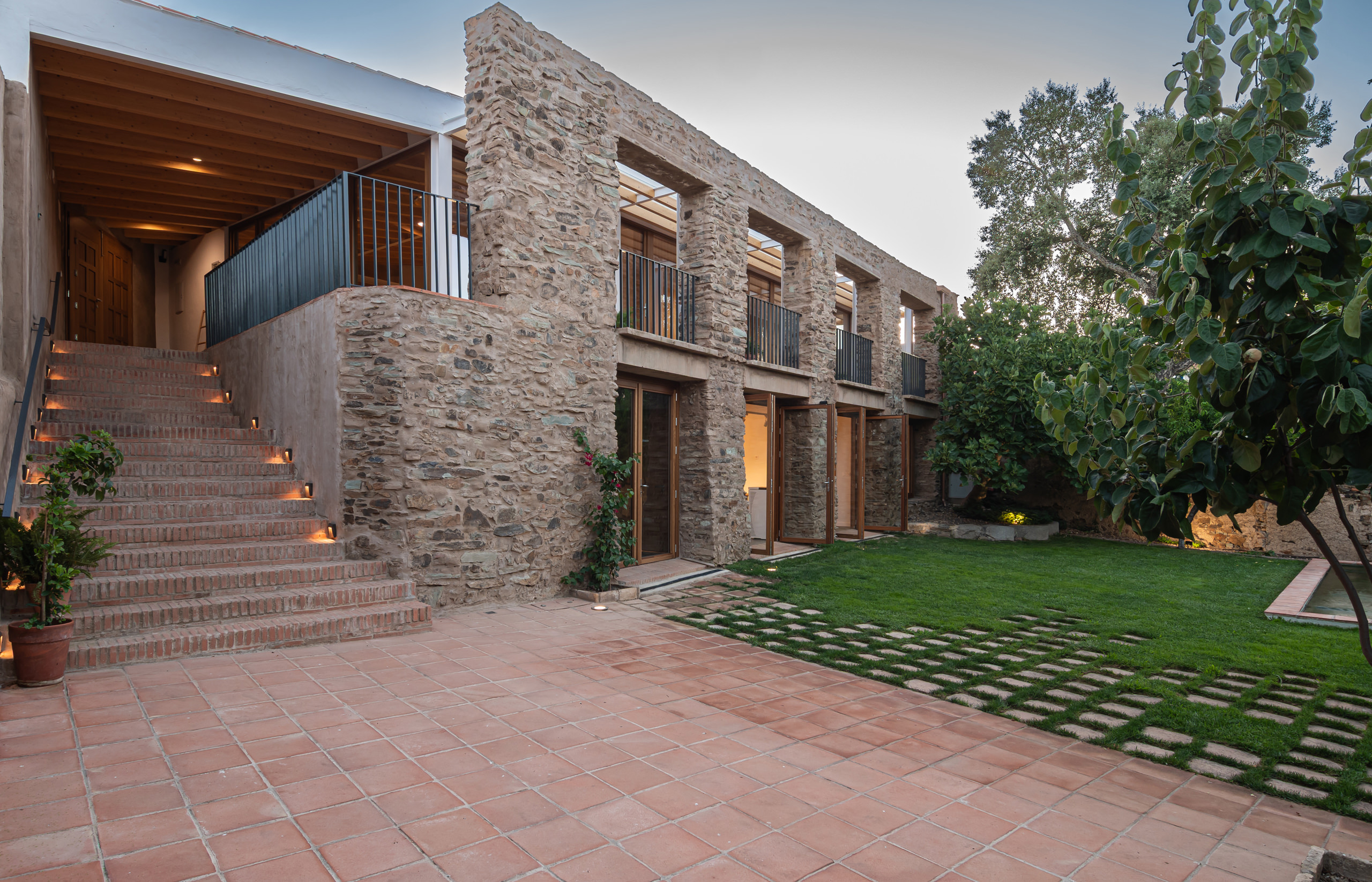
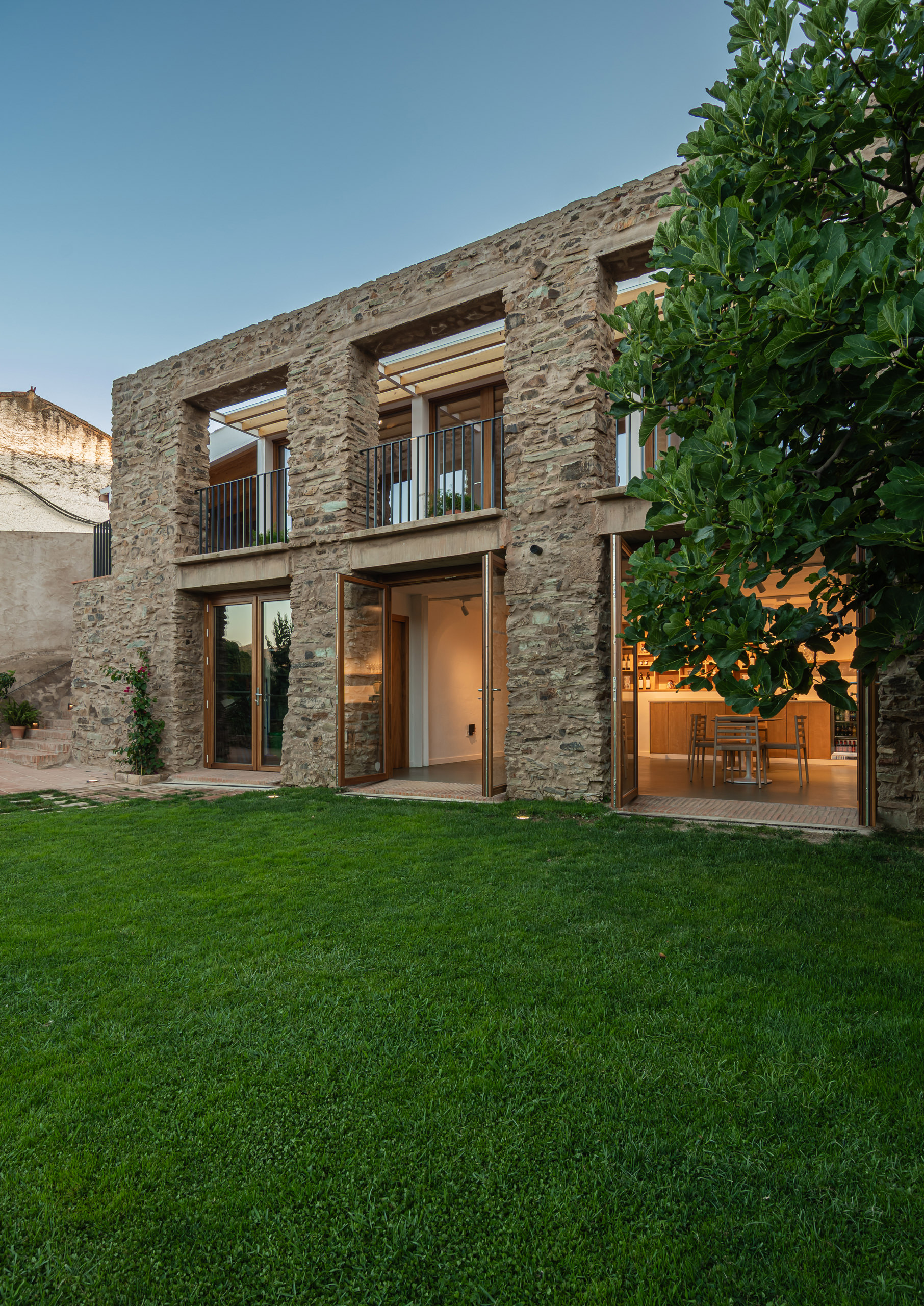
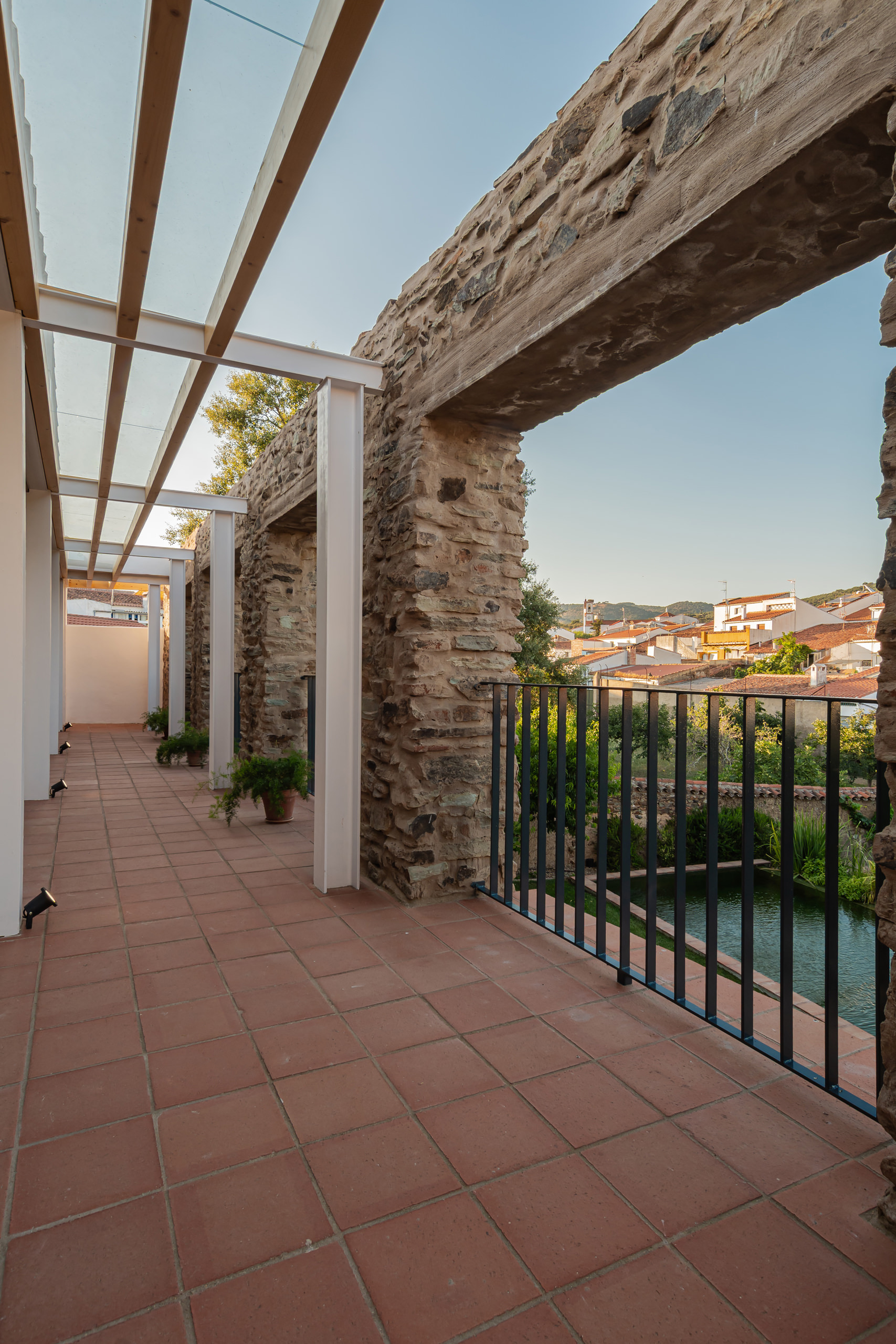
There is also a compelling parallel between the rehabilitation of the Former Cinema and Olive Oil Mill and AlmaNatura's broader mission. Where others might have seen structures that had lost their usefulness, the project recognises resources capable of acquiring new meaning. The same perspective can be applied to rural territories themselves. Against narratives of abandonment, depopulation and diminishing opportunities, the project proposes another possibility: recognising existing potential and creating the conditions for new futures to emerge. Restoring these buildings therefore means believing once again in what remains. Rather than replacing, the intervention transforms; rather than beginning from nothing, it builds upon memory. Architecture becomes a quiet statement about the potential of rural communities and about the importance of understanding heritage not simply as evidence of the past, but as an active foundation for what might happen next. The Former Cinema and Olive Oil Mill are once again filled with life. The cinema no longer projects films before an audience, yet it continues to provide a stage for stories: people working, ideas taking shape, businesses beginning, meetings unfolding and conversations exploring the future of rural communities. Beside it, the mill has recovered its collective character through culture, welcoming thousands of visitors and creating new reasons for people to gather. Perhaps this is the project's most significant achievement. Rehabilitation is not simply about restoring walls, roofs and materials; it is about recovering possibilities. In Arroyomolinos de Leon, Carlos Gomez Sos and David Barroso Romero demonstrate how architecture can operate with restraint while producing a profound impact: preserving the memory of a place while creating the conditions for that place to imagine, build and participate in its own future.