Rescue of the Essential – Centro de Salud Pinilla by Gabriel Gallegos Borges
"To transform without erasing, to restore without imposition—this is the hallmark of conscious, responsible architecture."
In a setting shaped by a calm, residential scale, the old building now rises as a renewed presence that blends gracefully with its surroundings. Every line of its restored structure tells a quiet story of permanence, care, and thoughtful renewal.
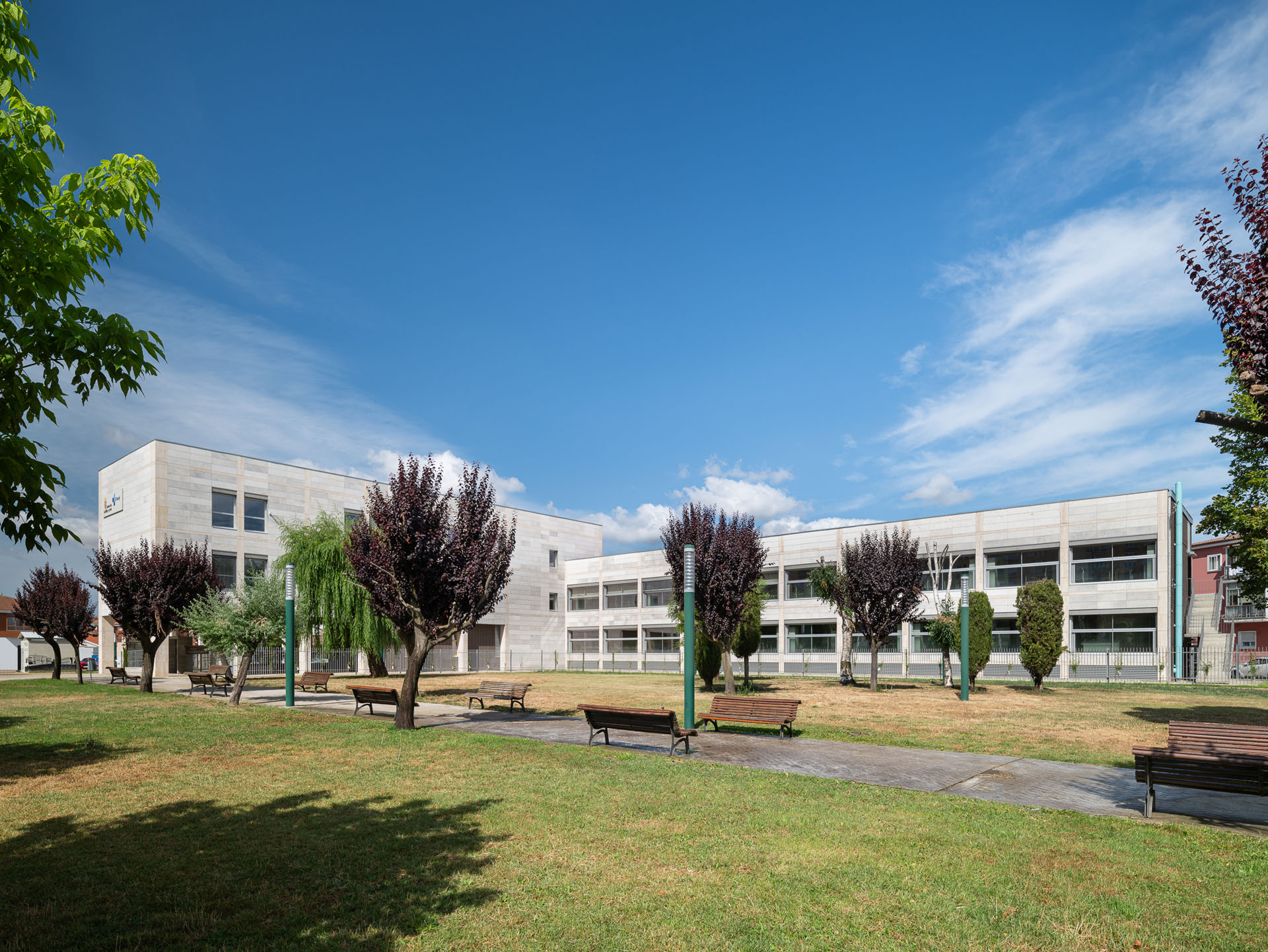
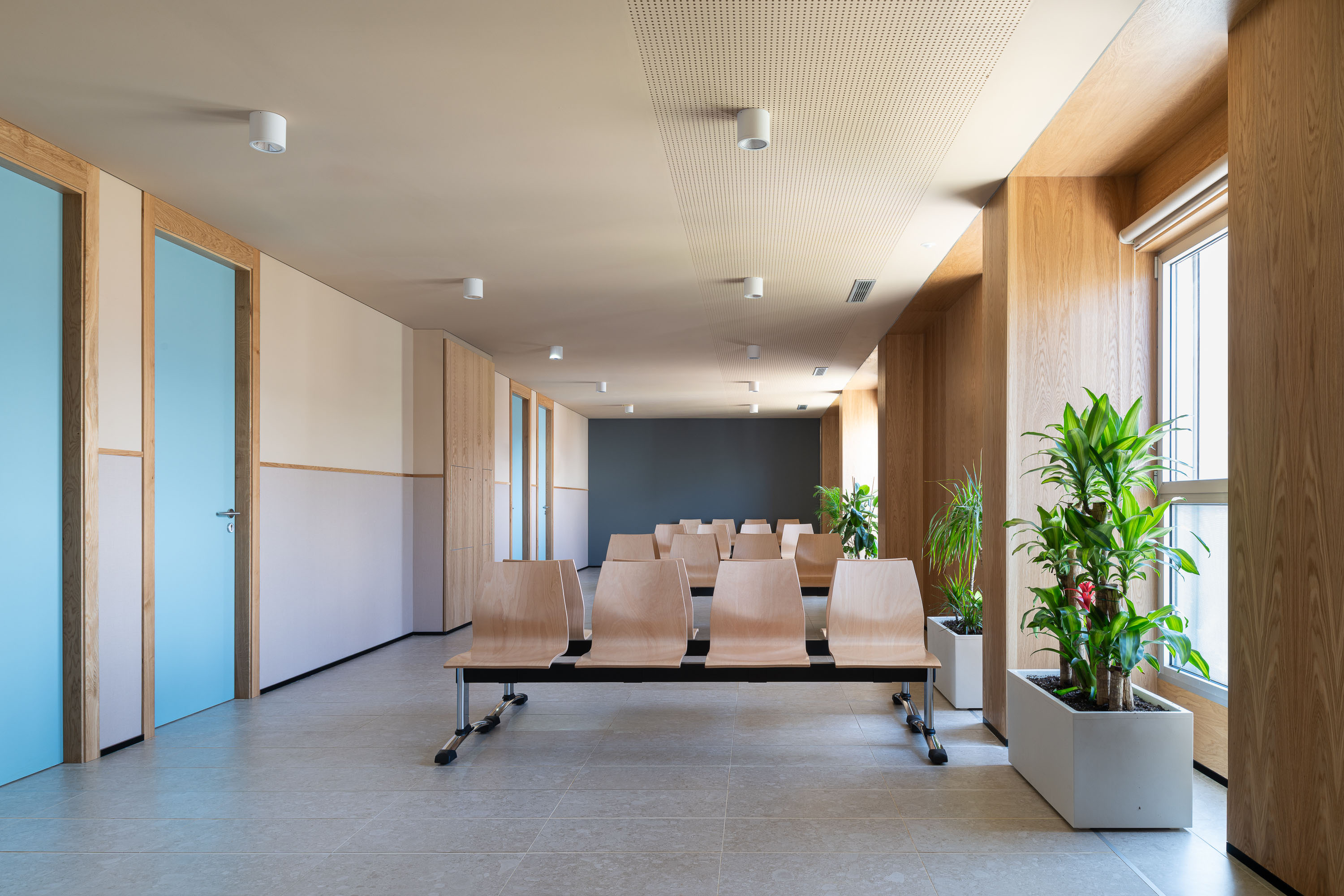
To insert a structure into the urban fabric without noise, yet with clarity, was one of the essential achievements of this project. Originally designed by Ramón Cañas Represa as a social and cultural center, the building spoke a sober and ordered architectural language. Its L-shaped volume, accompanied by a single-storey annex, formed a balanced configuration that once integrated seamlessly with the neighborhood of Pinilla. However, years of abandonment and lack of maintenance had left it in a deteriorated state, requiring not only physical restoration but also a symbolic reclamation. This quiet yet deliberate attitude is reflected in the interior spaces, where functionality coexists with comfort. Natural light filters in generously, guided by a layout that prioritizes user experience. Waiting areas, consultation rooms, and circulation spaces have been designed to foster a sense of calm, privacy, and dignity—essential for both healthcare delivery and human connection.
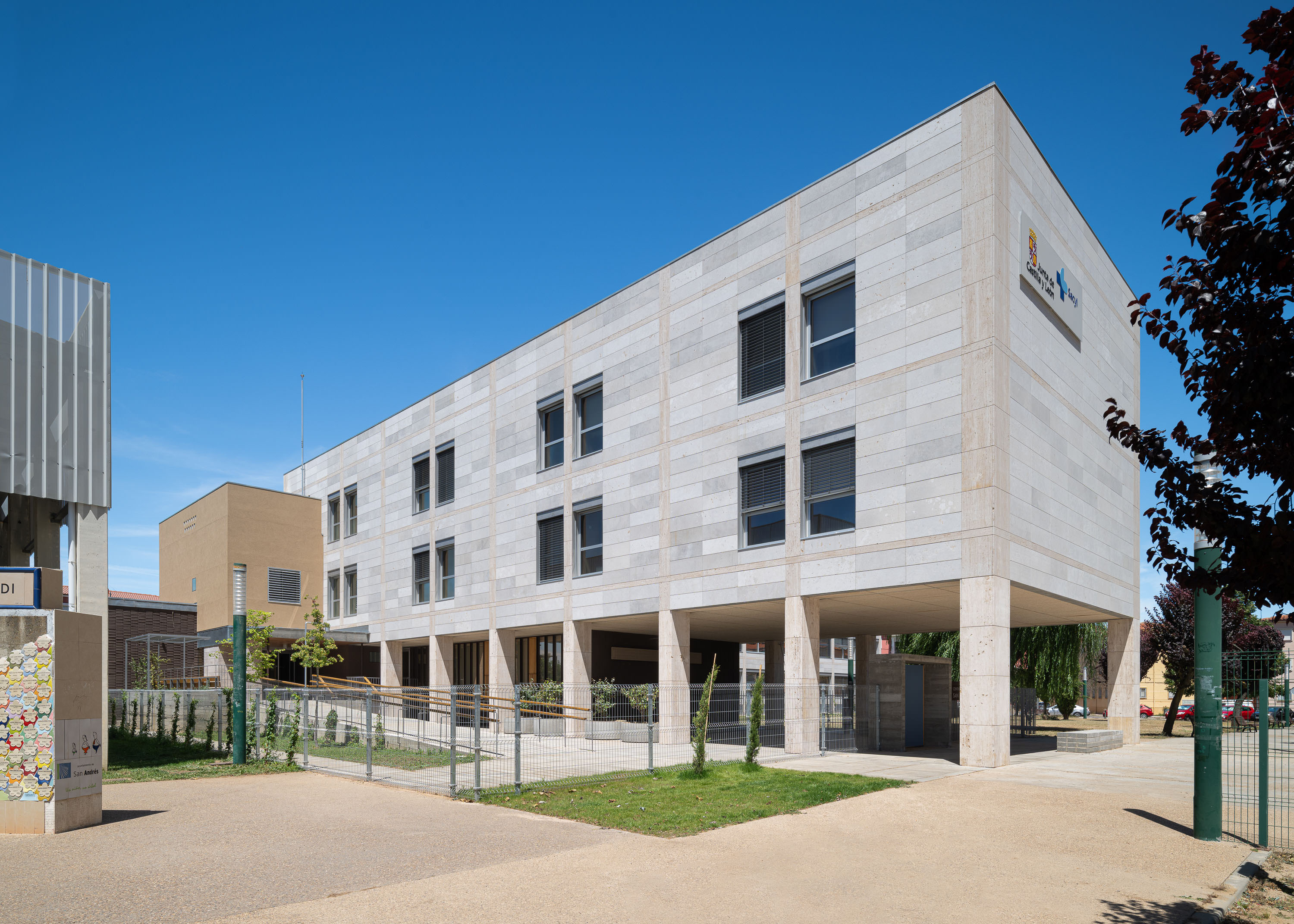
The early stages of Gallegos Borges’s work focused on the structural recovery of the building. Carbonation issues detected in several of its elements posed a technical challenge which, once resolved, allowed the project to move forward with renewed momentum. This initial rigor laid the foundation for a transformation process grounded in essential values—solidity, continuity, and respect for the original framework.
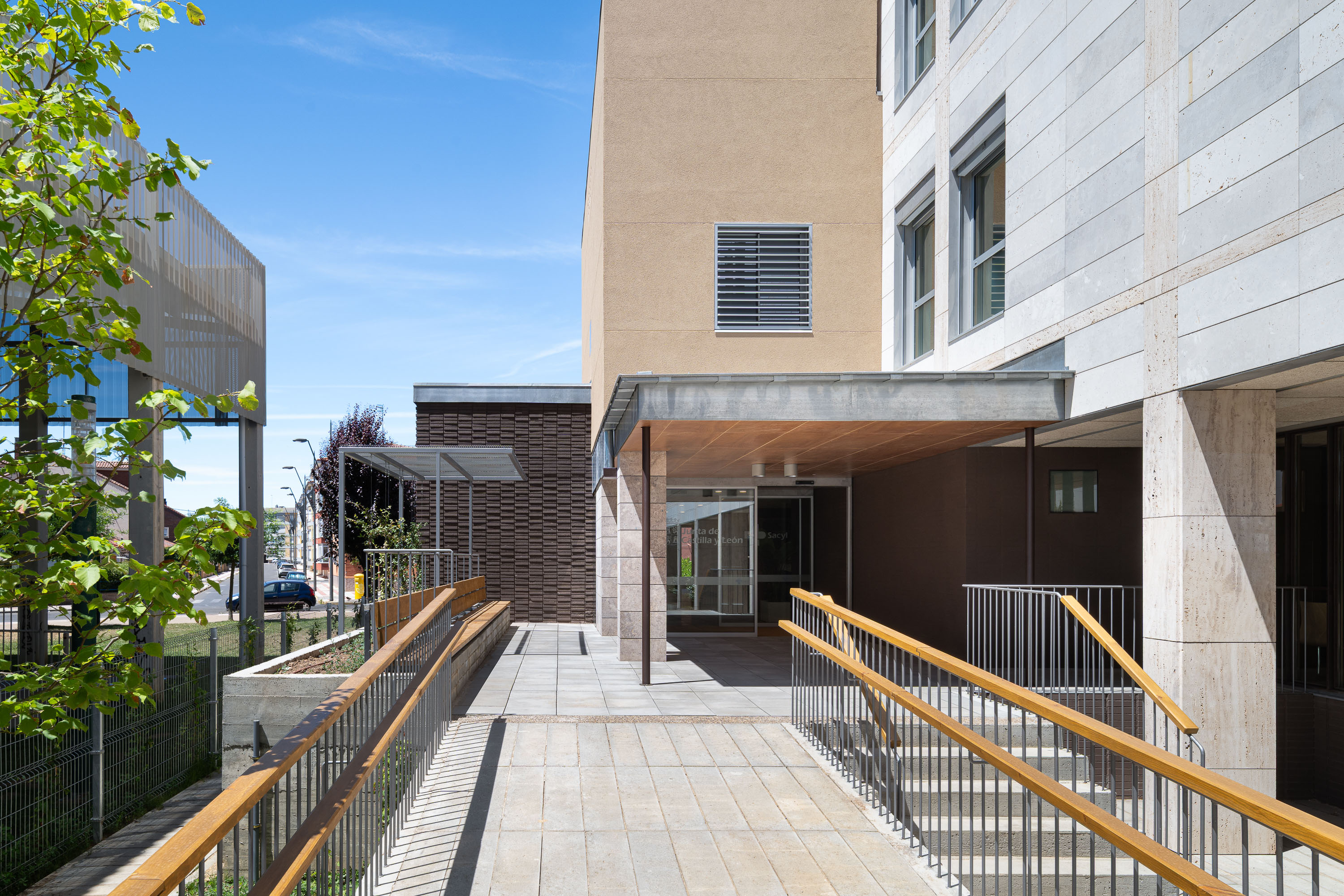
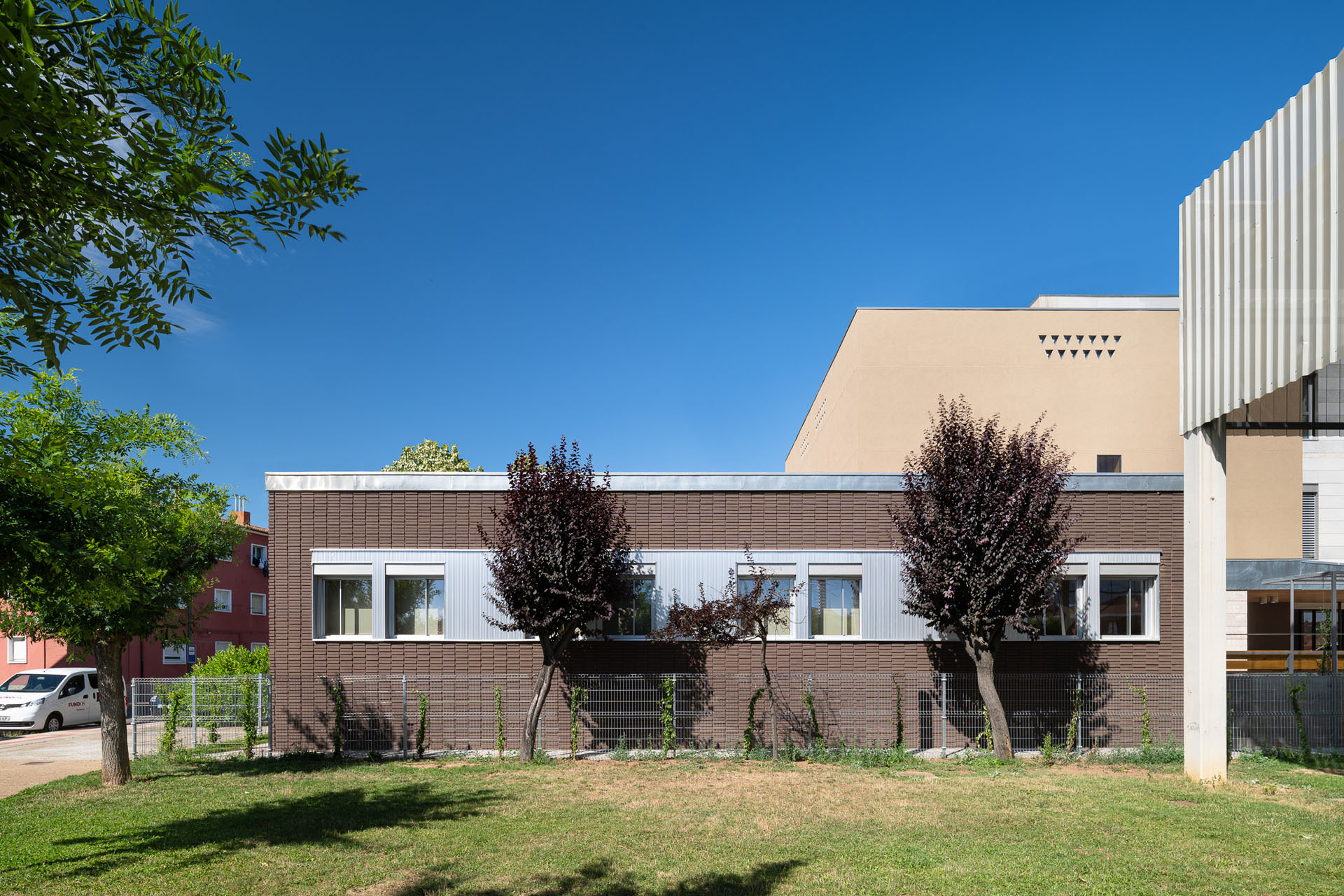
One of the original building’s notable qualities was the openness of its floor plans. This was enabled by a system of prestressed ceramic beam slabs that removed the need for interior columns. The architect took full advantage of this, reorganizing the health center’s program in a way that maintained spatial fluidity and allowed for generous natural light, smooth circulation, and precise adaptation to both staff and patient needs.
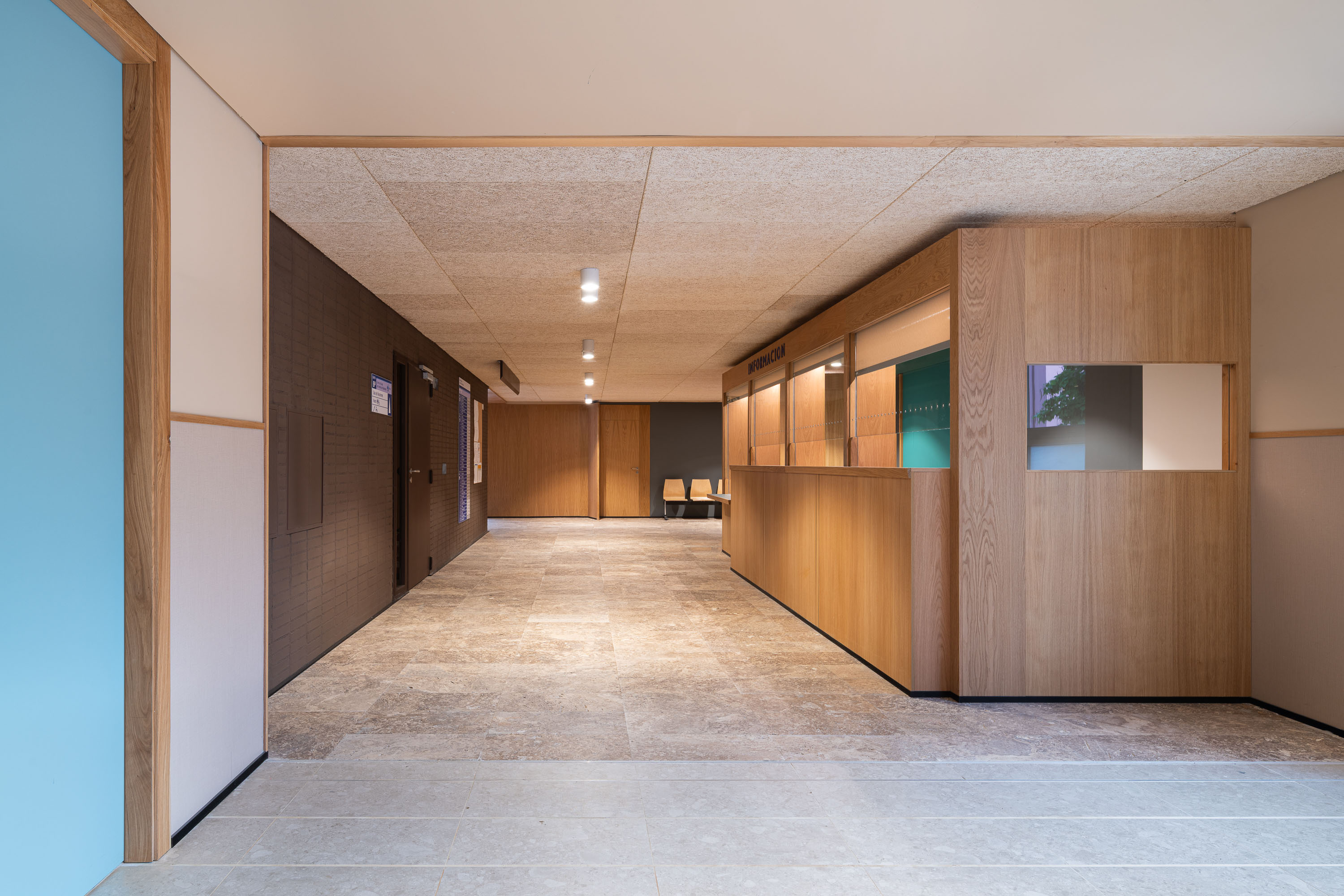
"In every recovered structural line, there is a commitment to both memory and the future of the city."
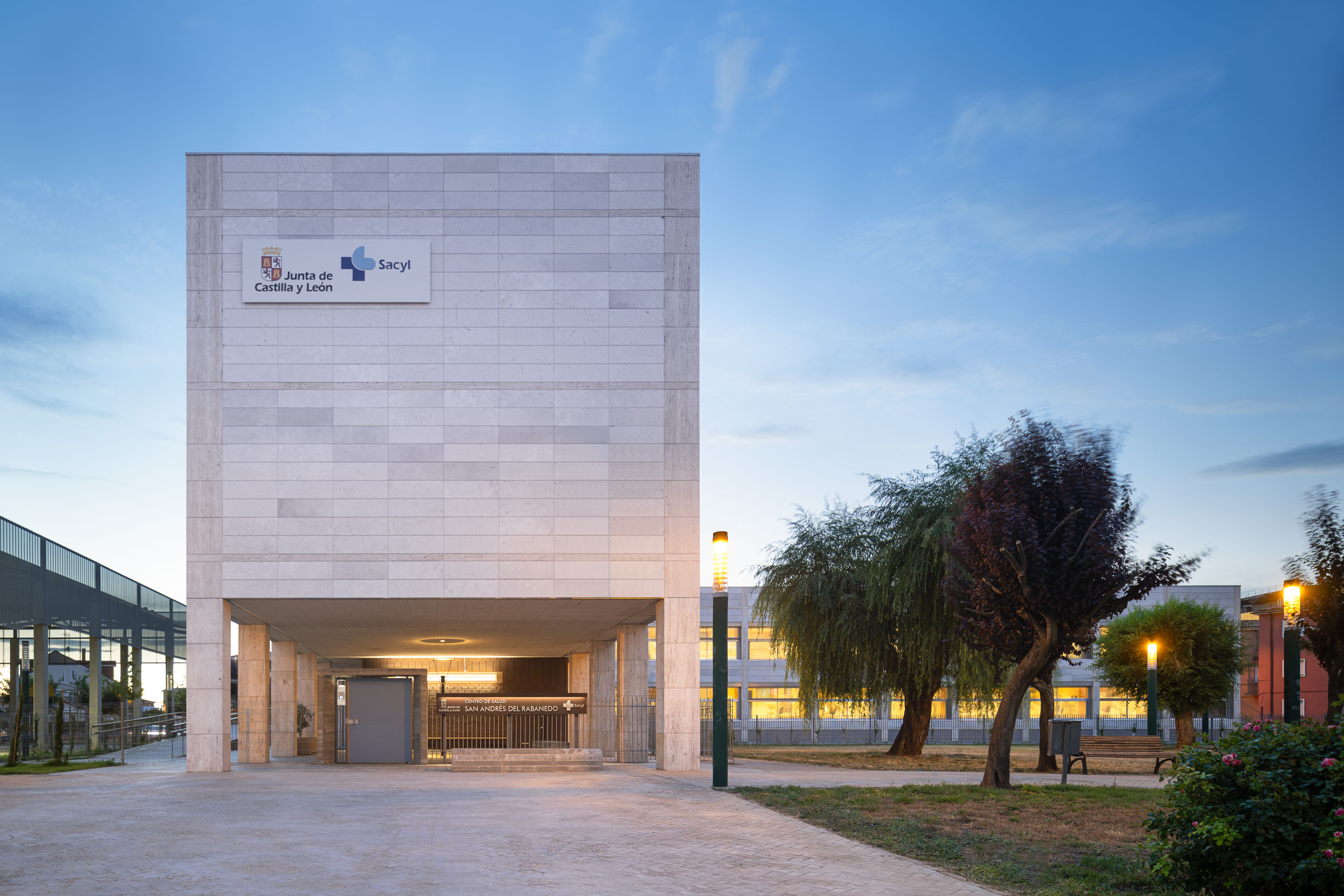
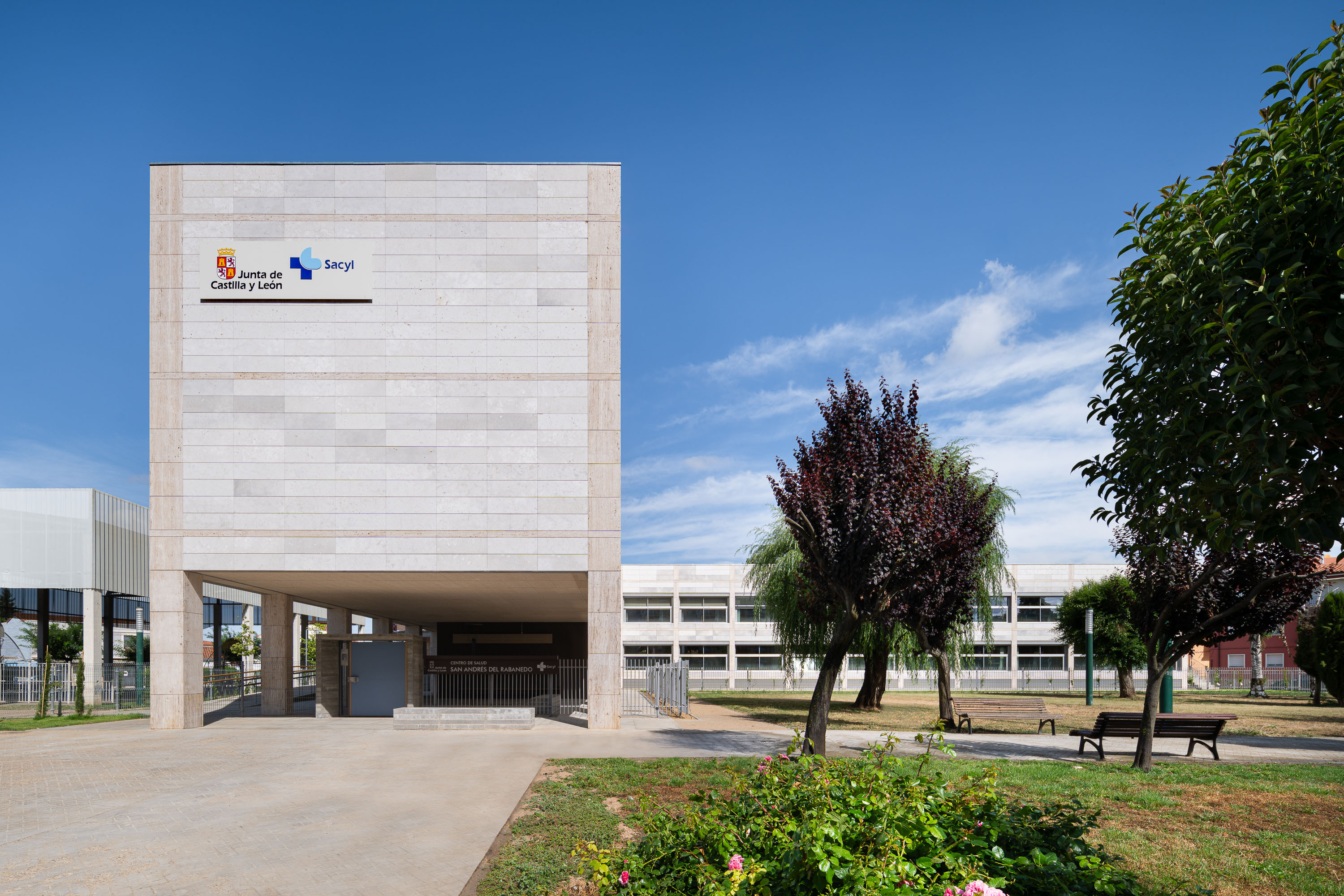
The new exterior envelope, clad in limestone and travertine, maintains the building’s serene, composed presence. It’s a skin that doesn’t compete with the structure, but frames it—adding texture and visual richness while honoring the orderly rhythm of the structural grid. The horizontal lines of the slab projections and the vertical cadence of the supports are now brought back to prominence, reaffirming a composition where formal stability conveys trust and warmth.
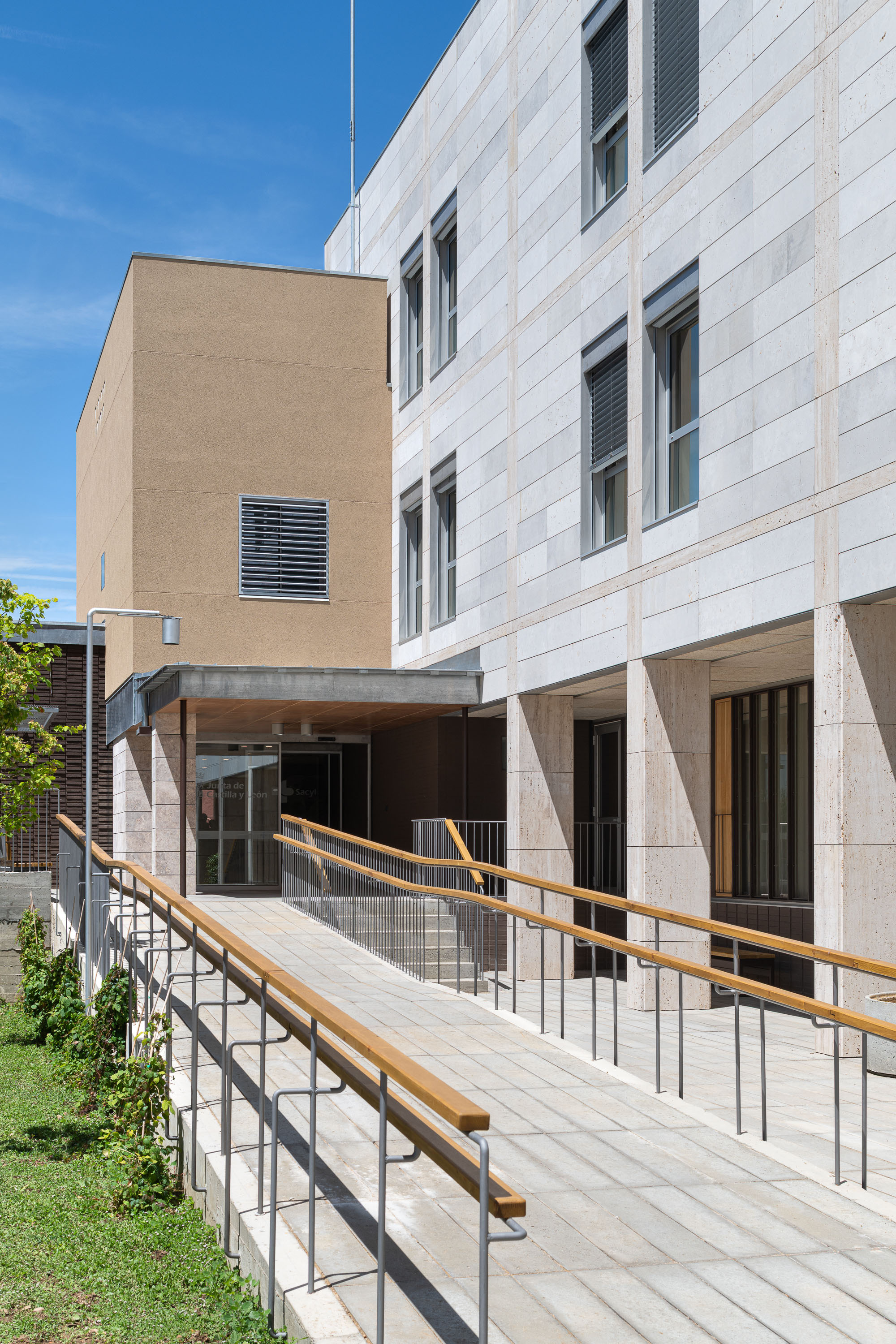
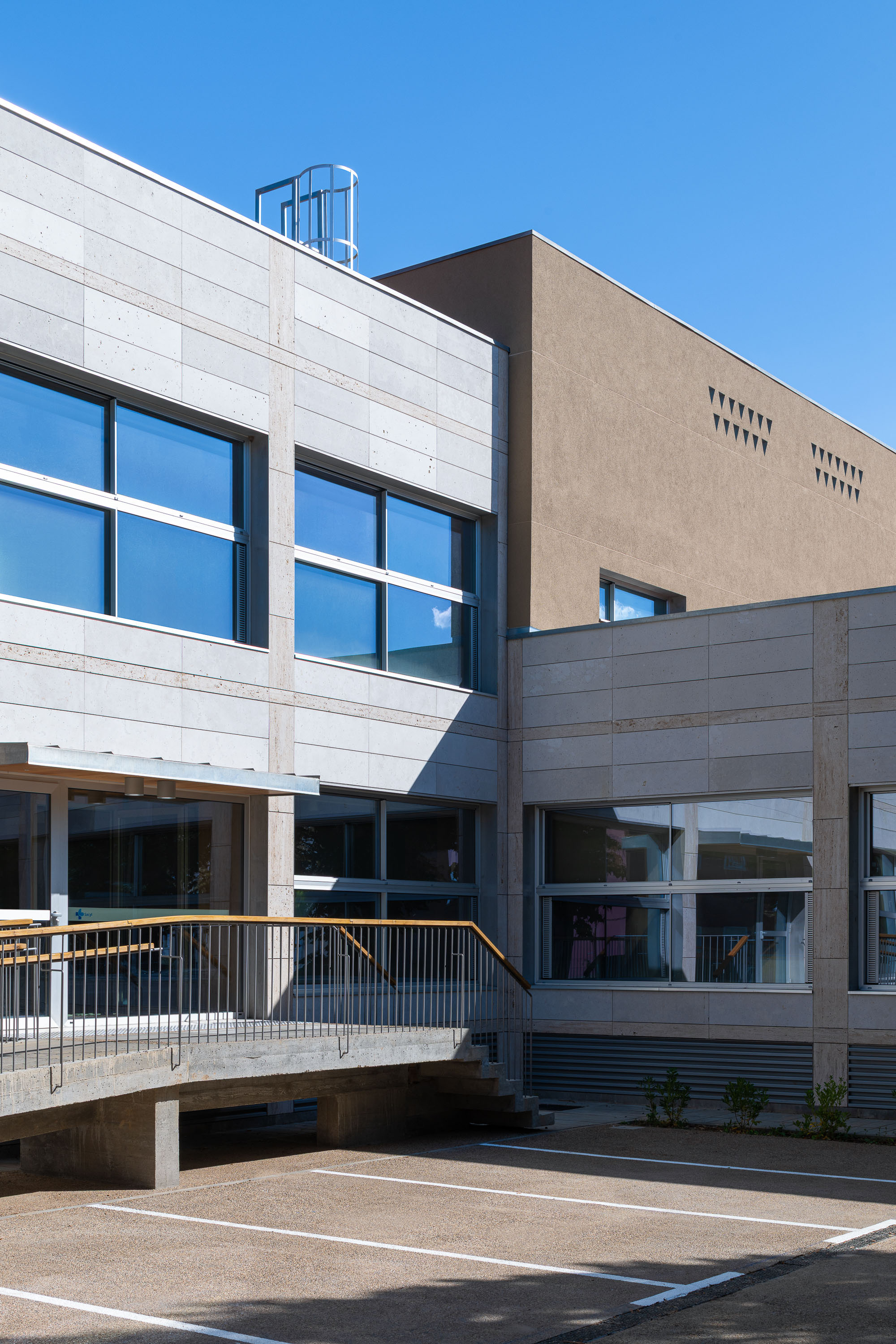
The intervention avoids spectacle. There are no grand gestures or unnecessary ruptures. Instead, every move is measured, attentive to rhythm, proportion, and material quality. Architecture here becomes a tool of care, an act of respect toward what was already there—and toward the people who use the space daily. Restoration becomes a practice of listening: to the structure, its past, and the community it now serves.
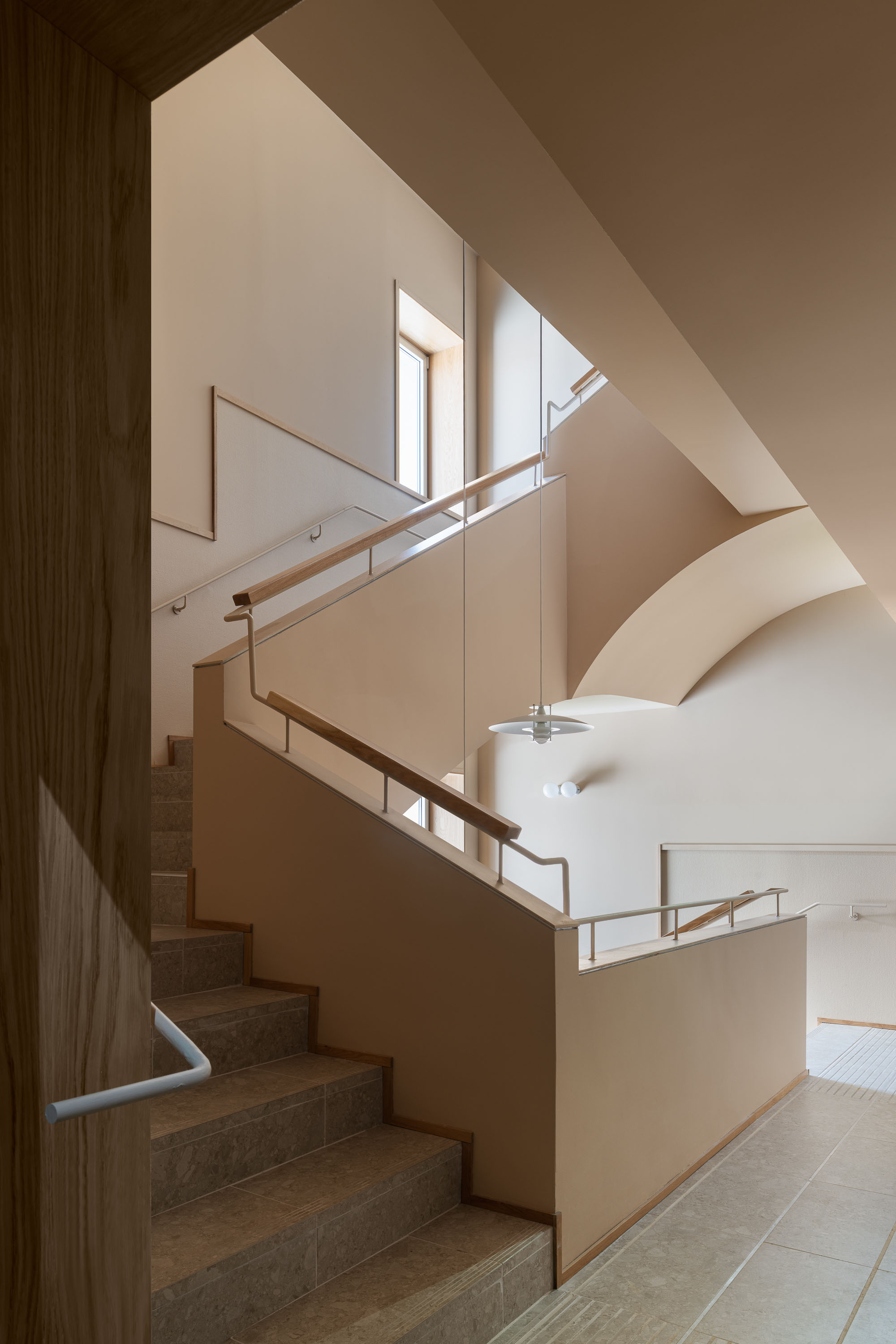
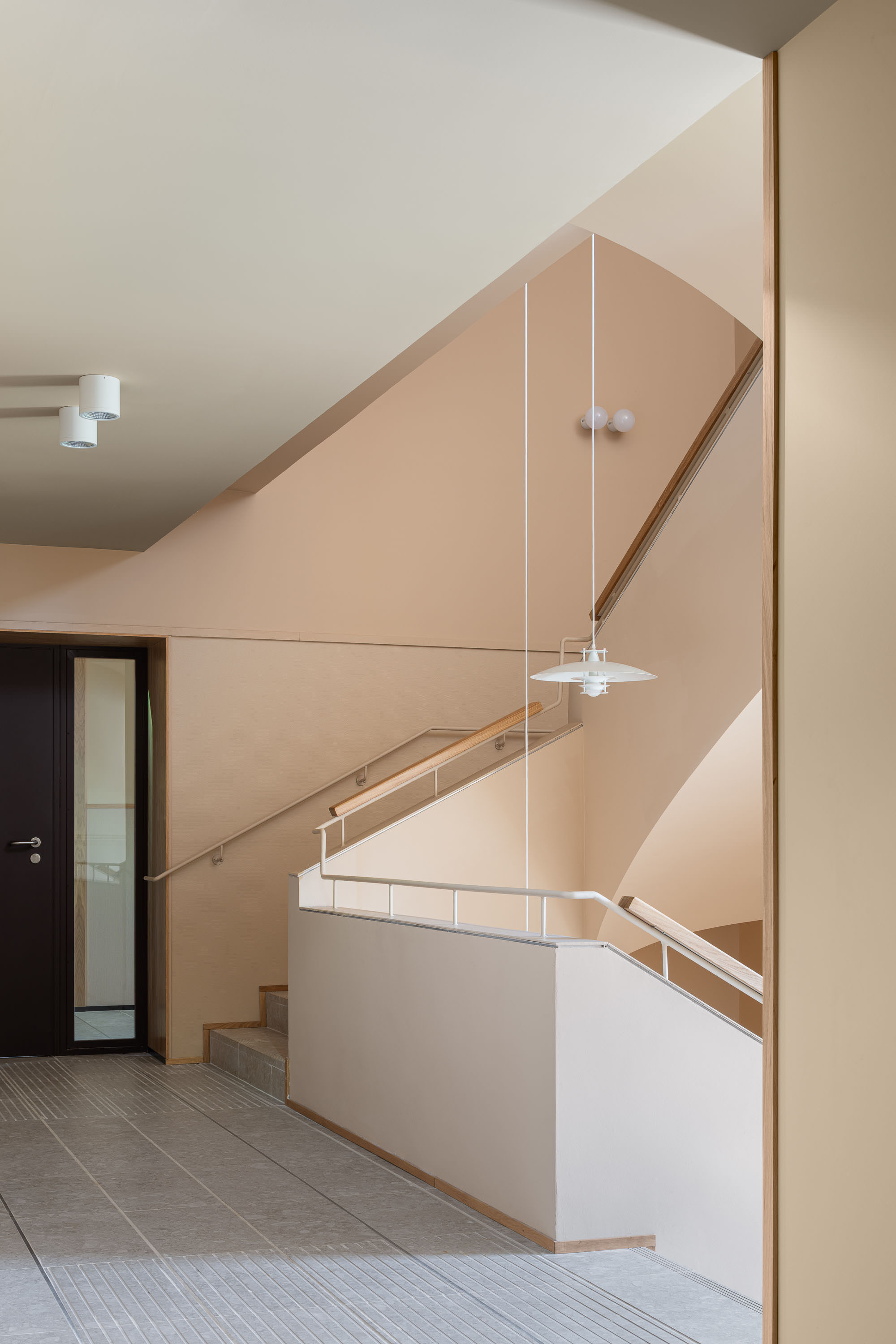
Amidst a neighborhood of modest, welcoming scale, the building now reclaims its place. In contrast to a nearby oversized residential structure that disrupts the urban balance, Centro de Salud Pinilla proposes an architecture that restores proportion and meaning. Its presence doesn’t aim to dominate but to repair the urban fabric, bringing cohesion and coherence back to the area. It is an architecture that heals through its very form.
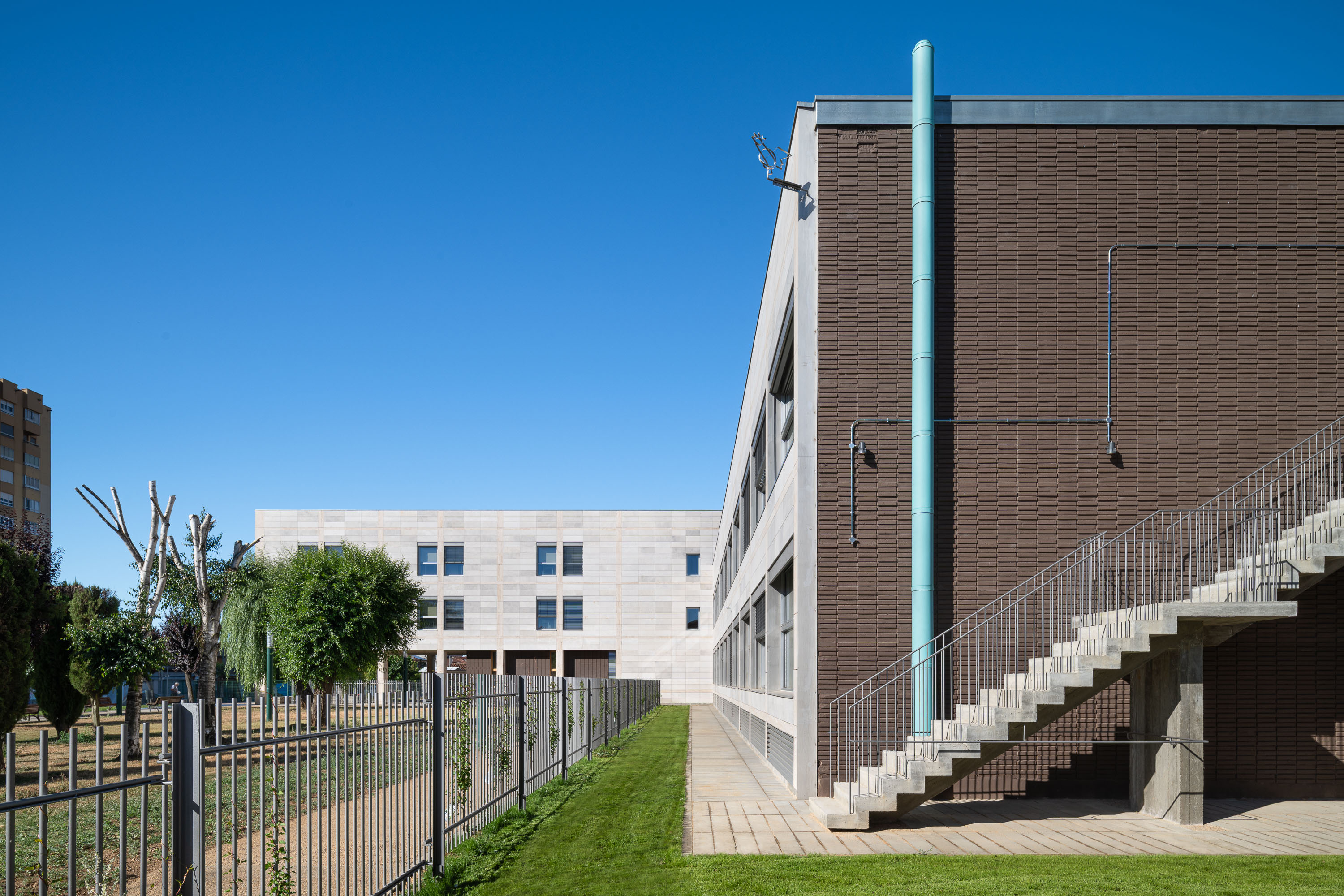
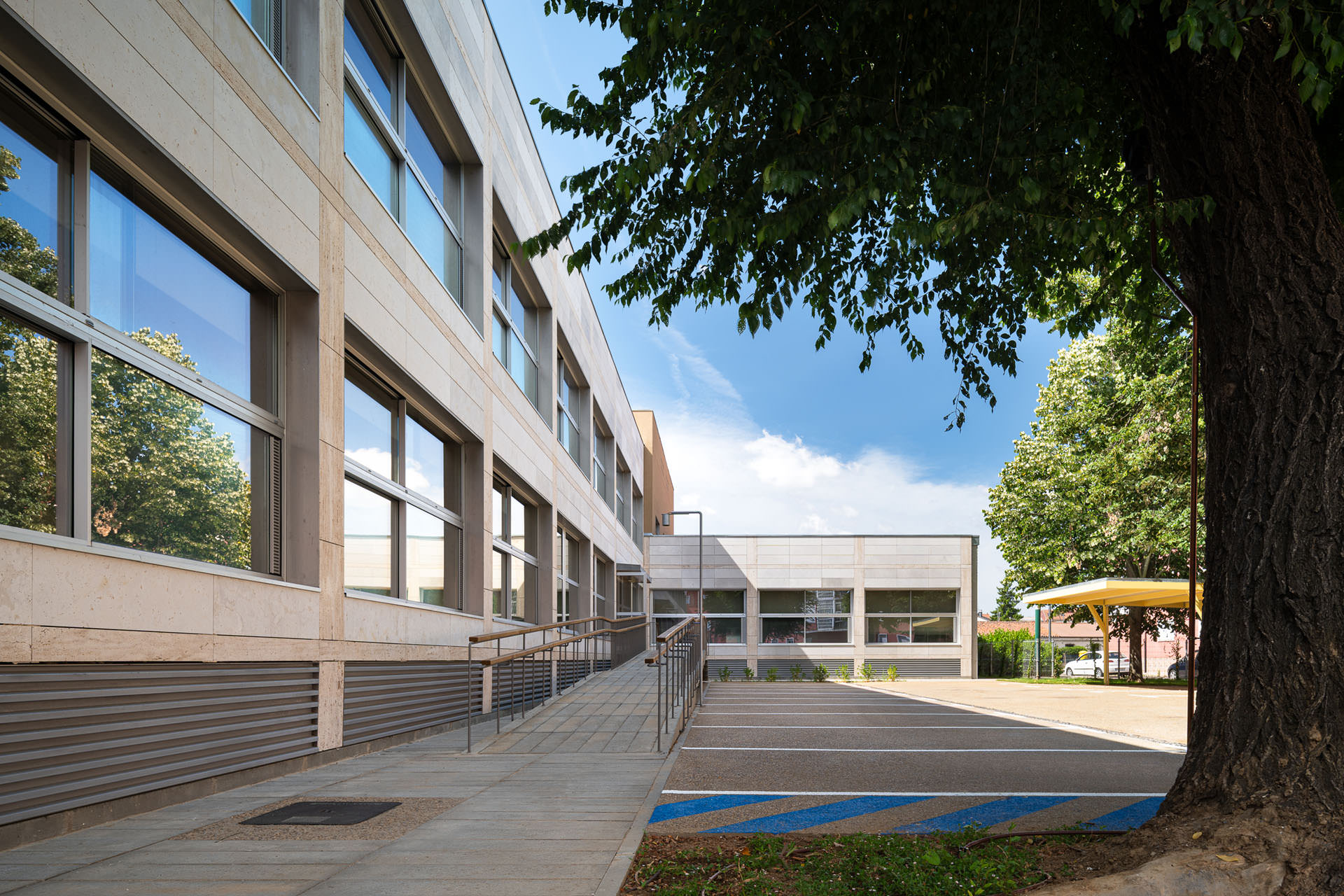
What Gabriel Gallegos Borges achieves here goes beyond renovation. It is a deep, active re-reading of time and context. The ability to perceive value in what seemed obsolete—and to work with contemporary tools without erasing traces of the past—gives the project depth and clarity. The building hasn’t been replaced; it’s been understood, and guided toward its next chapter.