Measured Continuity – Casa S by Valdemarin and Siuk Studio
Published
"Through clarity of form and controlled permeability, Casa S transforms everyday rituals into spatial experiences shaped by light, shadow and the quiet intelligence of environmental design."
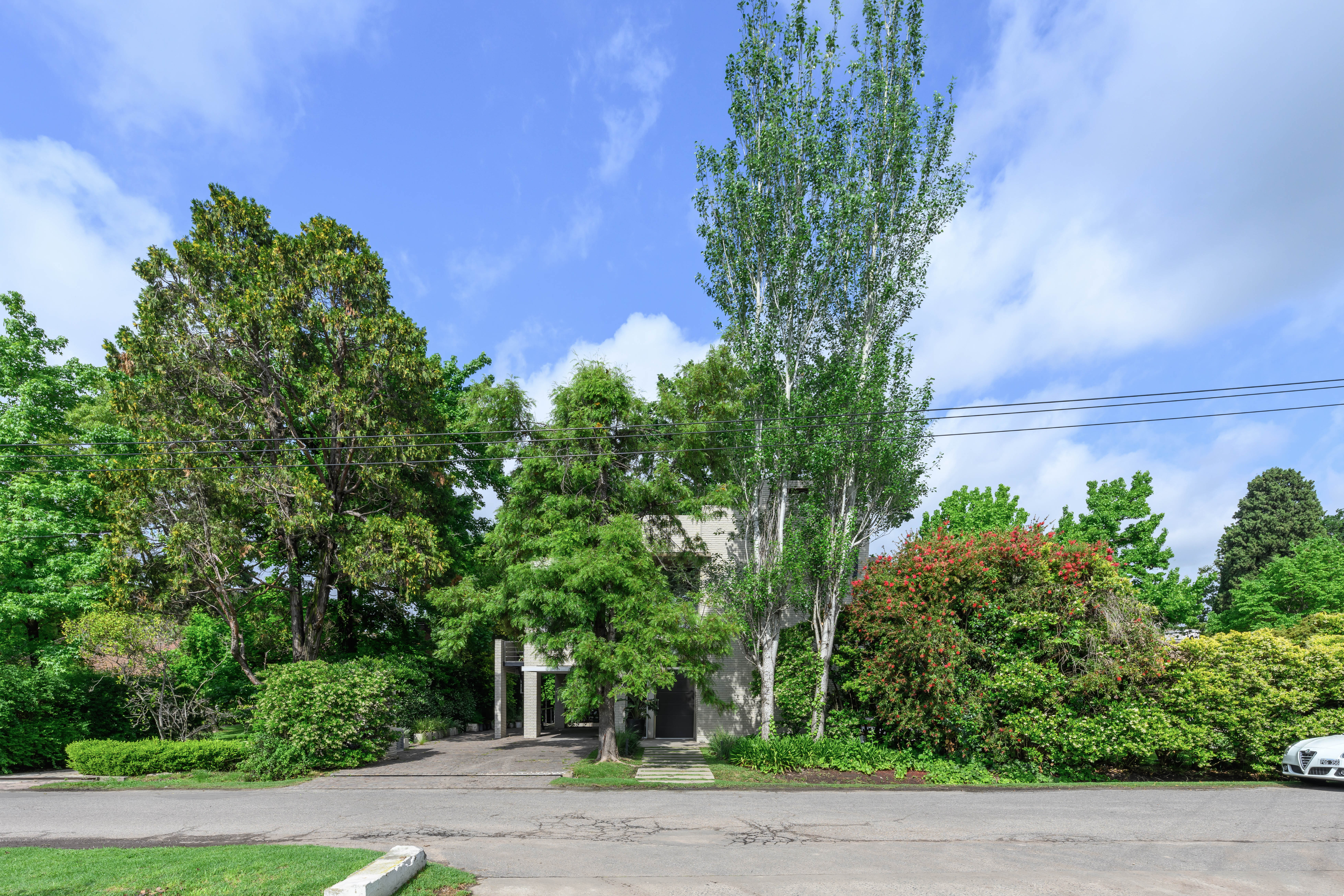
There is a quiet confidence to Casa S – a home that unfolds gently, revealing itself through light, proportion and measured transitions. Rather than seeking attention, it invites a slower inhabitation, where architecture becomes a composed backdrop to daily life and seasonal change.
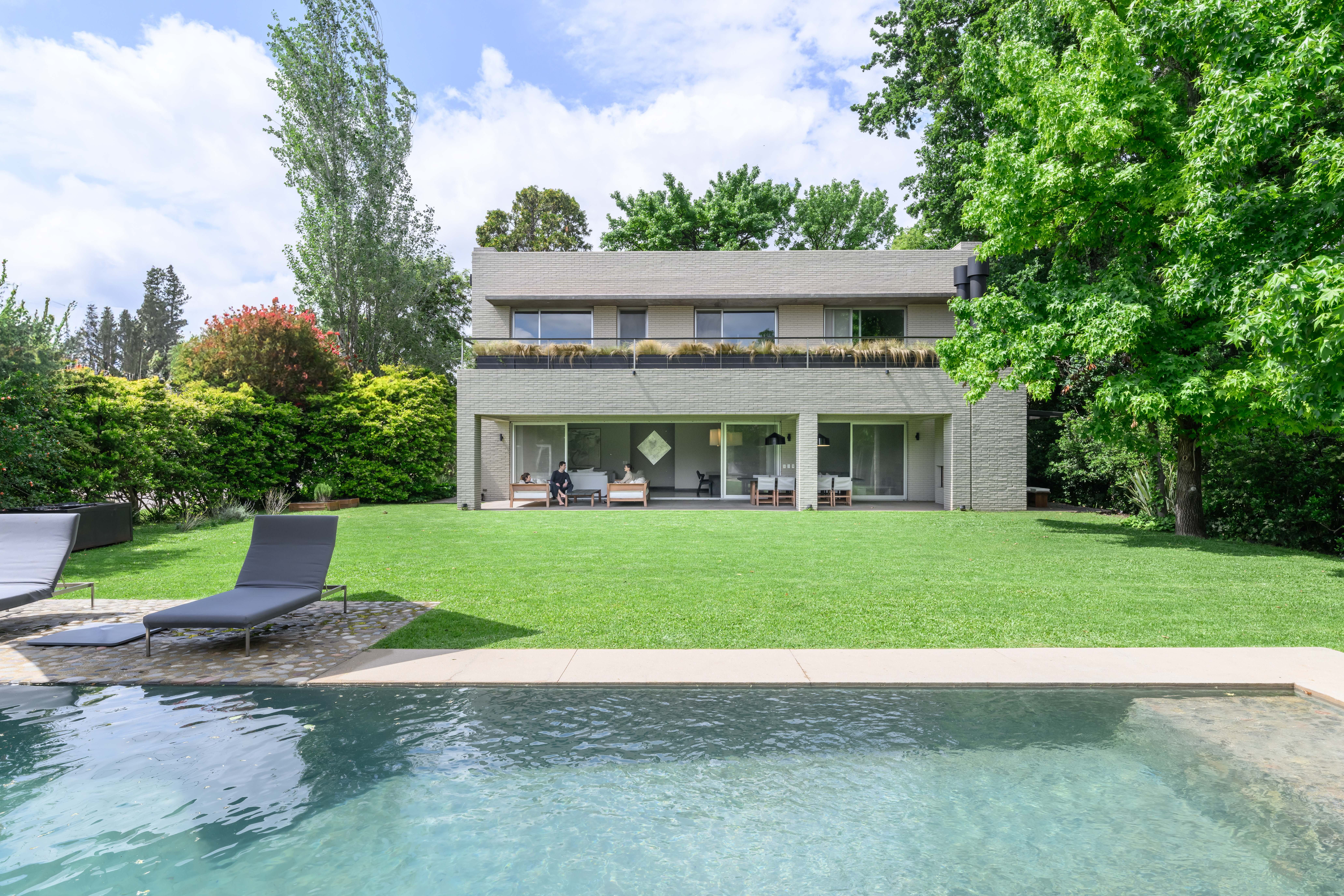
Casa S is conceived as a contemporary house structured by clarity and environmental intelligence. Its composition rests on a deliberate interplay between solid planes and transparent openings, establishing a spatial order that is immediately legible. Every gesture is measured, privileging everyday functionality over formal exuberance. The architecture resists spectacle in favour of coherence, allowing the plan to be understood intuitively and experienced fluidly. At the heart of the home lies a social core organized as a connected field of living, dining and shared use. These spaces are not treated as isolated rooms but as a continuous environment that encourages gathering and exchange. Broad openings extend domestic life toward exterior terraces and landscaped edges, dissolving the threshold between inside and out. This continuity enables the house to operate as an adaptable system rather than a fixed arrangement.
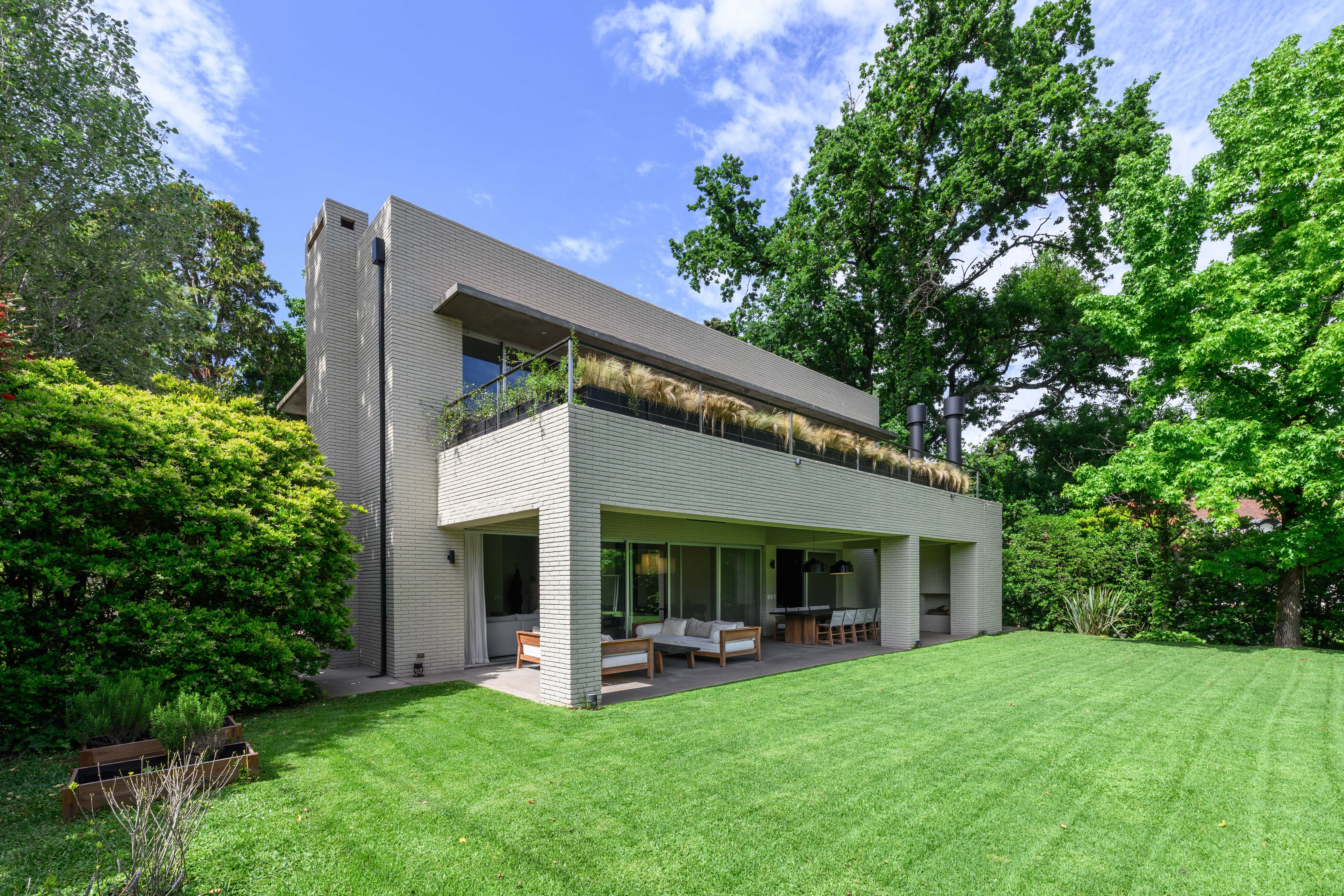
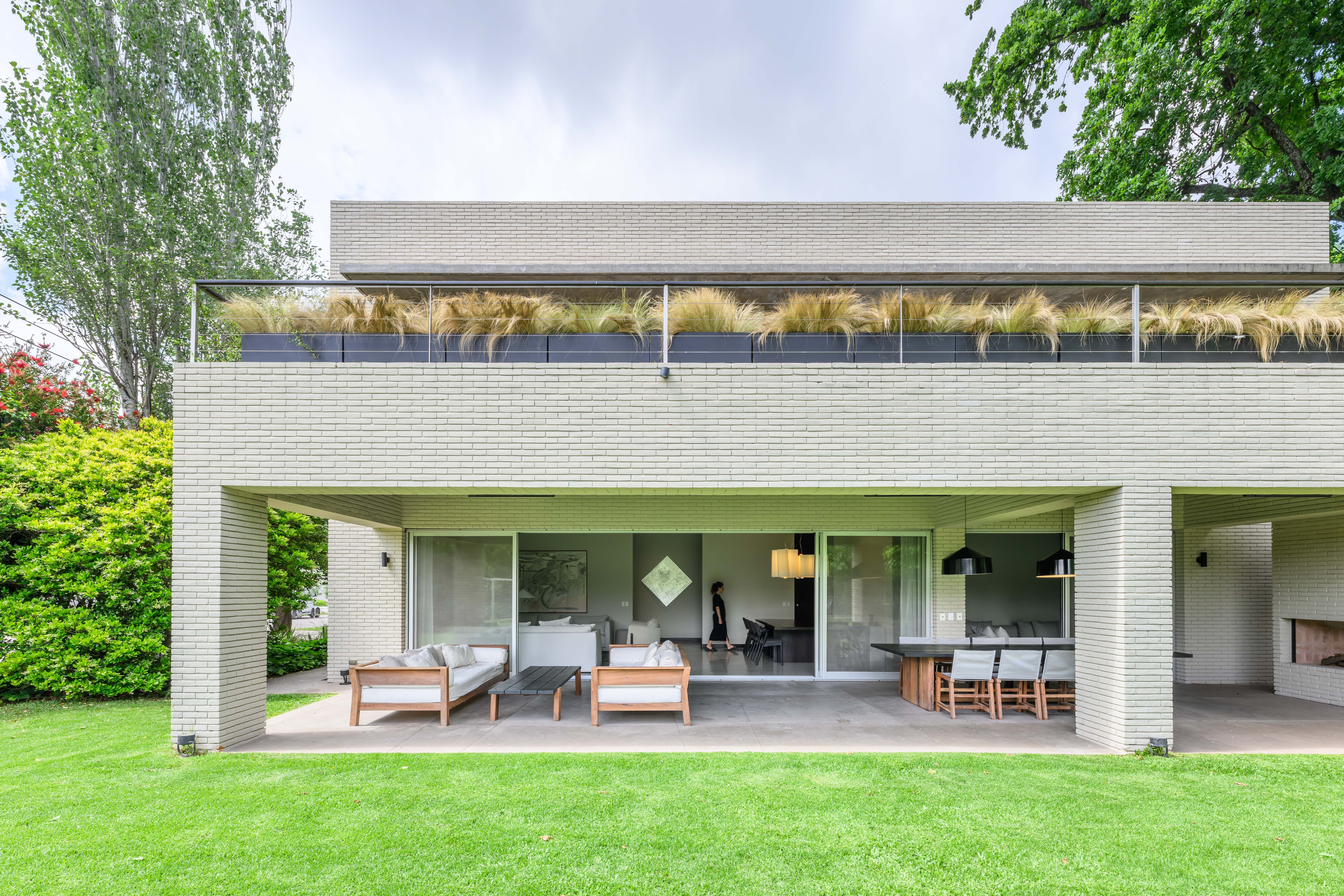
Transitions become central to the architectural narrative. Thresholds are not merely points of passage but moments of negotiation—between comfort and exposure, privacy and openness. Subtle level changes, framed views and controlled apertures define how one moves through the house, offering gradations of intimacy without abrupt separation. The result is a sequence that feels both deliberate and effortless.
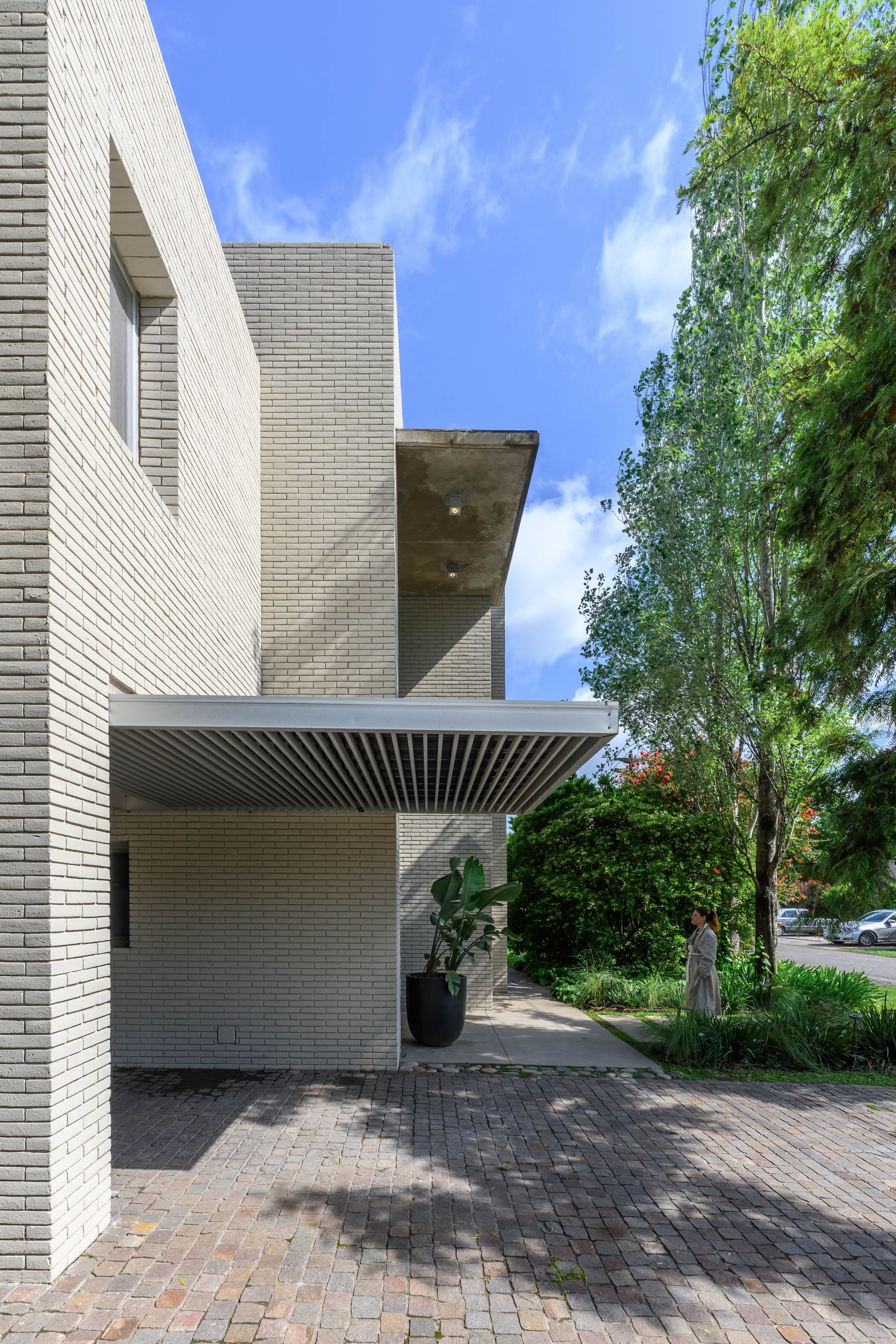
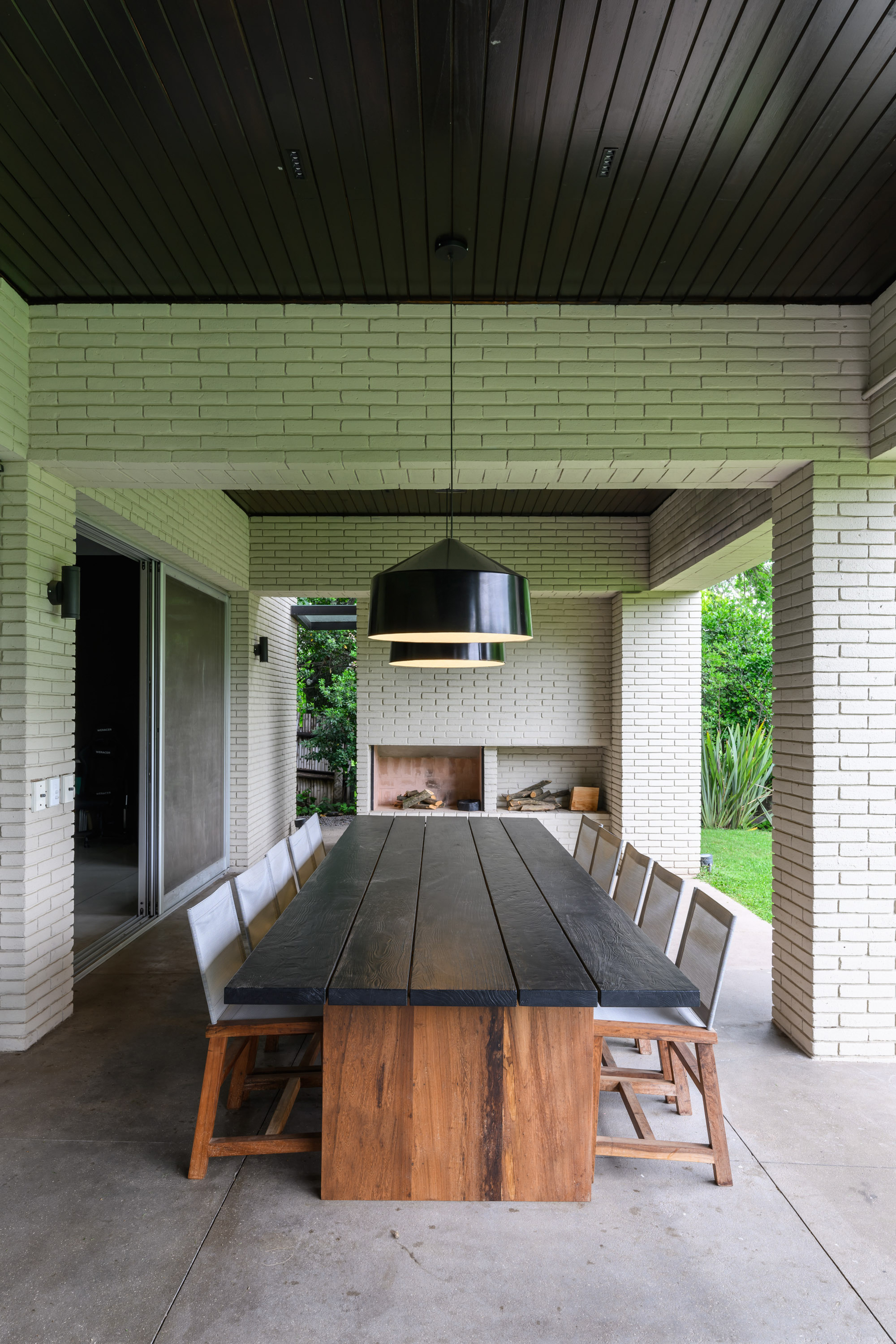
Permeability is carefully calibrated throughout the project. Generous glazed surfaces frame views and invite daylight deep into the interior, while opaque planes provide thermal control and visual privacy. This selective strategy ensures that transparency never compromises comfort. Instead, it supports seasonal adaptability, allowing the house to respond to shifting light and temperature while maintaining spatial coherence.
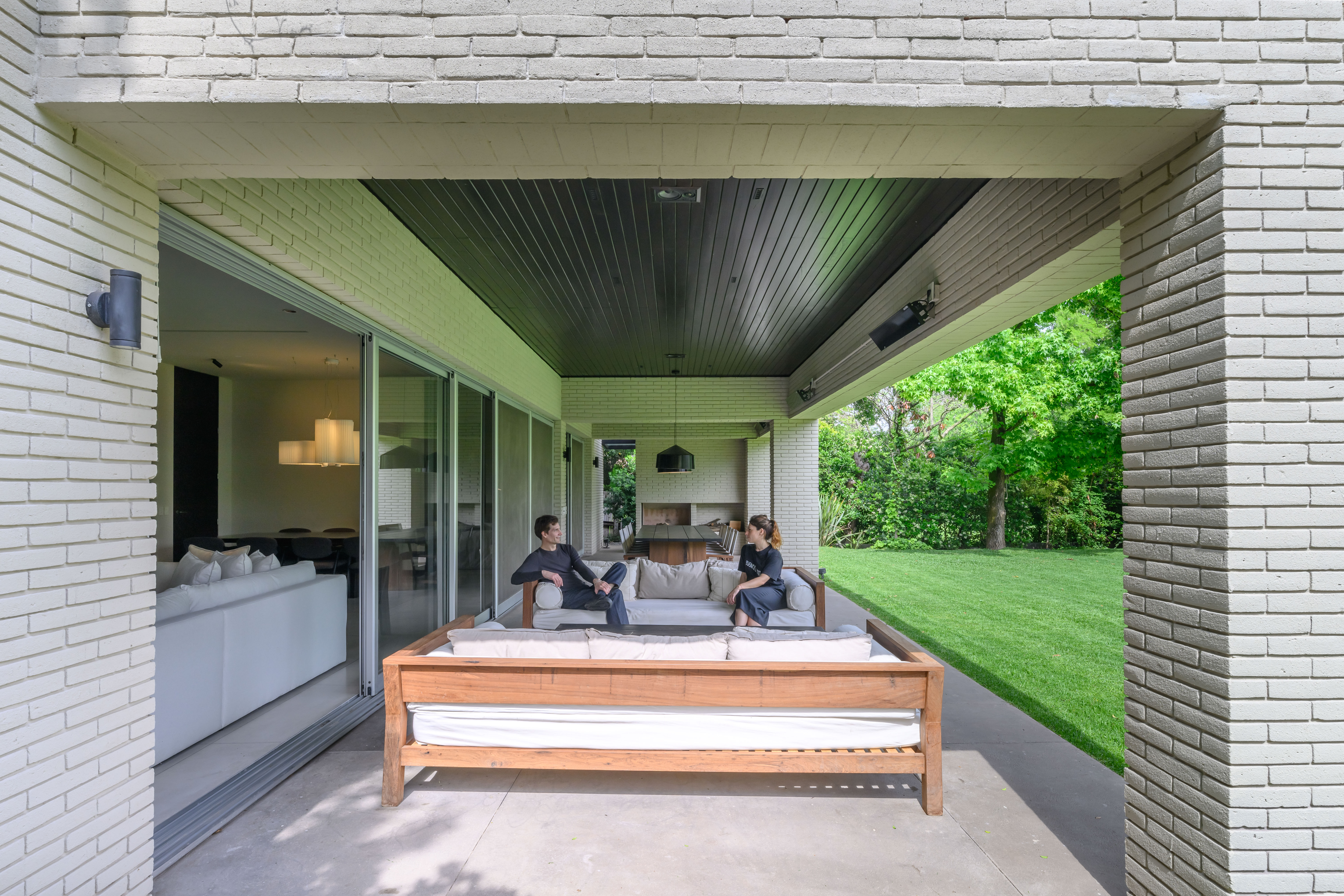
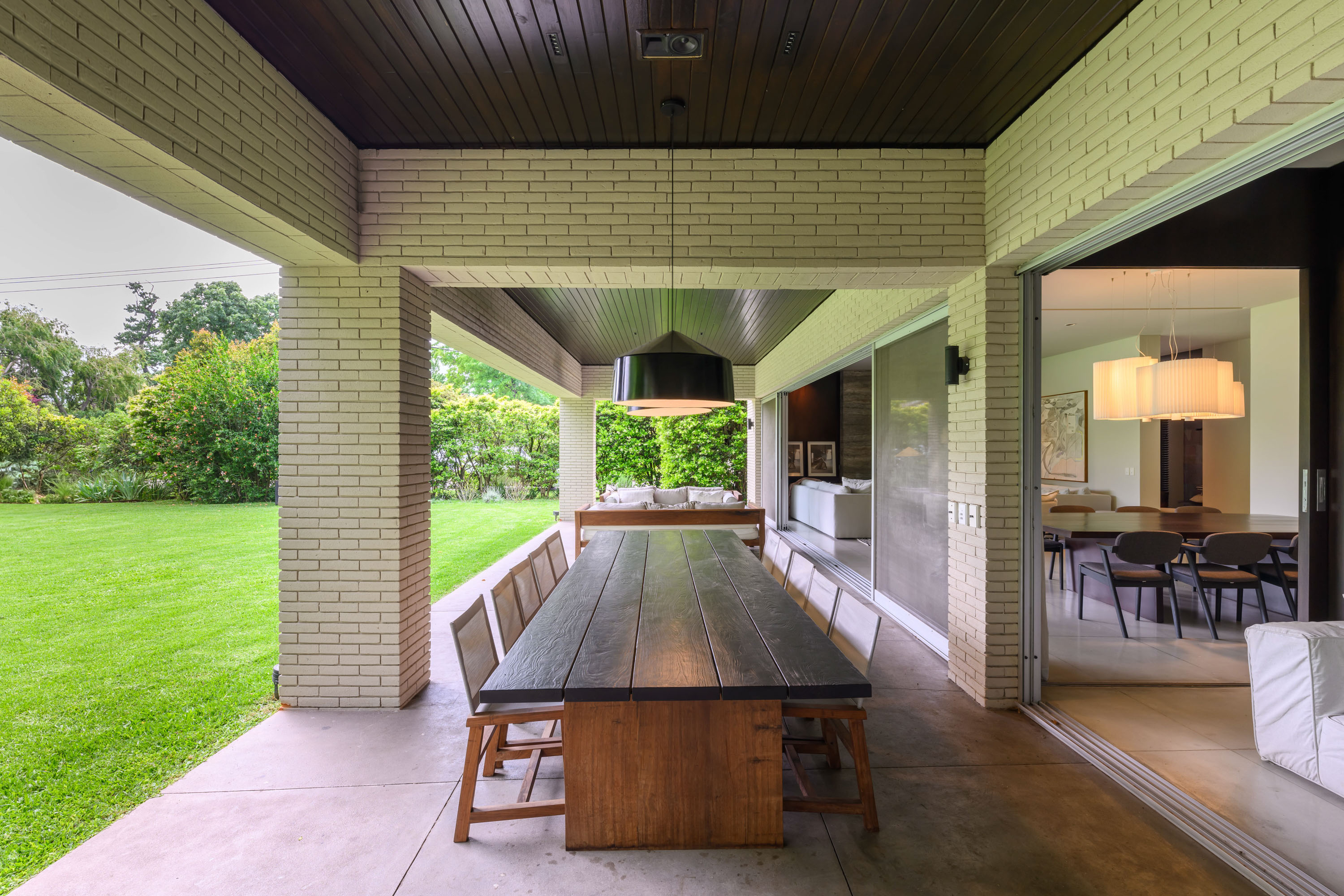
"In the balance between openness and refuge, material restraint and tactile warmth, the house reveals a contemporary vision of living rooted in calm, coherence and lasting comfort."
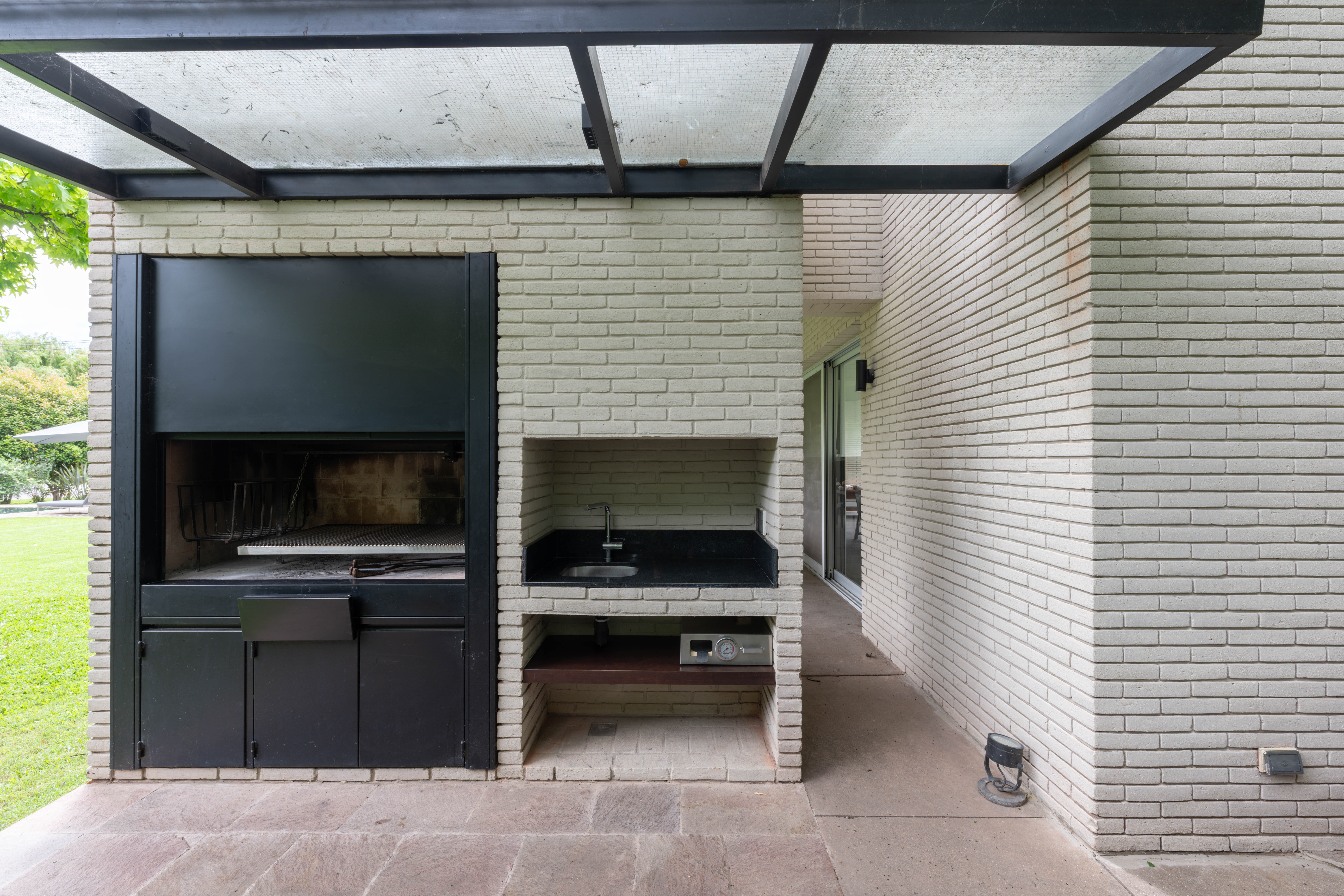
Materially, Casa S relies on a restrained and disciplined palette. Mineral and concrete-based surfaces lend mass and continuity, grounding the house within its context. Timber accents introduce warmth and tactility, softening key living areas and enhancing the sense of inhabitation. Metal-framed openings articulate edges with precision, sharpening details without disrupting the overall calm. Atmosphere here emerges from proportion and light rather than ornament.
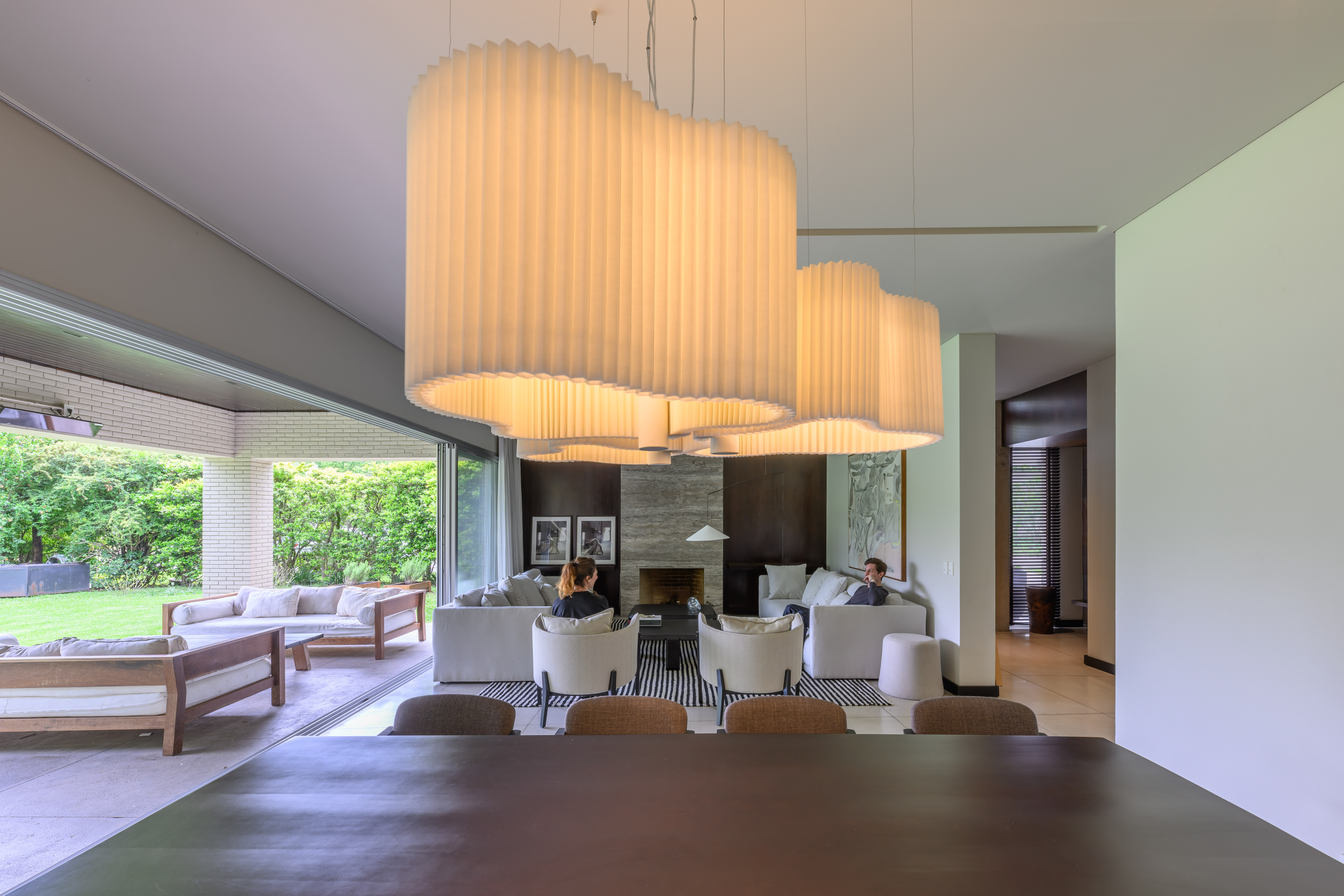
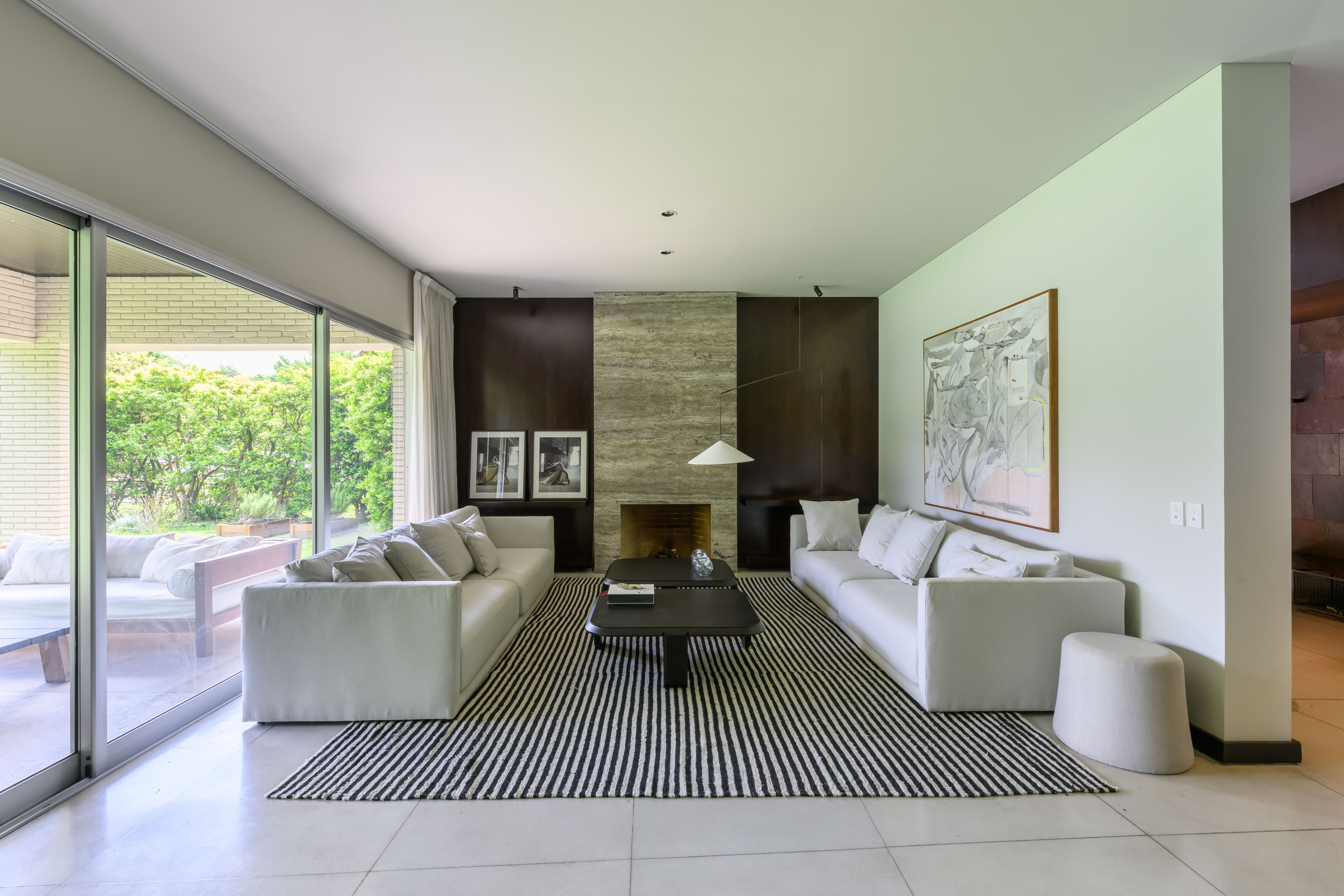
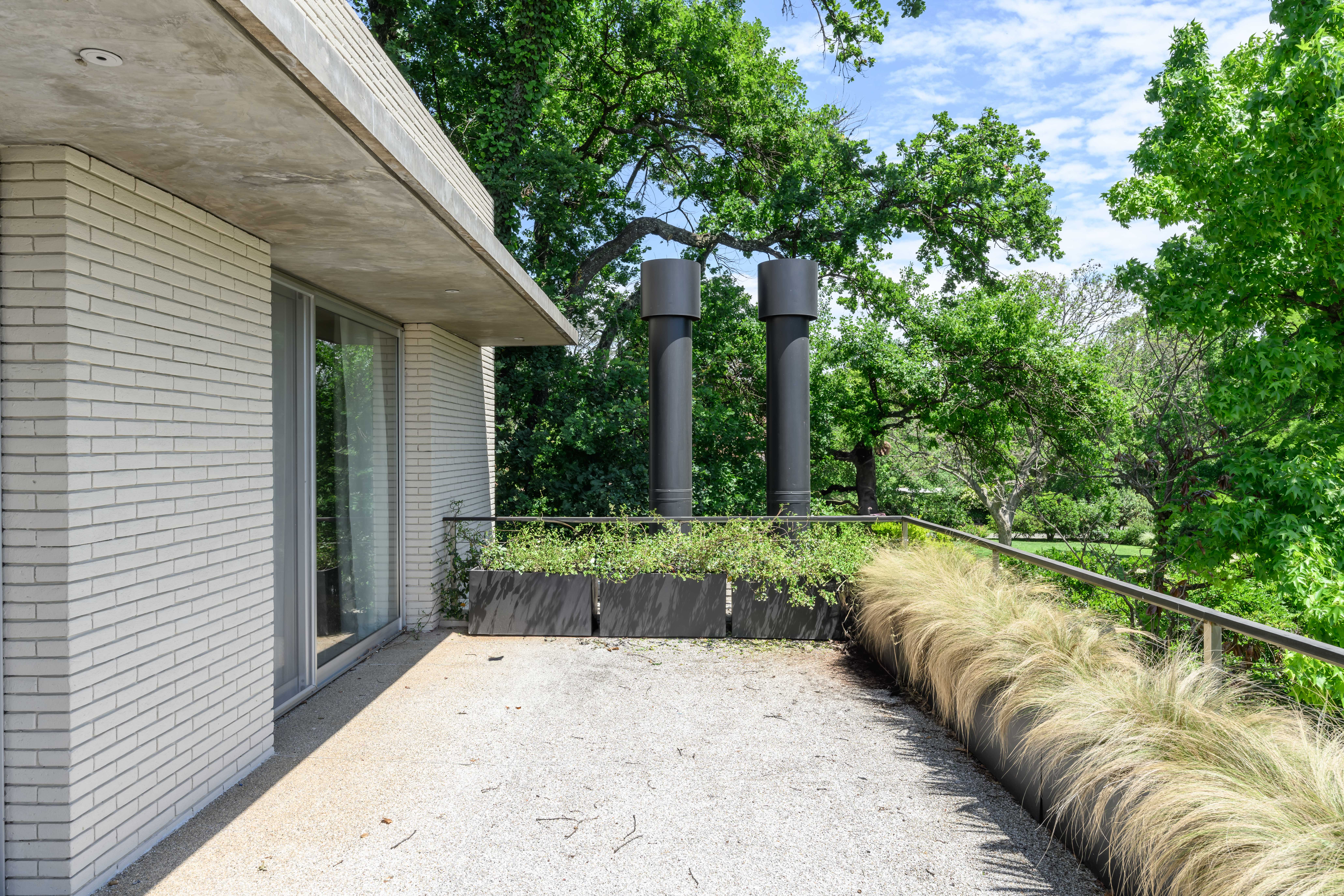
Exterior transitional zones—galleries, terraces and shaded bands—expand the functional footprint of the home. These intermediary spaces mediate climate, tempering sunlight and encouraging natural ventilation. They also serve as informal rooms for circulation and gathering, reinforcing the idea that the house extends beyond its enclosed walls. The dialogue between built form and landscape becomes an everyday experience rather than a conceptual gesture.
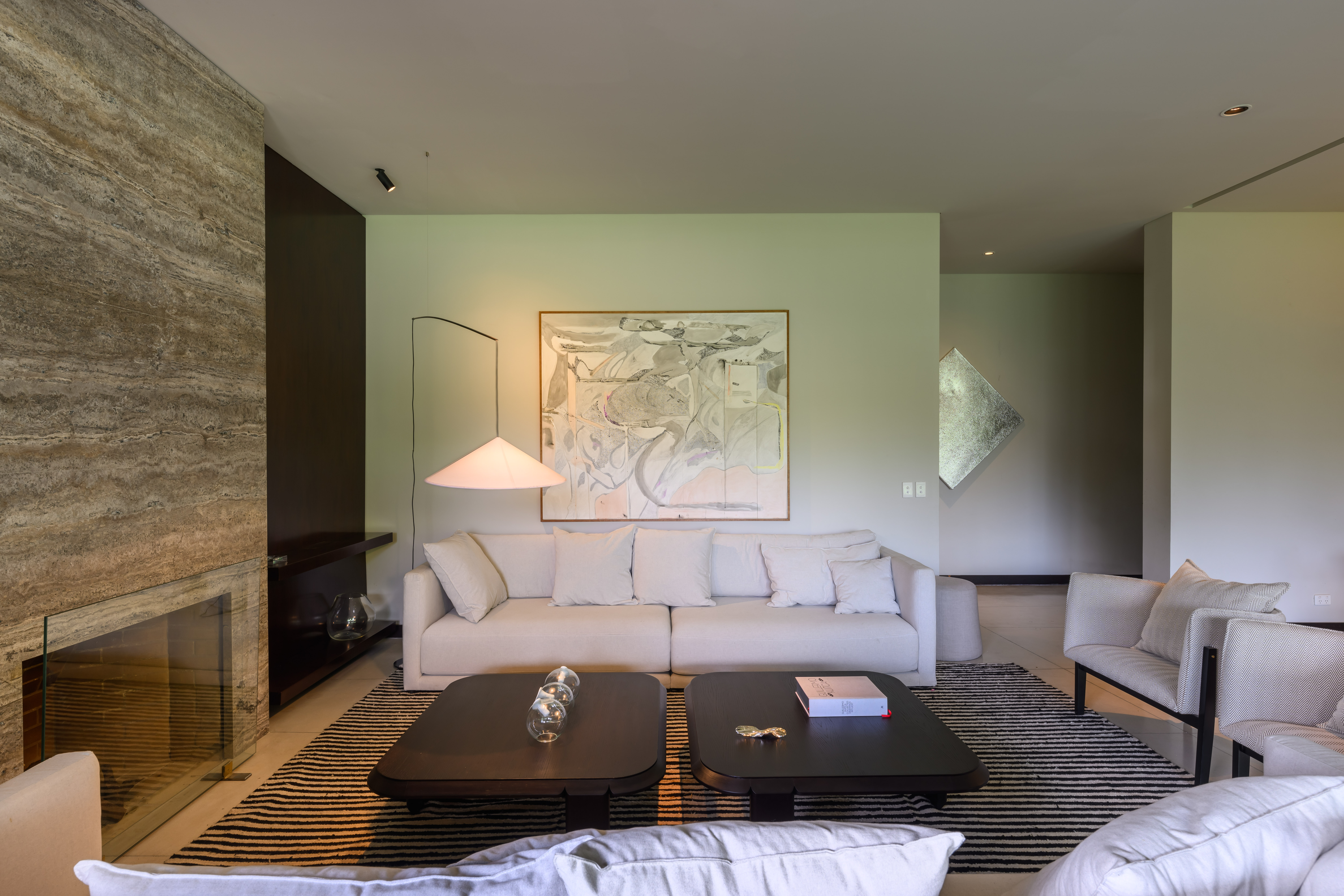
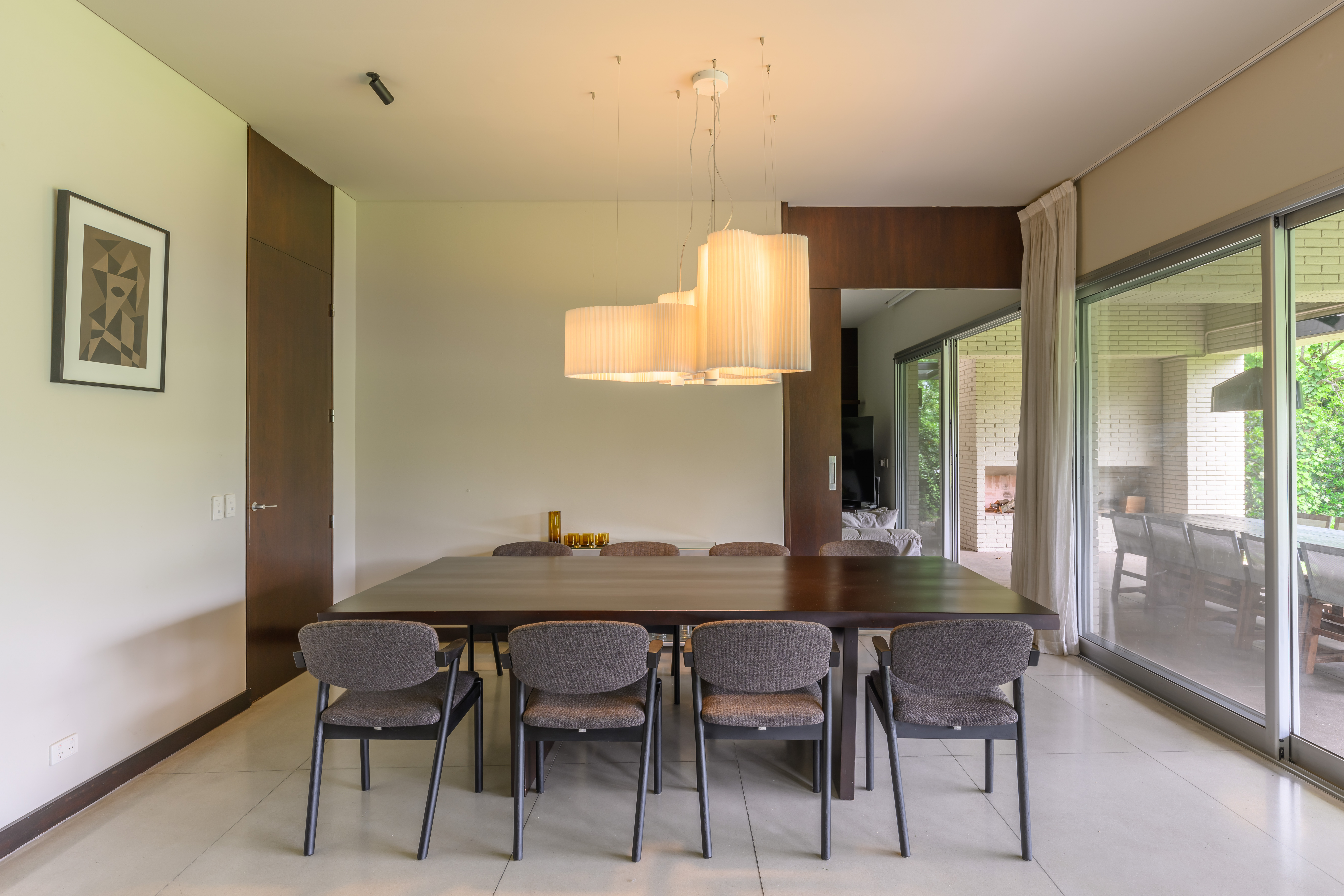
The plan maintains a clear spatial hierarchy. Communal areas remain open and interconnected, while private programs are buffered through corridor logic and controlled apertures. Bedrooms and intimate spaces are positioned to ensure retreat without severing connection to the larger whole. This organization allows simultaneous interaction and solitude, reflecting the rhythms of contemporary domestic life.
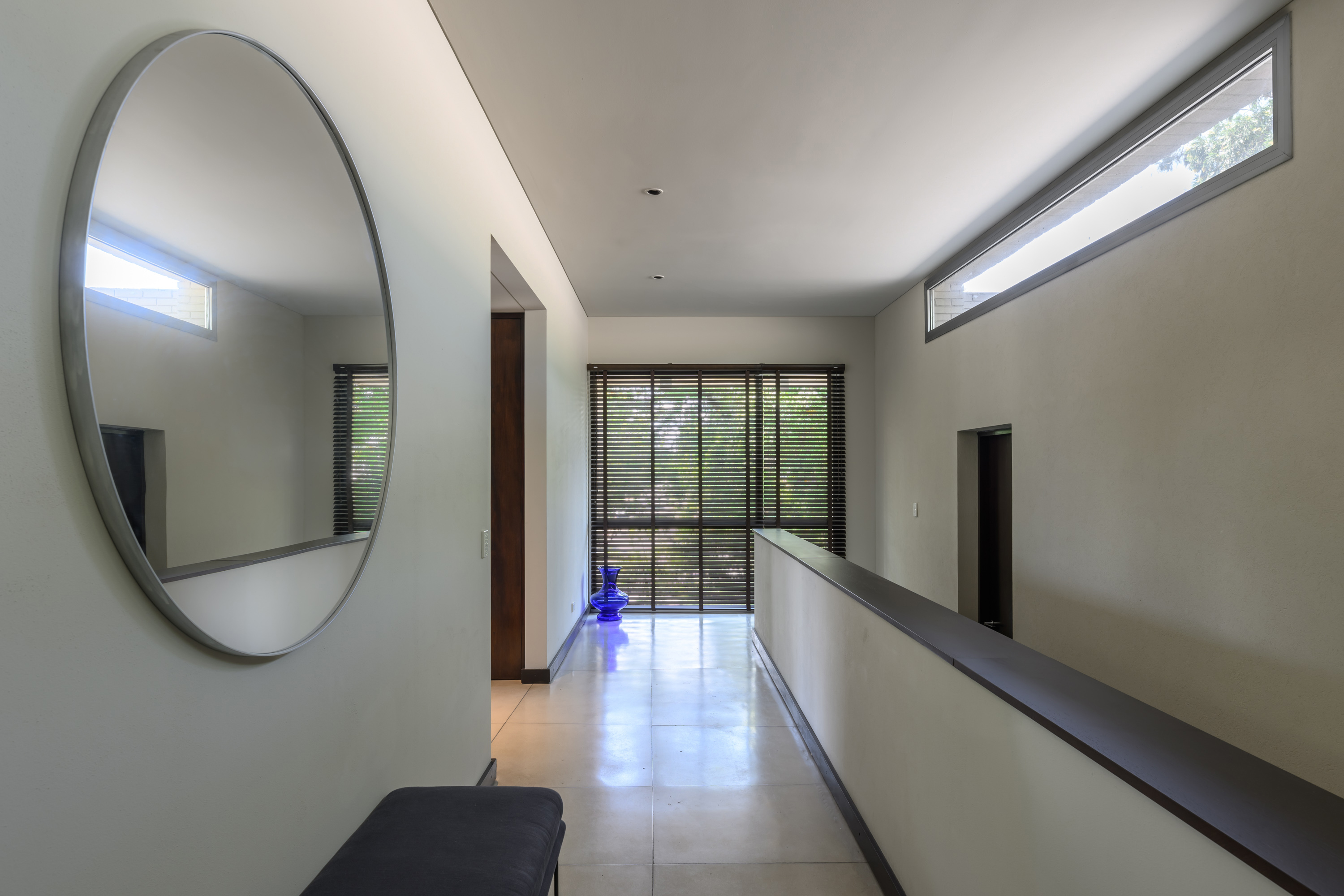
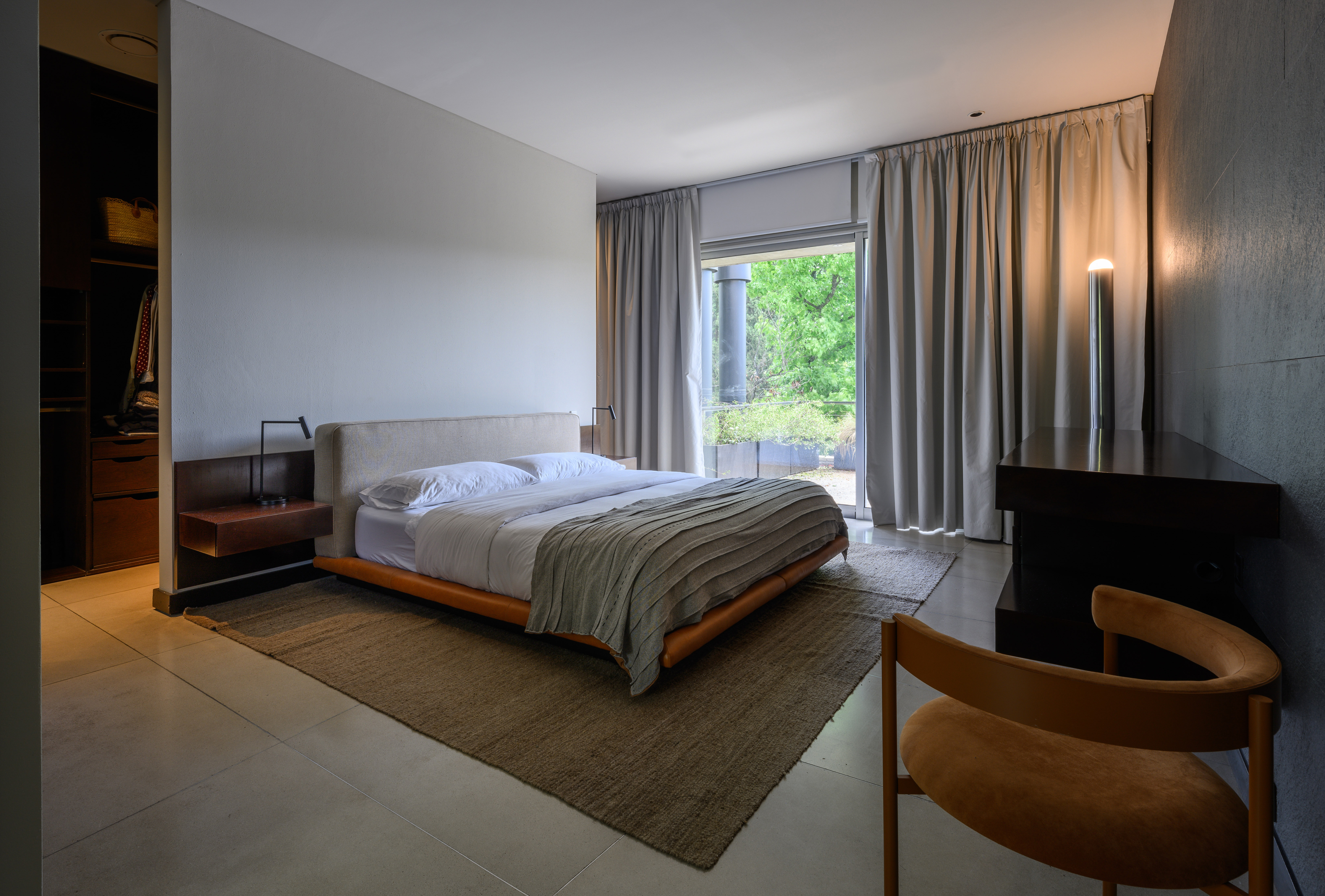
Casa S demonstrates a context-aware approach in which technical decisions—shade depth, opening placement and envelope continuity—shape both performance and experience. The architecture evolves with the movement of daylight, its character subtly shifting from morning softness to evening glow. In balancing robustness and lightness, openness and protection, Valdemarin and Siuk Studio deliver a residence defined by precision and warmth—a home where disciplined design yields enduring comfort and spatial serenity.