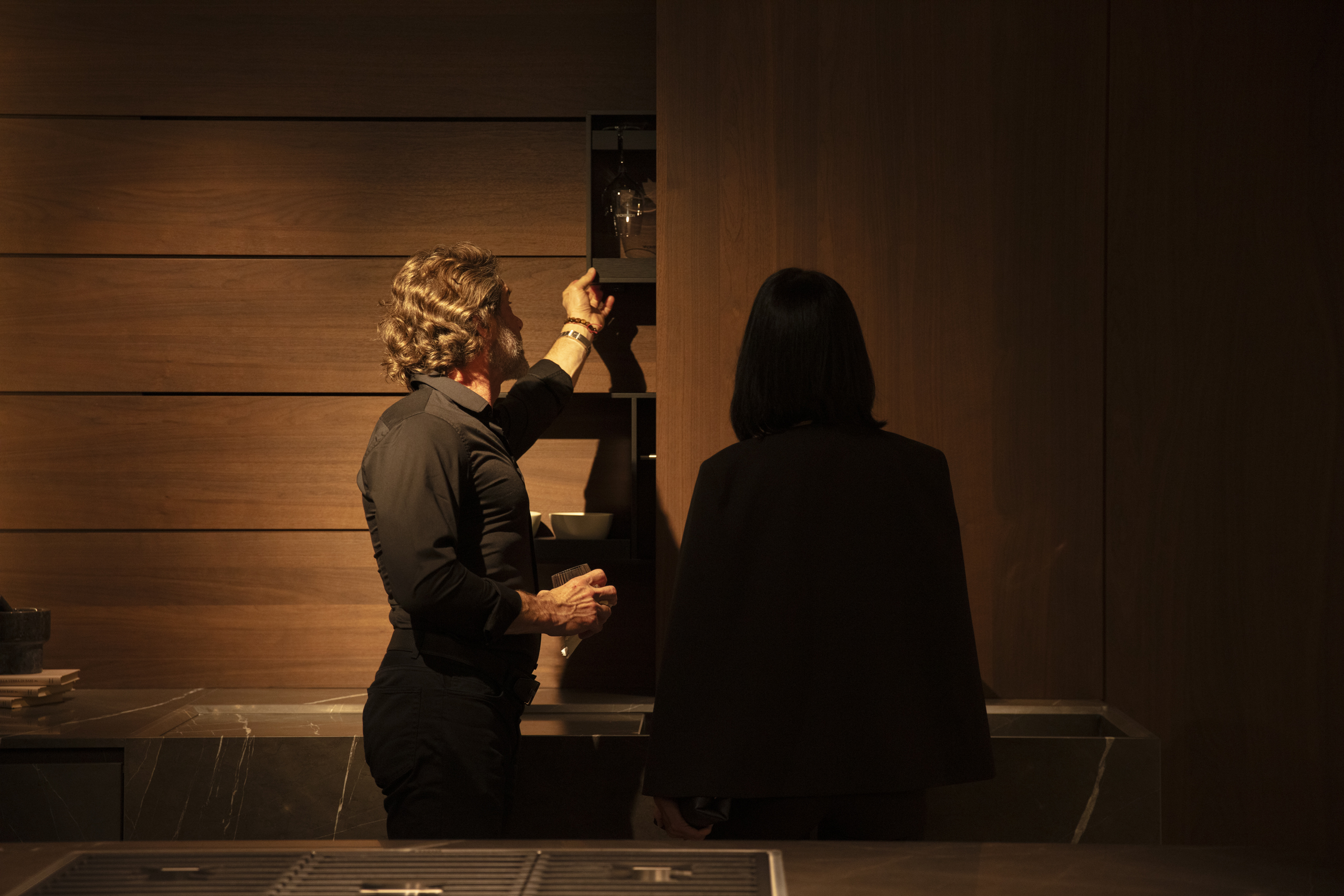
Living, Refined – MODULNOVA’s First U.S. Flagship Showroom in Miami
"A quiet symphony of light, texture, and architectural precision unfolding in Miami’s vibrant heart"
From the moment you pass through the entrance of the showroom, one senses the ambition behind this new chapter. This is not simply a retail destination but a curated spatial experience—an articulation of the brand’s vision. The decision to open the first American flagship in Miami speaks volumes: a city alive to design, culture and light, offering a fitting backdrop. Here, the international influence from Milan, Madrid, Paris, Seoul, and the rest of MODULNOVA’s worldwide showroom network, arrives in Florida with full force.
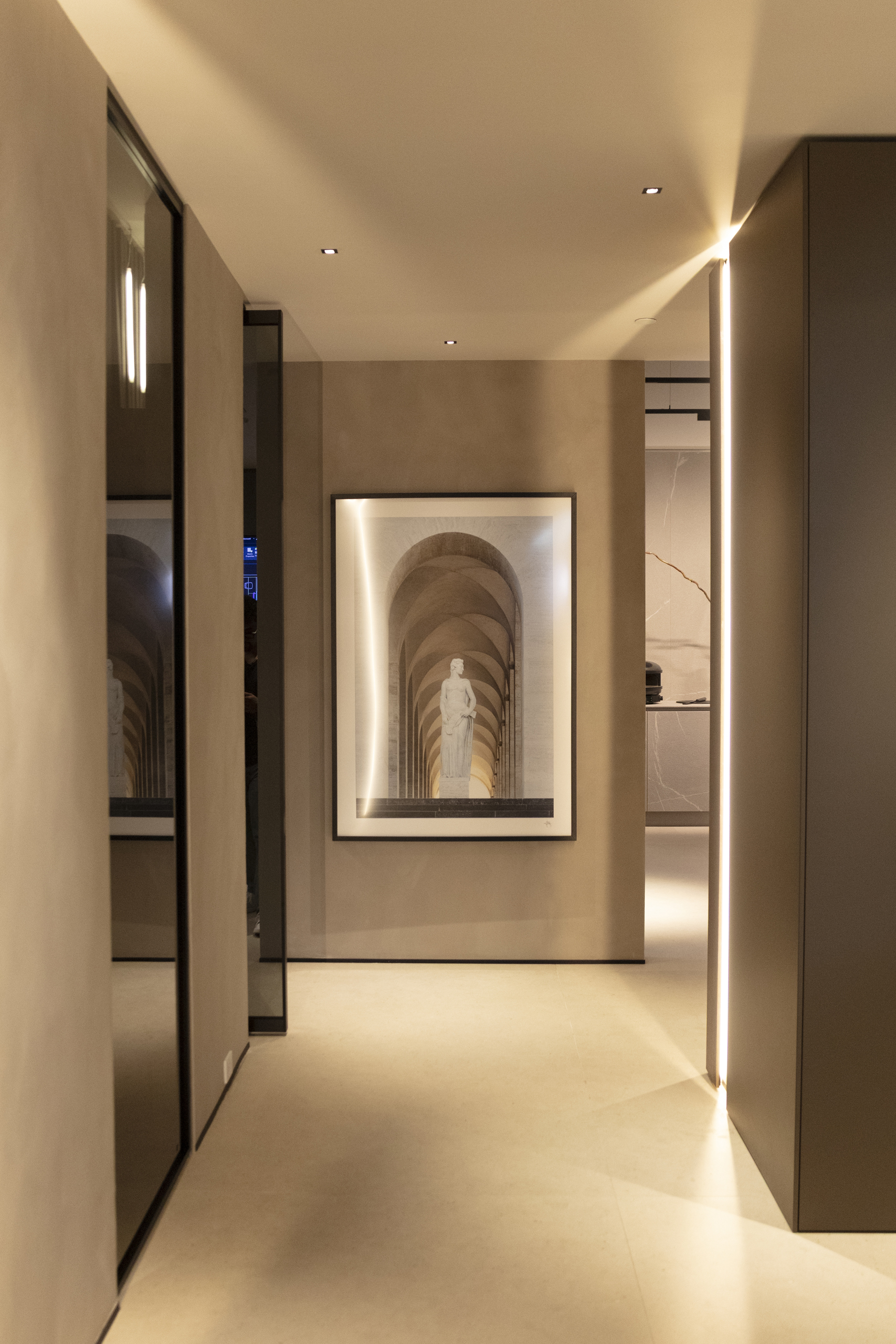
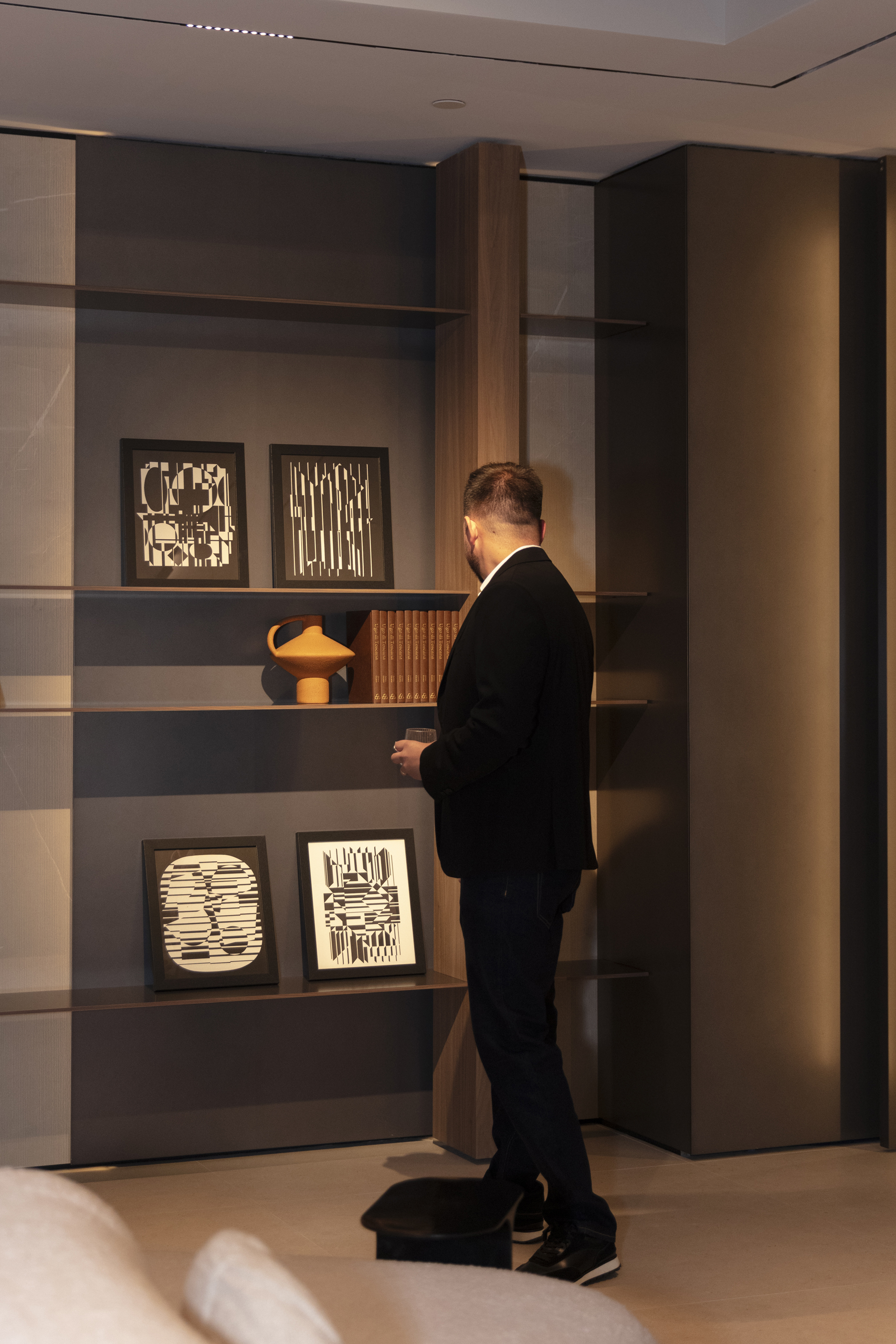
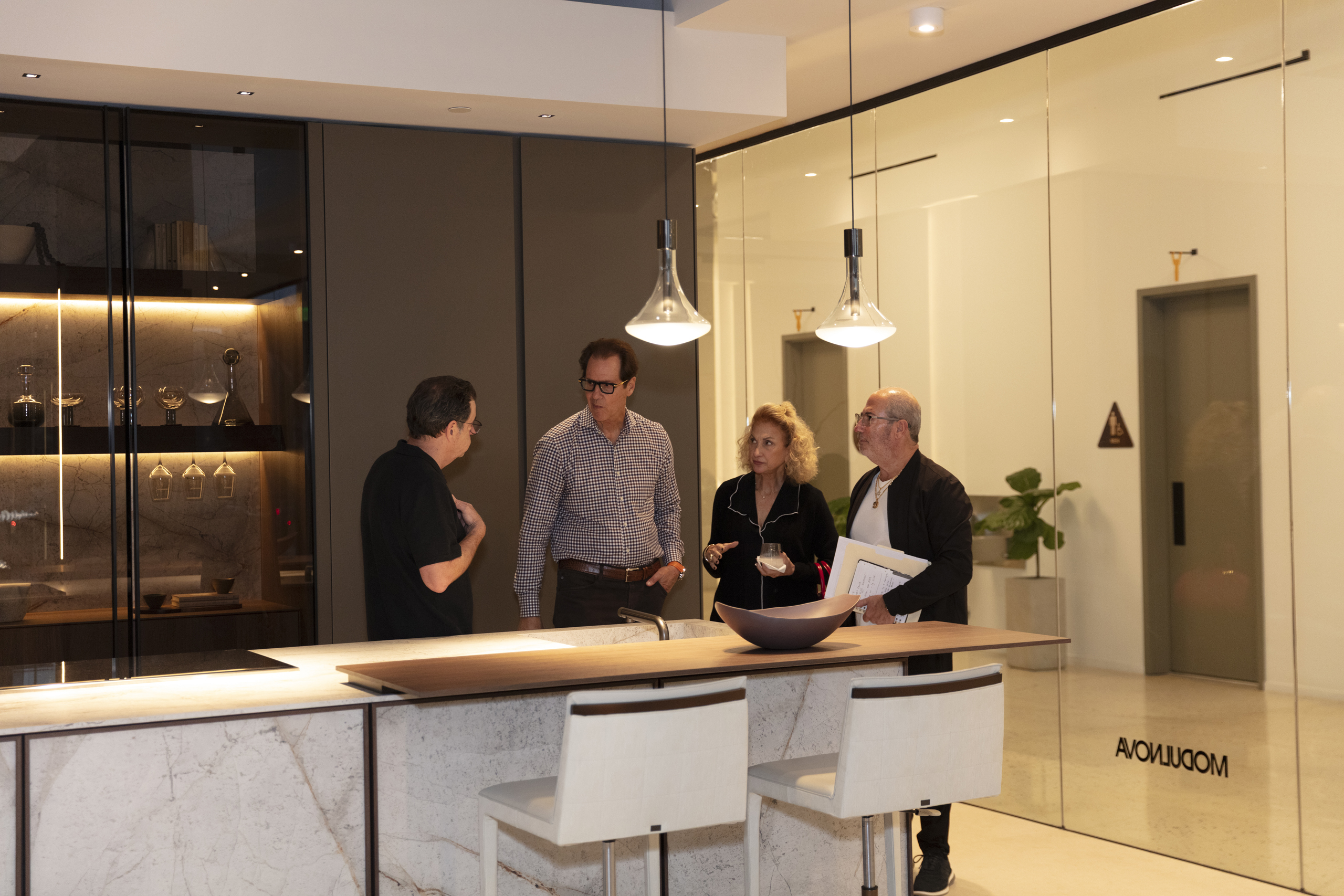
MODULNOVA, founded in 1988 by Dario, Giuseppe and Carlo Presotto, has grown from bespoke Italian kitchens into a full suite of living, bath and outdoor systems marked by “total flexibility in proposing a customized ‘made‑to‑measure’ kitchen system,” and later living and bath elements. Its design DNA is rooted in architectural minimalism—clean horizons of joinery, refined material palettes and the precision of Italian workmanship. For the Miami showroom the spatial programming is ambitious: five full kitchen displays, three bathroom vignettes, living area scenarios, an outdoor cabinetry area and—novel for the brand—its first ever bedroom display, all housed in roughly 5,000 square feet. Brett Sugerman (co‑founder of MODULNOVA Miami) explains: “We worked with HEDsouth … they helped us with audio‑video, camera, lighting control, and video-conferencing systems.” The architecture of the space is deliberately designed to showcase not just objects but system‑thinking. Materials and finishes play a starring role. As Modulnova’s own literature notes, “Evolution and attention to detail are the characteristics of Modulnova design kitchens… contemporary, versatile and customizable thanks to the wide choice of nuances and materials.” Texture and tone shift across zones: perhaps a matt lacquer island here, a resin‑finish wall there, supple metallic accents or richly veined stone integrated with joinery, all calibrated to the Miami climate of light and shadow.
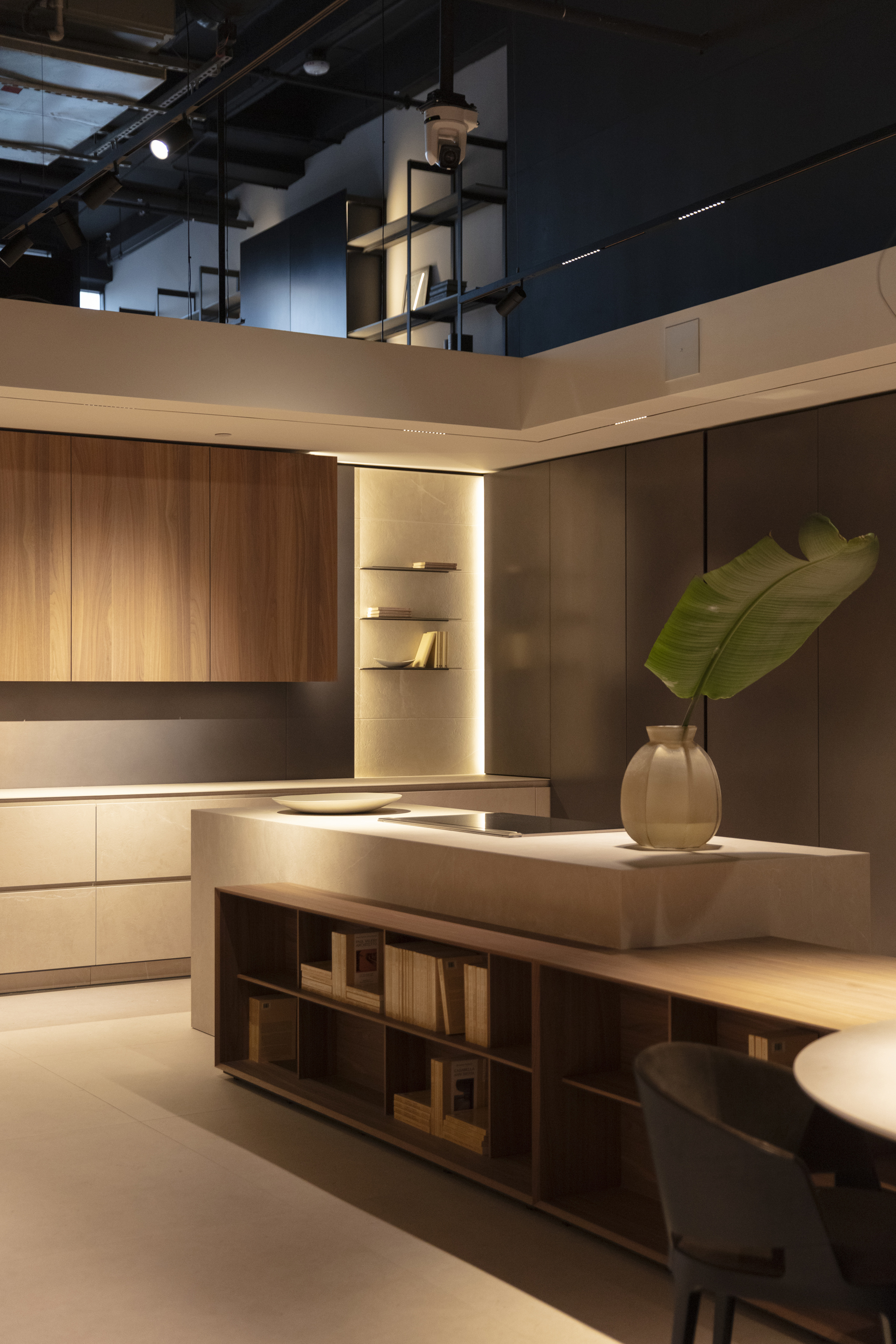
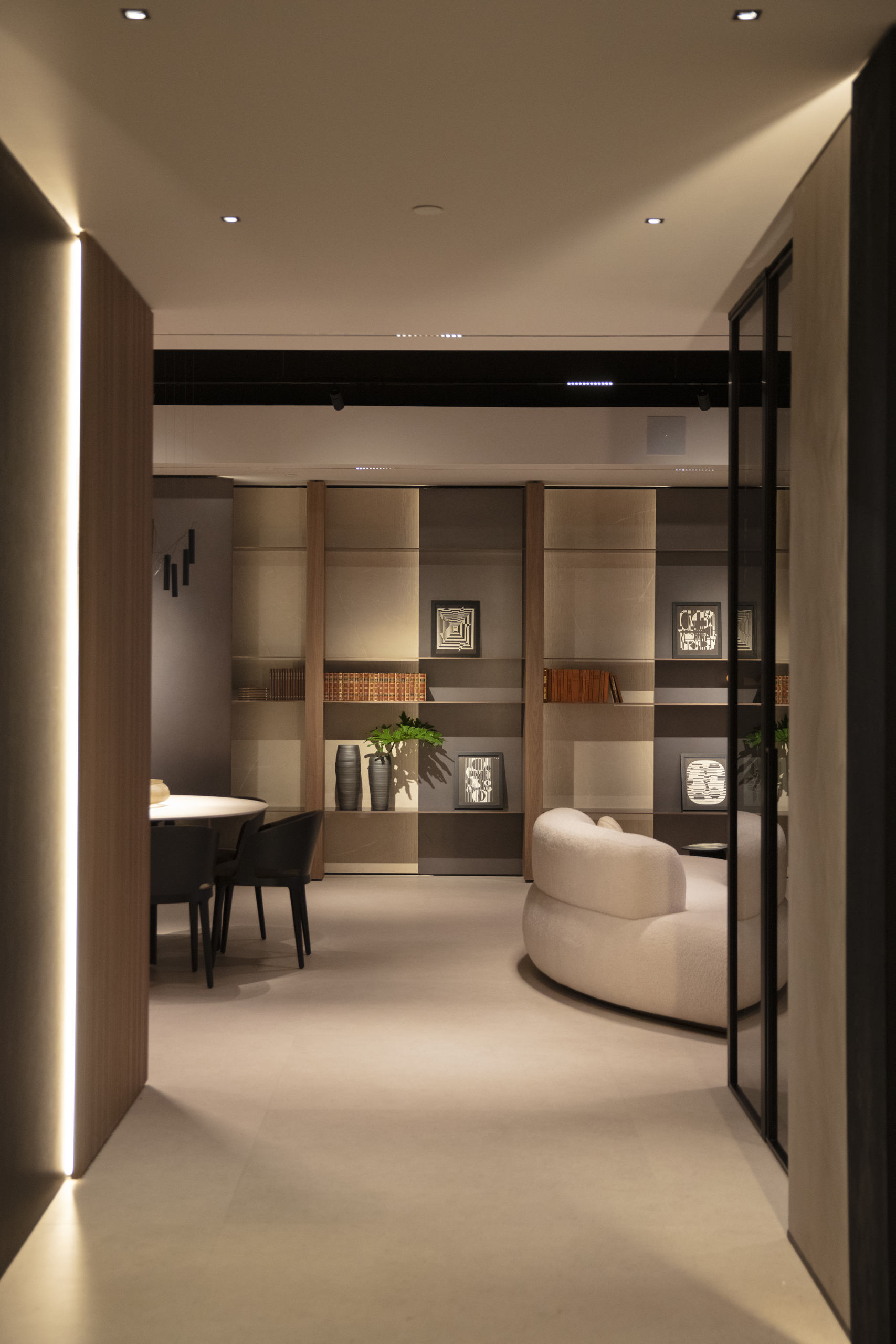
Lighting and control become integral components of the material experience. In conversation, Jan Vitrofsky (owner and founder of HEDsouth) remarks: “Lighting is an integral part of design and health and wellness … the Lutron aspect of the integration … is to make people feel good … and also to help show off the products and the materials to their finest.” Indeed, Lutron’s Ketra system (now part of Lutron) offers high‑fidelity natural white light, tunable color and wireless control.
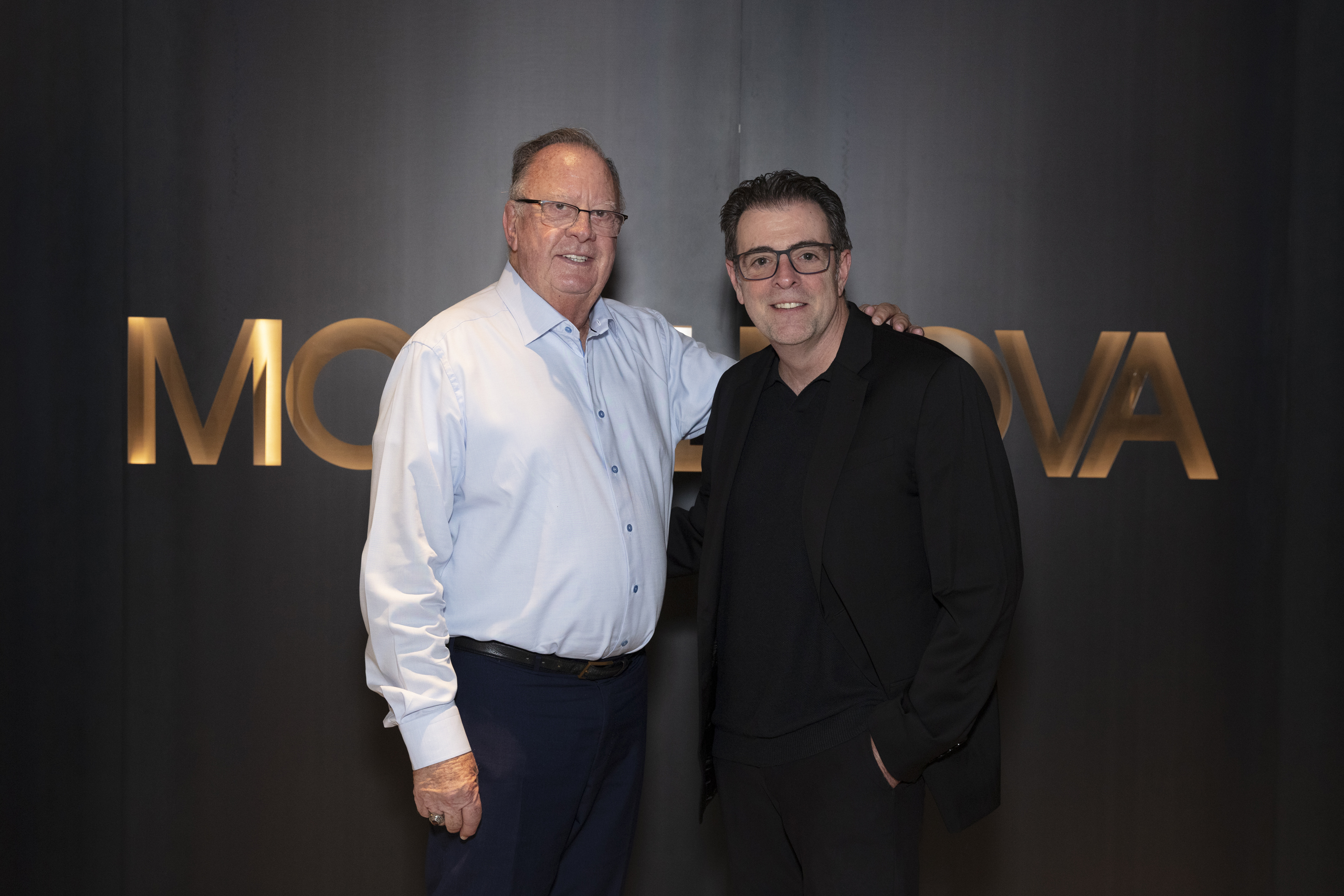
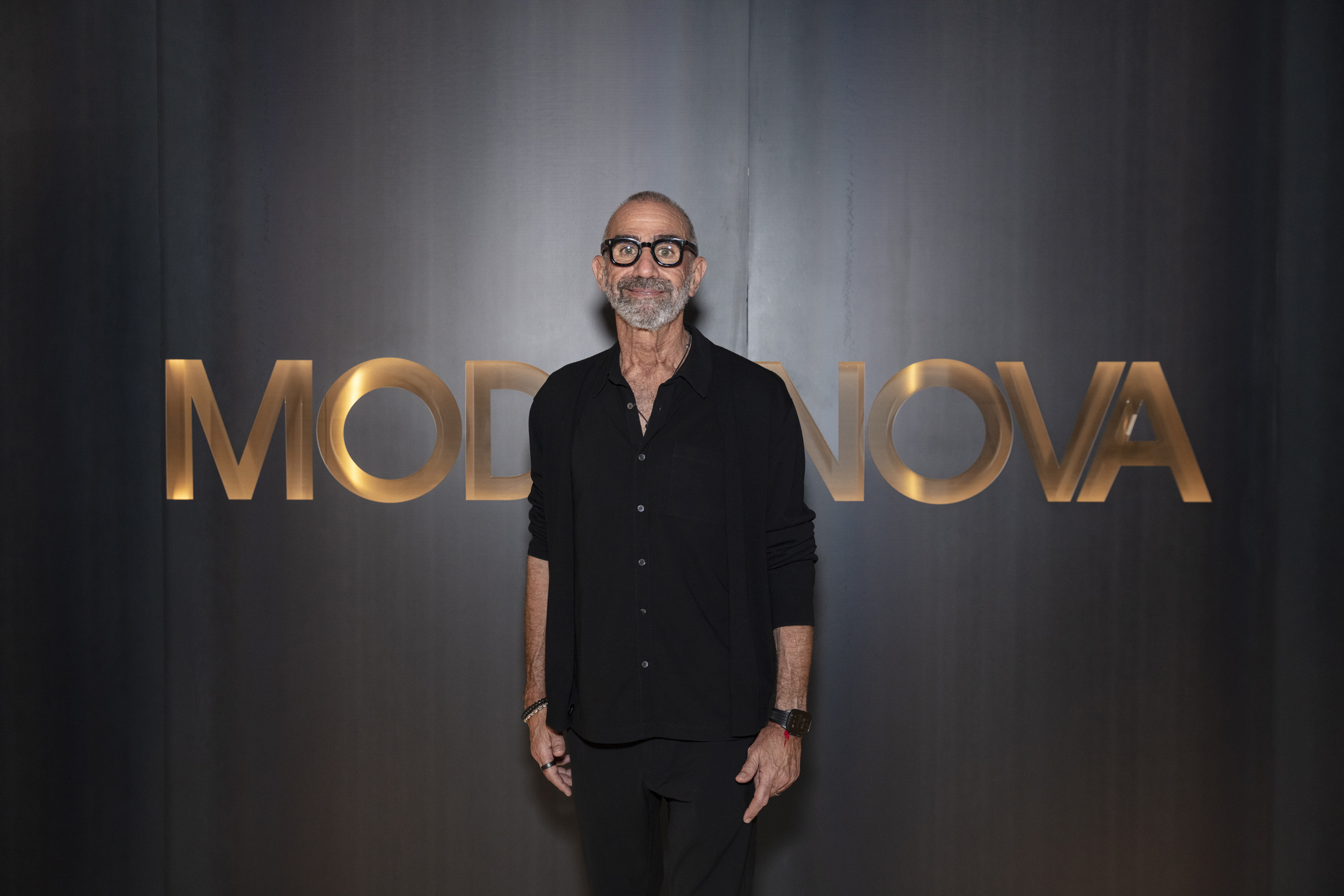
This level of control allows surfaces—cabinet doors, detailing, stone countertops and backsplashes—to be seen in their full nuance, textures deepened, colors rendered true. Jake Vitrofsky (COO, HEDsouth) emphasizes the “beautiful marriage between technology and design … to really bring out the best in what modern architecture has to offer.” The technical systems—audio‑visual, security, lighting scenes, shading—all recede to let the material story emerge.
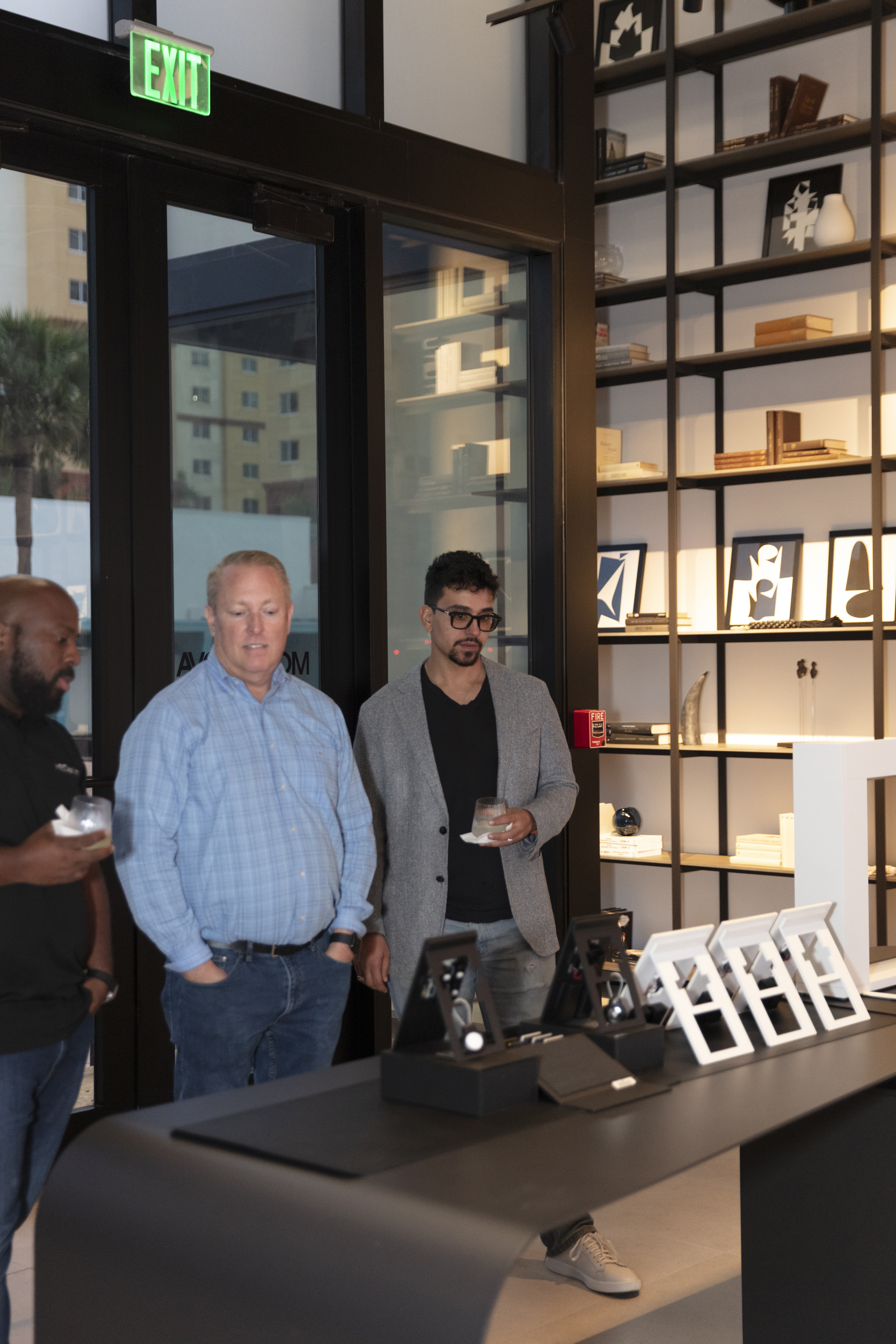
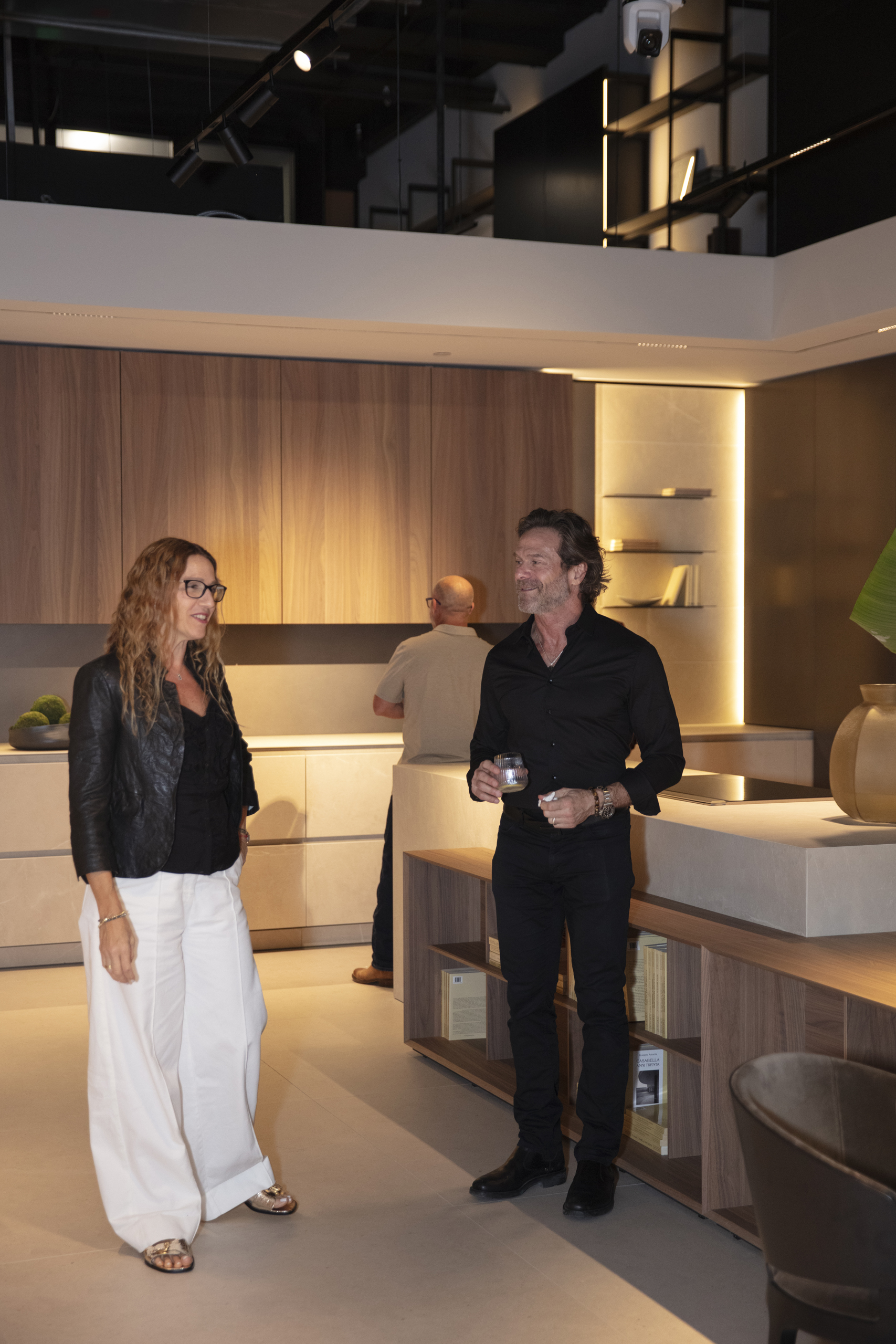
"A new chapter of Italian design unfolds in the rhythm of Miami light"
In the landscape of luxury interiors, there is increasing emphasis on holistic systems rather than isolated pieces. MODULNOVA’s transversal system—spanning kitchen, bath, living and outdoor—reflects the move towards integrated environments rather than compartmentalized zones. This design ethos aligns with the idea of furniture that essentially becomes architecture — blending structure, finish and tech. By situating the Miami flagship in a globally‑aware city, the brand acknowledges that U.S. high‑end interiors are no longer insular: they speak globally. Lessons from this project suggest that successful modern showrooms will combine experience, technology, and customization—not simply product stacking. For designers and clients the implication is clear: material sophistication must now meet smart design, lighting control and spatial narrative.
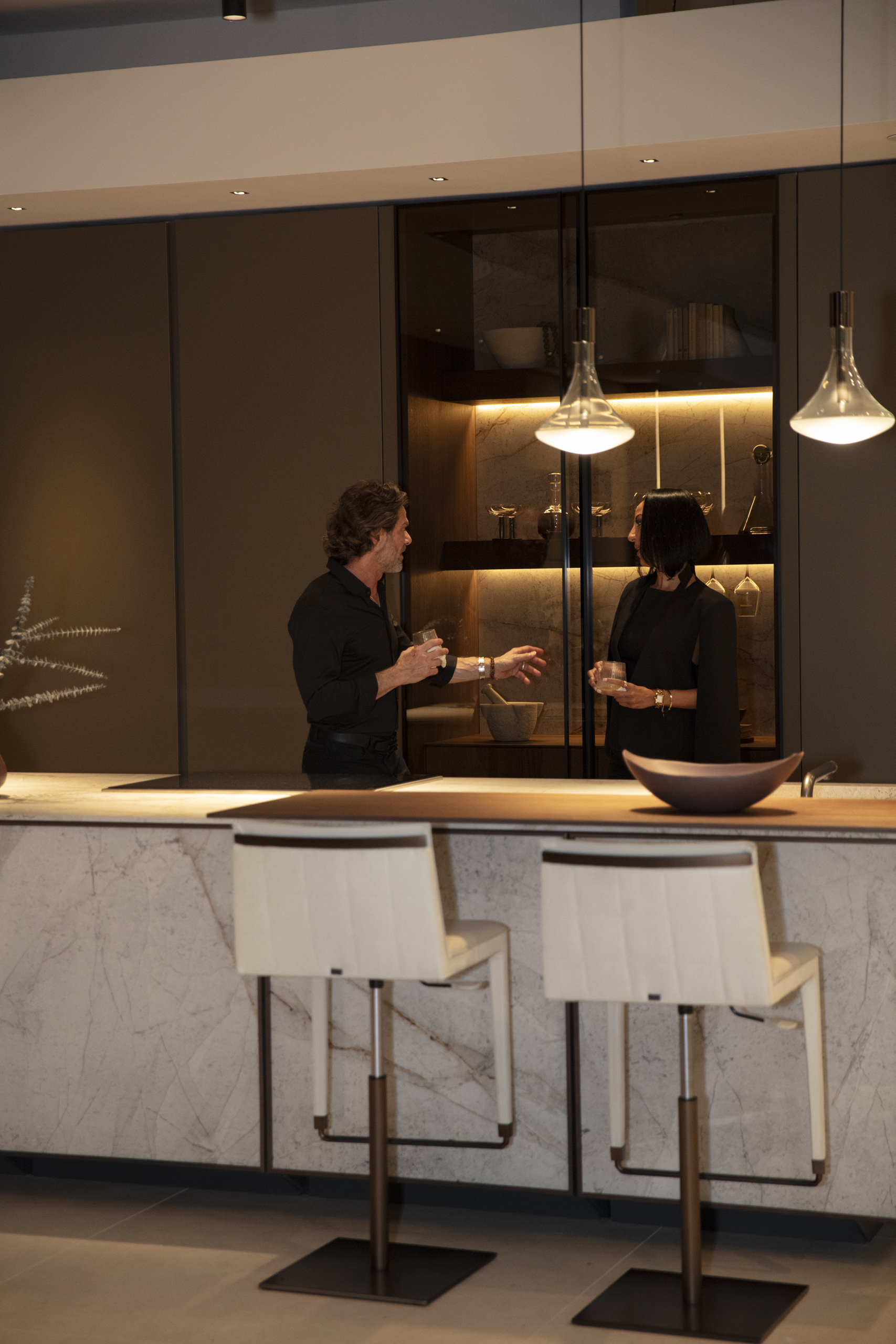
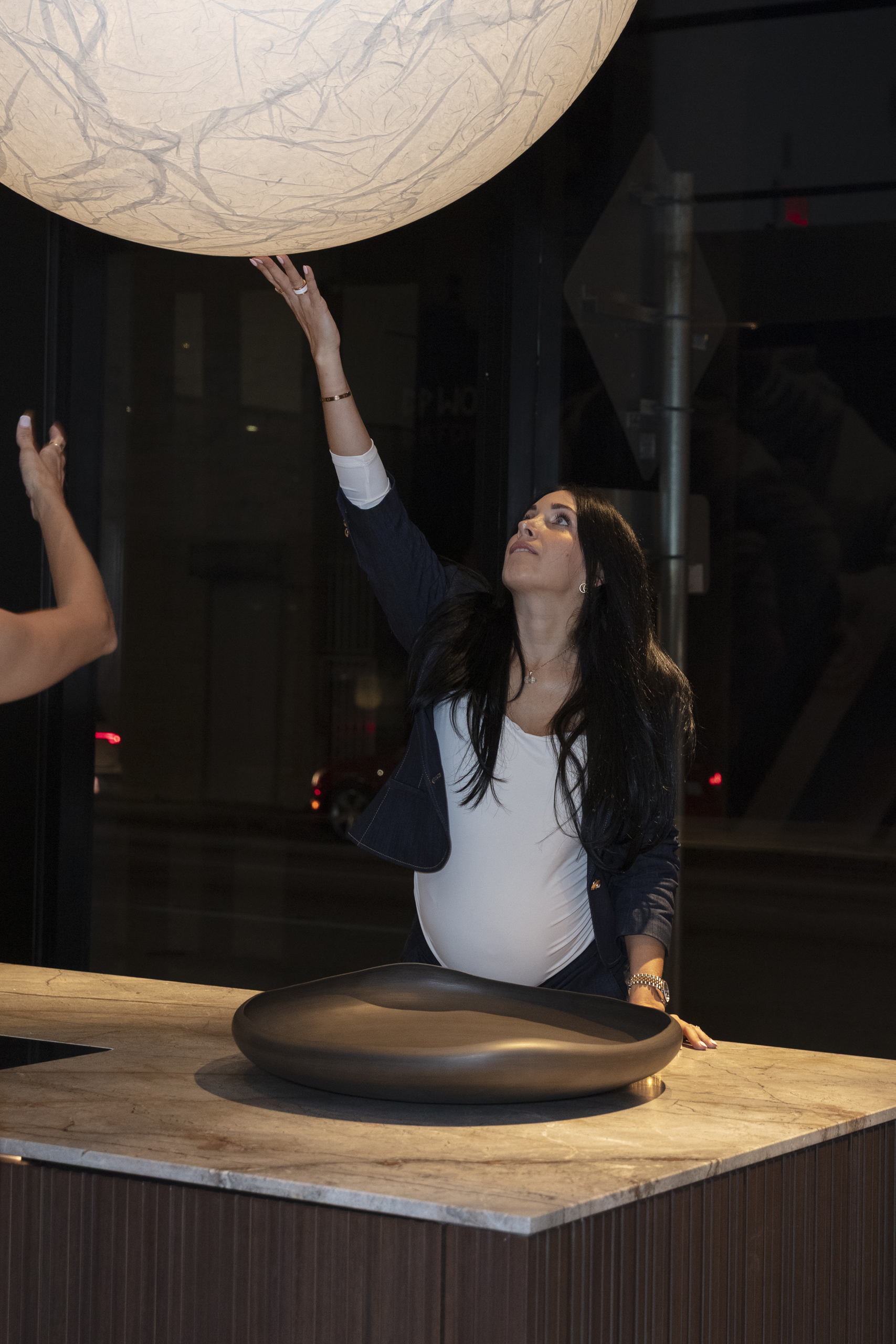
Delving deeper, one sees how the brand’s heritage plays out in sensory detail. Modulnova’s language speaks of “an integrated design that redefines traditional volumes, communicating the language of the architectural space.” The showroom becomes not just display but education: showcasing how Italian cabinetry can unite contemporary U.S. homes, how outdoor elements can link to interior systems, how the bedroom display celebrates a new typology for Modulnova—blurring boundaries between private and social spaces. The collaboration with HEDsouth and Lutron is vital. HEDsouth, with 43 years in business and 28 years in the Miami market, is a systems‑integration veteran. Jan Vitrofsky highlights their role in “introducing interior designers, builders and architects to products associated with Lutron.” This educational ambition is embedded in the event itself—a launch that coalesces architecture, product, lighting and user experience.
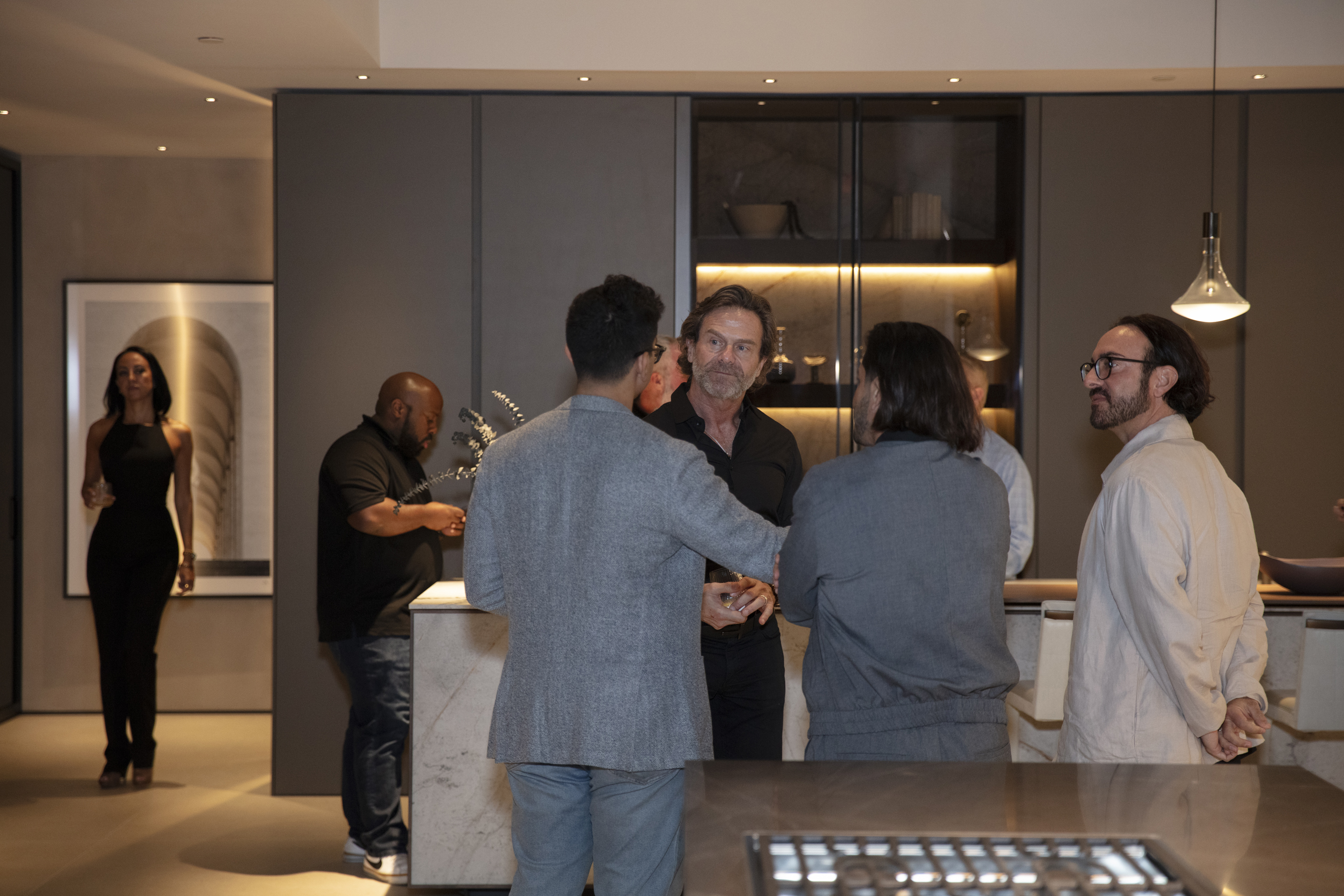
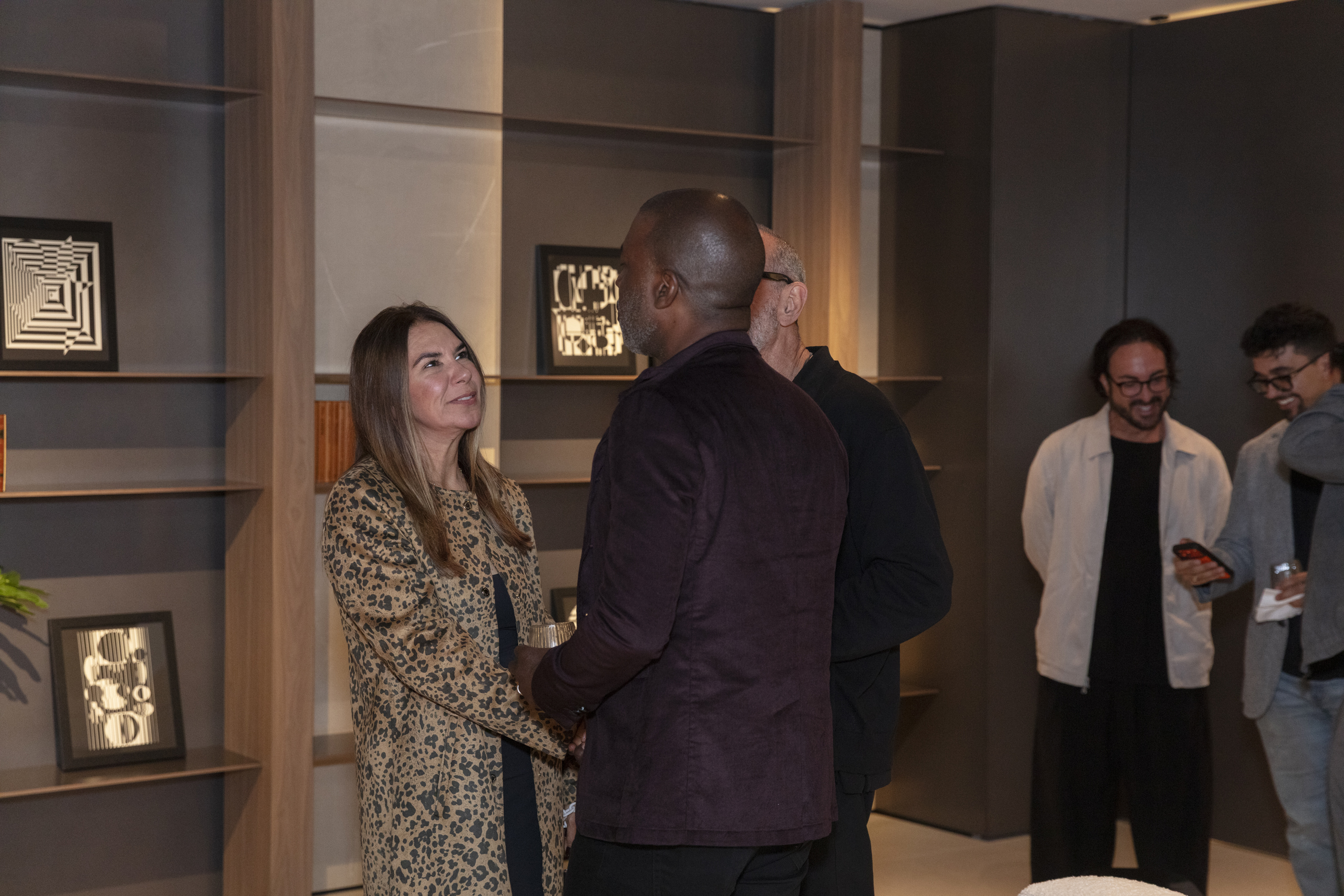
Modulnova can find precedents in the grand European atelier‑showrooms where material, architecture and technology merge; but here the narrative is distinctly Miami‐flavored. The showroom is not just a point of sale but a cultural node: bridging Italian design heritage with regional sensibilities—sunlight, openness, indoor‑outdoor living. The outdoor cabinetry display, for example, mediates between interior rigor and Miami’s embrace of exterior life.
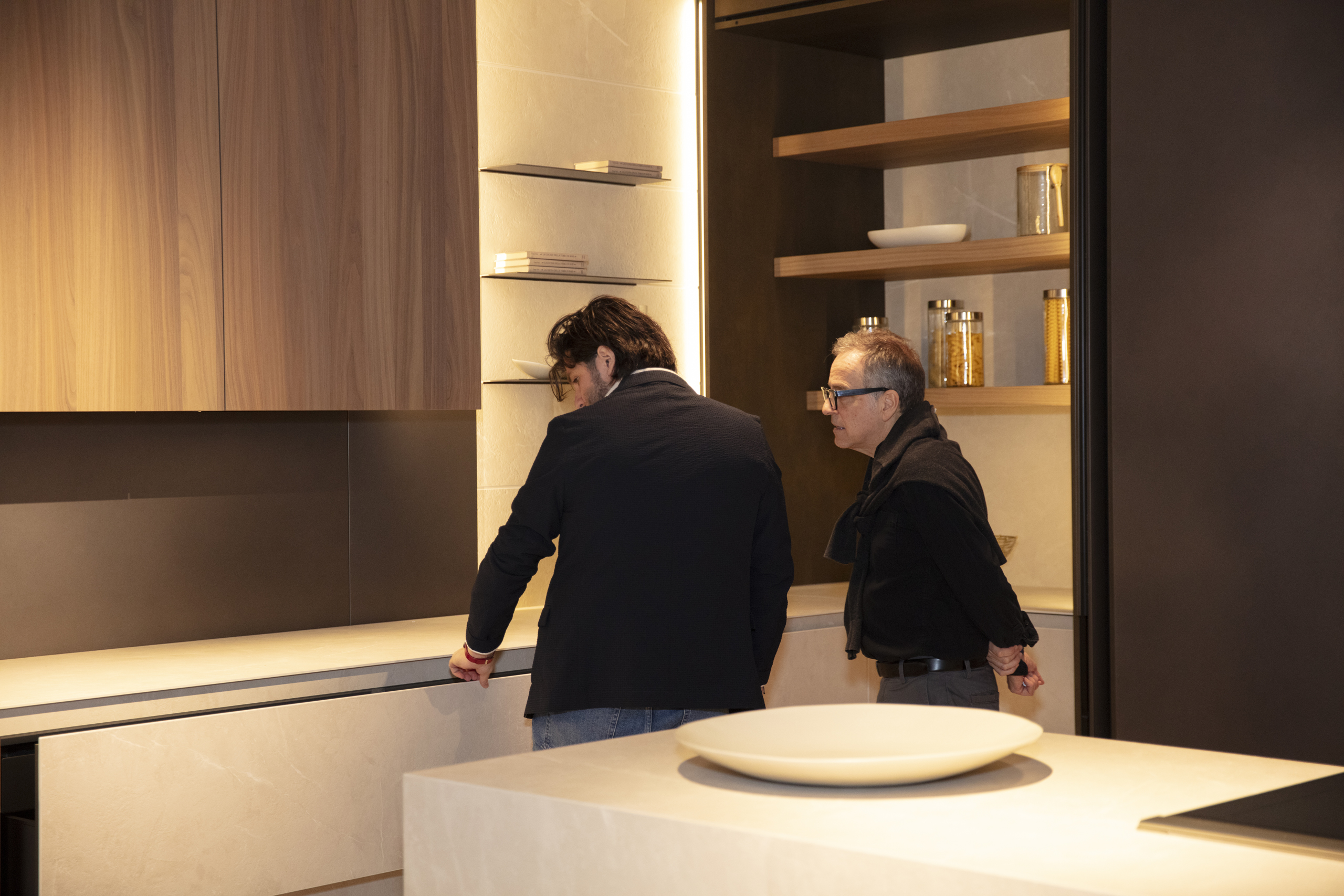
In closing, MODULNOVA Miami marks more than a new address—it signals a paradigm shift. It argues that high‑end design no longer separates technology, cabinetry and lighting: they are parts of a unified spatial proposition. For architects, designers and clients alike the showroom invites not just choosing a kitchen, but thinking through how curated systems, refined materials and integrated control shape contemporary living. It invites us to reflect: in a world where design thinking increasingly merges architecture, furniture and smart systems, what will ‘home’ mean tomorrow?