Language of Light – Residence Oliva by Estudio Bearzotti
"Natural light doesn’t just reveal spaces—it builds them, inhabits them, transforms them. Every cast shadow is a design gesture, every beam of light a moment of intention."
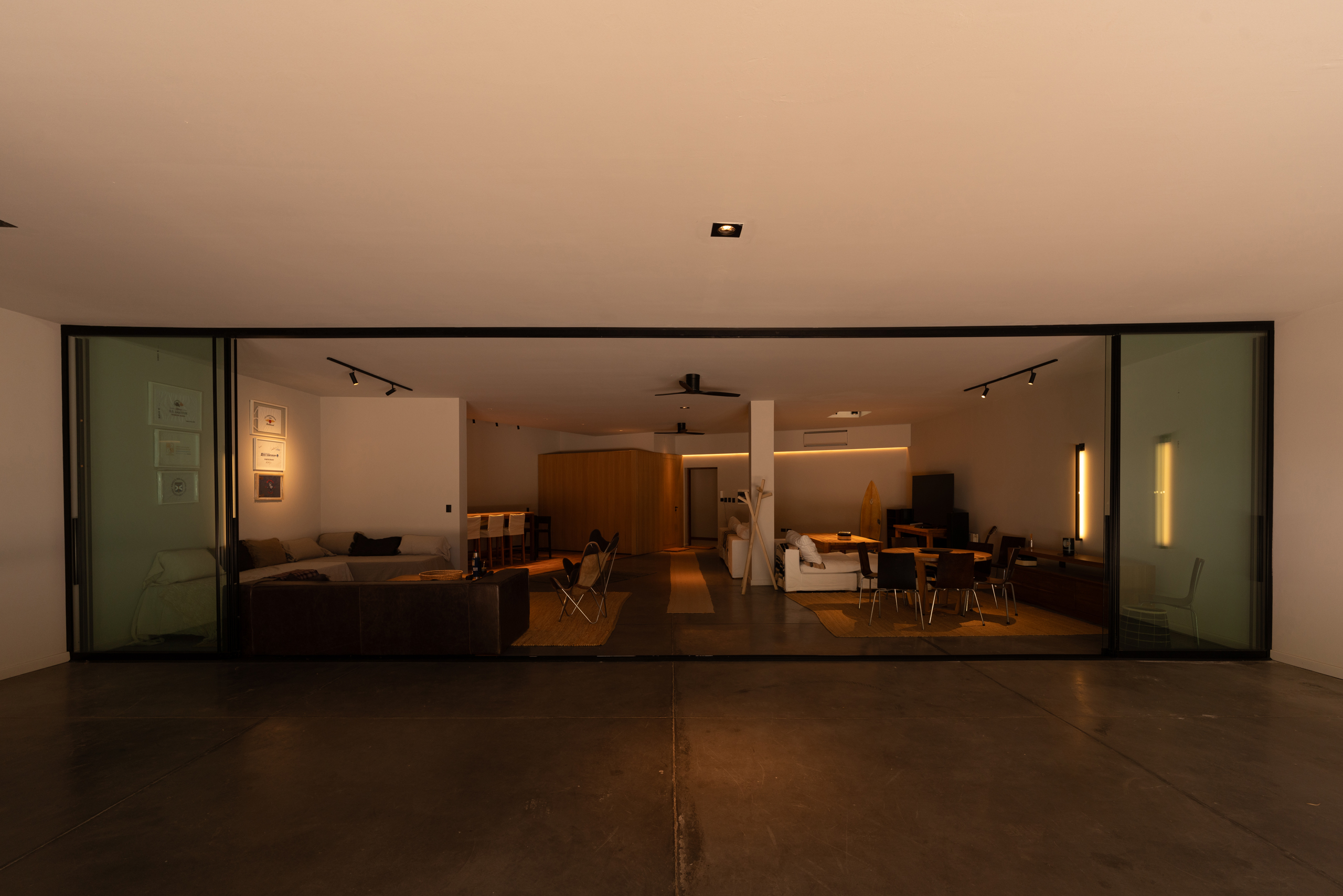
Some works don’t need to speak loudly to be noticed. In this residence by Estudio Bearzotti, every plane, texture and opening is crafted with quiet intention, seeking something deeper: not only to be inhabited, but to be contemplated—through silence, light, and time.
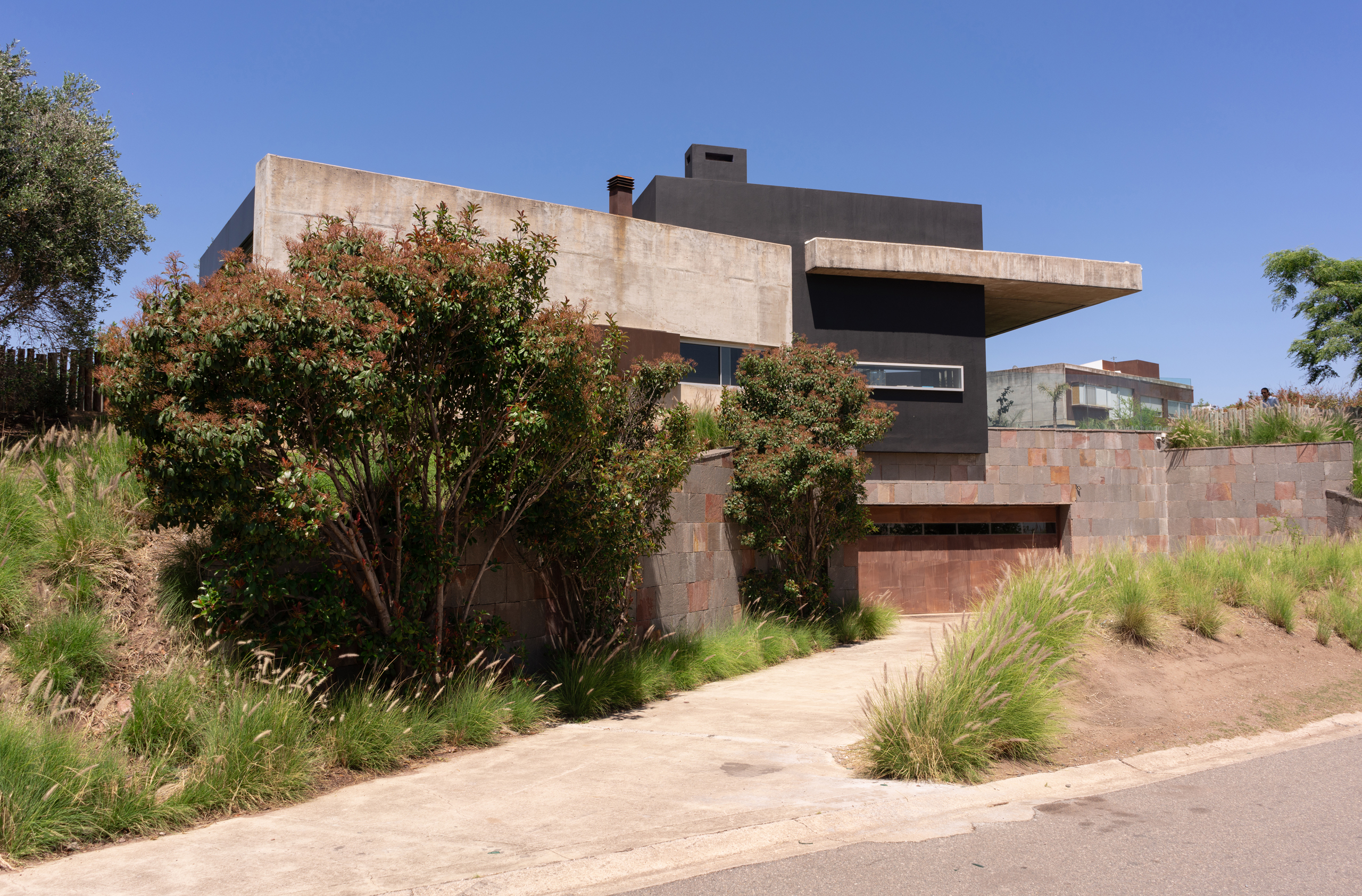
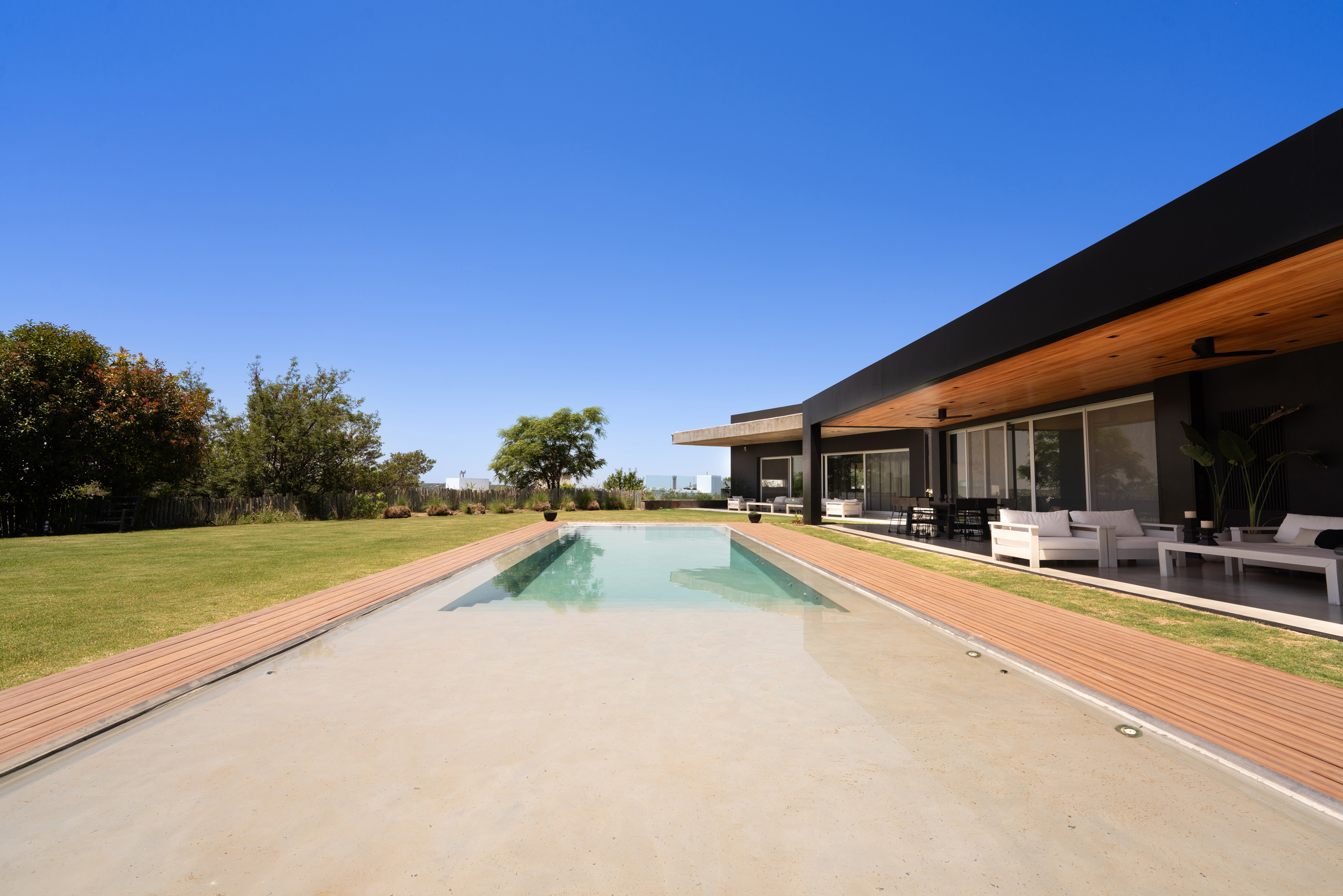
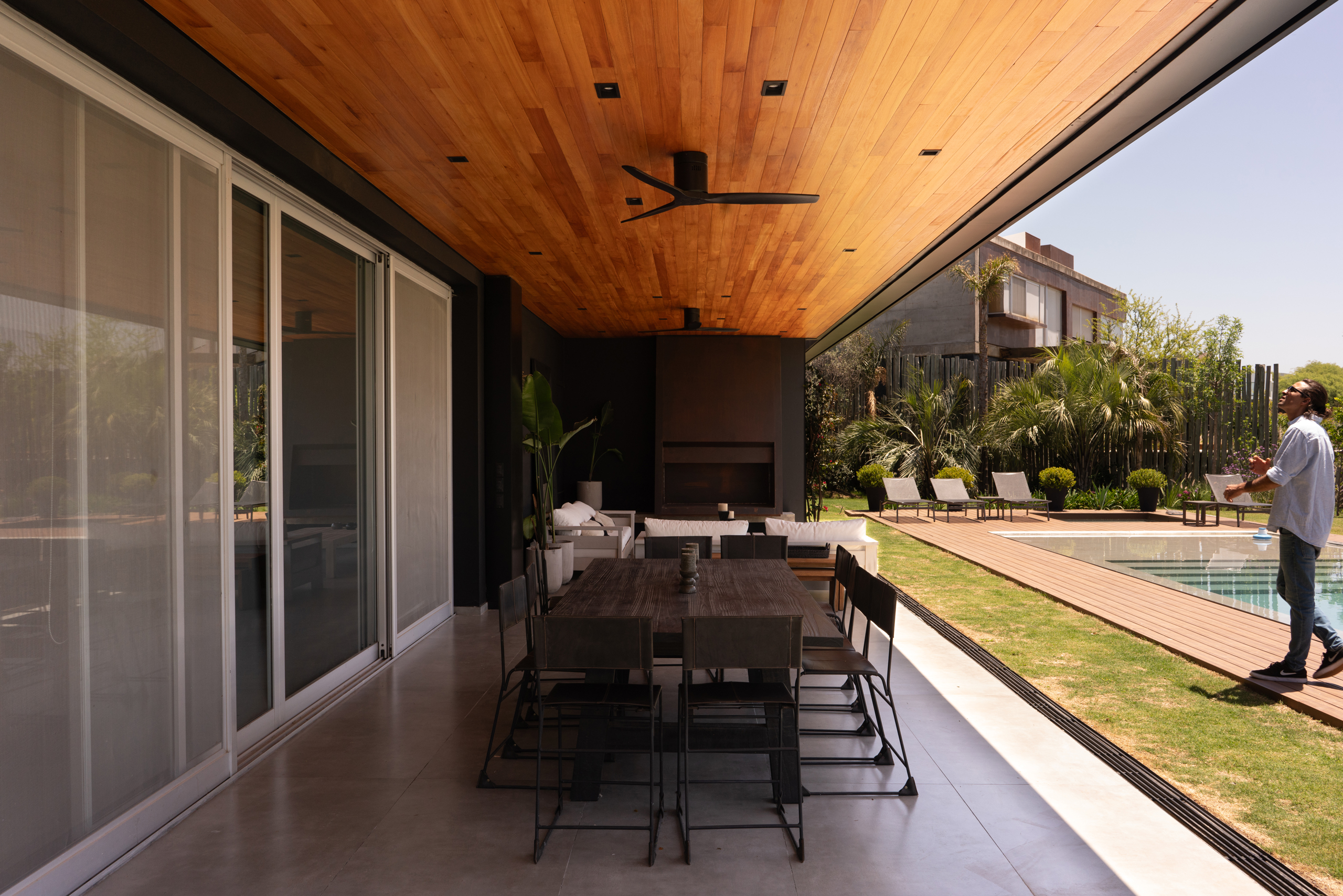
From the outset, light is not simply an element of function; it is the foundation upon which the architecture is built. Natural light enters the home through carefully measured horizontal openings, subtly framing each space. Deep overhangs and generous eaves modulate the sun’s presence, creating a play of light and shadow that adds spatial rhythm and emotional warmth. Here, light does not just illuminate—it constructs atmosphere and defines the spatial experience. Material expression is equally critical to the project’s identity. Exposed concrete is used as a protagonist, celebrated for its texture, tone, and the way it reveals the passage of time. Stone cladding at the base introduces visual weight, grounding the architecture firmly to its site. Materials are left visible and honest, chosen for their tactile and visual presence. This approach doesn’t seek perfection—it seeks authenticity, allowing surface variations, tonal shifts, and imperfections to become part of the narrative.
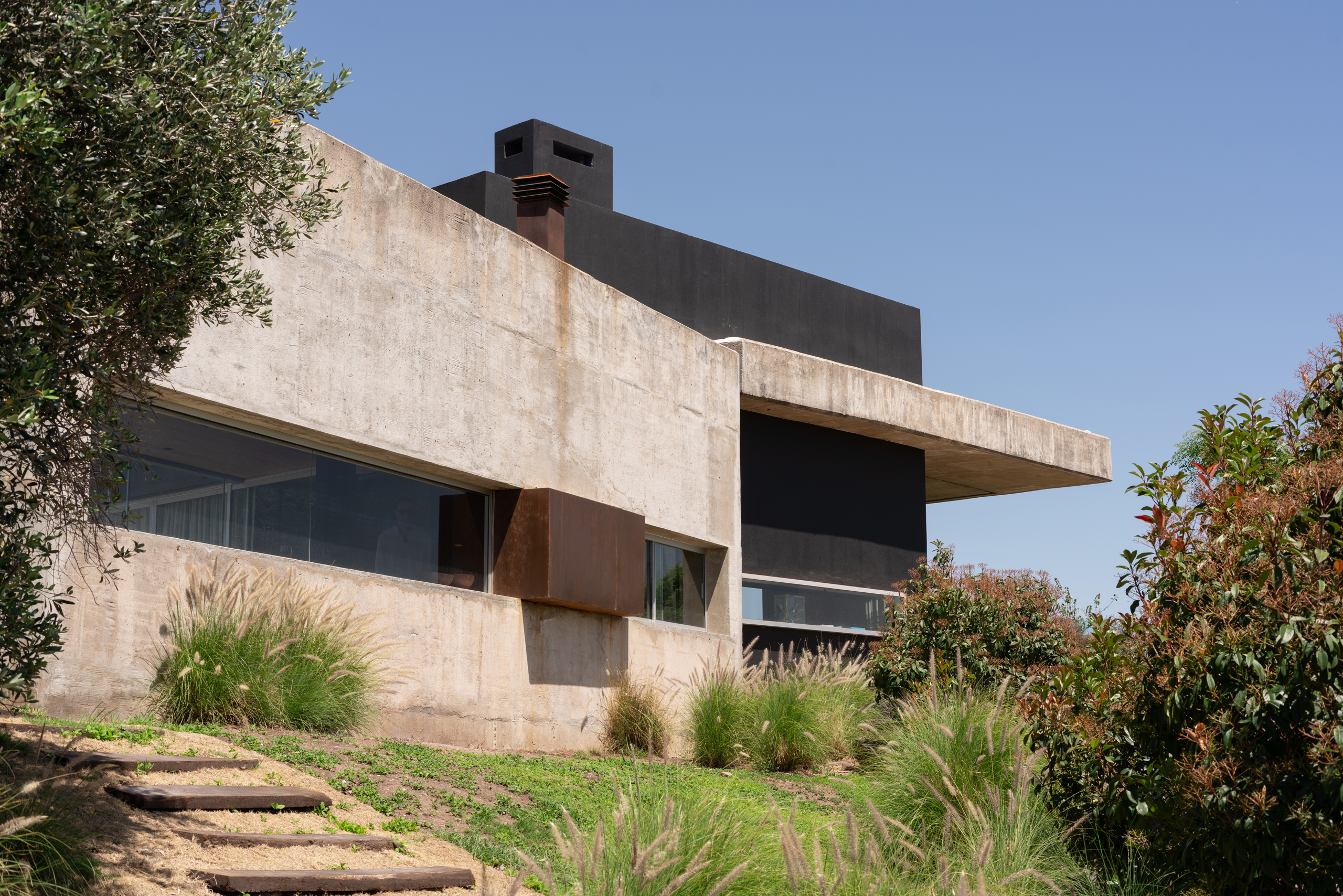
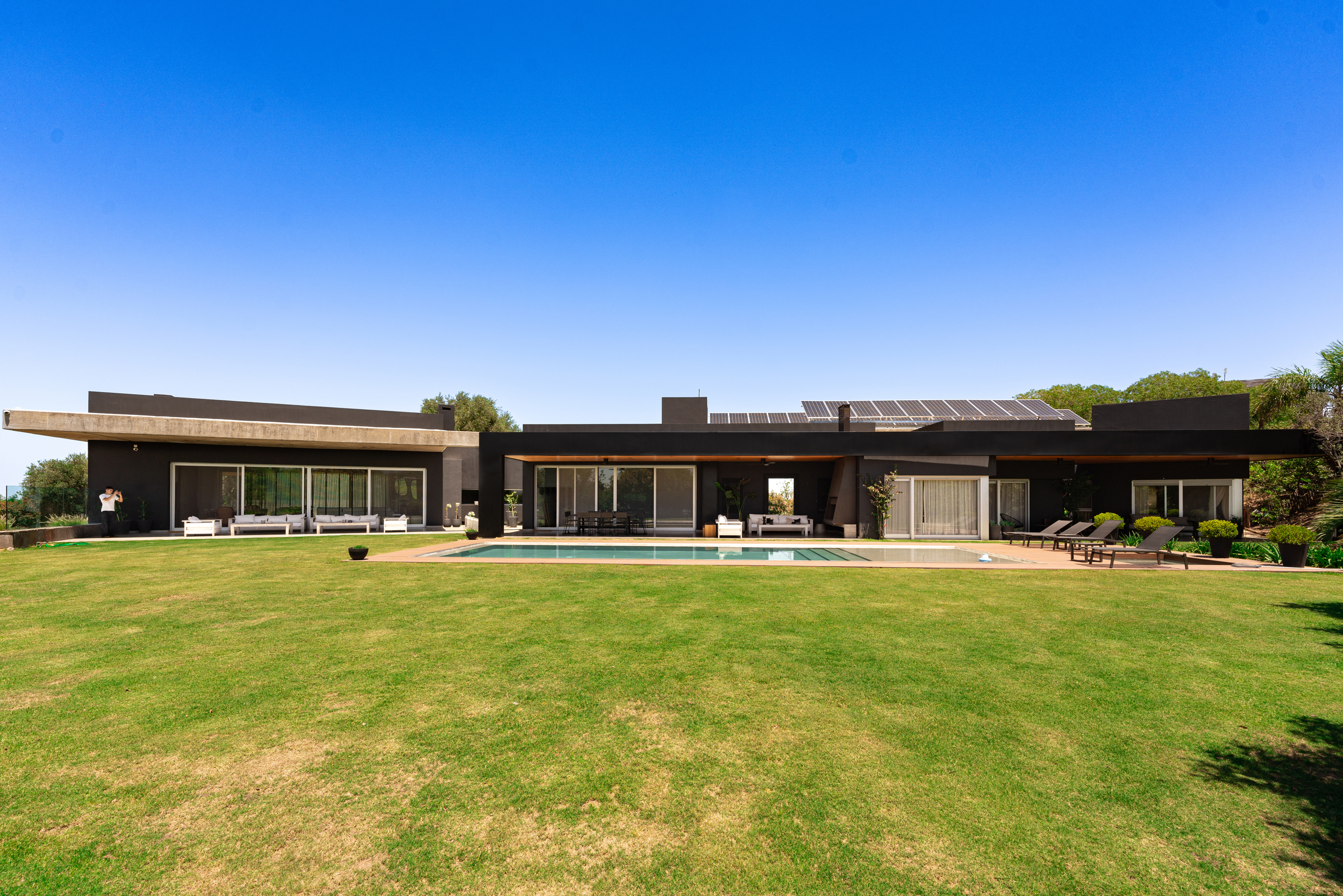
There is an introspective quality to the architectural composition. Toward the street, the building presents a quiet and restrained presence. Volumetric relationships are defined by the layering of planes and depths, offering spatial complexity rather than surface decoration. This depth creates a sense of containment and permanence—an architecture that shelters rather than shows.
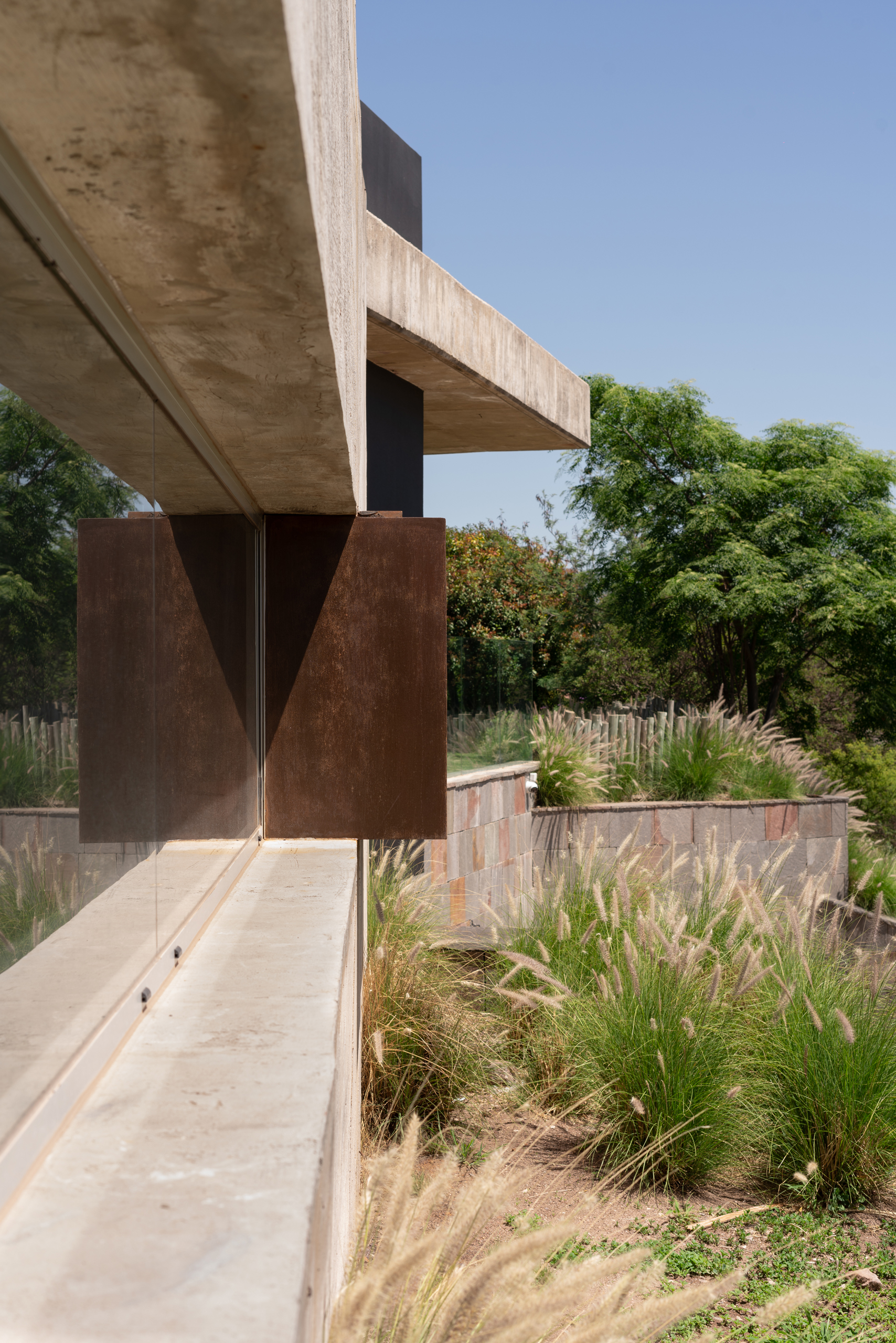
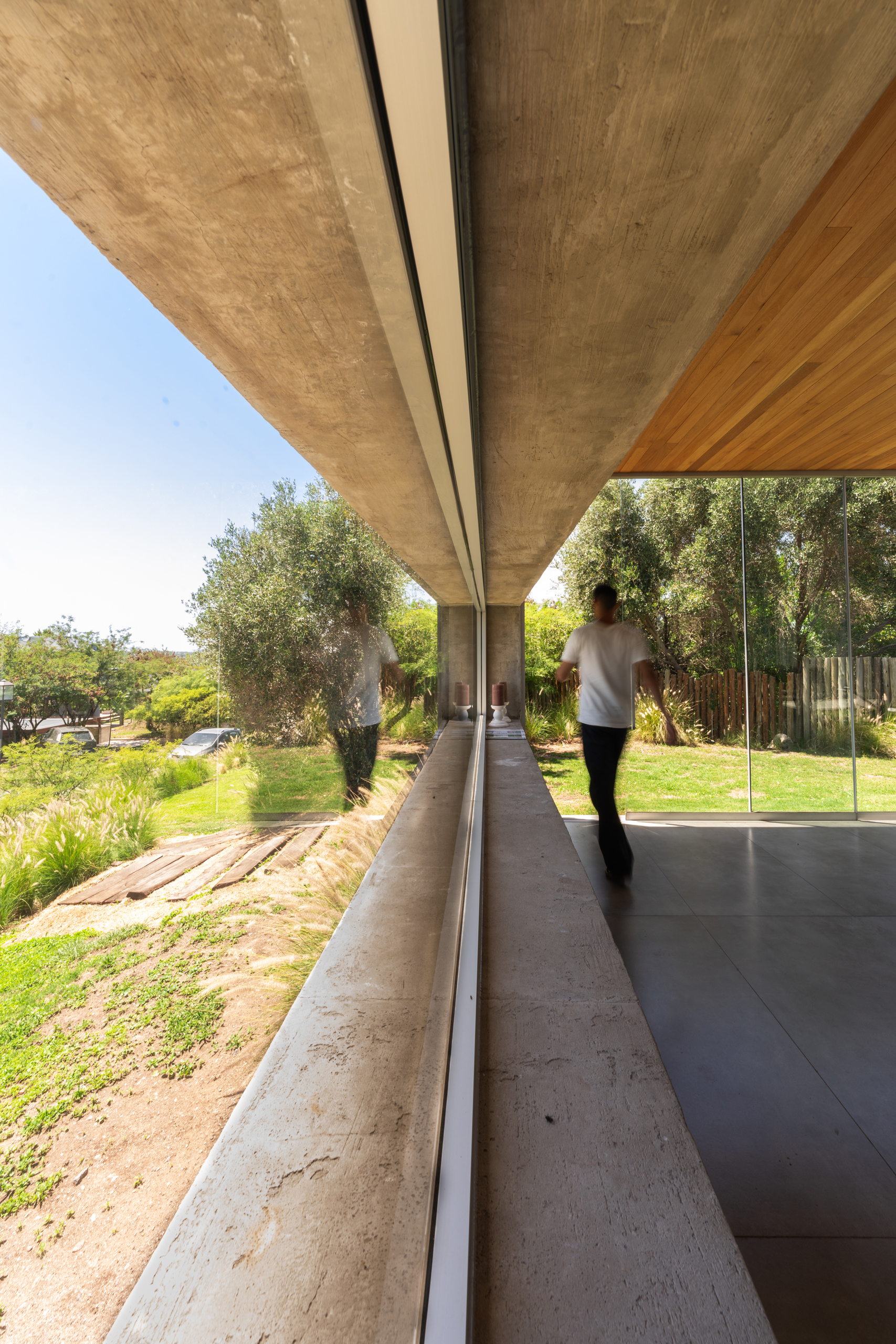
This sensibility is captured beautifully by Naranja Roja, under the direction of Lautaro Suárez. The photography doesn’t aim to dramatise, but to interpret. With quiet framing and a naturalistic palette, it reveals how light touches surfaces, how shadows define edges, and how time inhabits the material. Each image feels like a pause, a moment of stillness that reinforces the building’s atmospheric character.
"Where material is exposed without artifice, architecture emerges that speaks to time, place and life itself."
The relationship with the surrounding landscape is equally nuanced. Native vegetation and the terrain itself soften the materiality of the home, offering contrast and context. The tension between mineral architecture and living landscape enriches the reading of the space—inviting a layered perception that is both physical and emotional. The home feels embedded, not imposed—an object in dialogue with its site.
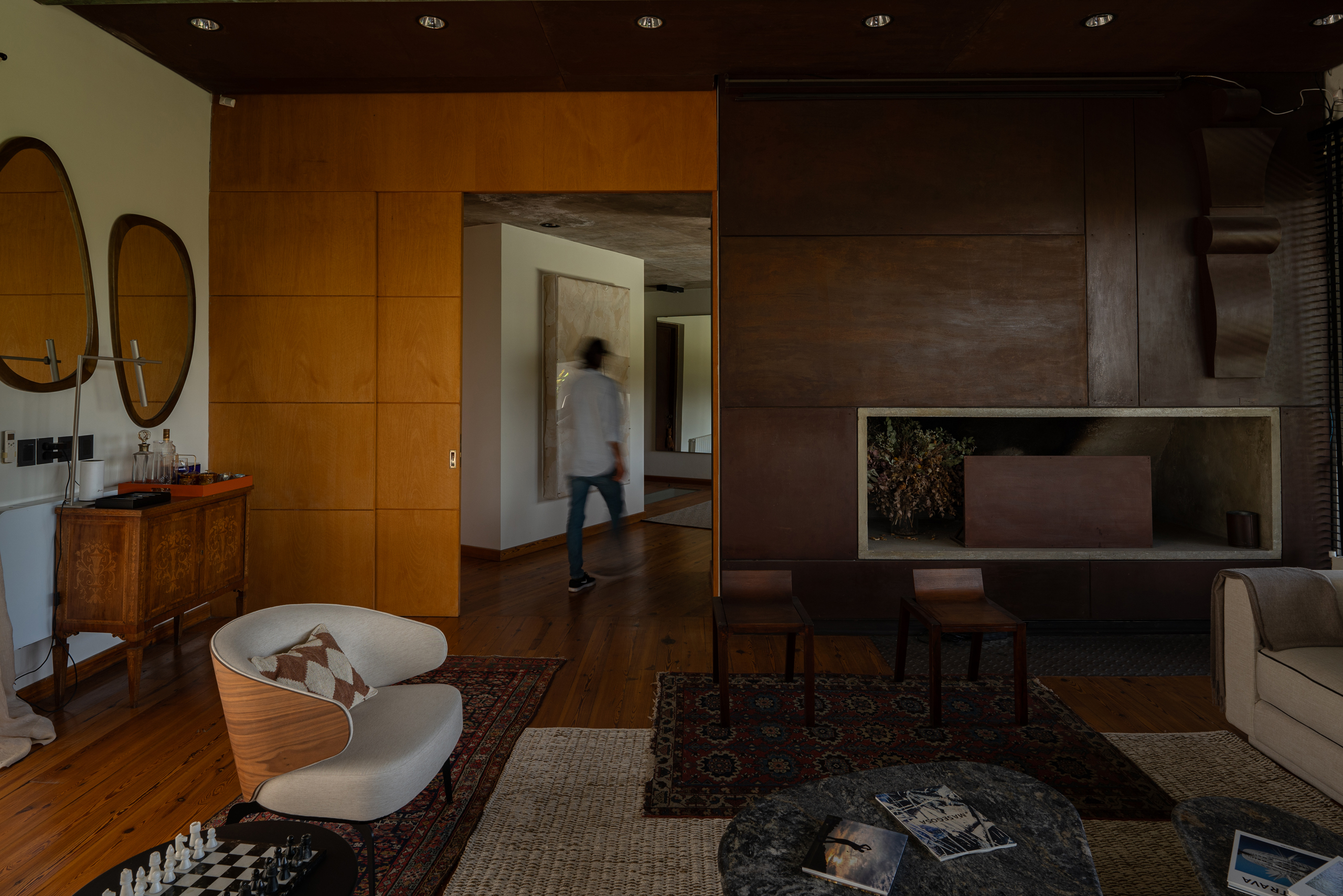
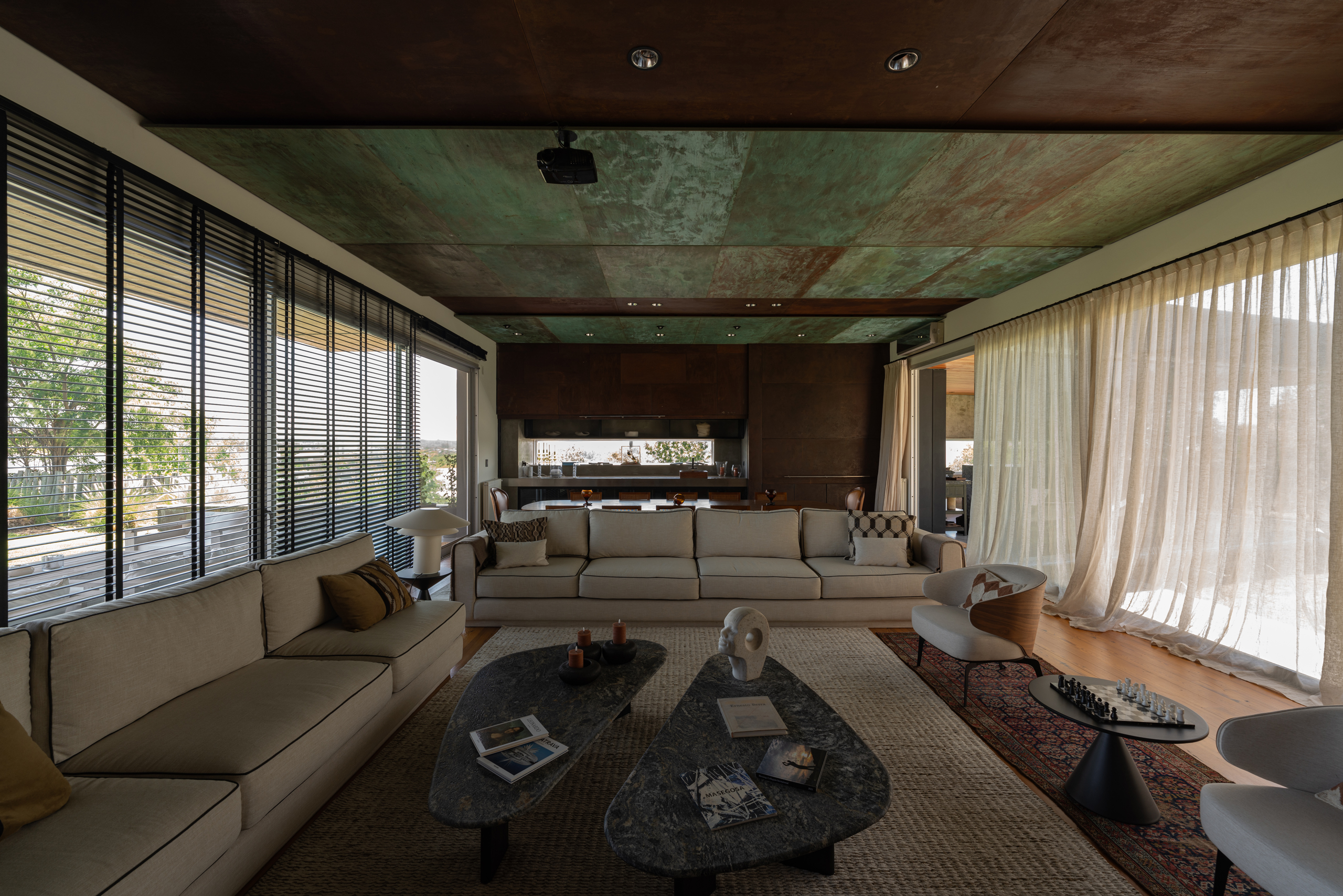
This integration of built form and nature allows the house to breathe. It is not a sealed volume, but a series of spaces in constant negotiation with climate, orientation and light. It is an architecture that listens to its environment, that allows its form to be shaped by natural rhythms and site-specific conditions.
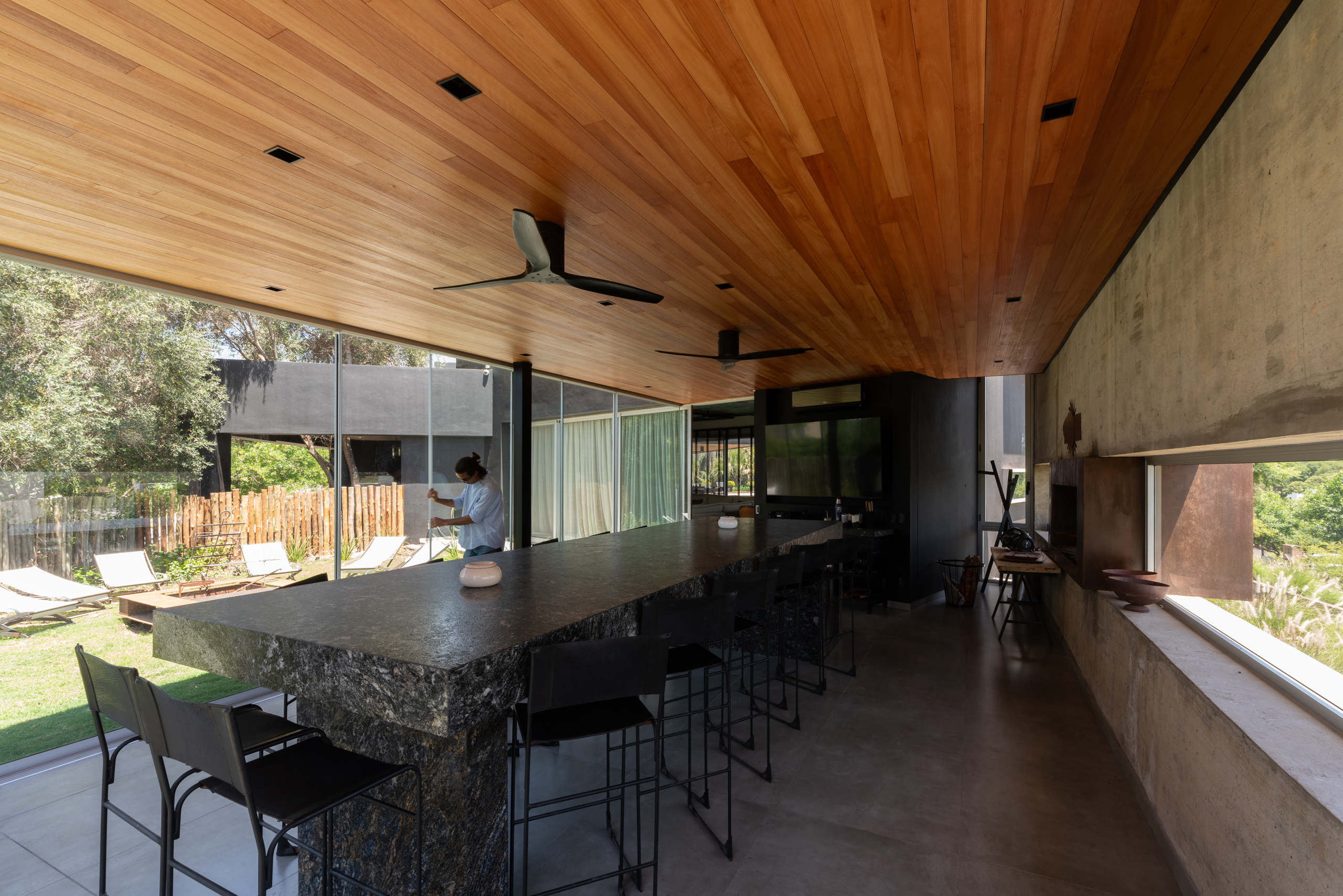
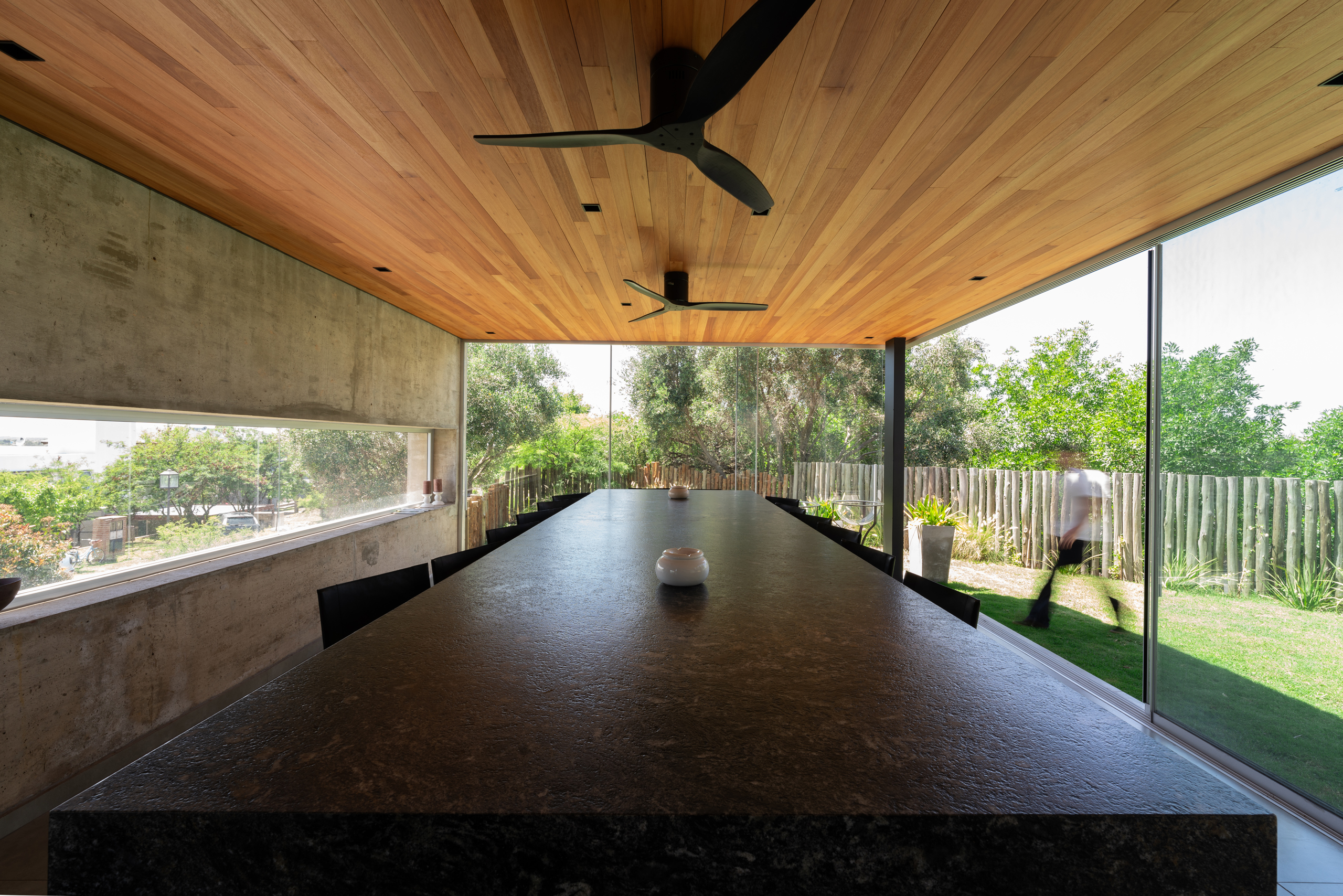
The formal language supports this approach with discipline and restraint. Pure geometries and the total absence of ornament result in a clear, timeless image. The architecture is expressed through structure, light, and material—coherently aligned with a sober visual narrative. It resists trends in favour of permanence. In its entirety, the project offers a mature perspective on contemporary architecture. It avoids spectacle in favour of depth, embracing the poetic potential of shadow, texture, and silence. This is architecture that asks to be felt, not just seen. It invites presence, attention, and reflection—a built experience that endures.