Human Foundations – Design, Construction & Relationships by Alter Design Group
"Every meaningful structure begins long before construction, taking shape through conversations, shared experiences, and the quiet confidence that grows between people over time."
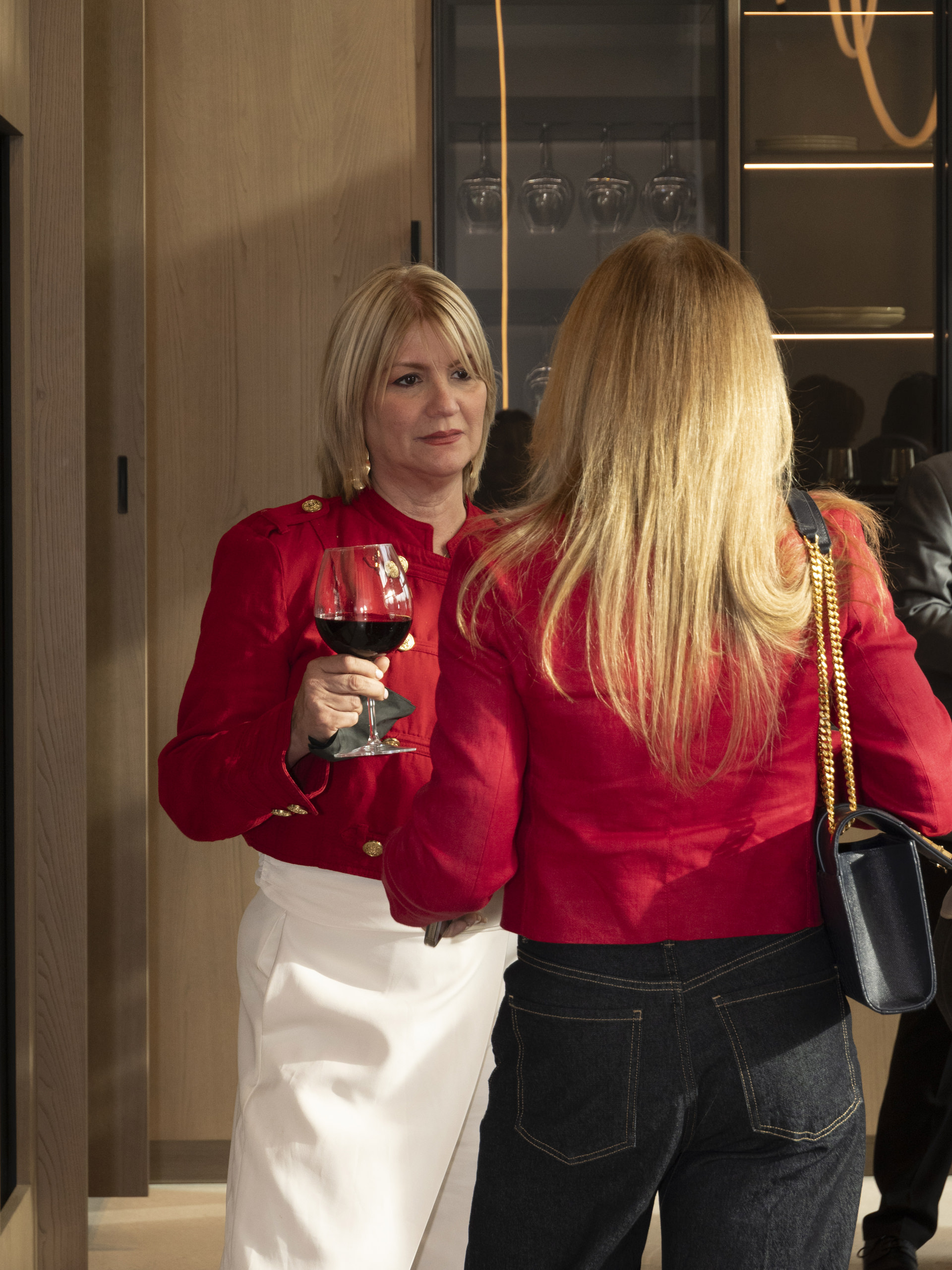
Architecture is often remembered through its façades, materials, and silhouettes, yet its deepest foundations are rarely visible. At the Alter Design Group showroom in Miami, Design, Construction & Relationships That Shape South Florida offered a compelling reminder that the city’s built environment is not only constructed with steel, glass, stone, and concrete, but with trust, mentorship, perseverance, and human connection.
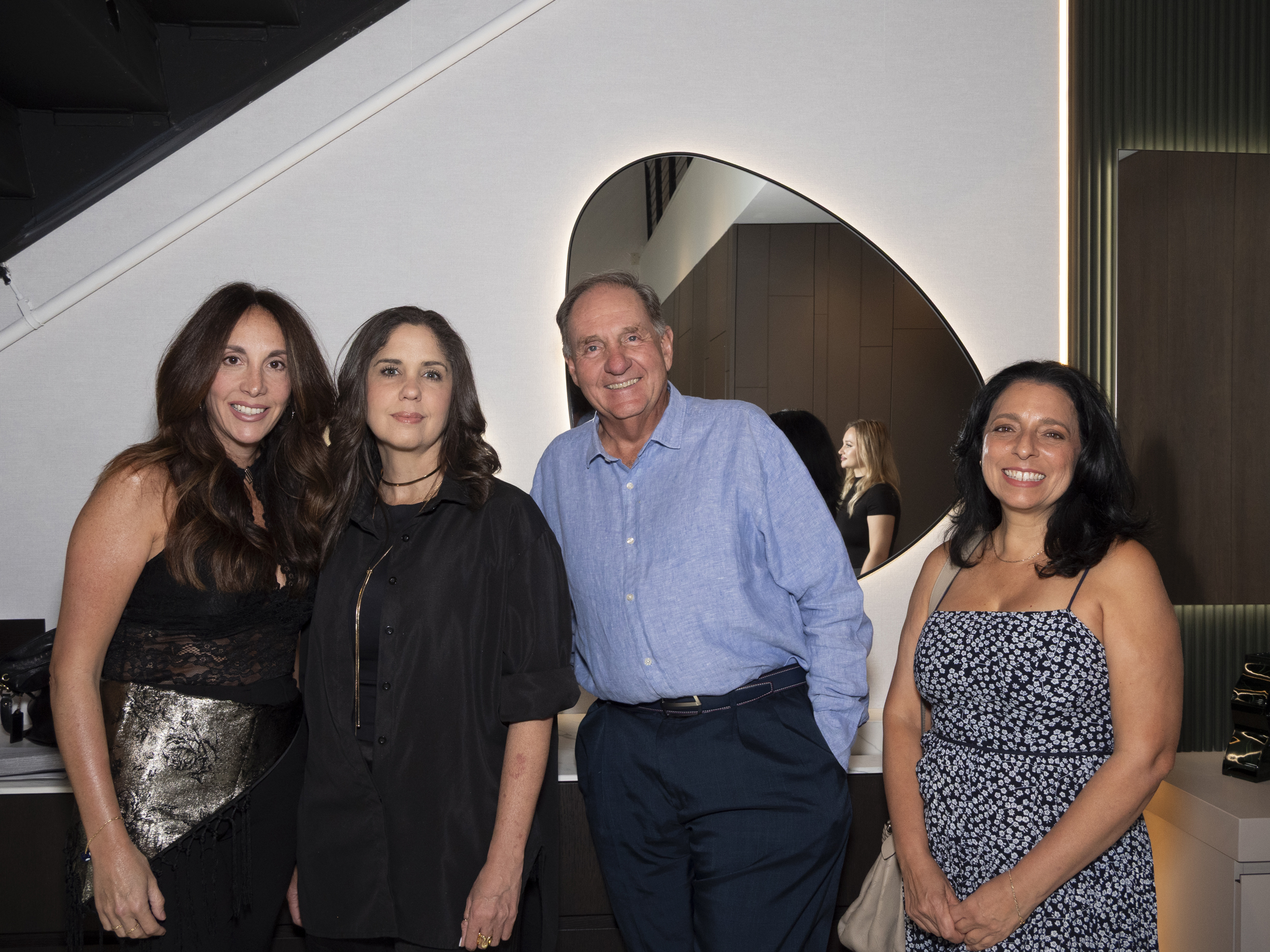
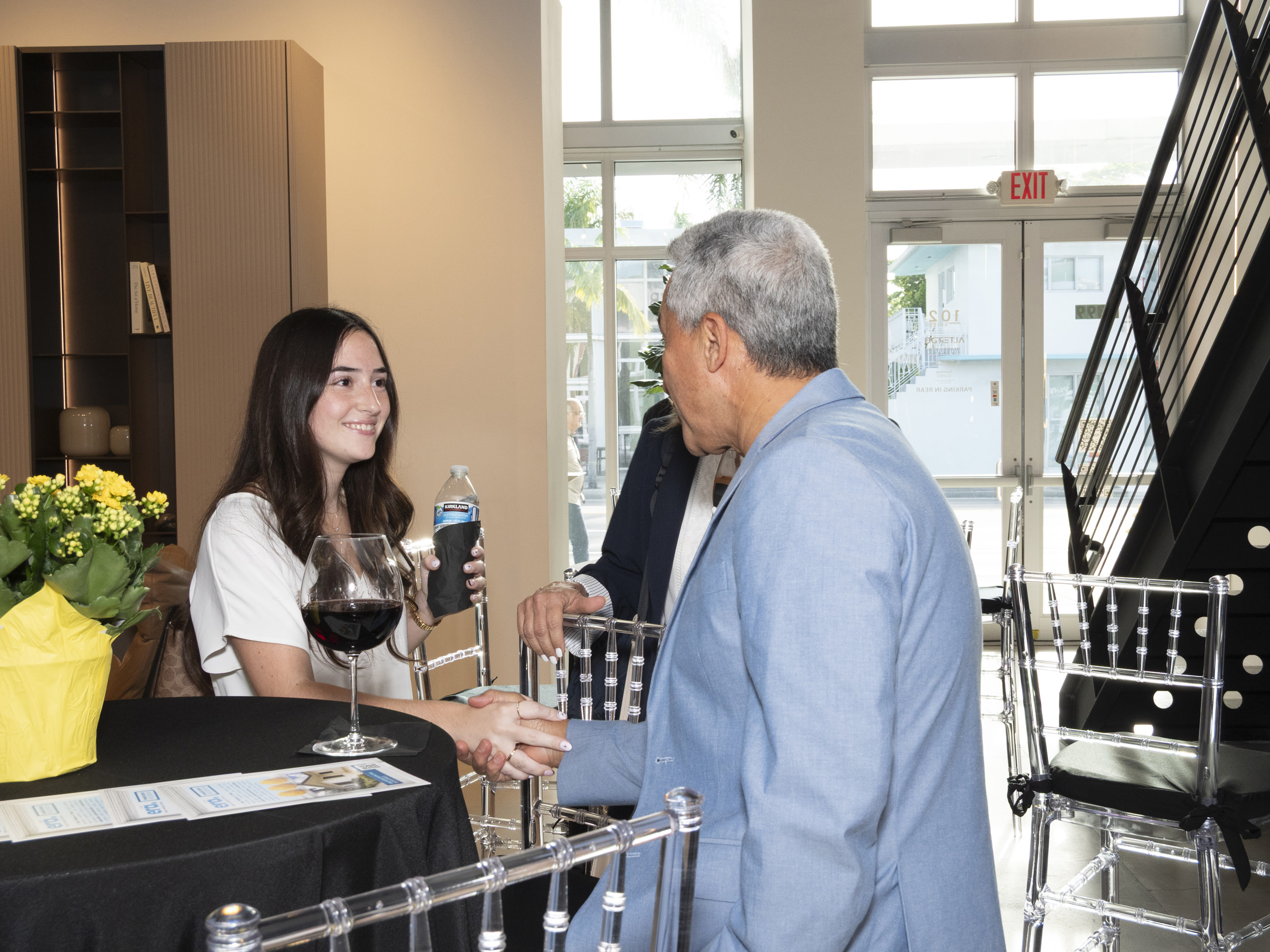
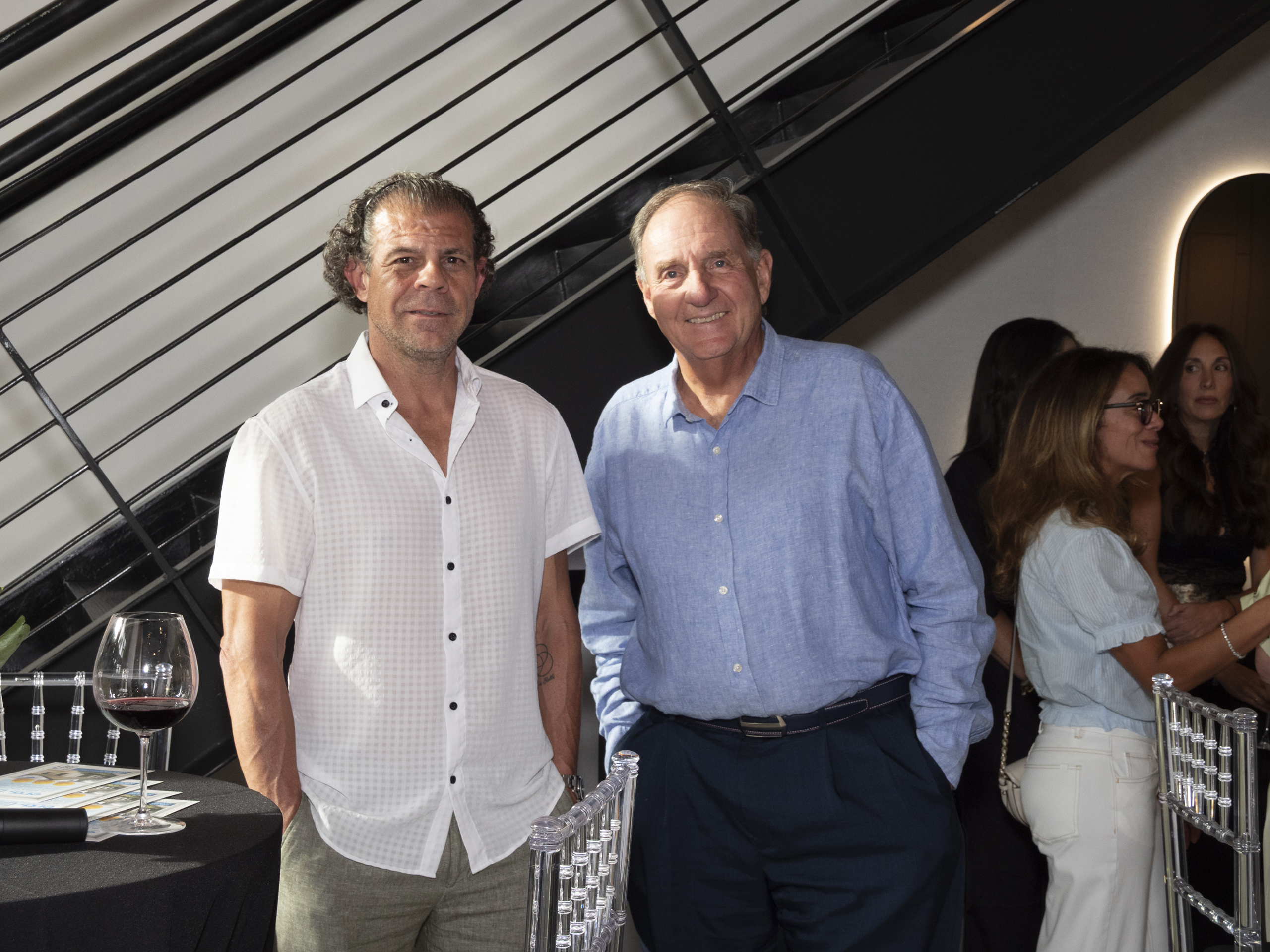
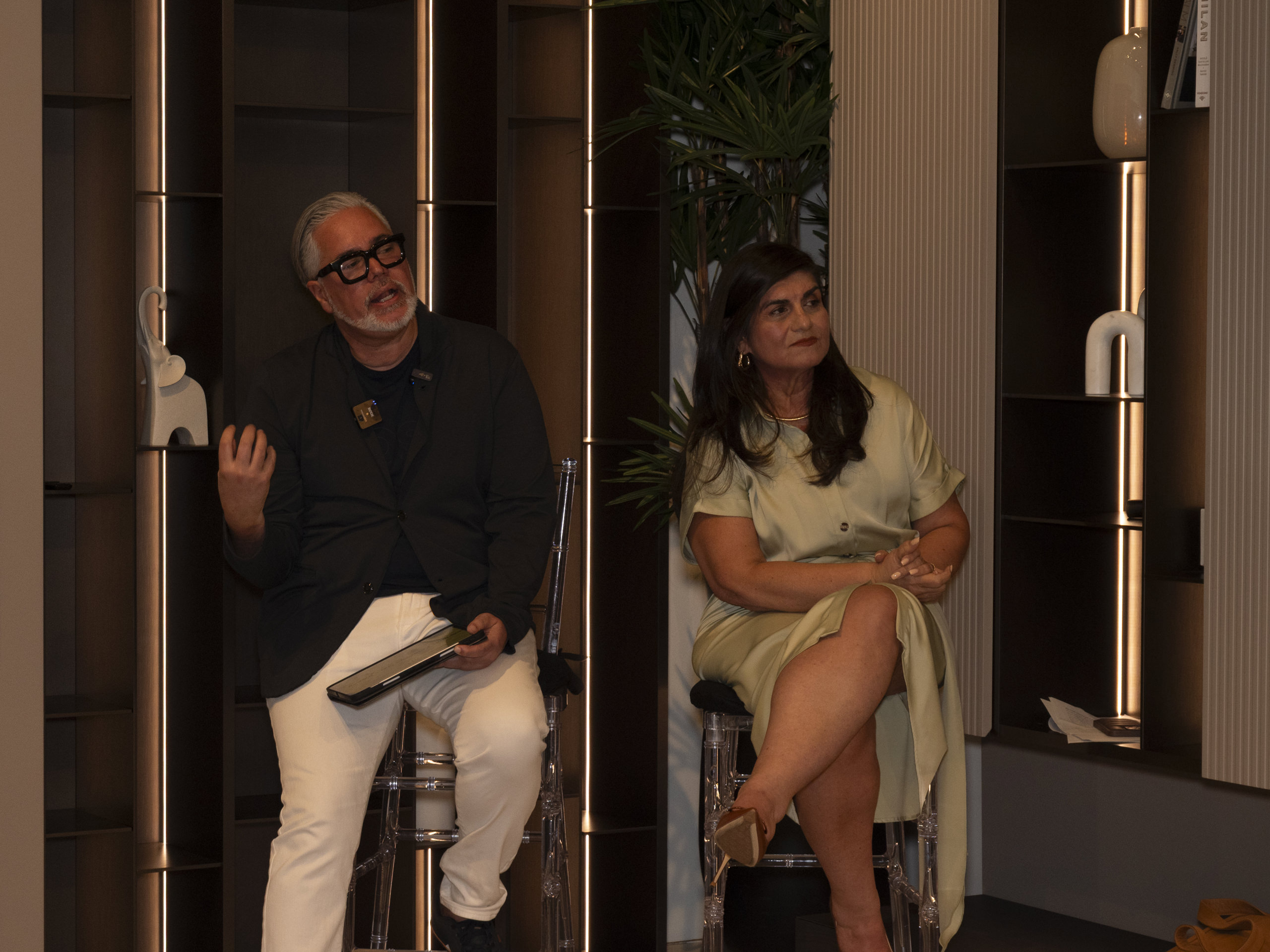
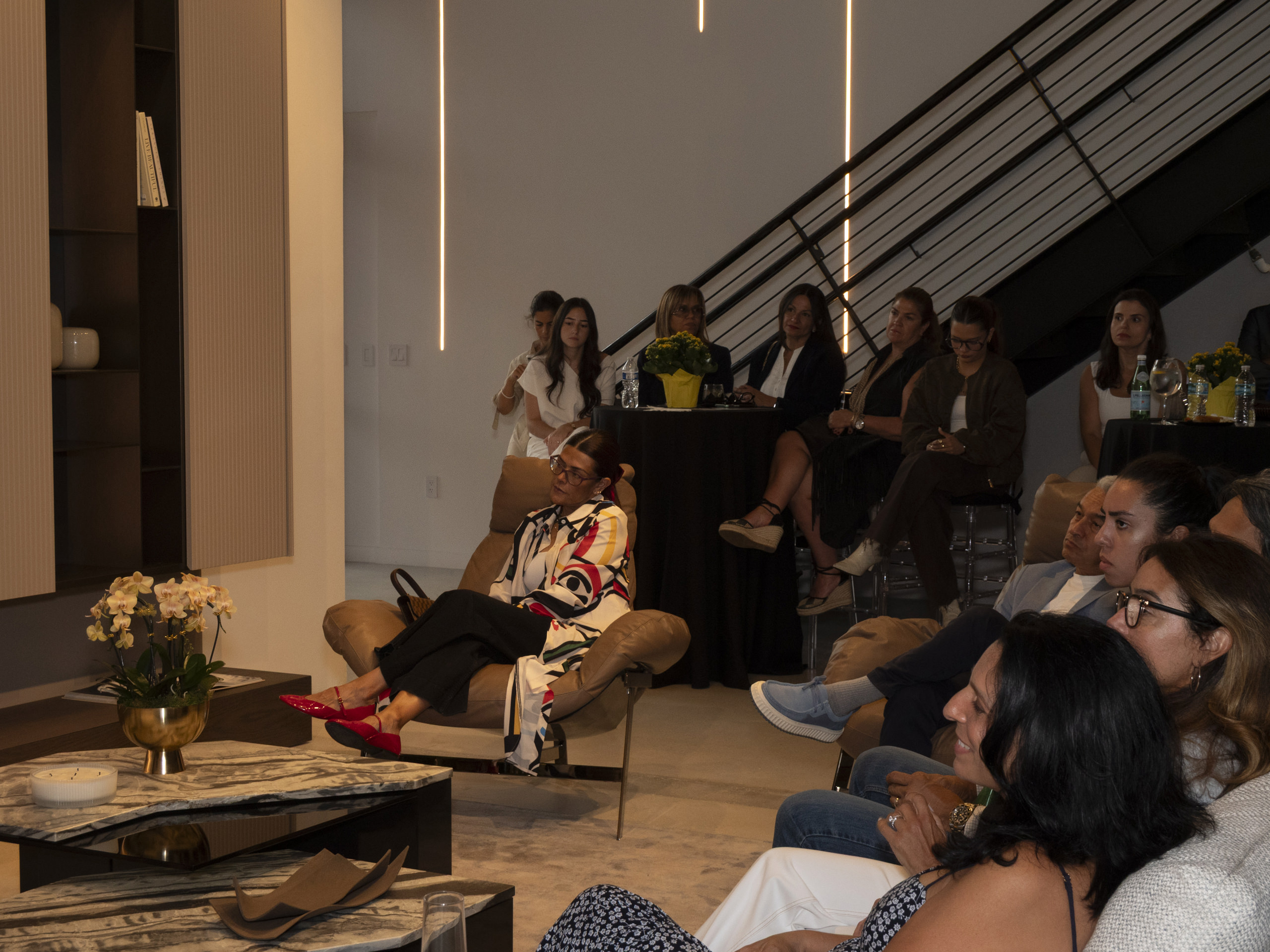
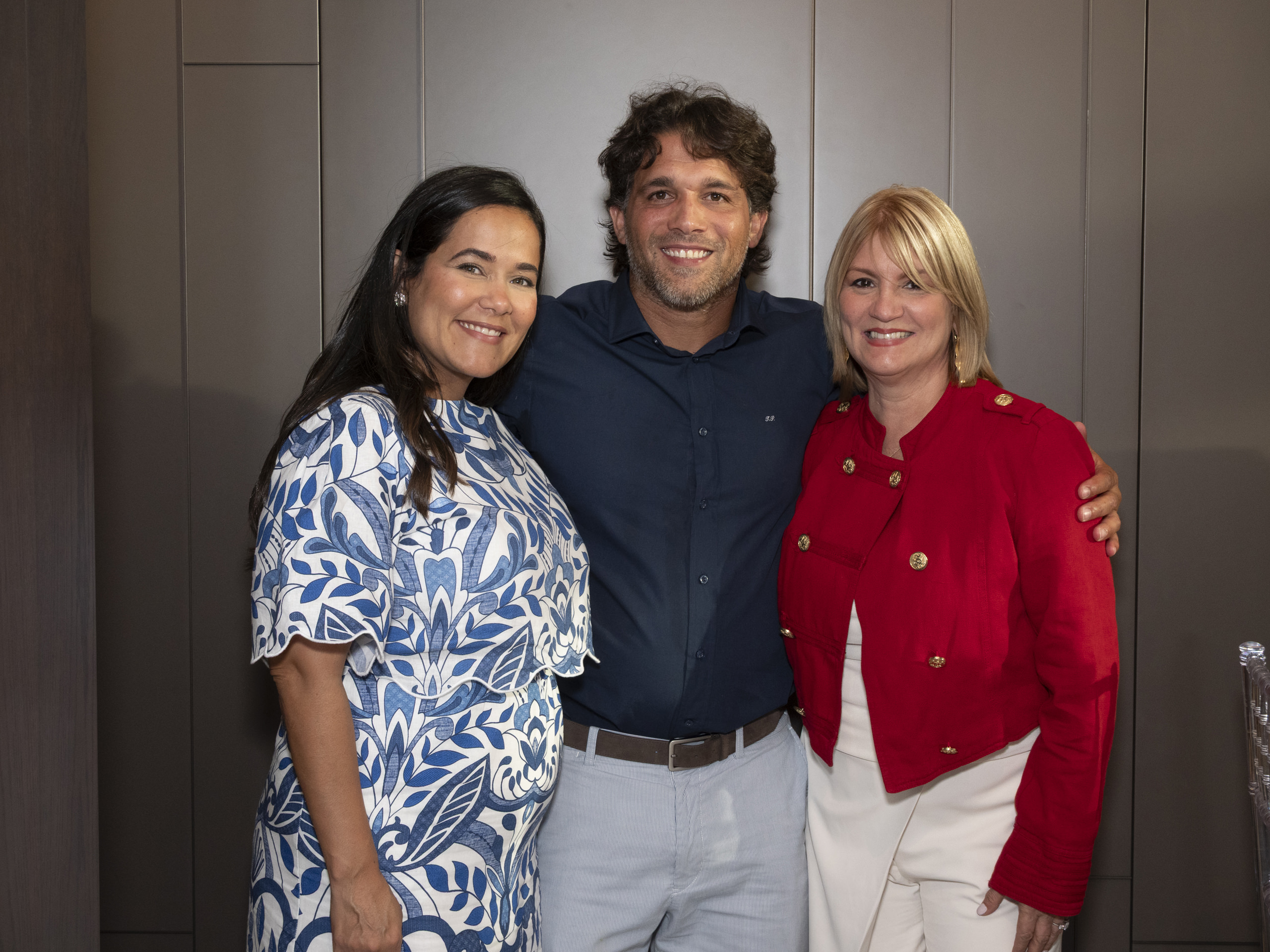
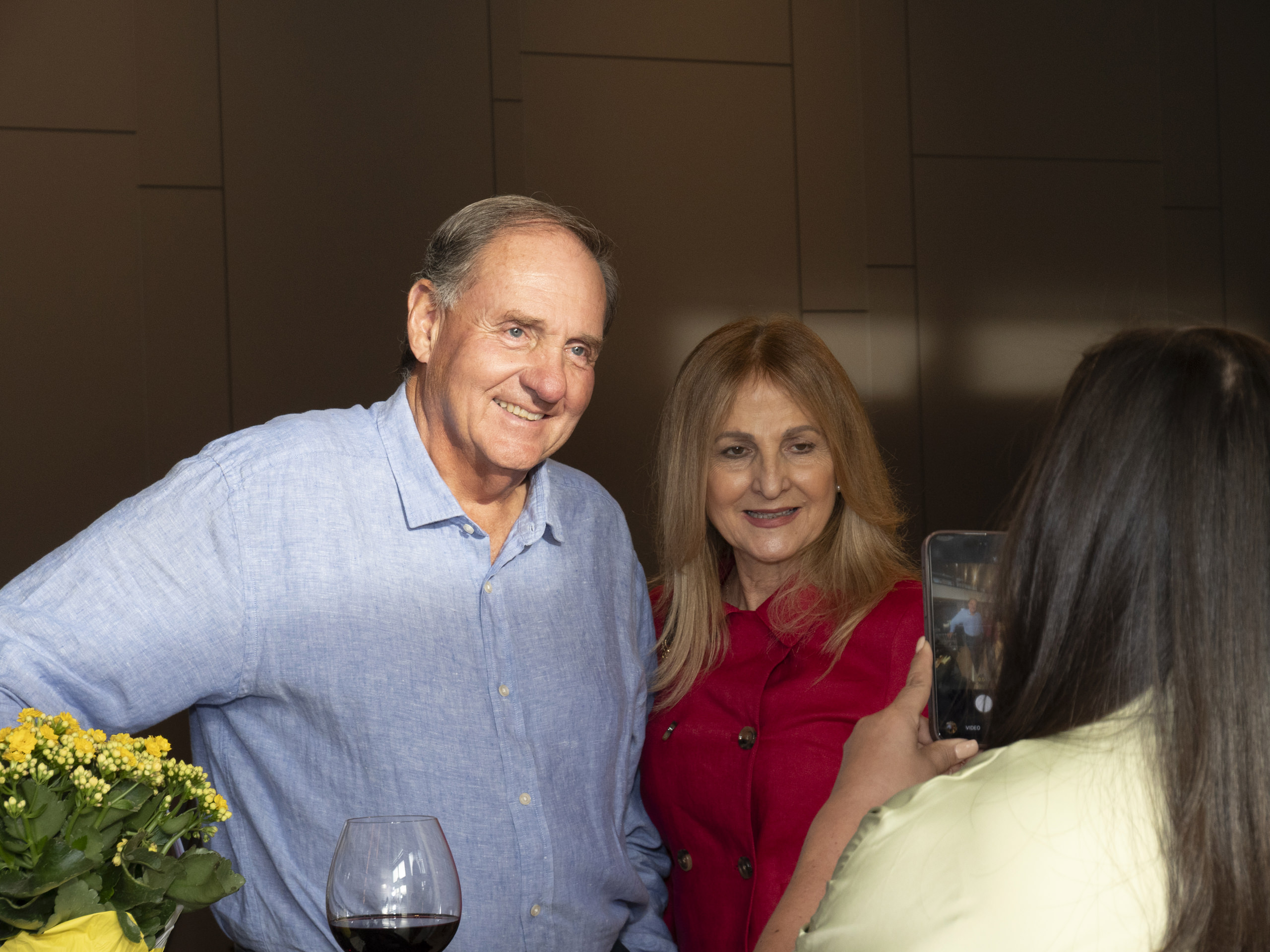
Hosted by Alter Design Group, represented by co-founder Sailin González, and presented in collaboration with Era Windows & Doors, founded by Arelys Álvarez, the event brought together architects, builders, interior designers, engineers, students, manufacturers, and developers in a setting designed for more than display. The showroom became a civic interior: a place where Italian design pieces, refined finishes, glazing systems, and architectural conversation converged into a shared professional atmosphere. Rather than focusing on a product launch or technical lecture, the evening asked a more lasting question: how have relationships shaped the design and construction of South Florida?
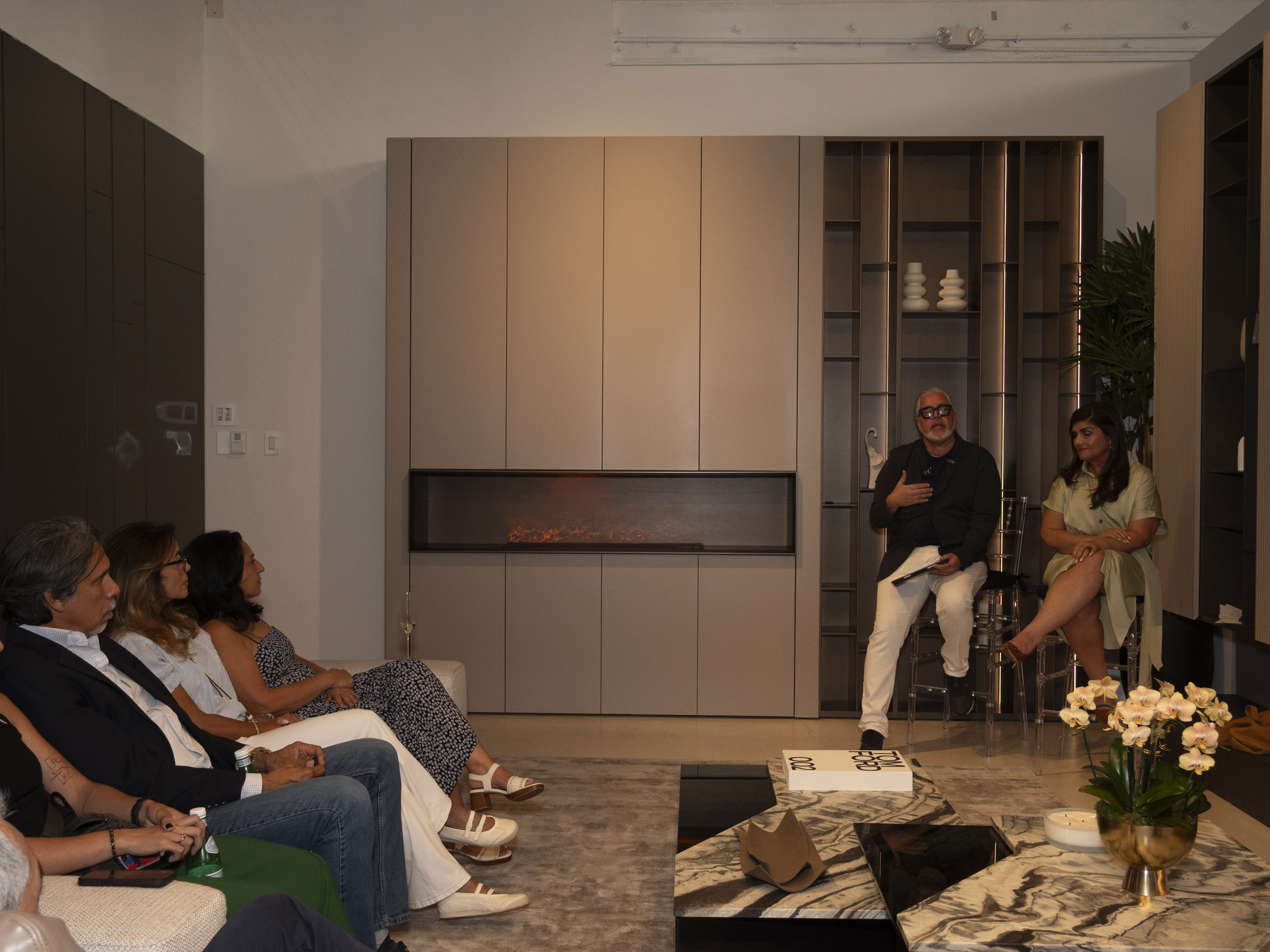
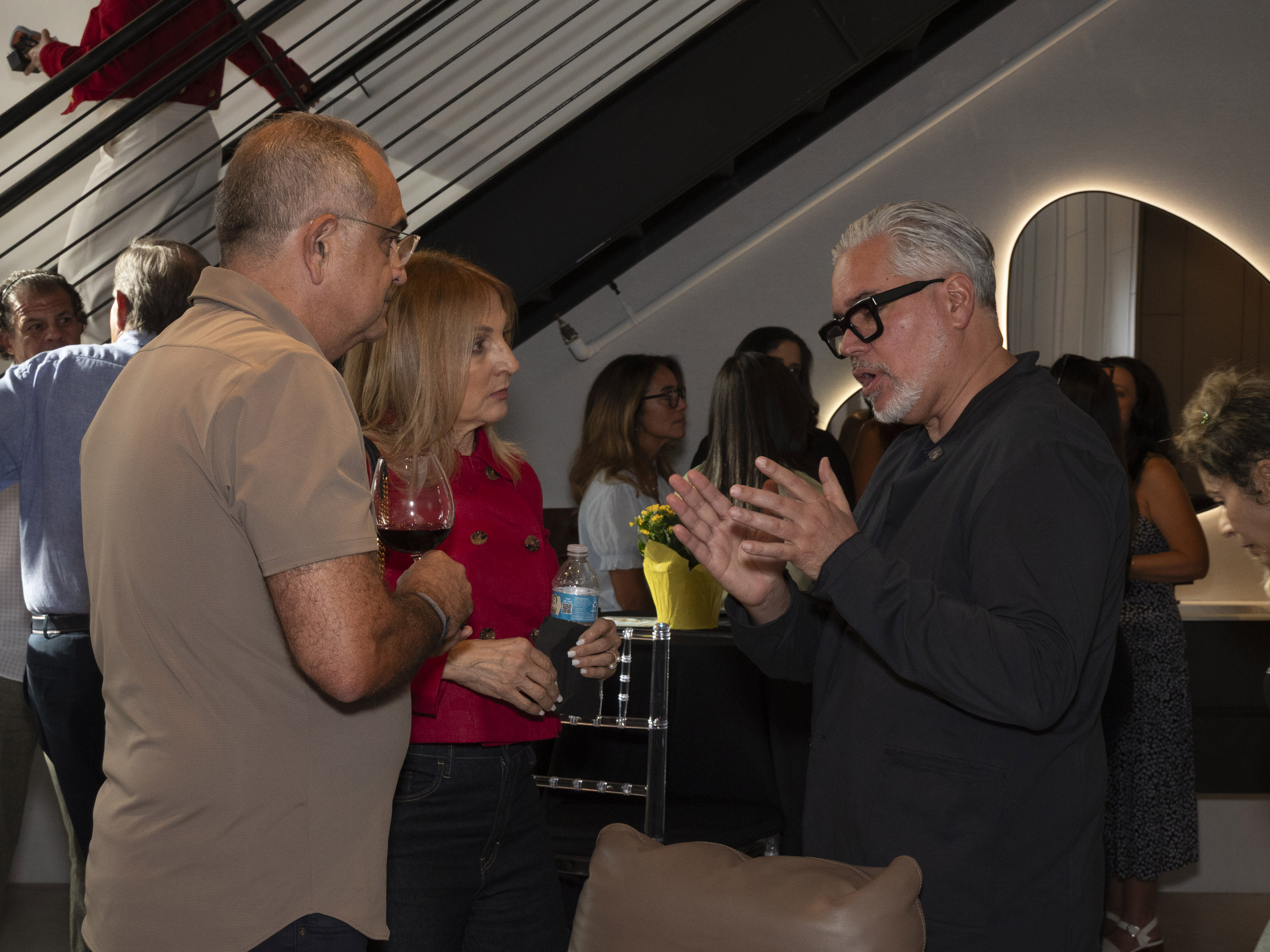
At the center of the conversation was Hugo Mijares, architect, designer, and artist based in Miami, whose keynote moved beyond the traditional portfolio presentation. “Generally, when I am invited to speak, it is to show my work,” Mijares reflected. “In this case, it is something more personal, more autobiographical.” His story unfolded between Venezuela and the United States, from early professional experiences in Caracas to graduate studies at the University of South Florida and Harvard’s Graduate School of Design, later passing through Oppenheim Architecture before establishing his own practice in Miami. Mijares’ design philosophy was presented through a clear internal methodology: Research, Concept, and Hyper. Research, for him, means understanding the problem before attempting to solve it: the site, climate, history, client, materials, and construction logic. Concept emerges from that accumulated knowledge, forming the intellectual and spatial structure of the project. Hyper goes further, refusing to stop at the first functional solution and instead searching for the strongest possible outcome through iteration, refinement, and, increasingly, artificial intelligence.
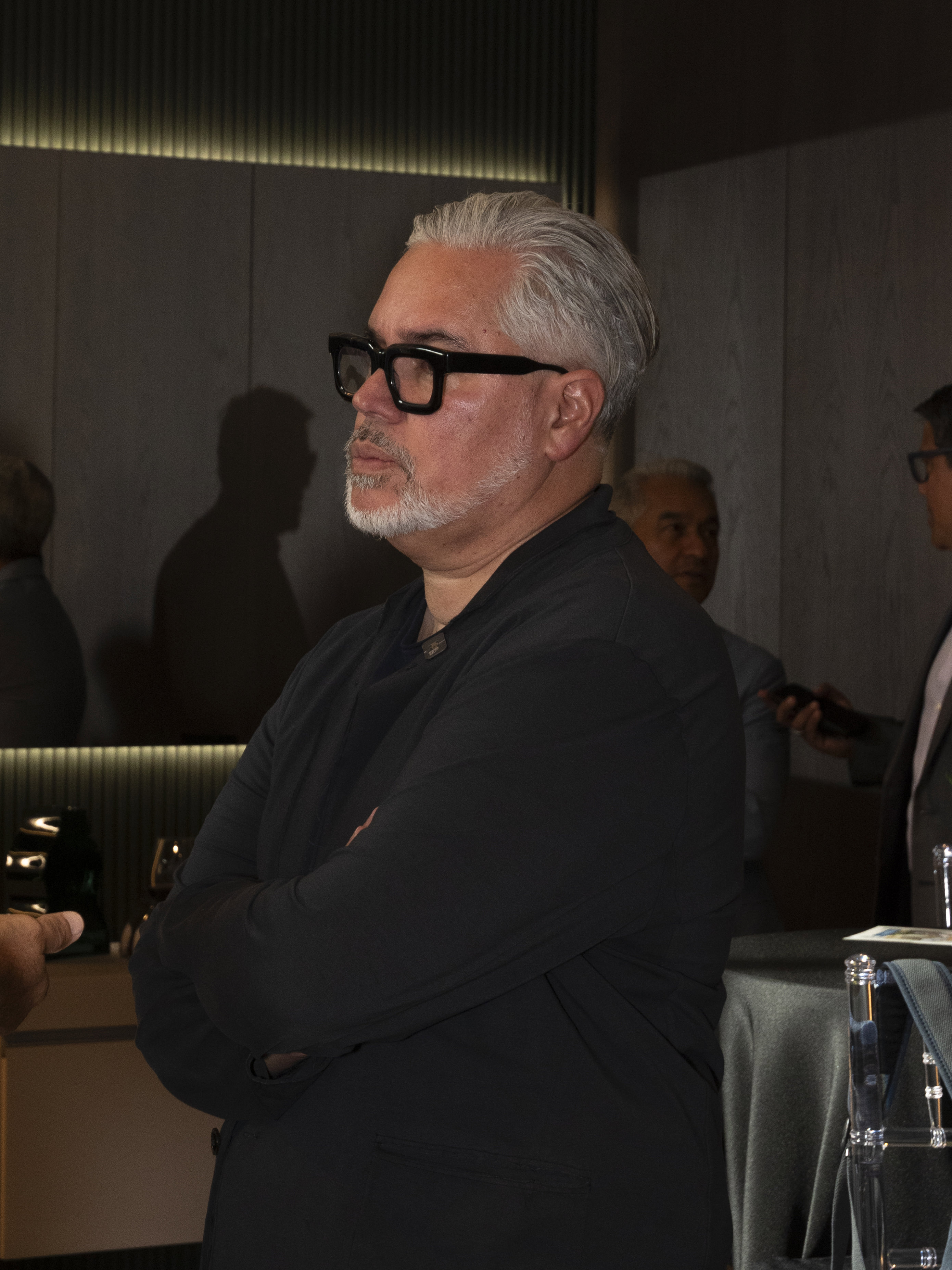
This methodology reflects a broader architectural attitude: design should not begin with appearance. Mijares emphasized that strong architecture is born from inquiry, not decoration. Whether designing a residence, a piece of furniture, eyewear, or restoring a vintage motorcycle, he approaches the object as a system to be studied, dismantled, reimagined, and rebuilt. The result is an ethos of precision, curiosity, and disciplined imagination. His journey through Caracas revealed the importance of early networks and mentors. Figures such as Javier Caricato, Fernando Távara, Andrés Távara, and Francisco Bielsa shaped not only his architectural education but his understanding of design as a multidisciplinary field. Caracas appeared in his memory as a sensory and cultural force: the Ávila, the valley, the noise of the city, the presence of art in public space, and the legacy of landscape and modernism all became part of his architectural language.
"Research reveals possibilities, collaboration gives them purpose, and perseverance transforms thoughtful ideas into places that leave a lasting mark on the city."
Sarasota later introduced him to the Sarasota School of Architecture and the work of Paul Rudolph, whose influence remains visible in Mijares’ interest in structural expression, climate-responsive design, material honesty, and modernist rigor. Harvard expanded this foundation with global references, academic intensity, and professional relationships that continue to inform his work. Miami, finally, became the place where these influences met tropicality, client culture, construction realities, and opportunity. Arelys Álvarez framed the evening with a powerful observation: construction is not only steel, glass, flooring, or systems. A meaningful building depends on the commitment of the people who participate in it. Through Era Windows & Doors, a company specializing in impact-resistant windows, doors, railings, and glazing systems, Álvarez positioned technical expertise as inseparable from responsibility, detail, and collaboration.
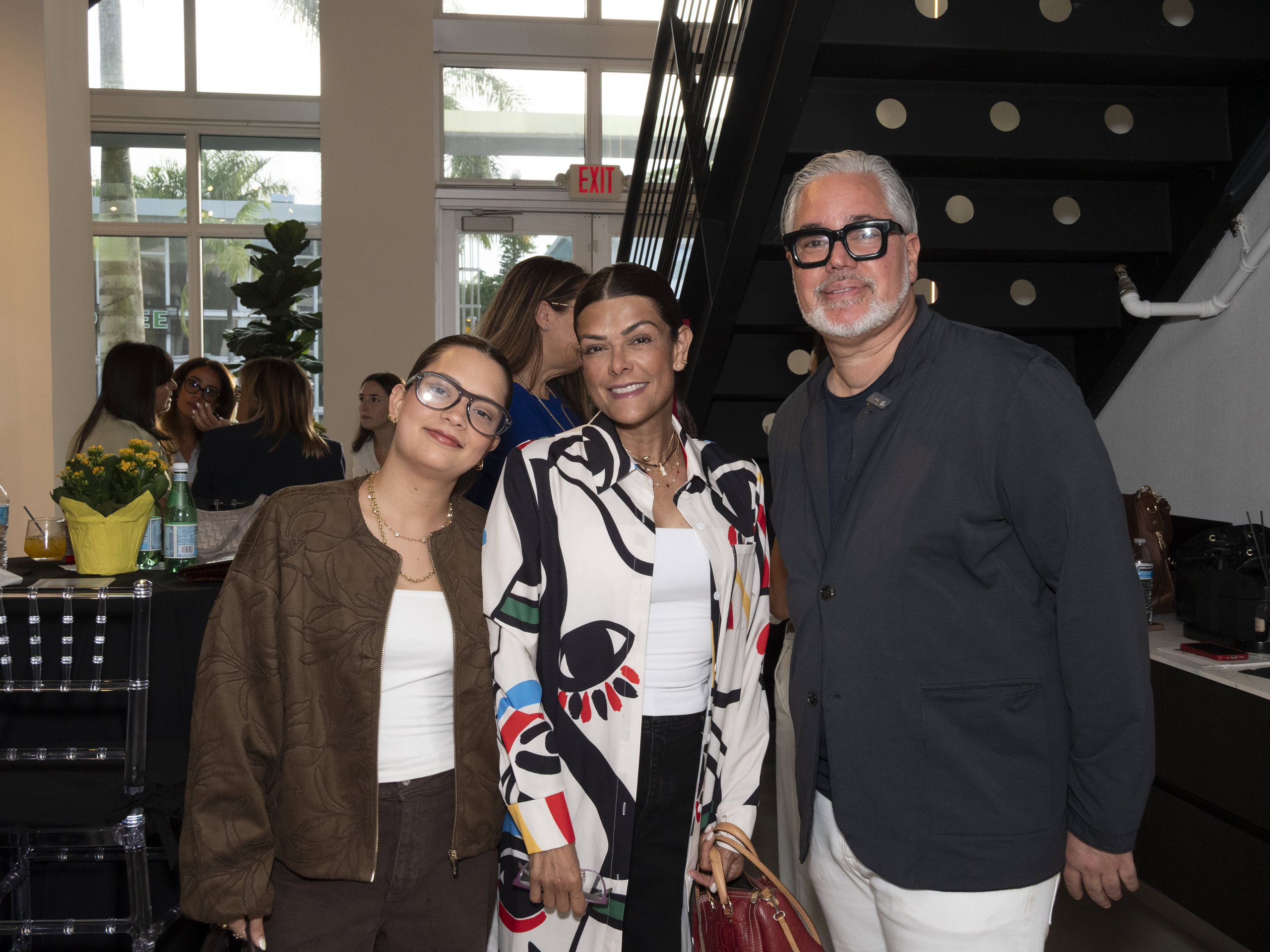
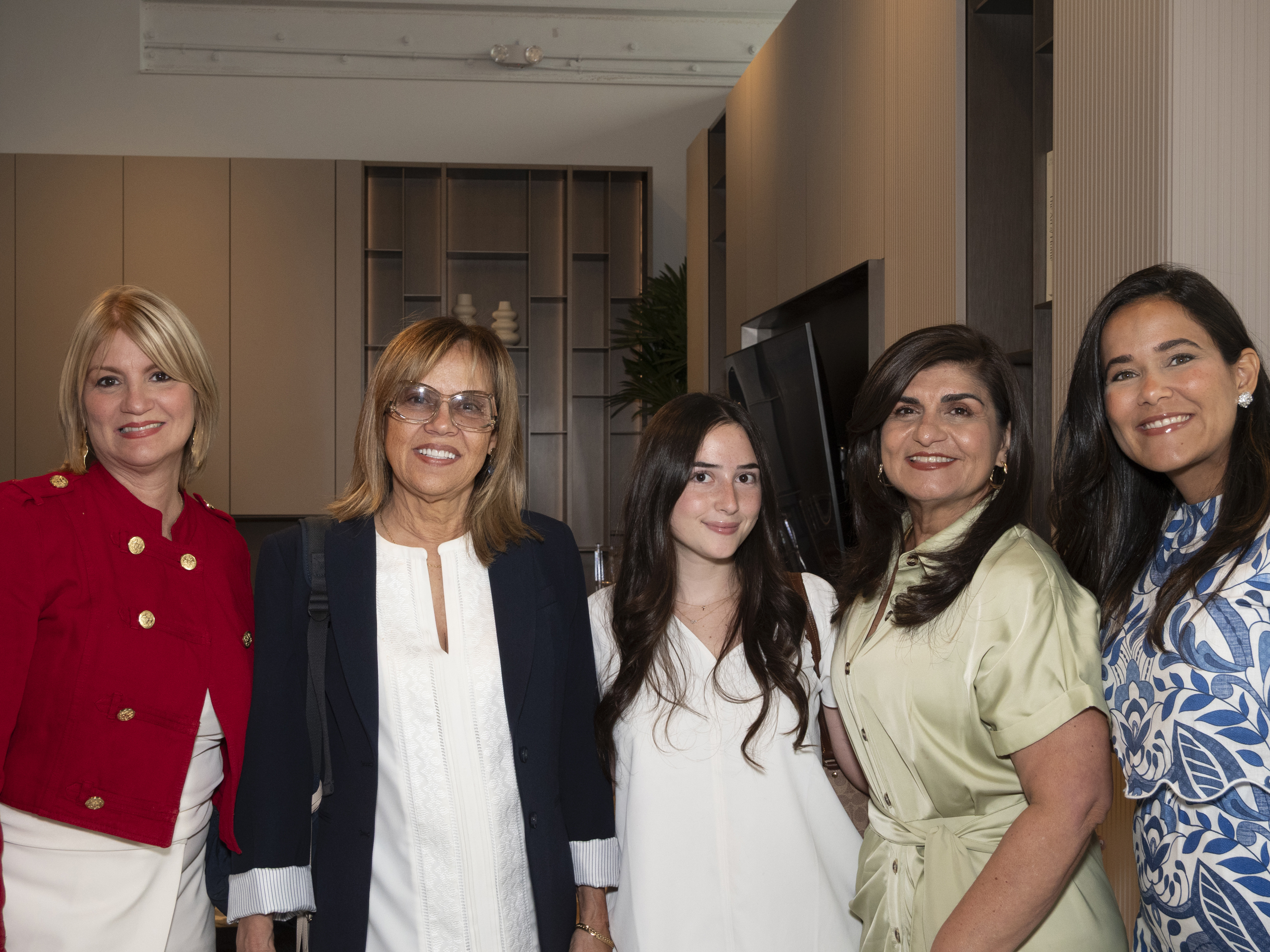
Sailin González, as co-founder of Alter Design Group, presented the showroom as a space capable of hosting these exchanges. In that sense, the event demonstrated a timely evolution in the role of the design showroom. It is no longer only a place to specify materials or products; it can also become a cultural platform where professionals gather, younger voices learn, and the local industry reflects on itself. One of the evening’s strongest messages was directed toward emerging professionals: build relationships before opportunities. Mijares encouraged young architects and designers to find mentors, visit construction sites, learn from craftsmen and contractors, protect professional ethics, and choose clients carefully. He also reminded the audience that architecture is a long relationship between designer and client, often lasting years, and that alignment of values is essential.
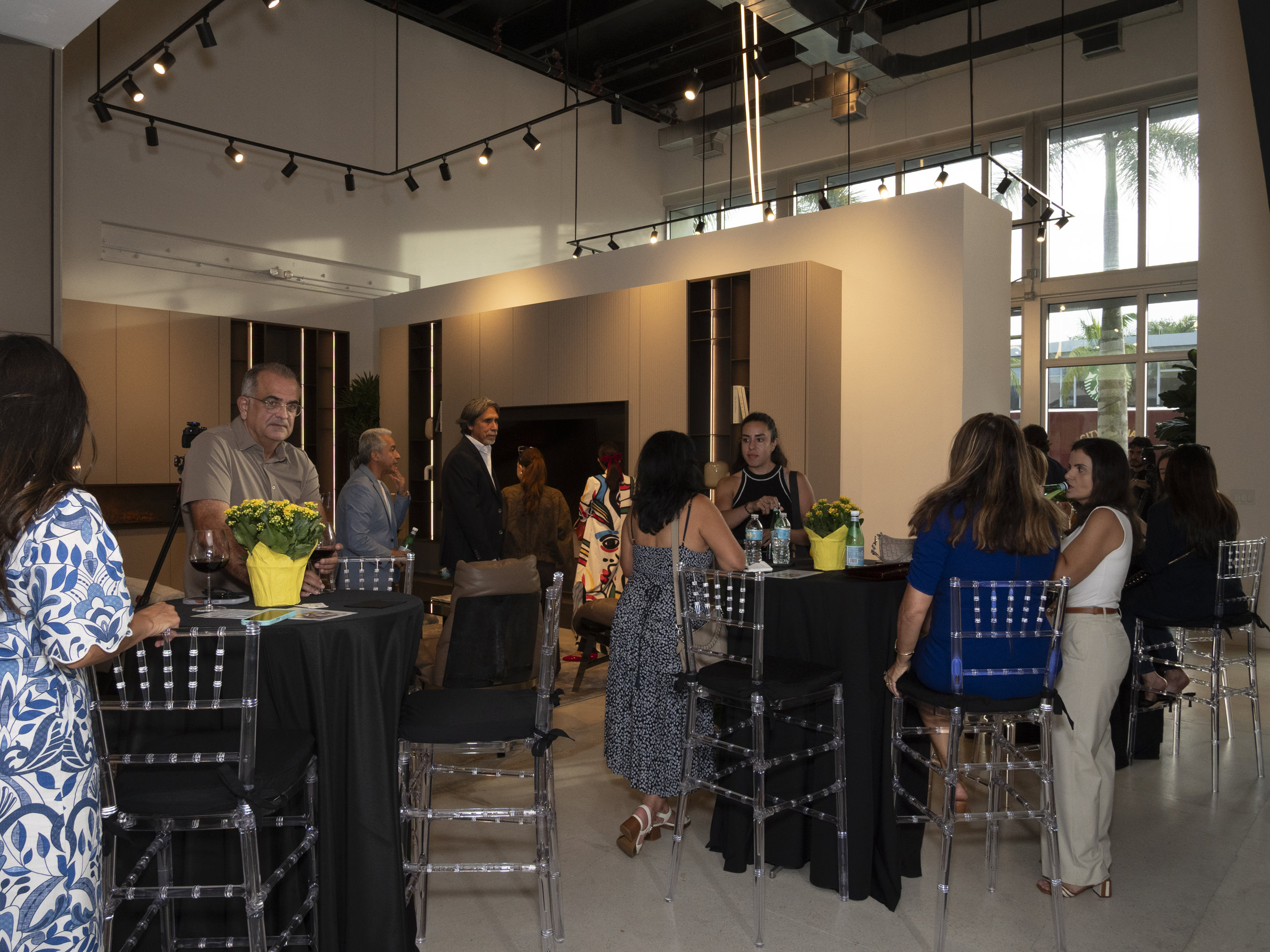
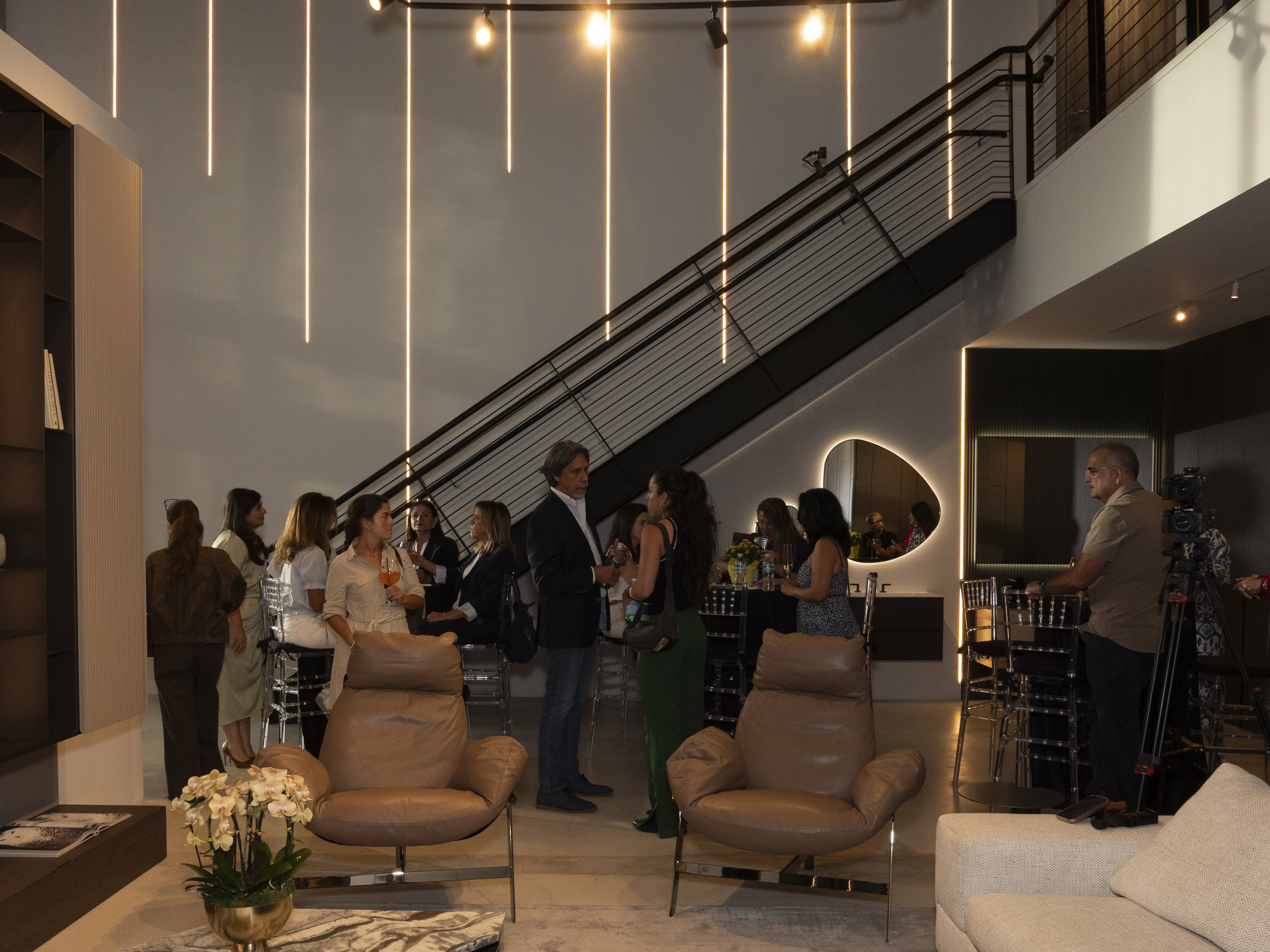
The conversation also touched on sustainability and context. Mijares described himself as passionate about green design, local materials, local labor, and craftsmanship whenever possible. His work, particularly in Miami, carries traces of Sarasota modernism, Harvard discipline, Venezuelan cultural memory, and subtropical adaptation. Light, shade, landscape, structure, and material tactility become part of a language that is both personal and regional. Ultimately, Design, Construction & Relationships That Shape South Florida was less an event about completed buildings than about the invisible architecture behind them. It revealed that every project is supported by conversations, risks, lessons, disagreements, site visits, sketches, coffees, and years of trust. In a region transformed dramatically over the last decade, this message feels especially relevant: South Florida’s future will not be shaped by design ambition alone, but by the quality of the relationships that carry that ambition into reality.
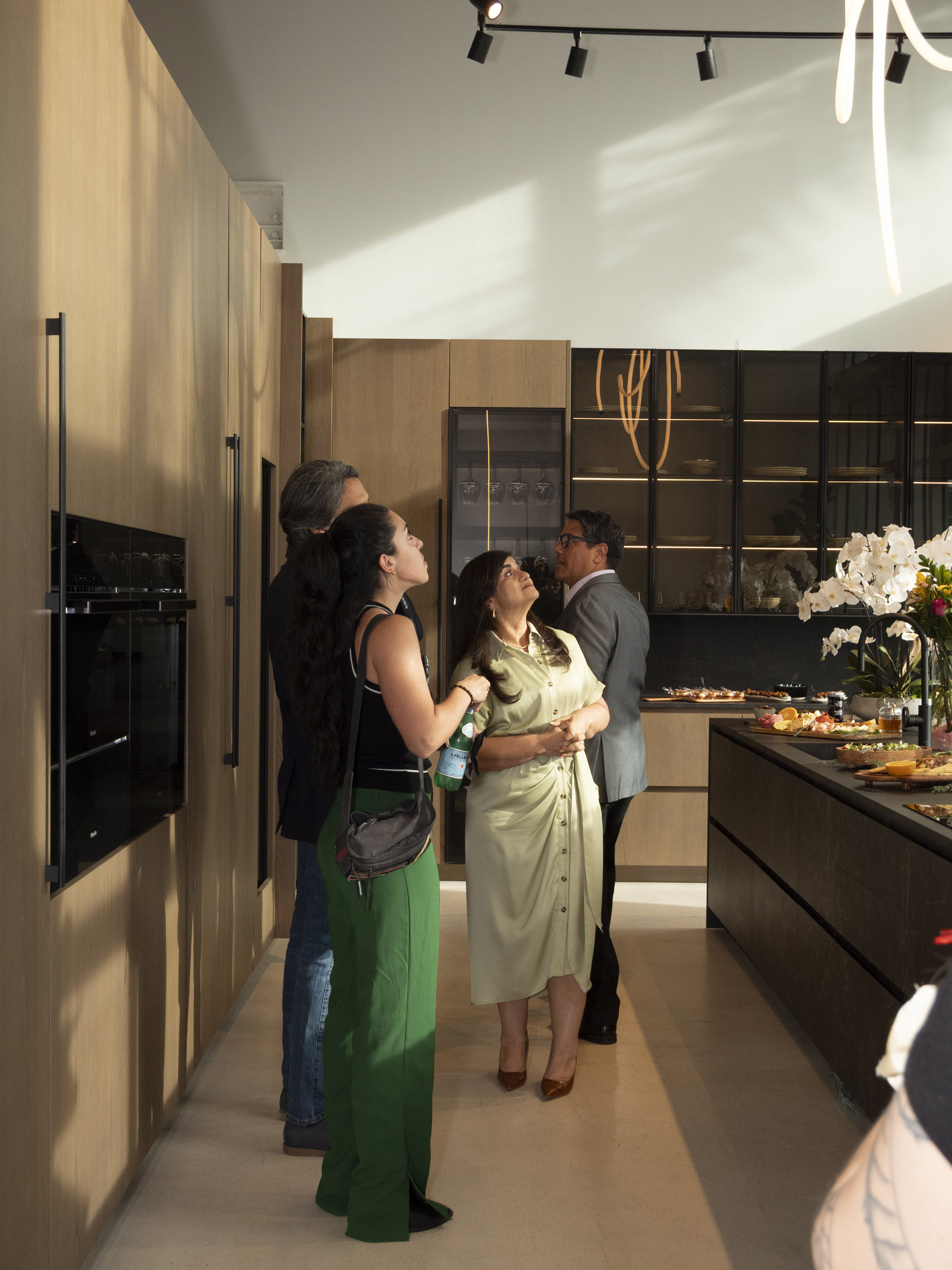
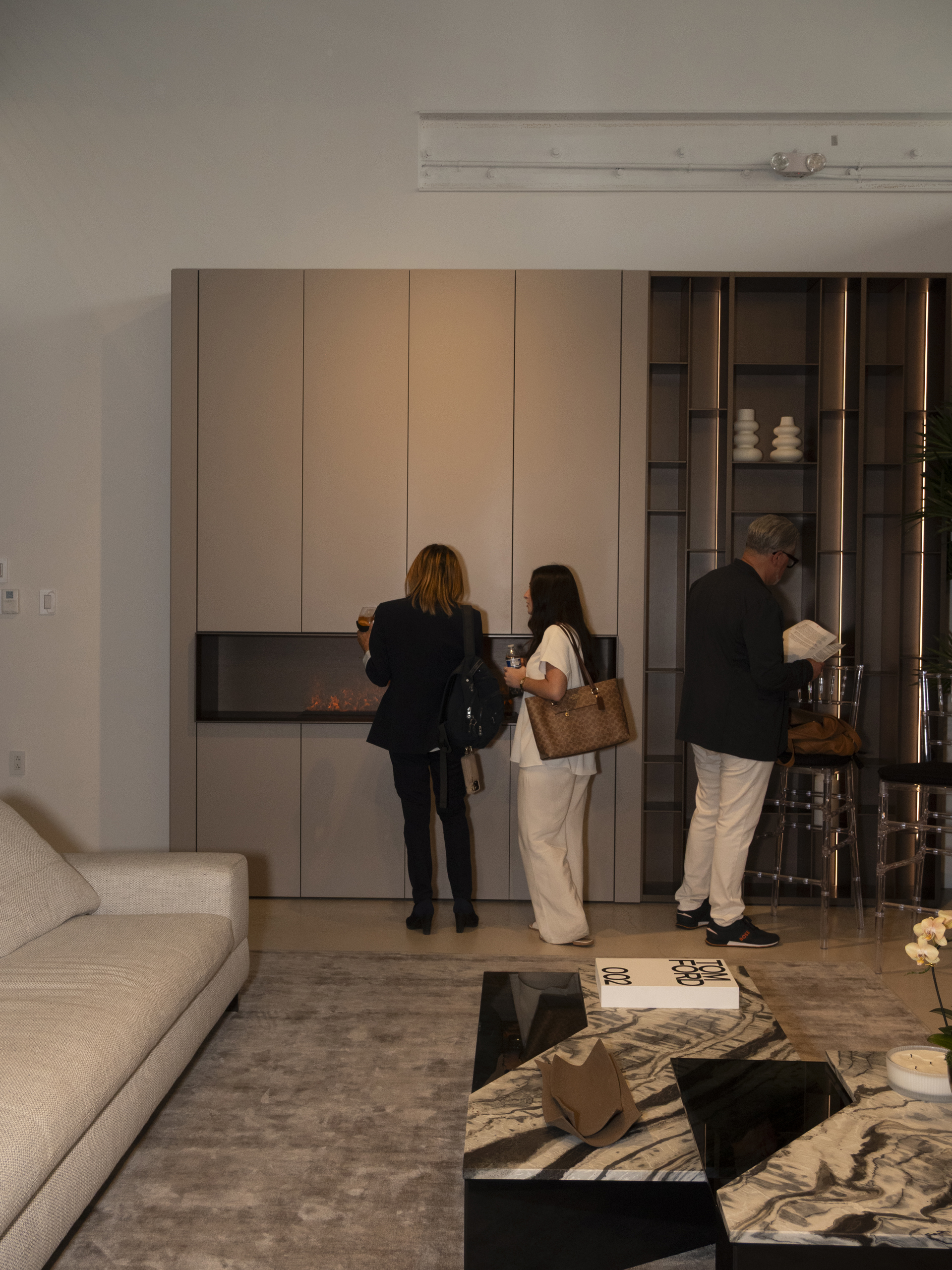
The Alter Design Group showroom became, for one evening, a mirror of the industry it serves: polished yet personal, technical yet emotional, commercial yet deeply human. Through the voices of Hugo Mijares, Sailin González, and Arelys Álvarez, the event reminded its audience that architecture is not a solitary act of genius. It is a collective discipline, built across generations, cultures, trades, and friendships — one conversation at a time.