Honouring Memory – Centro Cultural Los Lavaderos by Modulo Arquitectos and AMD Arquitectos
"Rooted in memory yet oriented toward the future, the project transforms a once utilitarian space into a cultural landmark where community, creativity and identity converge through architecture."
There is a quiet poetry in places shaped by collective rituals, where everyday acts once defined the rhythm of community life. Centro Cultural Los Lavaderos emerges from this memory, carefully weaving past and present into a space where architecture becomes both a vessel of heritage and a stage for contemporary cultural expression.
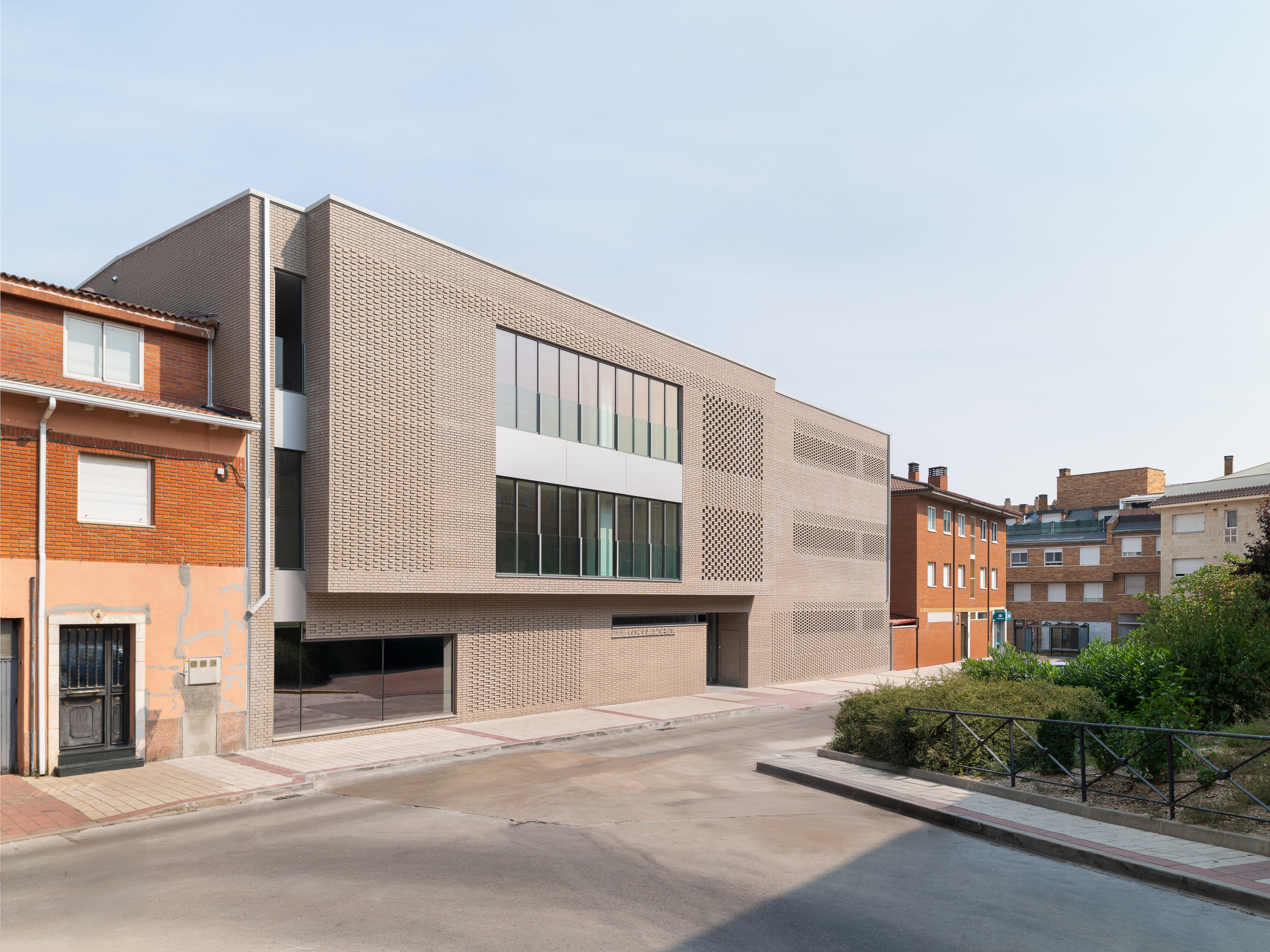
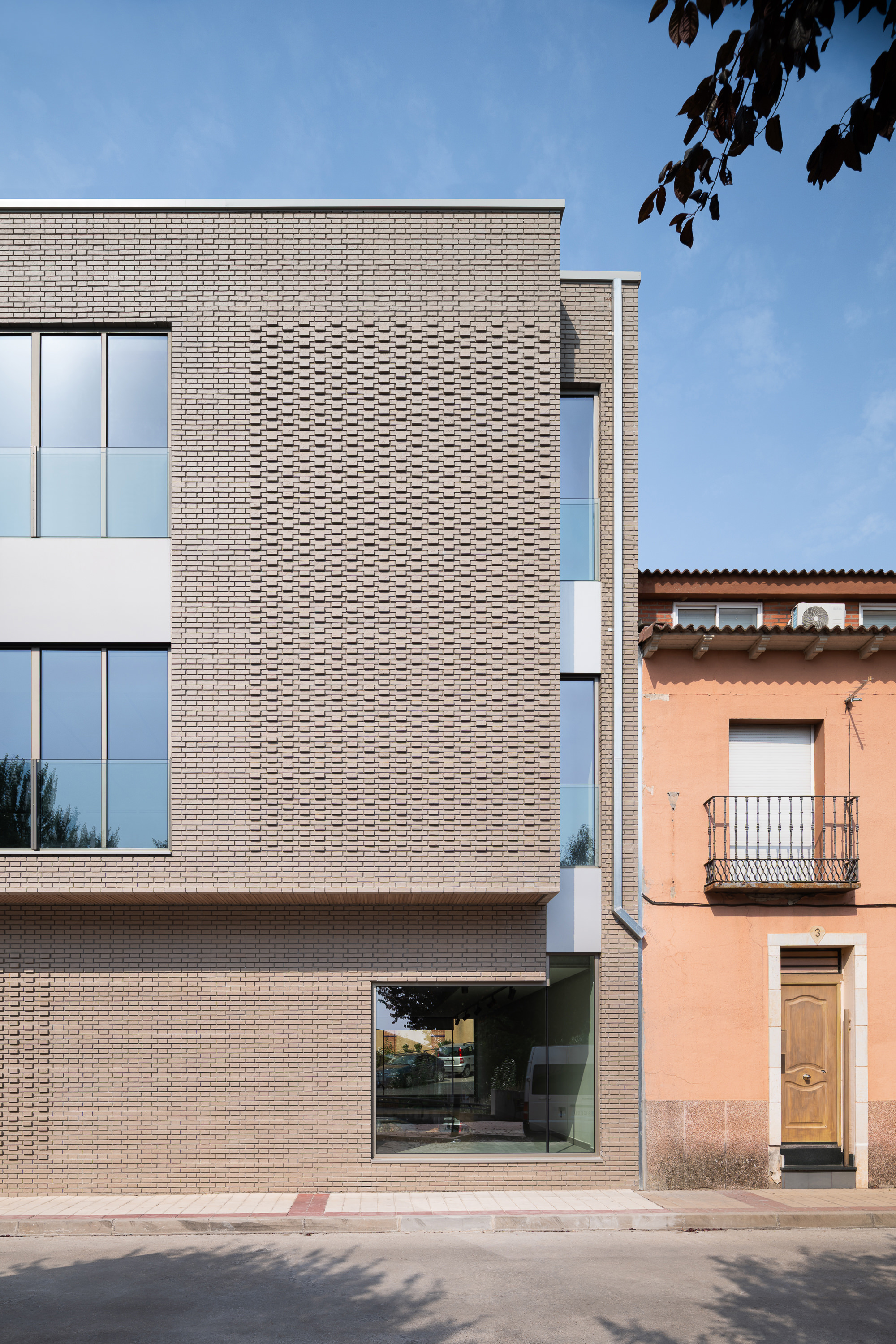
The project originates from a civic initiative by the Ayuntamiento de Zaratan, envisioning a public building that would serve both cultural and educational purposes. Yet, the ambition extended beyond functionality. The site itself once home to traditional stone washhouses held deep emotional and historical significance for the local community. Rather than erasing this legacy, the architects approached the commission as an opportunity to reinterpret and elevate it, allowing memory to inform every aspect of the design. Positioned between party walls, the site presented inherent constraints that demanded a careful and considered response. The surrounding urban fabric is defined by modest residential buildings, unified by a traditional architectural language and a human scale. Within this context, the challenge lay in introducing a civic structure that could assert its presence without disrupting the harmony of its surroundings. The solution is both subtle and confident, balancing continuity with distinction.
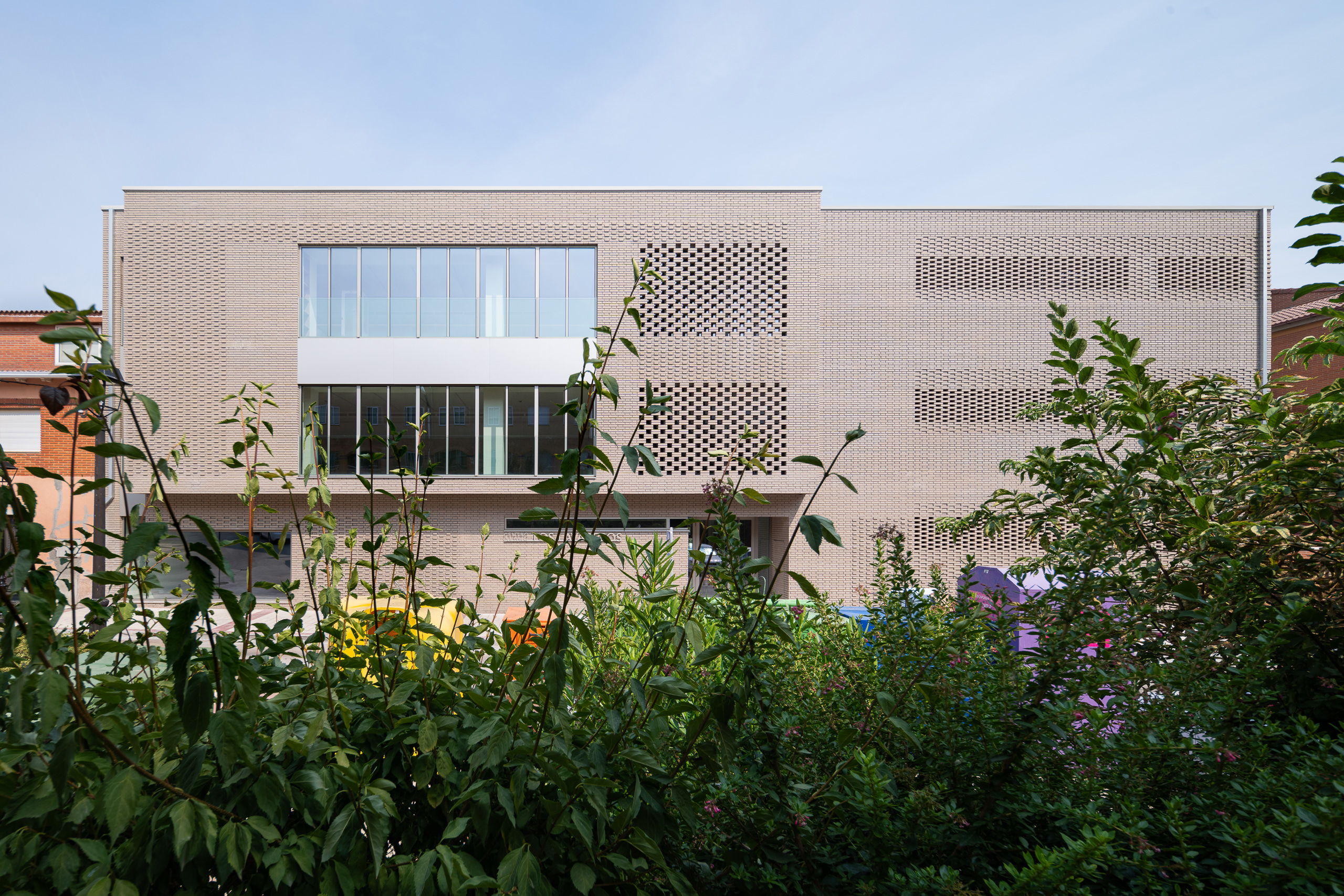
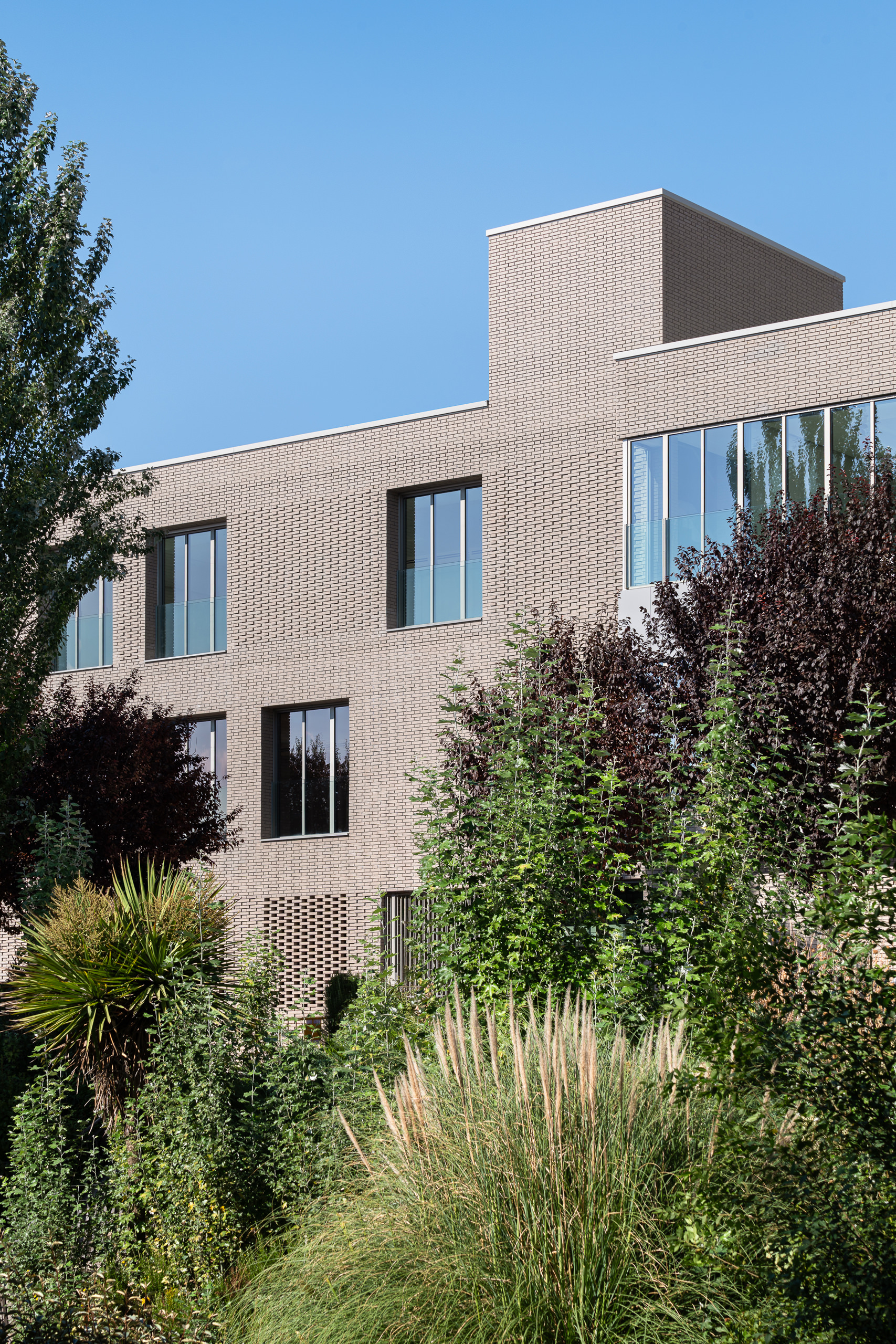
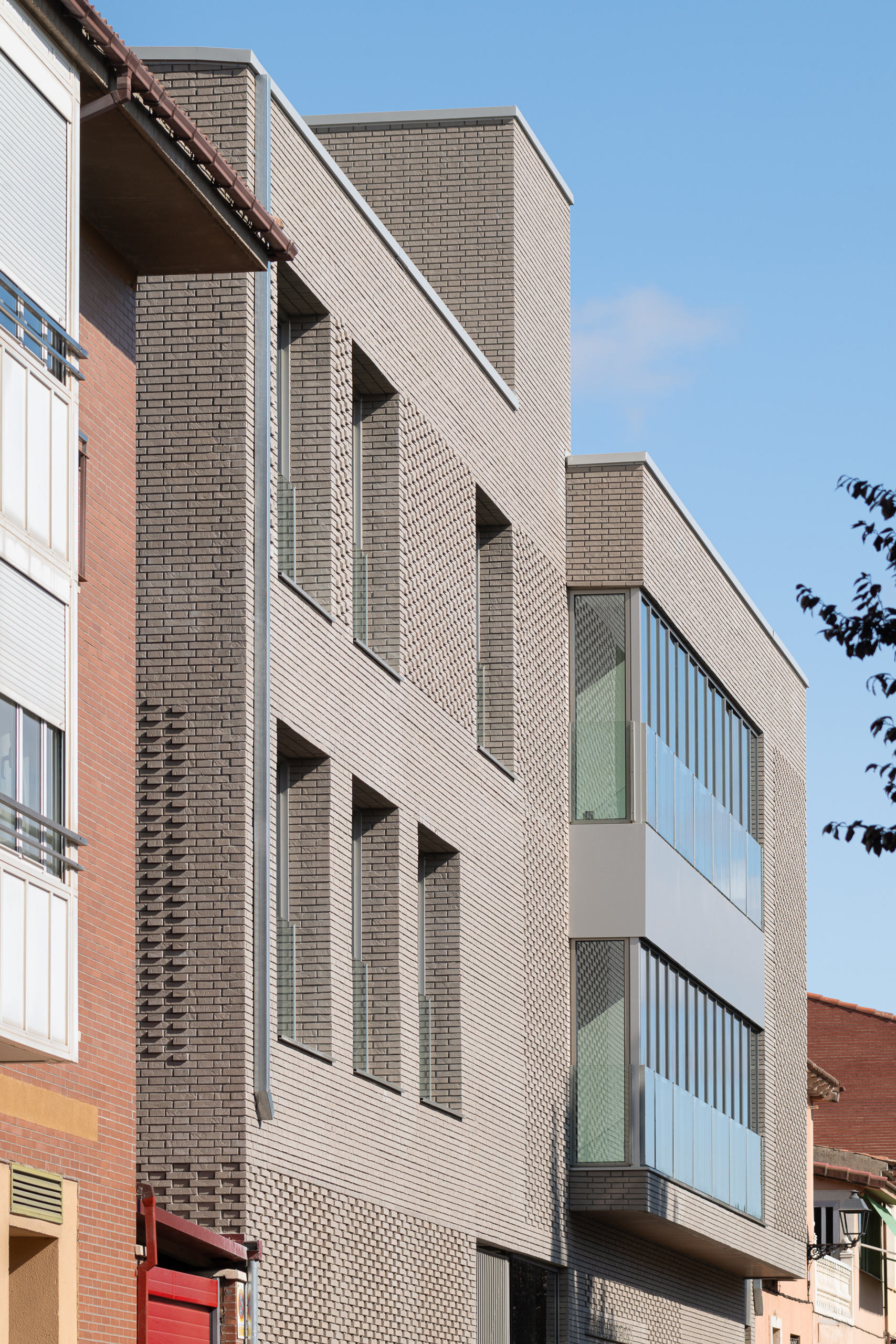
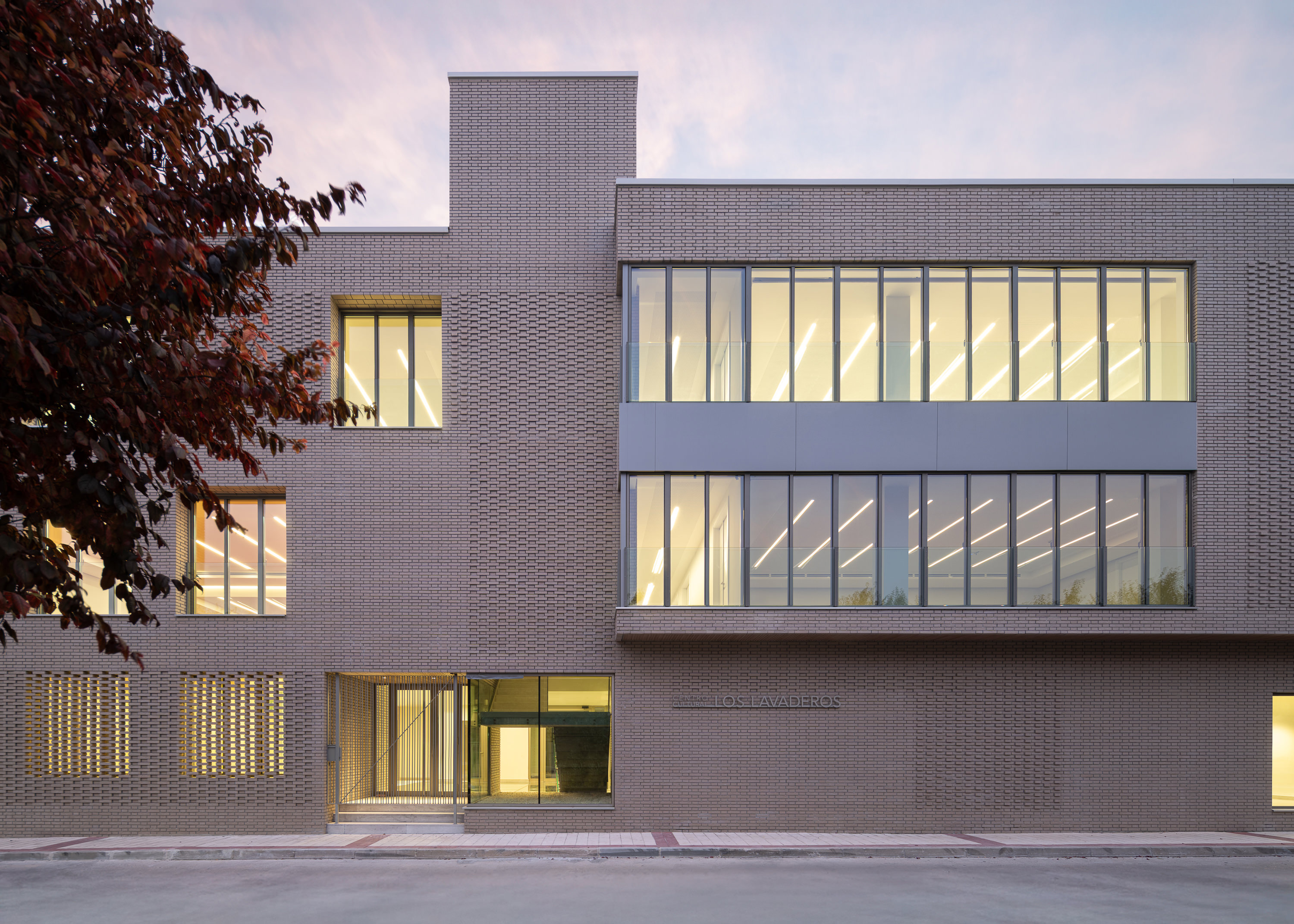
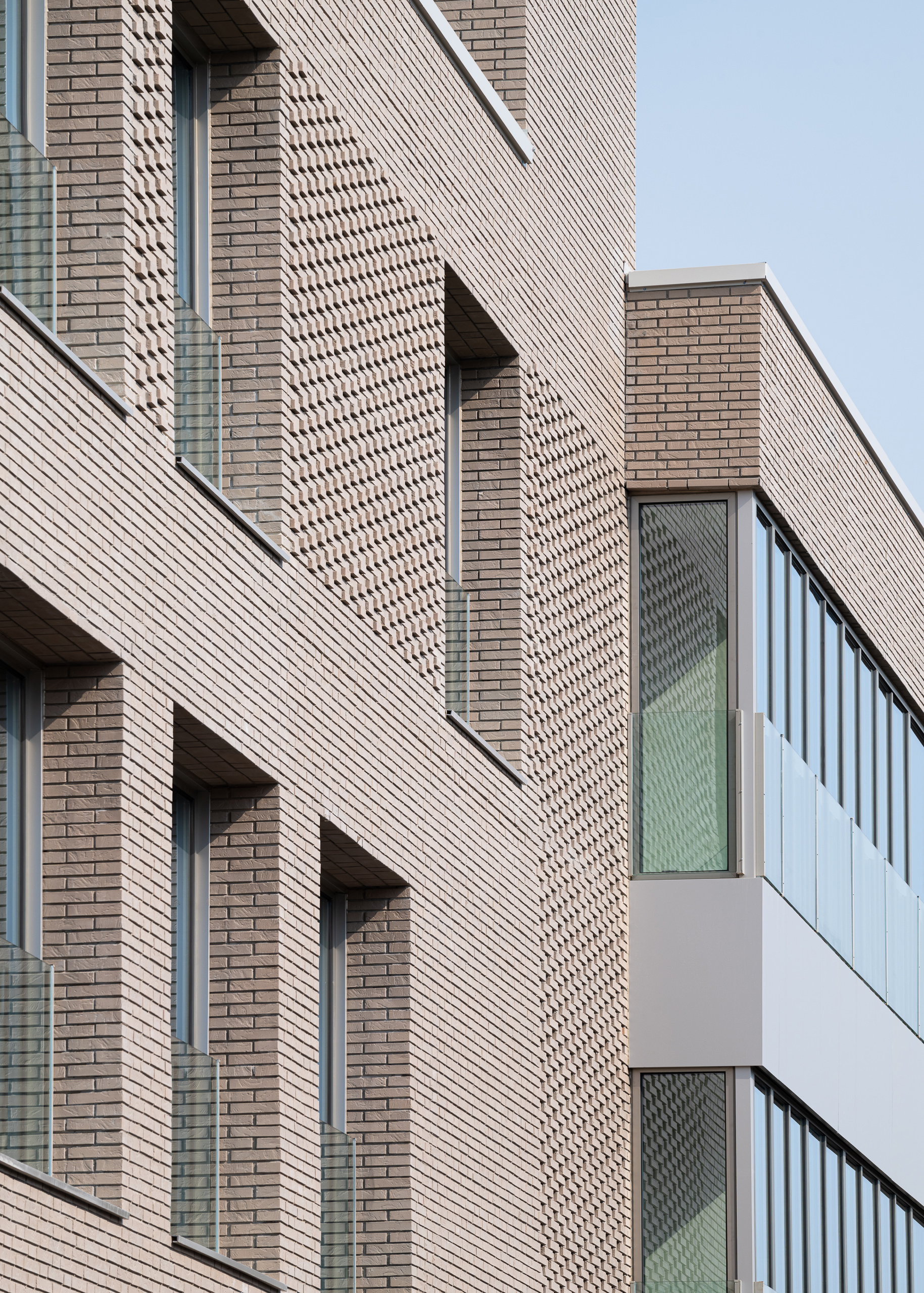
The resulting building takes the form of a compact three storey volume that occupies the entirety of the plot, seamlessly aligning with adjacent structures. At first glance, the mass reads as monolithic, yet this perception is gently disrupted by the introduction of two cantilevered volumes on the upper levels. These projections create depth and shadow, lending a dynamic quality to the facade while visually breaking down the scale of the building. The interplay between solidity and lightness allows the structure to engage in a nuanced dialogue with its environment.
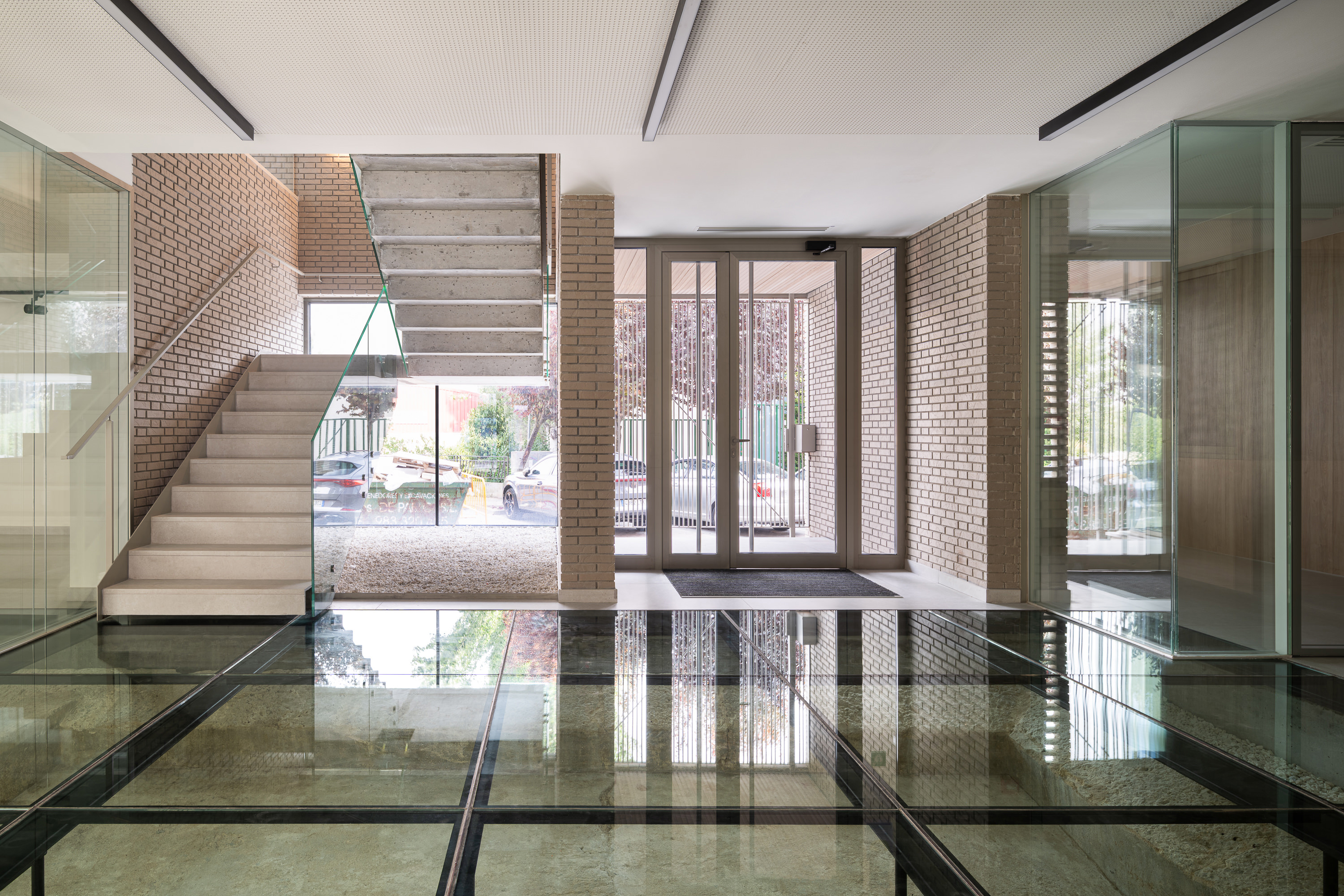
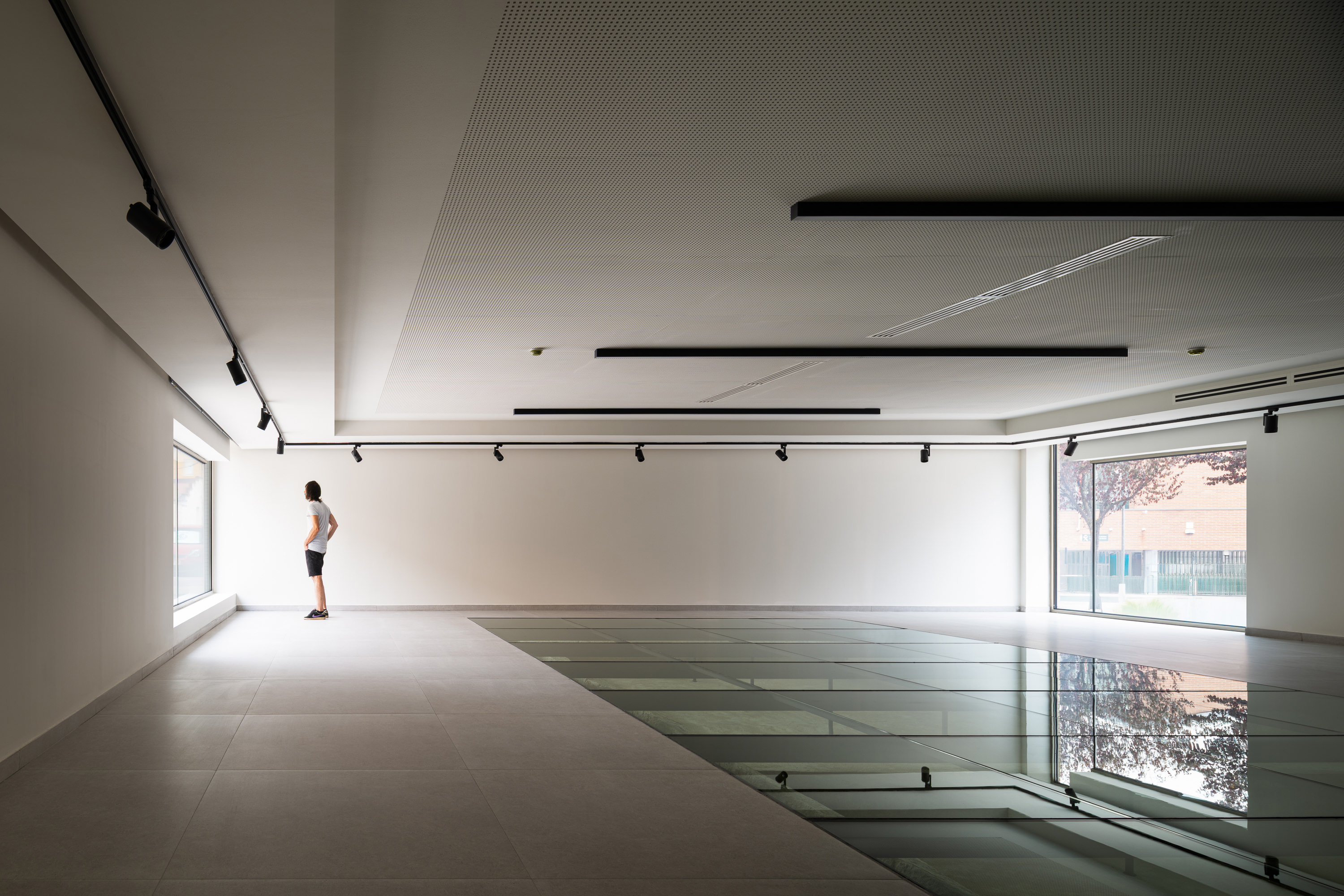
Materiality plays a central role in anchoring the project within its context. The use of exposed brick establishes an immediate connection to local construction traditions, ensuring a sense of familiarity and continuity. However, this is not a nostalgic reproduction. Instead, the architects explore the expressive potential of brick, employing it as both a structural and aesthetic medium. Variations in texture, pattern and light interaction imbue the facade with a contemporary sensibility, elevating a familiar material into something refined and unexpected. This material language extends beyond the exterior envelope, continuing into the interior spaces where brick surfaces envelop the preserved washhouse and communal areas. By blurring the boundary between inside and outside, the design fosters a cohesive spatial experience that reinforces the buildings narrative. The historic washhouse is no longer an isolated relic but an integral element of the architectural composition, embedded within the daily life of the centre.
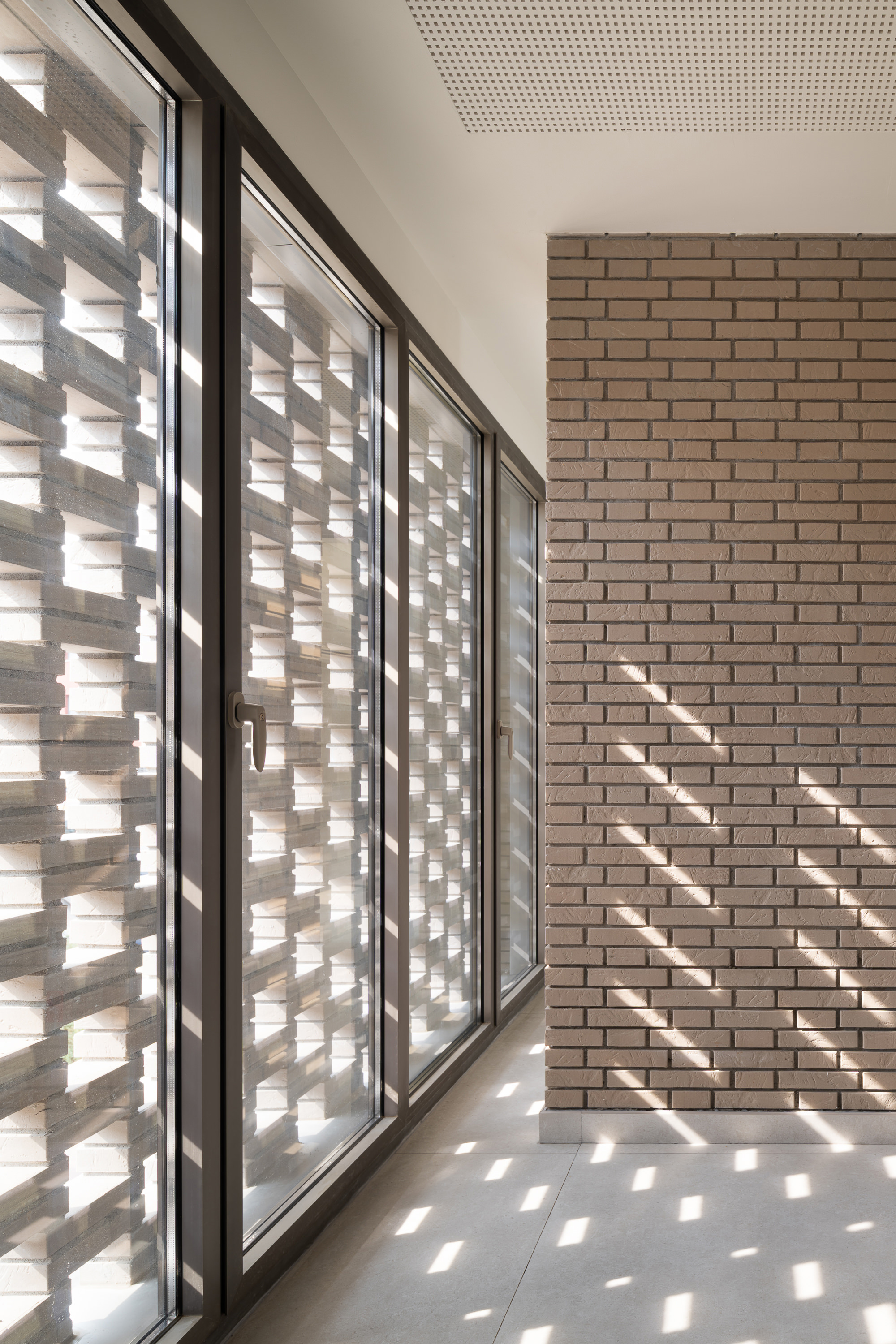
"Through material continuity and spatial sensitivity, the building honours its past while inviting new narratives, establishing a timeless dialogue between tradition, innovation and the evolving life of the town."
Programmatically, the Centro Cultural Los Lavaderos is conceived as a versatile and inclusive environment. It accommodates a wide range of activities, from exhibitions and workshops to conferences and performances. The building also houses spaces dedicated to theatre and dance schools, as well as extracurricular activities, ensuring its relevance across different age groups and interests. This diversity of use transforms the centre into a living organism, constantly evolving through the participation of its community.
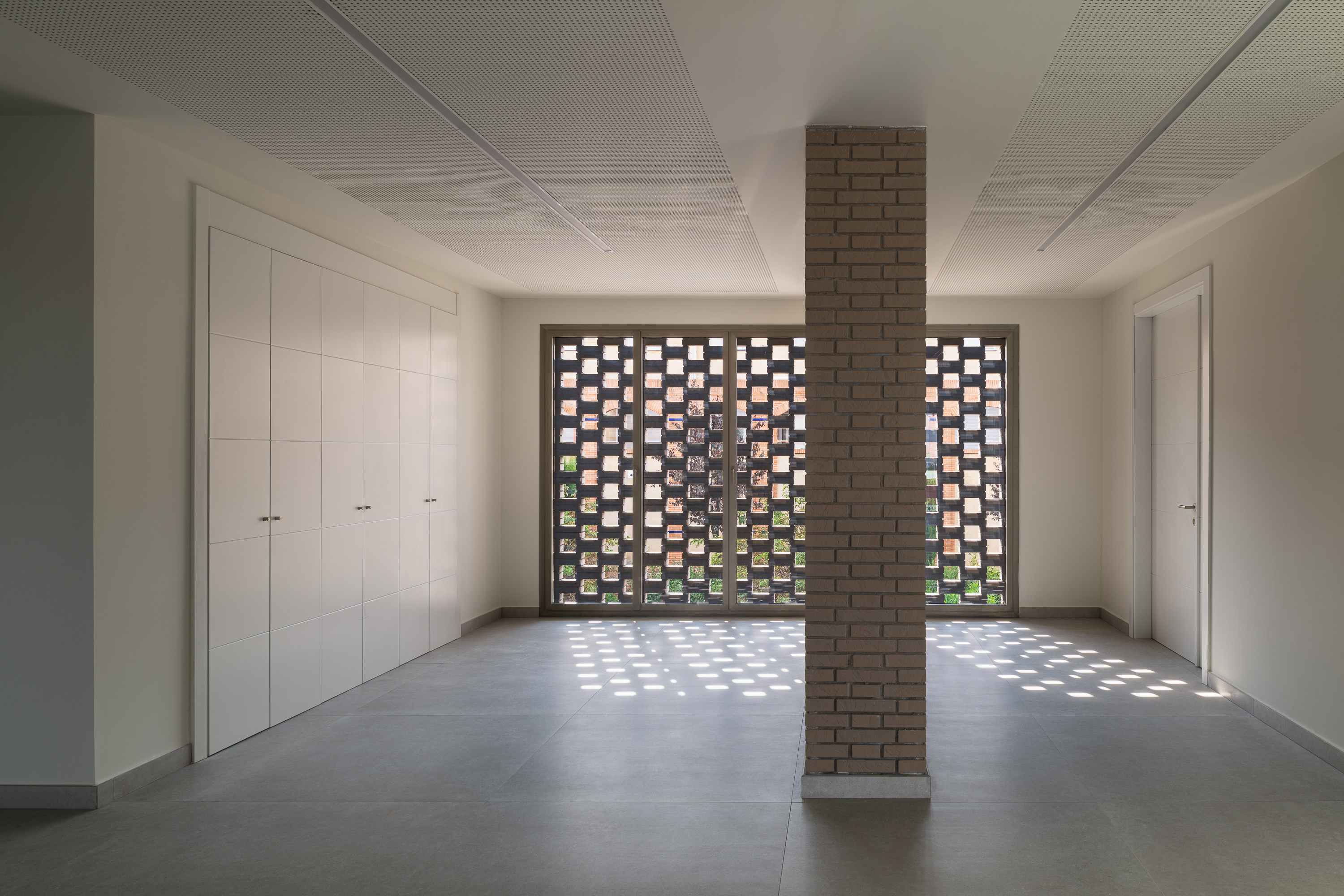
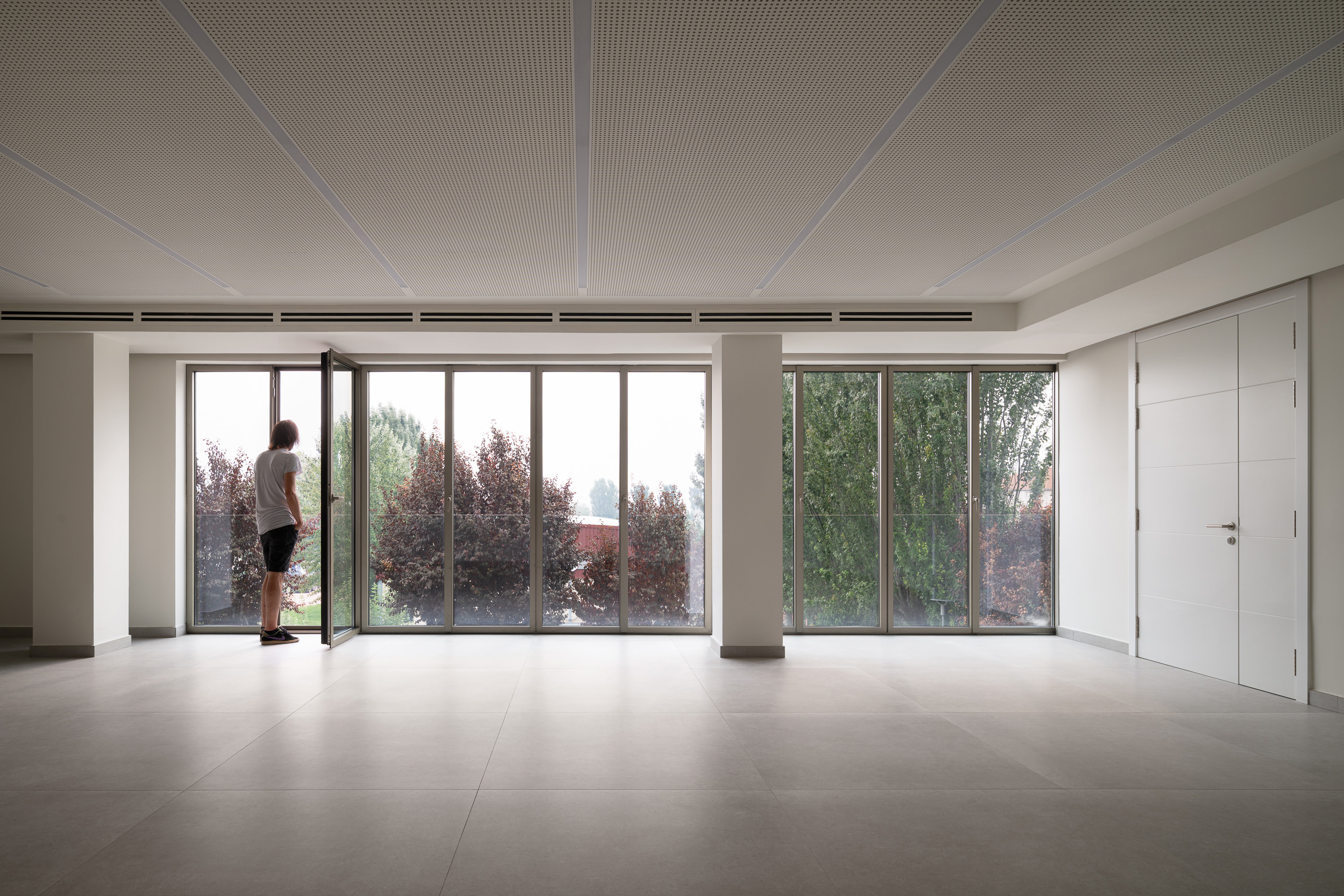
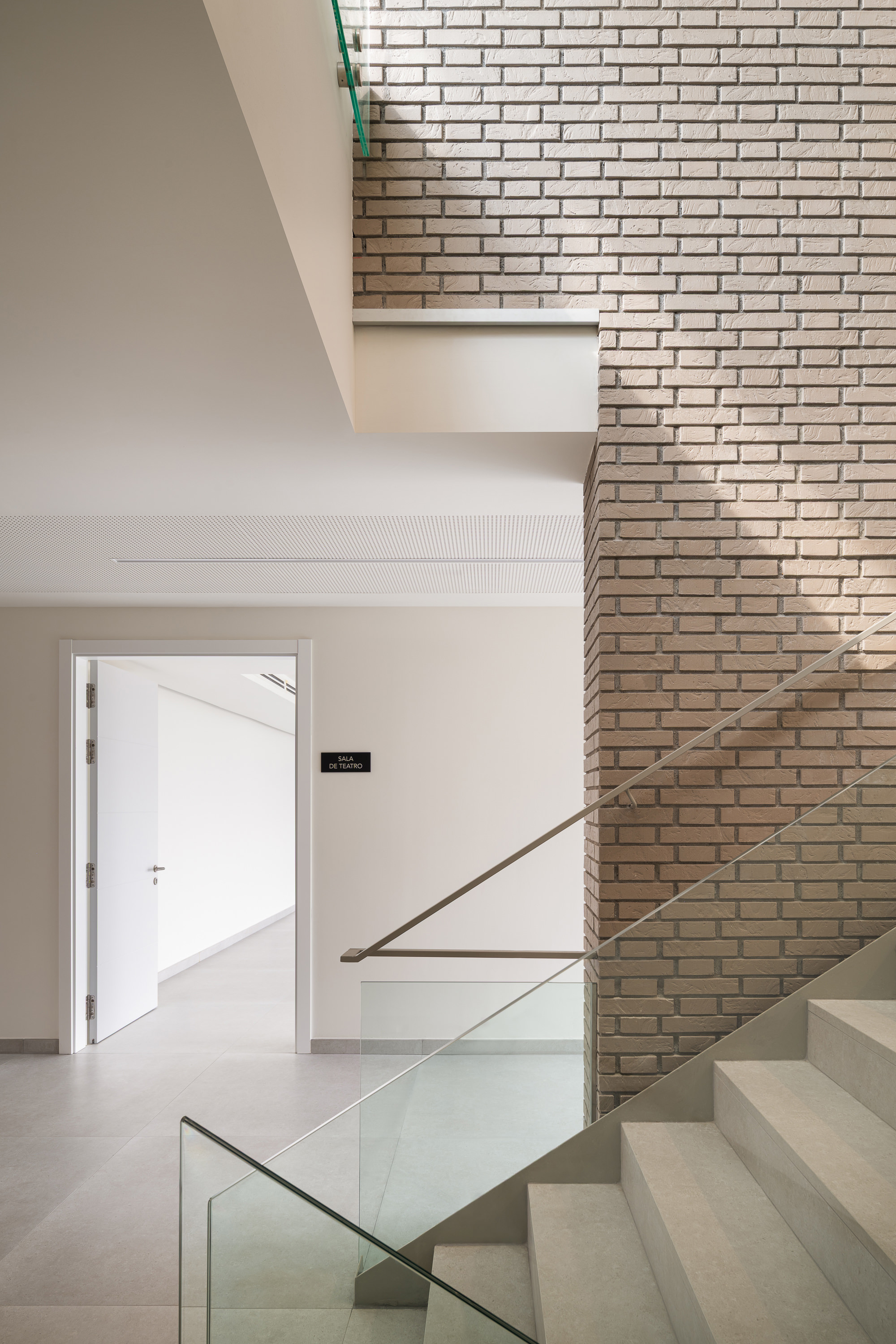
Circulation spaces are treated not merely as transitional zones but as places of encounter and interaction. Vestibules and vertical cores are carefully designed to encourage movement and connection, allowing users to engage with both the architecture and one another. Natural light filters through the building, enhancing the tactile qualities of the materials and creating moments of pause within the rhythm of daily activity.
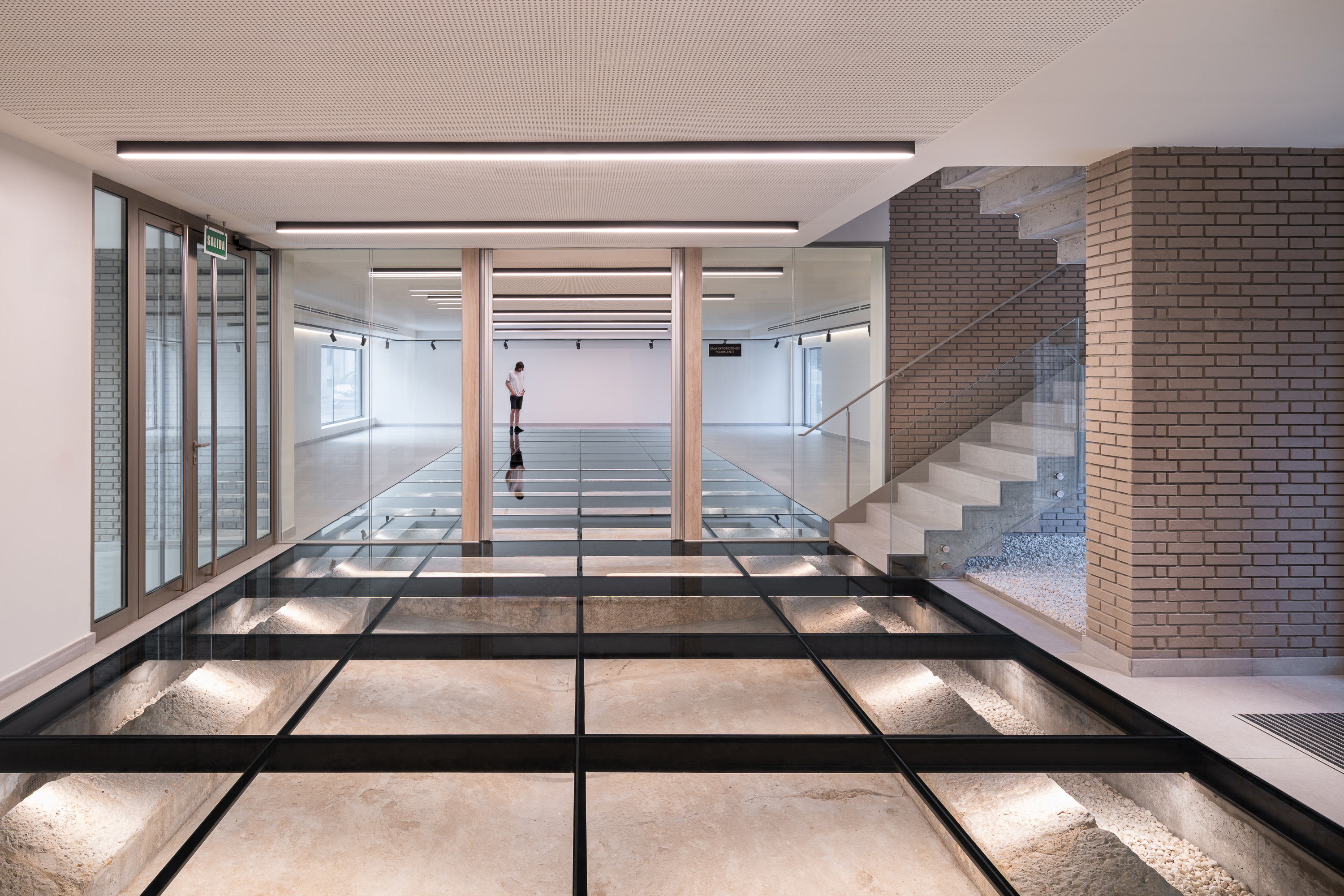
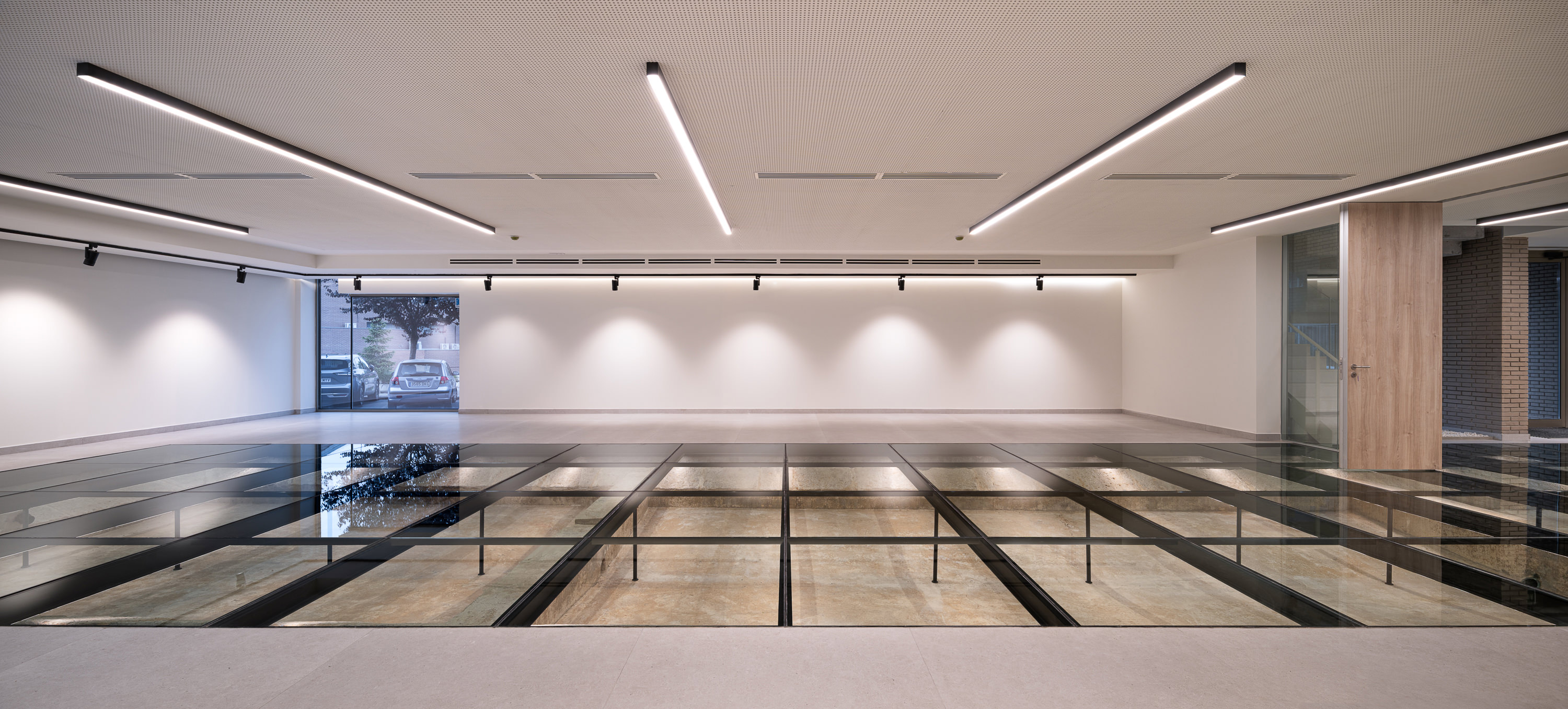
At its core, the project is an exploration of identity both architectural and social. It acknowledges the importance of preserving collective memory while embracing the possibilities of contemporary design. By integrating the historic washhouse into a new civic framework, the building becomes a bridge between generations, offering a tangible link to the past while supporting the cultural aspirations of the present.
Centro Cultural Los Lavaderos stands as more than a functional facility; it is a testament to the power of architecture to shape and reflect community values. Through its thoughtful design, it transforms a site of everyday history into a vibrant cultural landmark, inviting both residents and visitors to gather, create, and connect.