Designing for How We Feel – Design for Well-Being at Istituto Marangoni Miami
"Design for Well-Being explored how color, light, texture and material performance influence our experience of interior spaces and contribute to comfort and well-being."
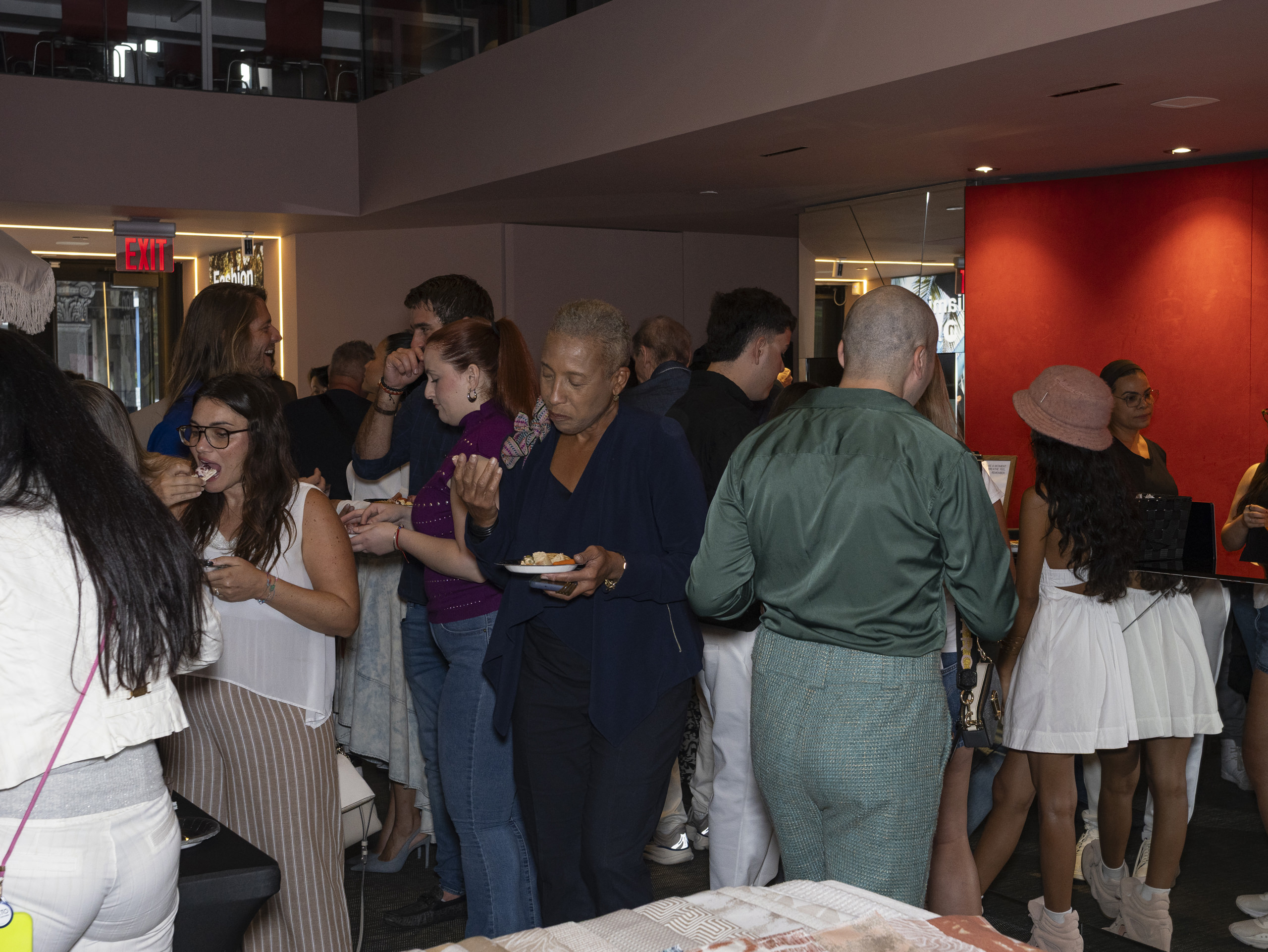
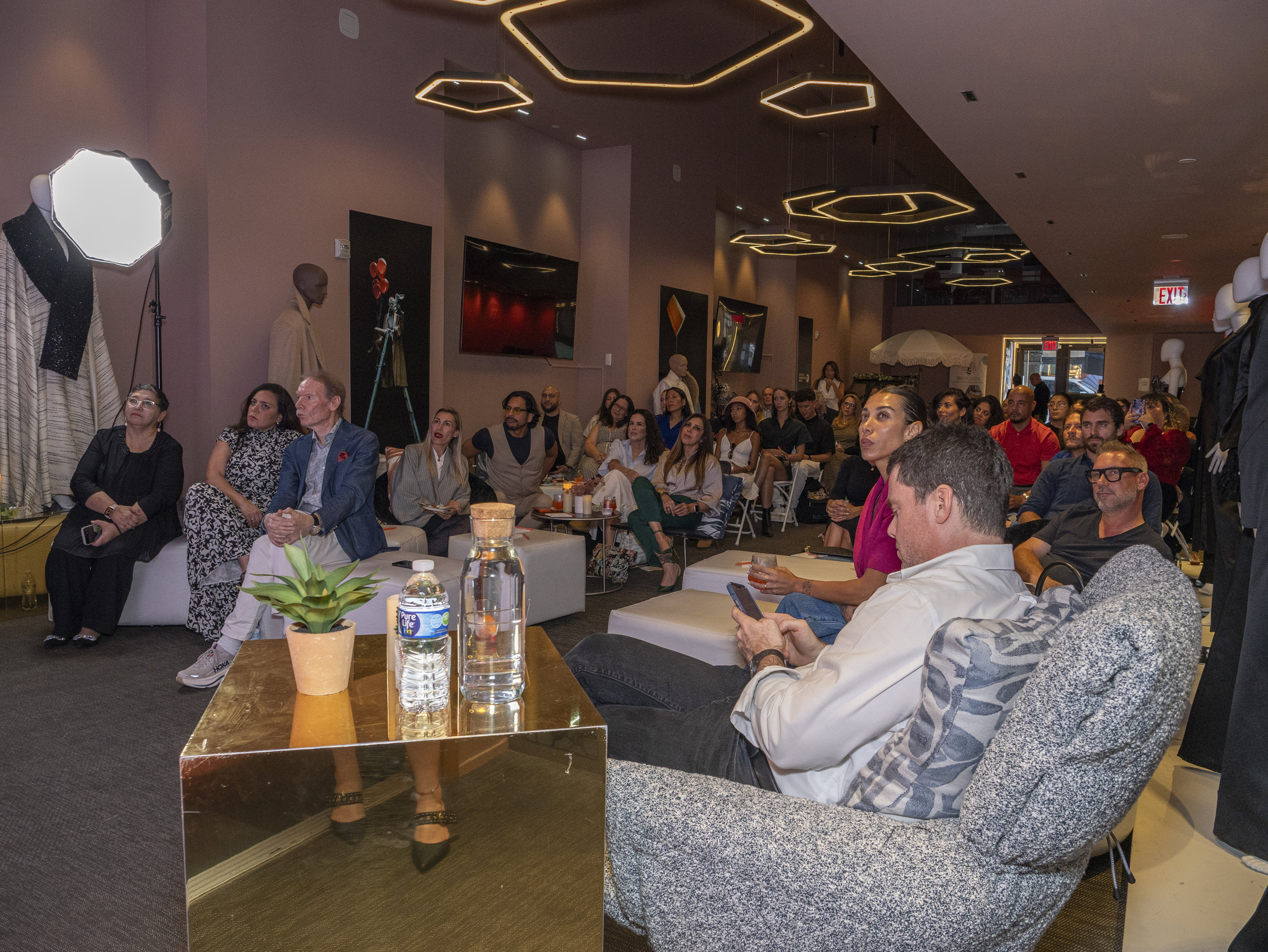
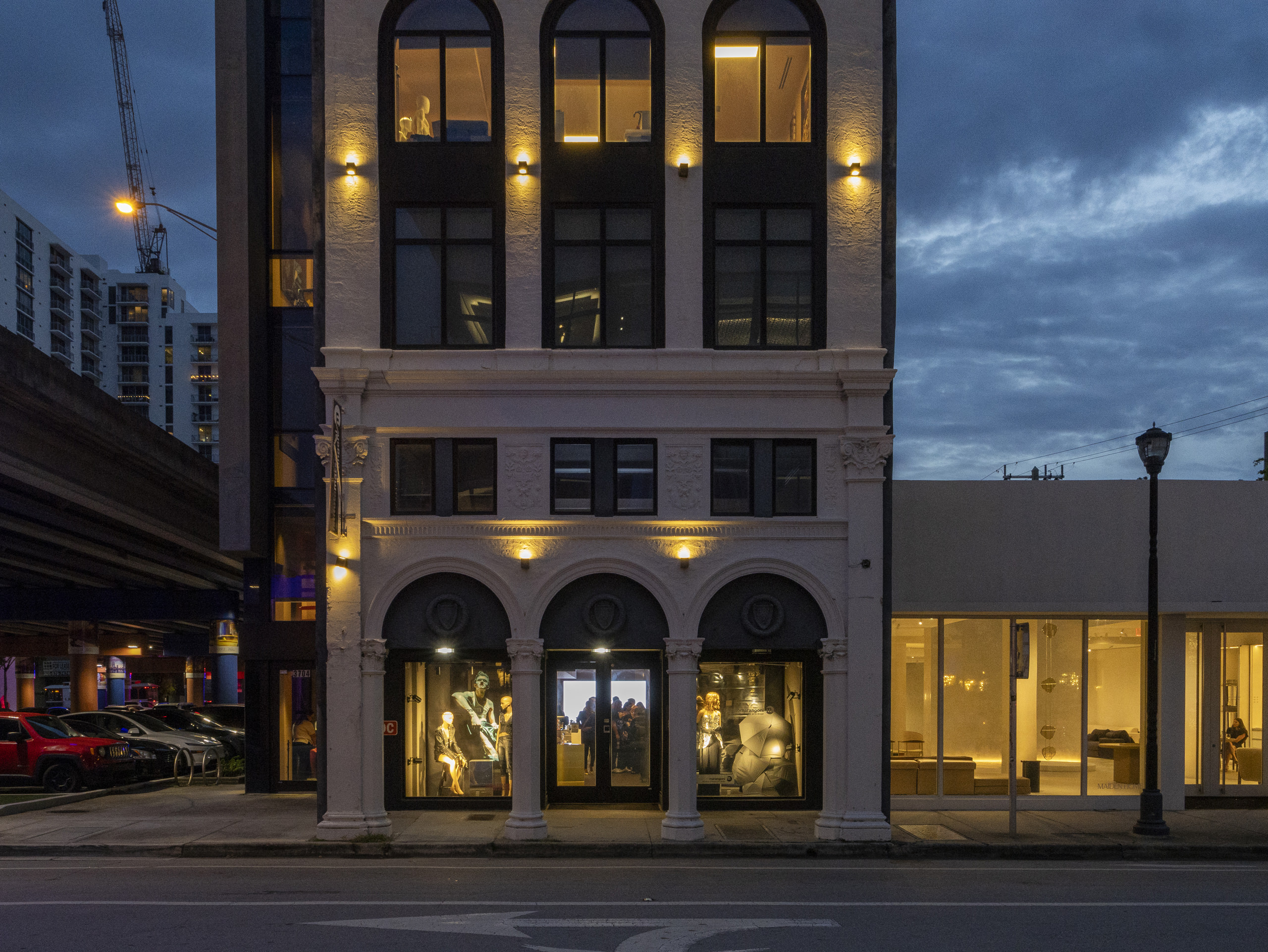
How an interior feels is often understood before its individual elements are consciously registered. Light changes throughout the day, color alters perception, a textile meets the body, and surfaces establish different degrees of softness, warmth or resistance. These relationships formed the basis of Design for Well-Being: How Interiors Shape the Way We Feel, held on September 10 at Istituto Marangoni Miami, where designers, educators and industry professionals gathered to examine the physical and psychological dimensions of interior environments.
The event approached well-being through several interconnected areas, including the psychology of color, natural and artificial light, biophilic design and the tactile qualities of textiles. For Sunbrella, which participated through an educational presentation, material performance was part of that conversation rather than separate from it. Richard Mann, Retail Development and Training Manager for Sunbrella Fabrics, spoke about the role of texture and color in shaping mood while also emphasizing longevity, maintenance and comfort as practical components of good design. A textile that remains in use for years, he noted, has consequences that extend beyond appearance.


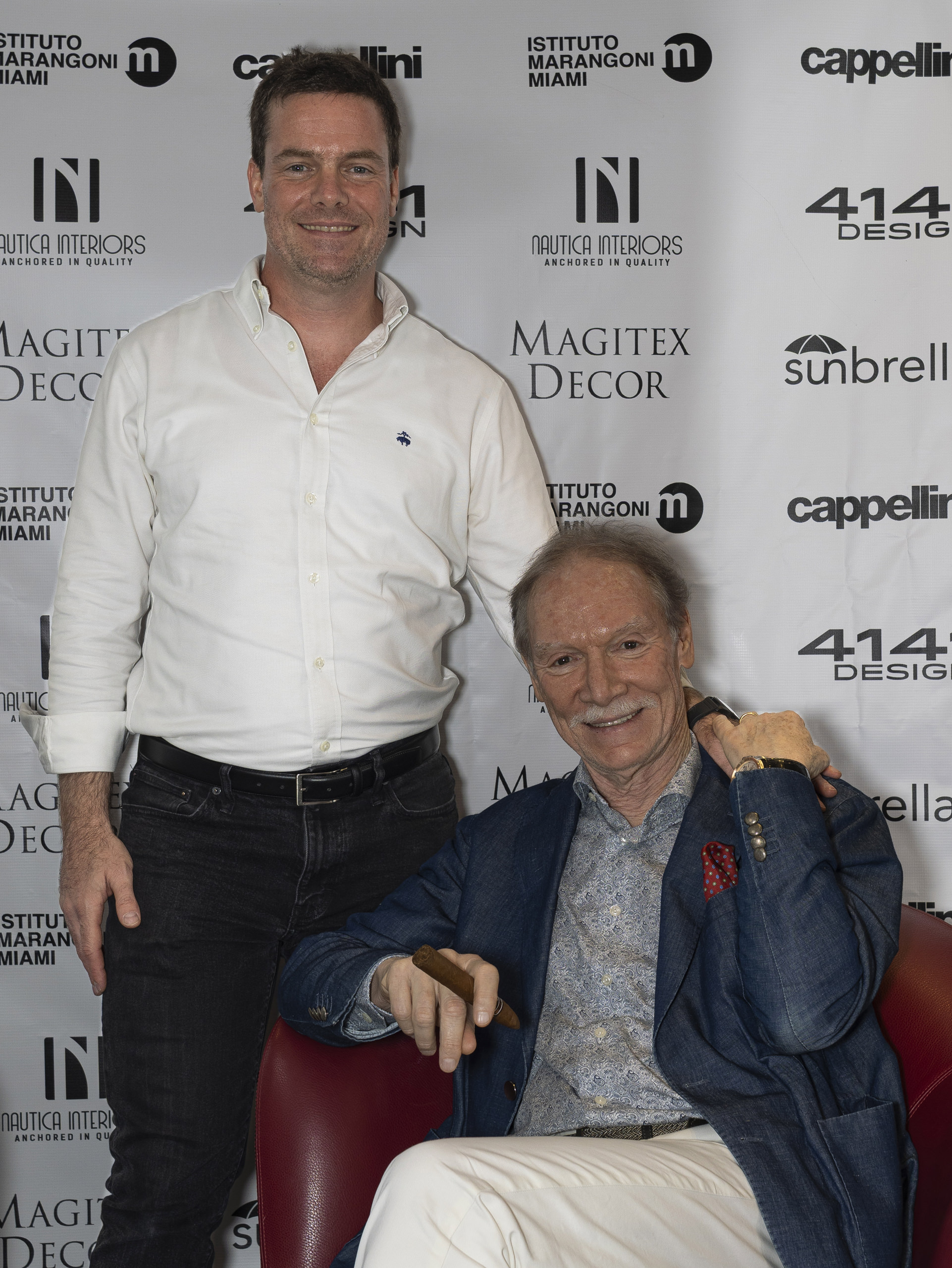
Ceci Flores, Retail Training Associate at Sunbrella Fabrics, expanded the discussion through the sensory qualities of interiors. Her presentation examined how color and lighting can affect perception and well-being, alongside the growing interest in bringing natural references into interior environments. The tactile experience was equally important. As Sunbrella extends its interior offering through chenilles, bouclés and other textured yarns, fabric becomes a direct point of contact between a space and the person occupying it. Sight may establish the first impression of a room, but touch is often what makes that experience physical.

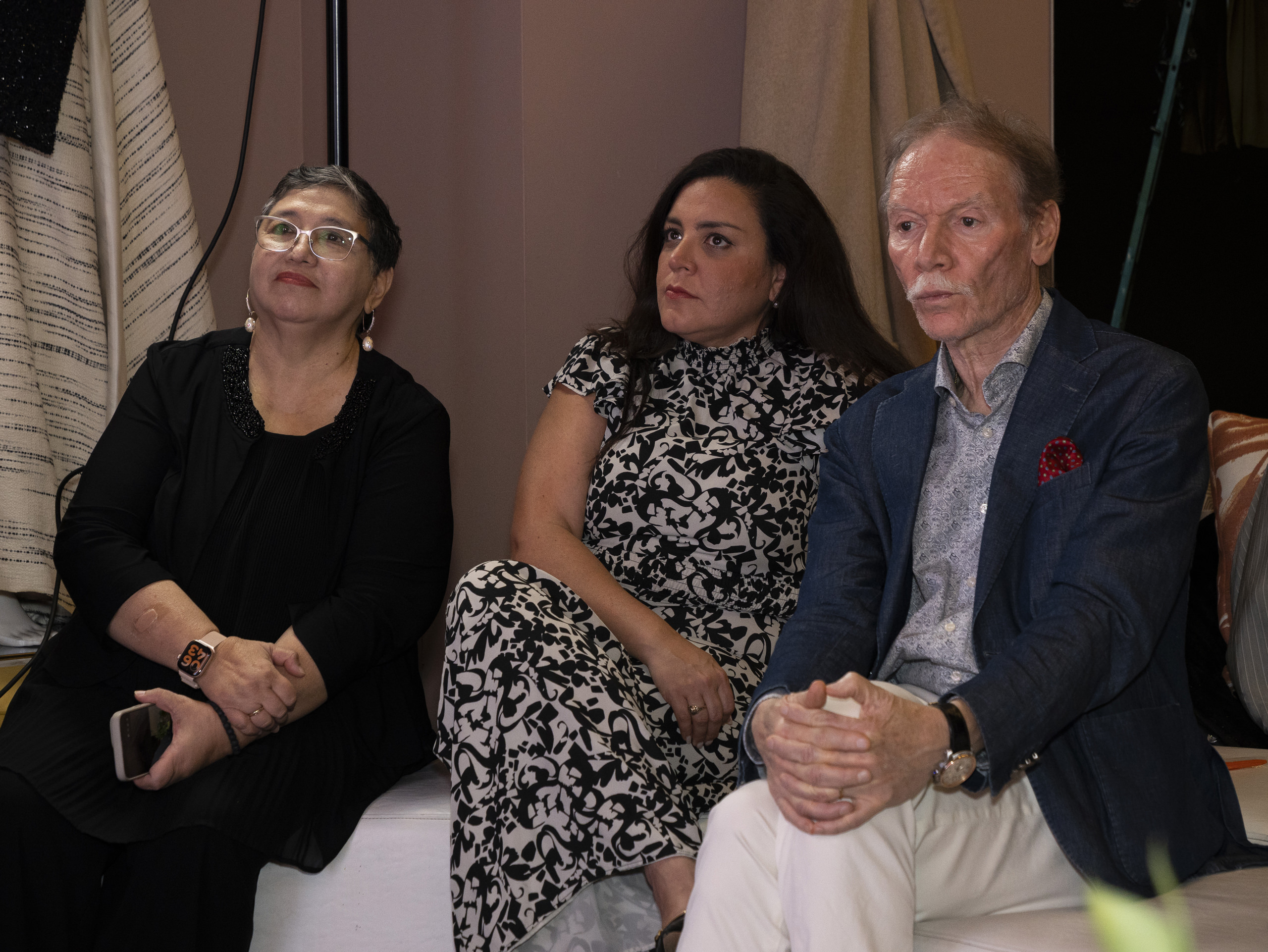
That relationship between material and emotion was also central to architect and interior designer Sandra Diaz-Velasco, founder of Eolo Design. Describing her practice through the idea of working “from shell to soul,” Diaz-Velasco connected the architectural framework of a project with the way its materials are ultimately perceived by the people who inhabit it. For her, textiles occupy a particularly immediate position: they are among the surfaces most directly encountered by the body. Comfort, therefore, is not an abstract quality applied at the end of a project but something that can be considered from architecture through to its most tactile elements.
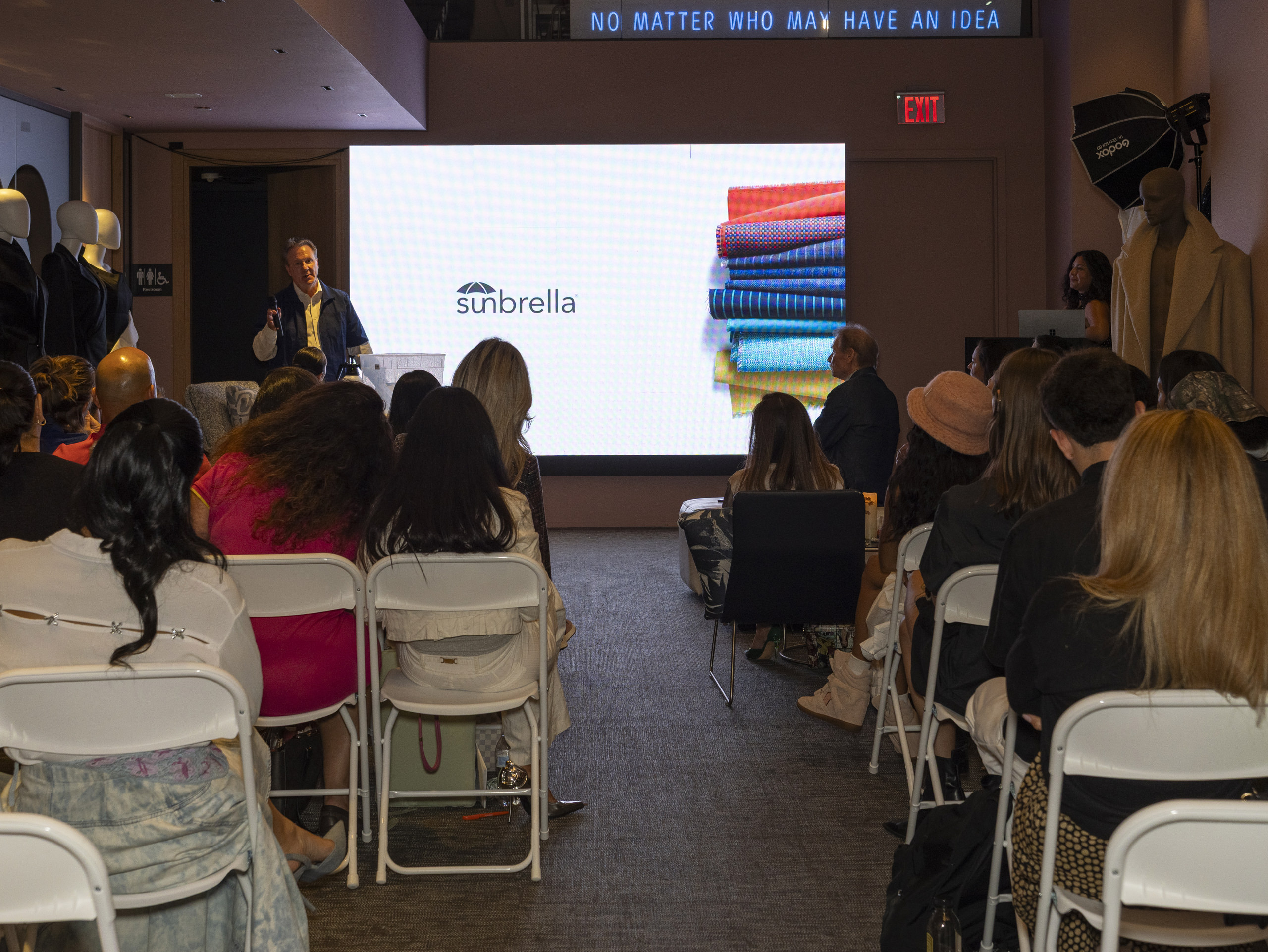
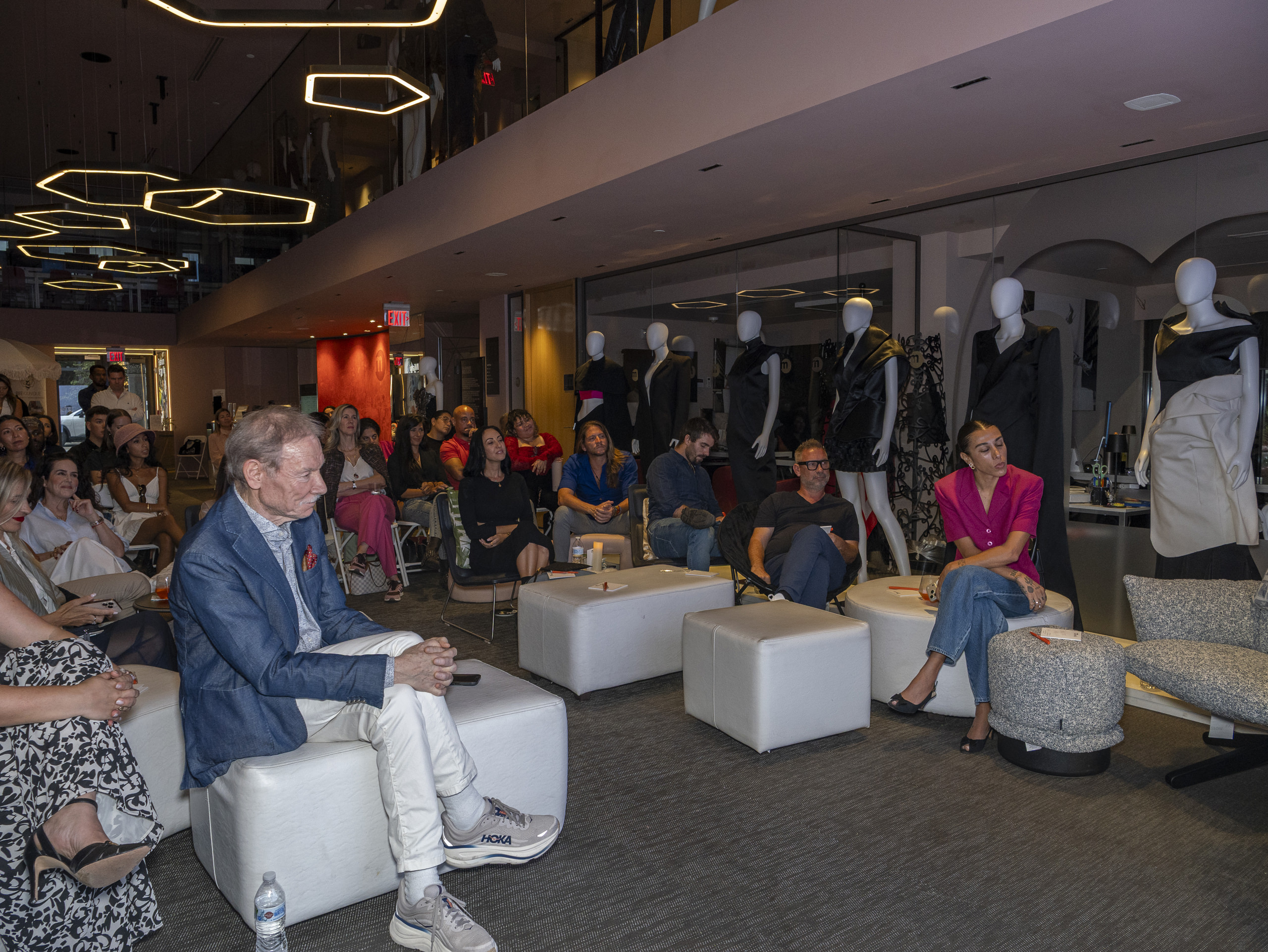
Diaz-Velasco also pointed to the collaborative structure behind finished interiors. Architecture and interior design depend on manufacturers, vendors, fabricators, suppliers and other specialists to move from an idea to a built environment. That position was echoed by Ari Greenfield, president and partner of Magitex Decor, who described industry events as opportunities for designers and suppliers to understand one another beyond a catalogue or individual product. Material selection depends on knowing where and how something will be used — from a residential cushion or sofa to drapery, restaurants and hotel interiors — and matching those applications with appropriate performance requirements.
"Designers, educators and industry professionals came together to examine how material knowledge and sensory experience can inform spaces that respond more closely to the people who inhabit them."
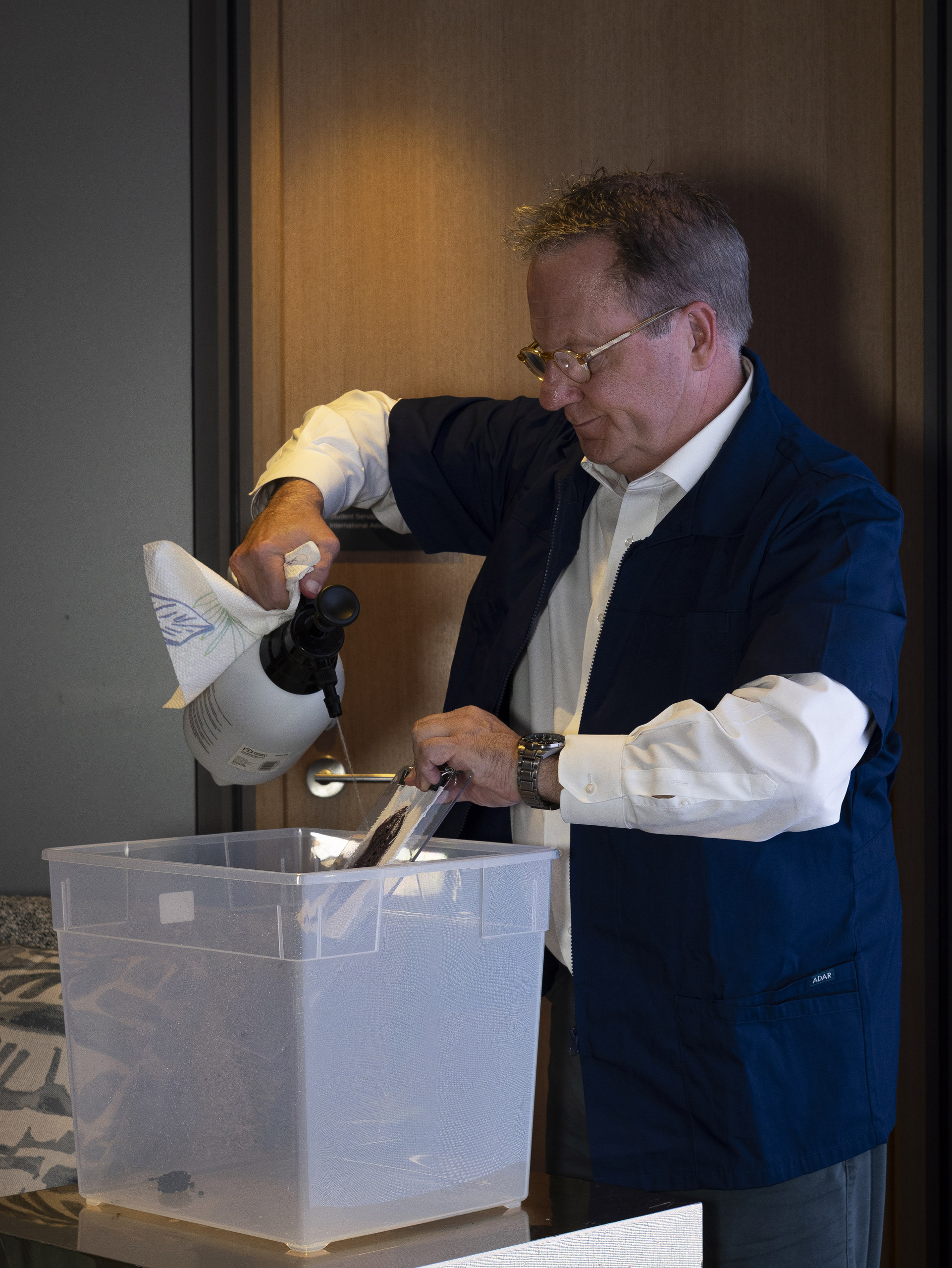
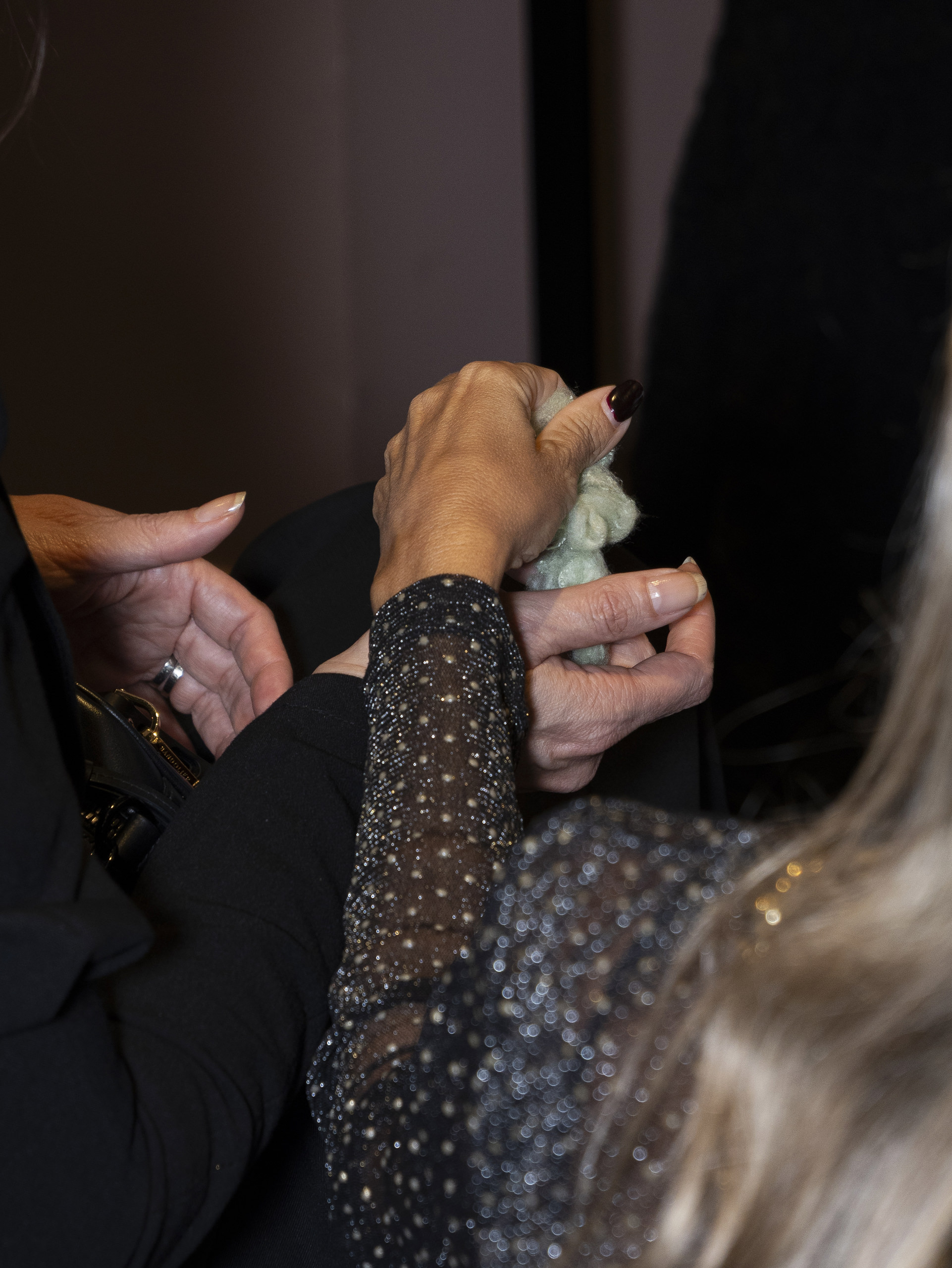
For Greenfield, that process also requires a degree of curation. A supplier’s role is not simply to present an entire collection, but to understand what a designer is trying to accomplish and help identify materials suited to that application. The event therefore positioned product education within a larger professional relationship: one informed by technical knowledge, trust and repeated exchange between designers and the companies producing and distributing the materials they specify.

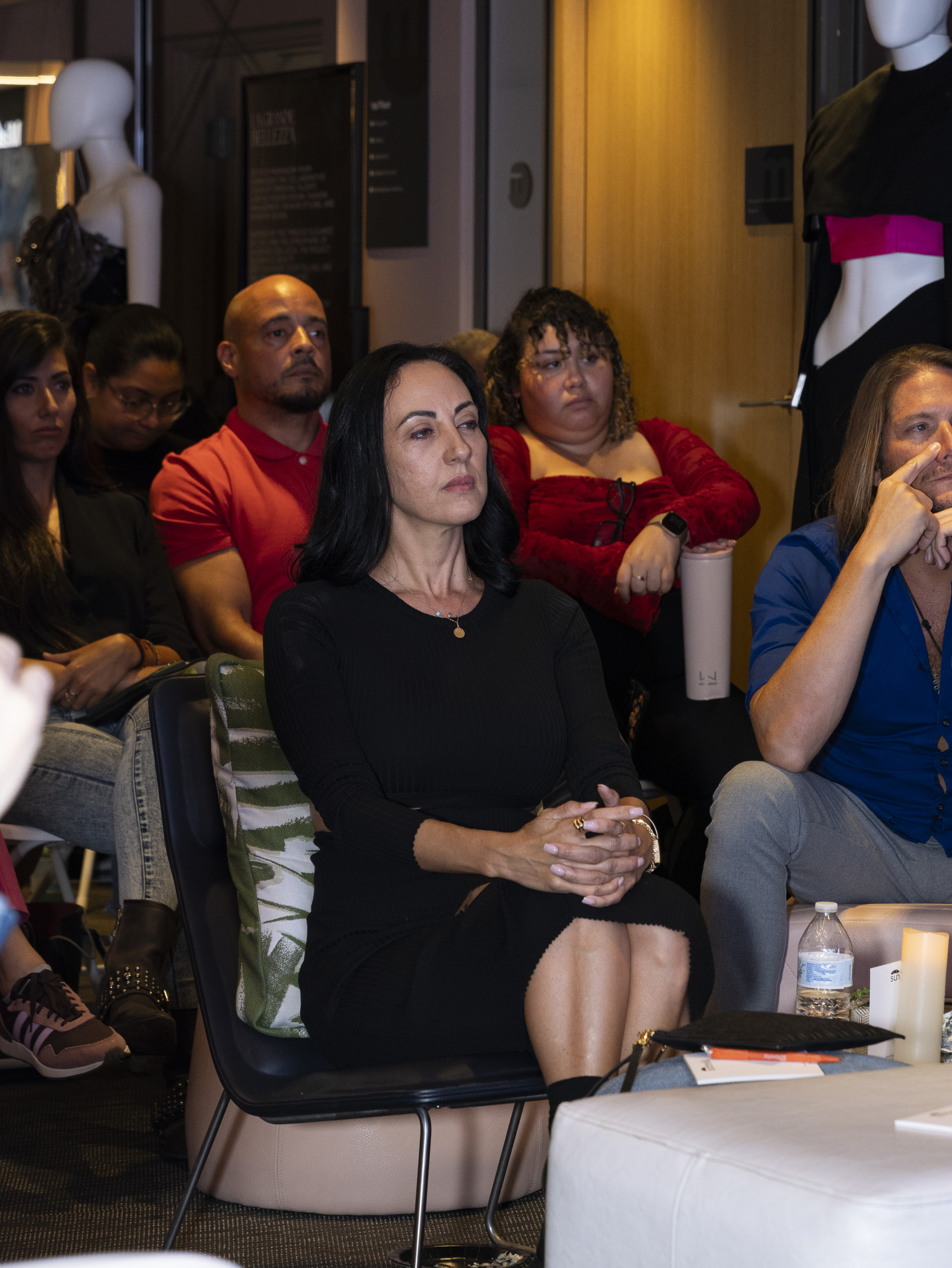

At Istituto Marangoni Miami, these conversations also became part of design education. Thelma Lazo-Flores, Dean of Interior Design, spoke about the importance of connecting students with the realities of professional practice and creating opportunities for them to engage directly with designers, manufacturers and other members of the industry. Continuing education sessions extend learning beyond the classroom, placing emerging designers in contact with the materials, professional networks and technical knowledge that will eventually become part of their own practice.
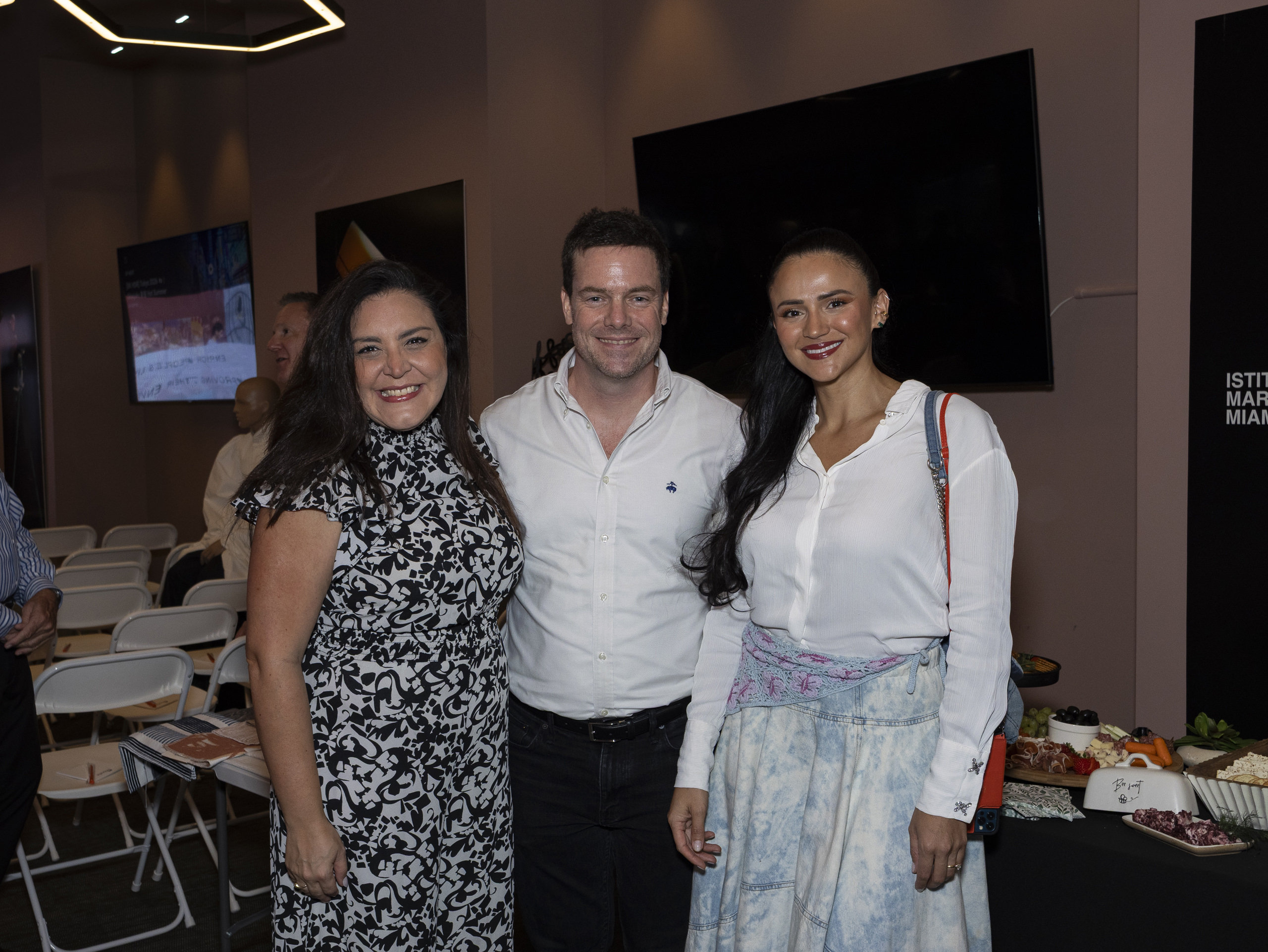
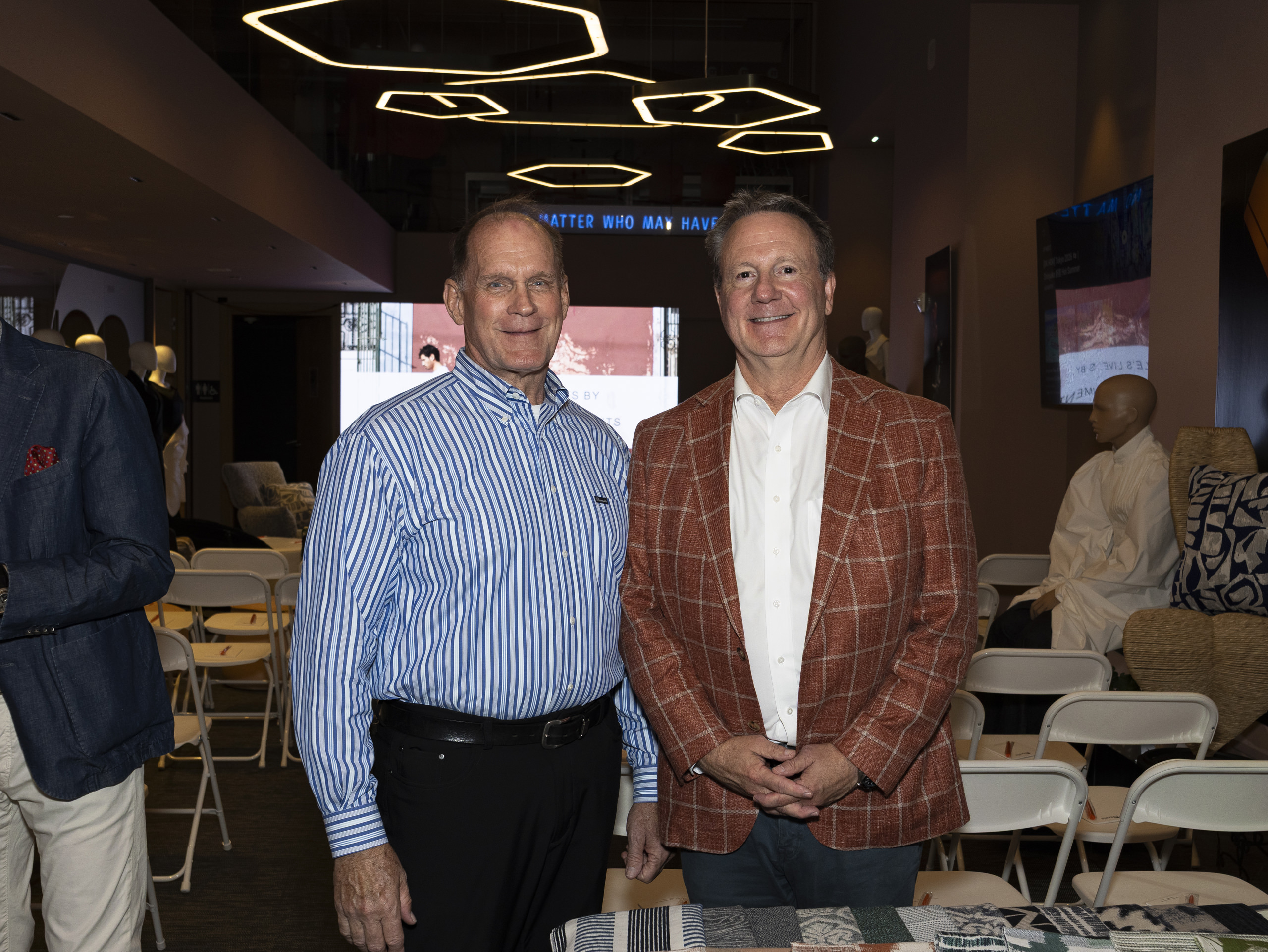
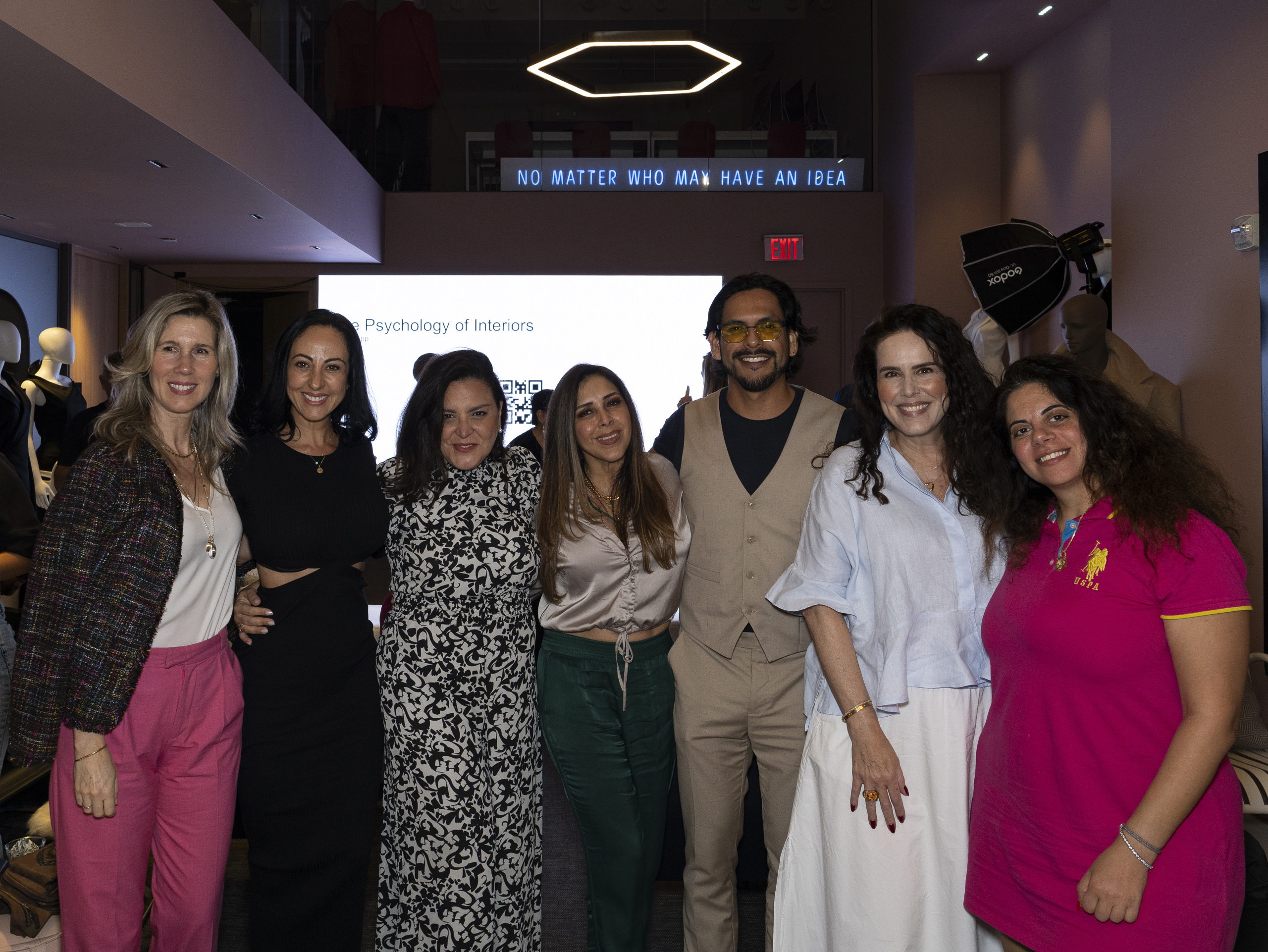
Yumi González of Magitex Decor, who also teaches at Istituto Marangoni Miami, served as the event’s main organizer, bringing those educational and professional perspectives together. As González explained, “Design for Well-Being wasn’t just about the topics we covered. It was about the experience itself, how the room felt when you walked in, how the materials felt under your hand. As an architect and designer myself, I know how much that firsthand material knowledge shapes the way we design. Between my work at Magitex and teaching at Istituto Marangoni Miami, I wanted this event to bring designers into direct contact with the people and materials behind their work, not just talk about well-being, but actually let them experience it.” Across the event, different participants returned to a related premise: well-being in design cannot be reduced to a particular palette, style or material. It emerges through the cumulative experience of an environment — what the eye registers, what the body touches, how light enters a room and whether the materials selected can support the way the space is actually used. At Design for Well-Being, those questions moved between education, professional practice and manufacturing, placing human experience at the center of the conversation.