Between Edges – Casa en el Dragon by Cristian Nanzer
"Architecture here is not defined by spectacle, but by calibrated transitions that guide daily movement with quiet coherence and intention."
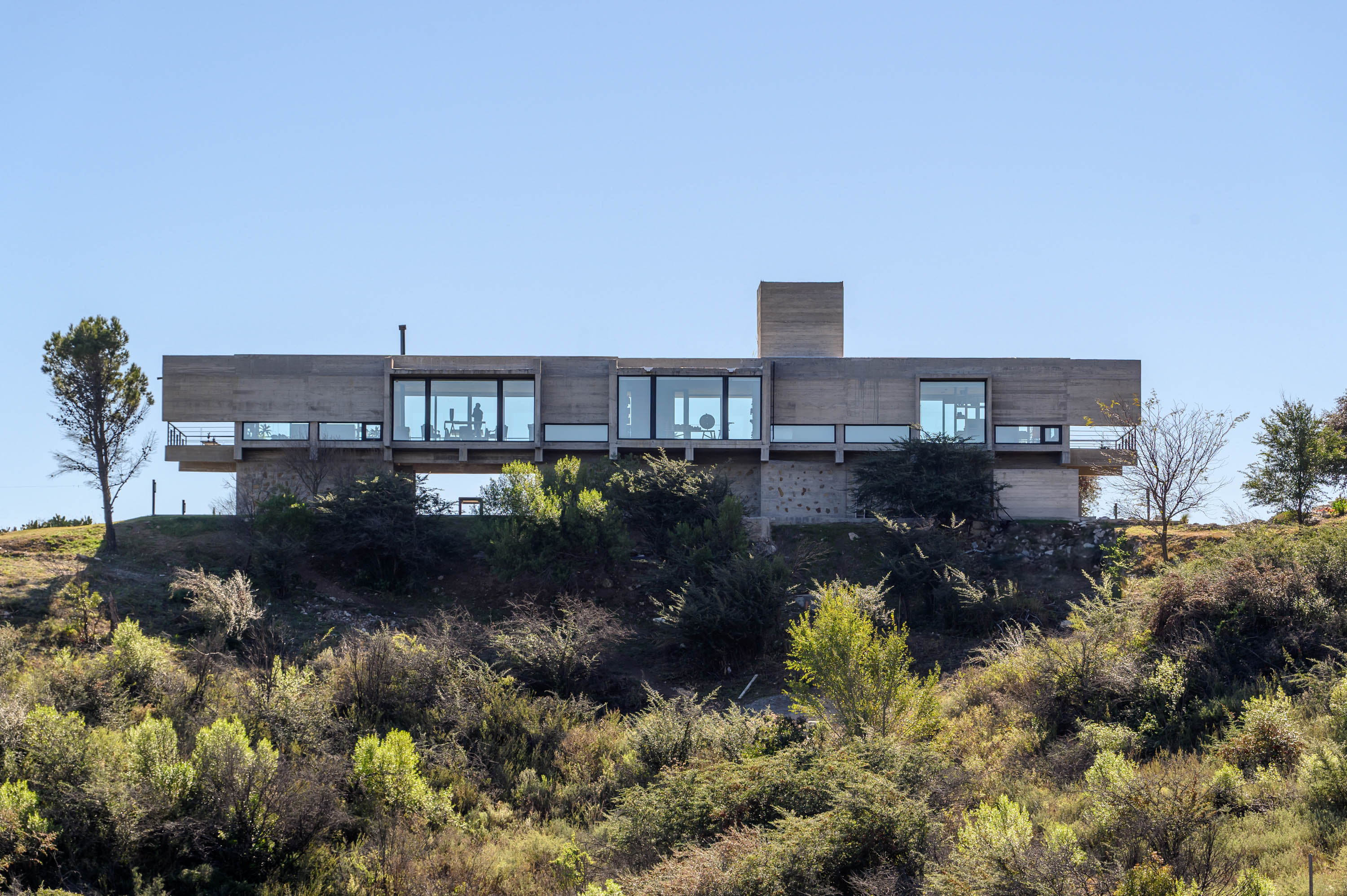
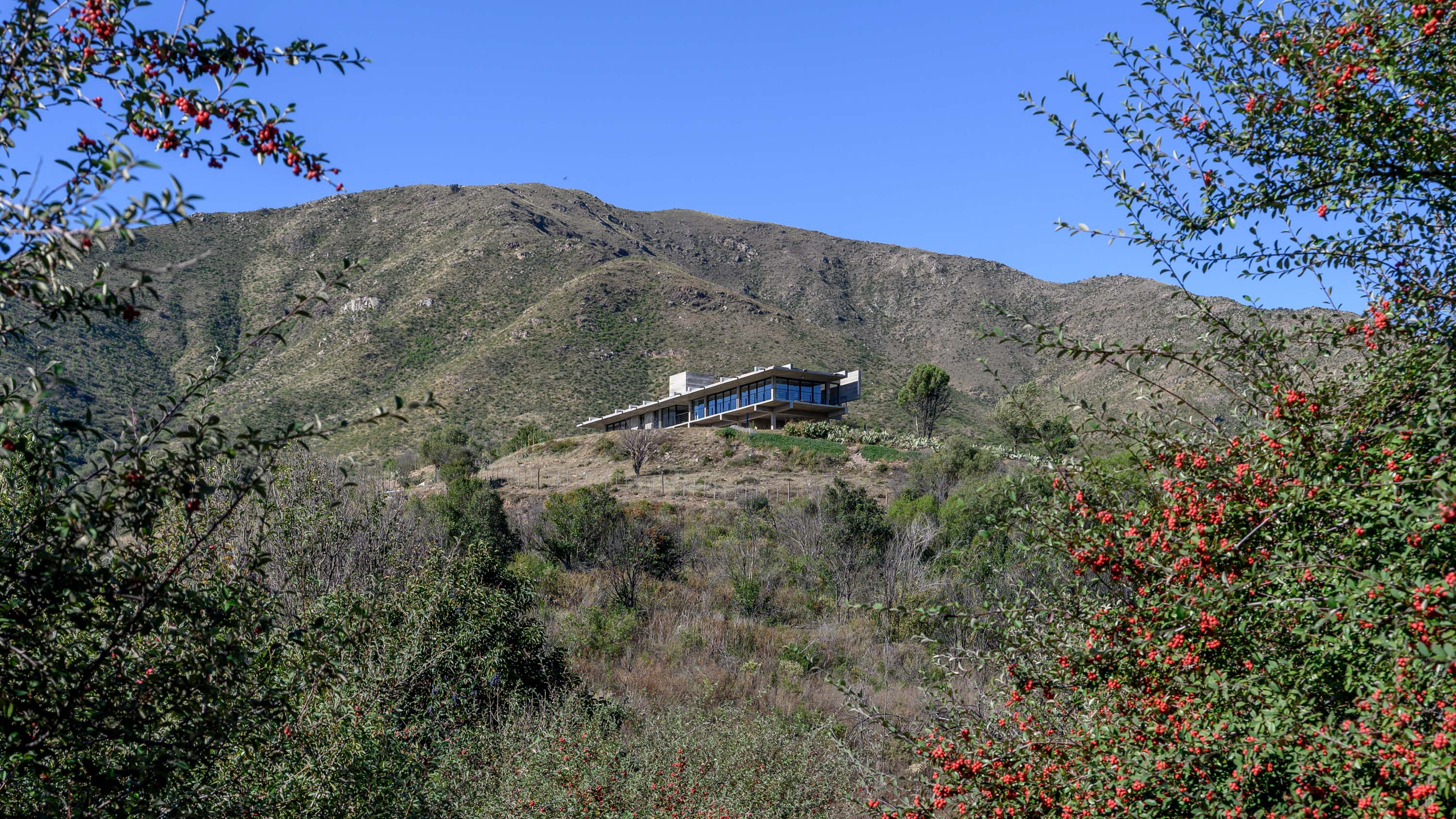
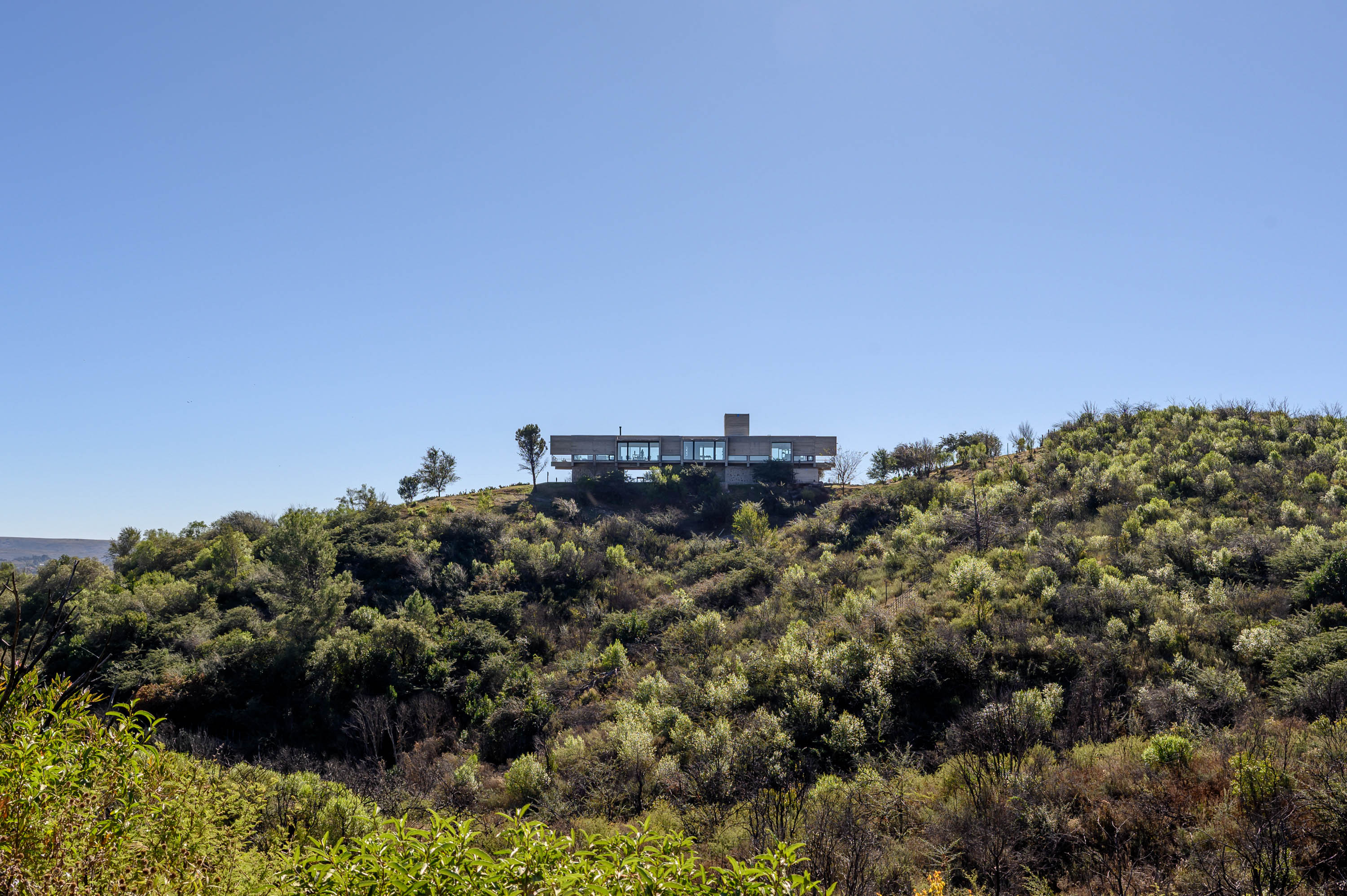
Emerging gently from its surrounding terrain, Casa en el Dragon expresses a calm architectural presence shaped by horizon, light, and landscape. The residence unfolds through thoughtful transitions, where interior life extends outward and daily rituals become quietly framed by the changing rhythm of daylight and shadow.
Casa en el Dragon, designed by architect Cristian Nanzer, is conceived as a contemporary domestic landscape structured through a clear sequence of spatial thresholds. Instead of relying on expressive gestures or formal spectacle, the project builds its architectural identity through proportion, orientation, and the precise relationship between built mass and surrounding environment. Each element is carefully positioned to produce an atmosphere of quiet clarity, allowing the house to emerge naturally from its context rather than dominate it. This restrained approach allows the architecture to remain timeless while still expressing a distinctly contemporary character. At the center of the residence lies a continuous social core where living, dining, and everyday gathering unfold within a unified spatial field. These spaces remain visually connected, allowing movement and interaction to flow naturally throughout the house. Rather than dividing functions into rigidly defined rooms, the architecture allows them to coexist within a shared environment shaped by light, furniture, and subtle spatial shifts. The result is a domestic landscape that encourages fluidity, reinforcing the idea that contemporary living benefits from openness and adaptability.
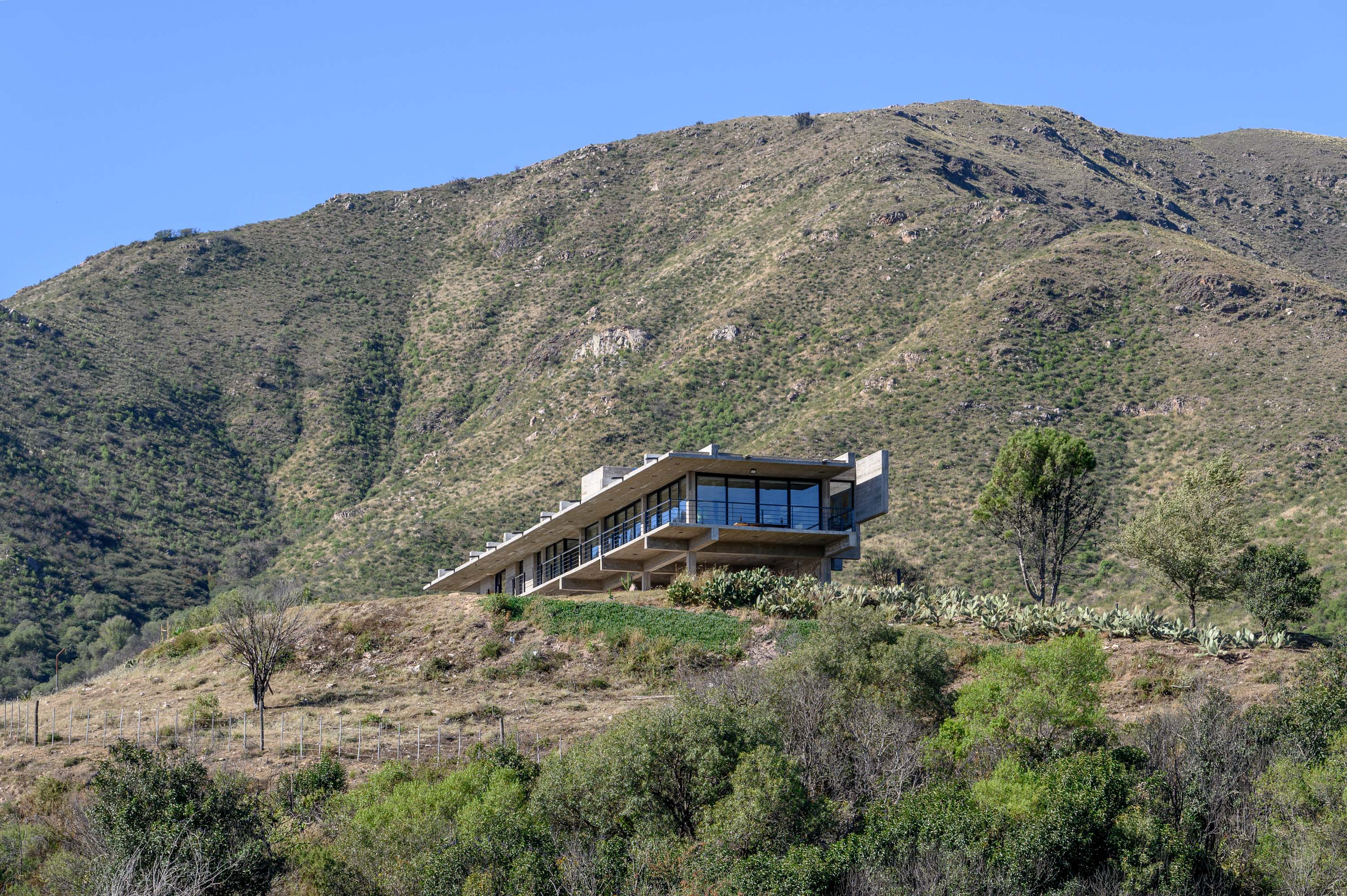
Generous openings extend this central social zone outward toward terraces and exterior platforms, reinforcing the relationship between interior comfort and outdoor life. These apertures frame views of the surrounding landscape while allowing natural light to penetrate deep into the interior spaces. The threshold between inside and outside becomes intentionally blurred, encouraging daily activities to expand beyond the physical limits of the built structure. In this way, the house becomes a mediator between domestic life and the wider natural setting. Architecture here is guided by the idea that movement through space should feel intuitive and coherent. Corridors, transitional galleries, and carefully proportioned openings create a sequence of moments that shape how the house is experienced. Rather than abrupt transitions, the design relies on gradual spatial progression, allowing occupants to move between areas with ease. This approach transforms circulation into an essential architectural experience, reinforcing the sense that each part of the house is connected within a larger spatial narrative.
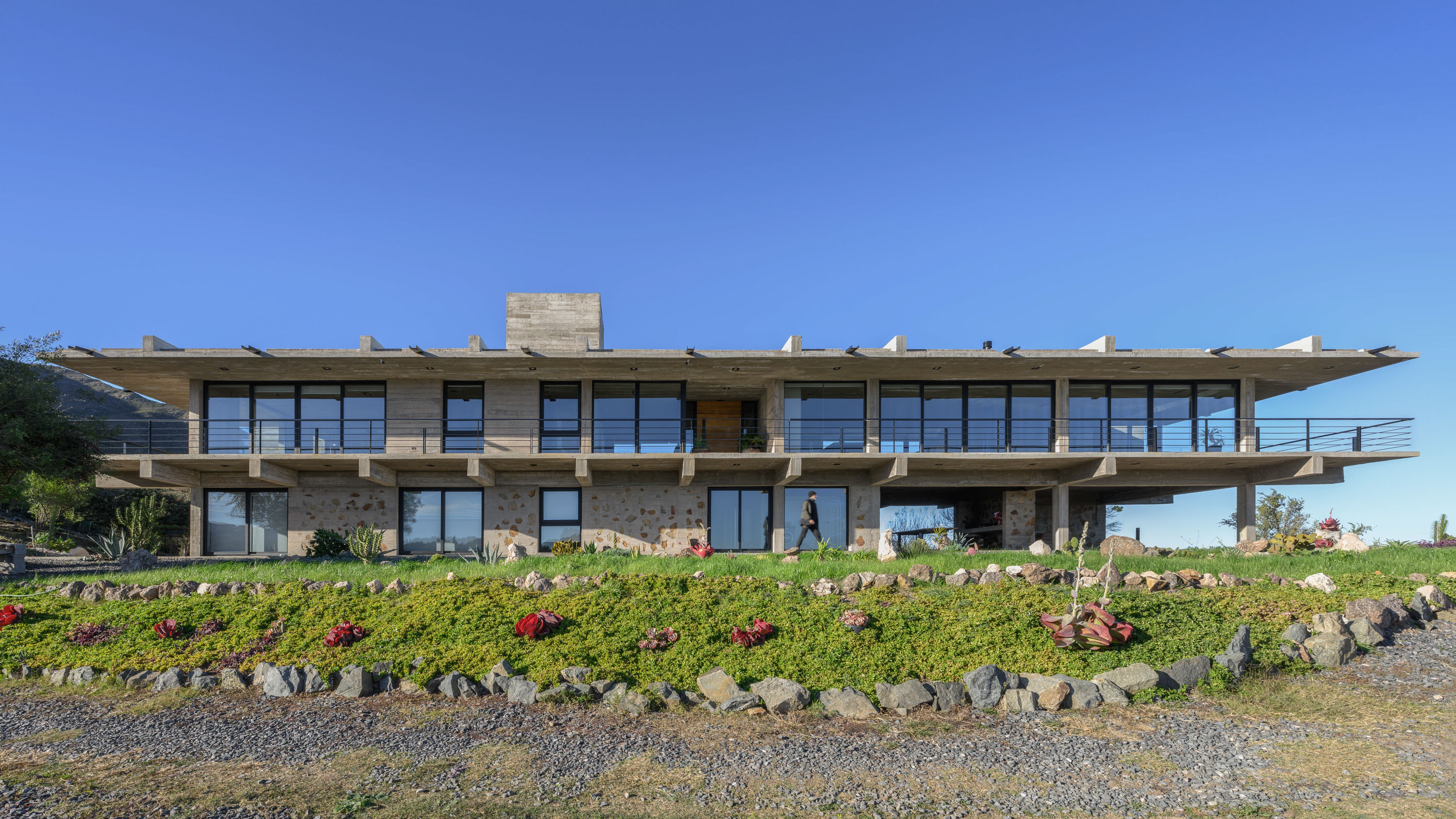
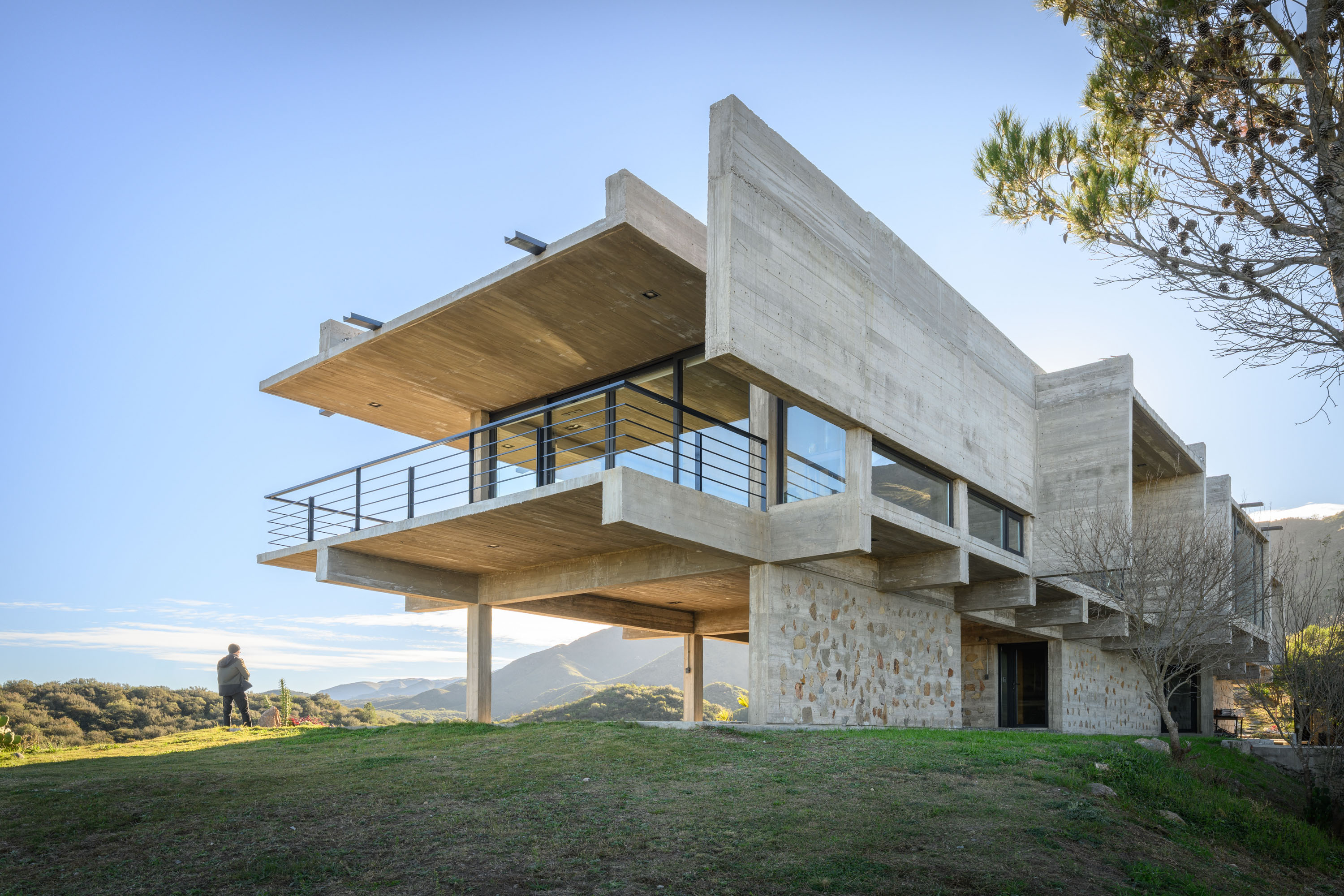
A key aspect of the project lies in its careful management of permeability. Transparent surfaces are balanced by opaque planes that provide privacy and environmental protection. This measured combination allows daylight and views to enter the home while maintaining comfortable interior conditions. The architecture therefore negotiates between openness and enclosure, ensuring that the house remains visually connected to its surroundings without sacrificing the intimacy required for everyday domestic life.
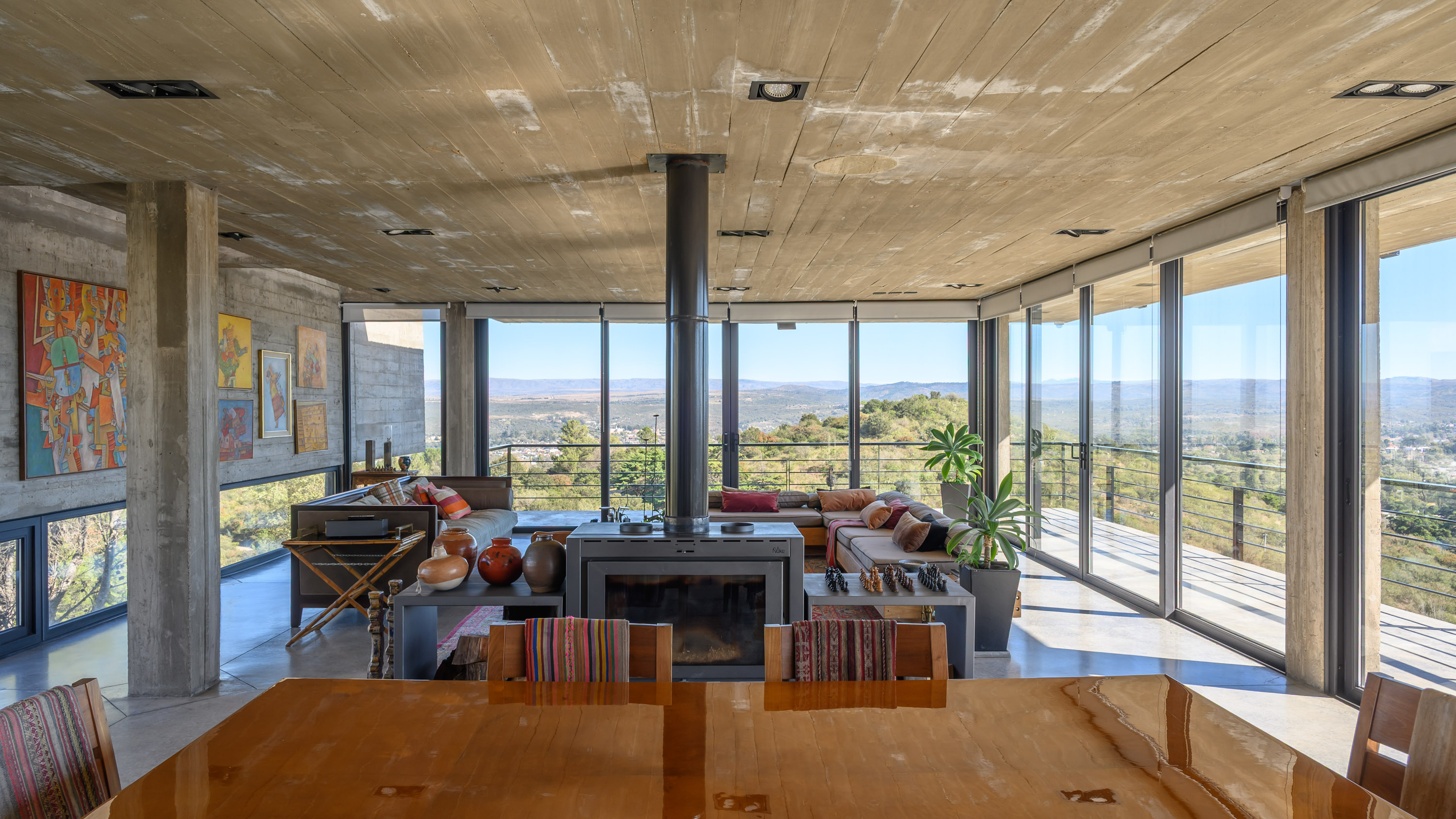
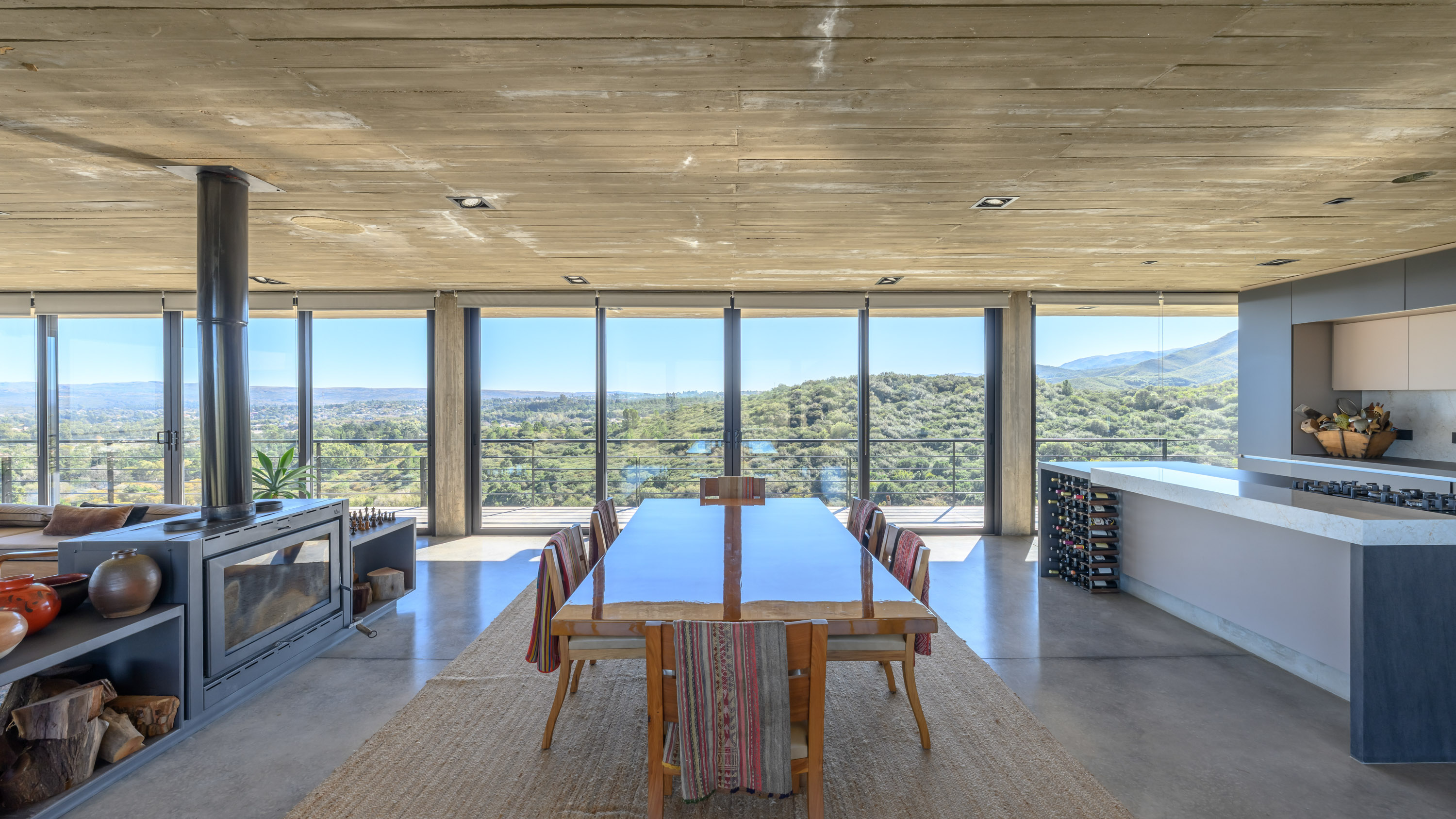
"A controlled palette and carefully measured openings cultivate a calm atmosphere, where consistency rather than ornament defines the architectural character."
Material expression remains deliberately restrained, emphasizing continuity and tactile clarity. Mineral renders define the primary architectural volumes, giving the house a calm and cohesive presence. Timber accents introduce warmth and texture, softening the otherwise minimal composition and bringing a sense of human scale to the interior environment. Darker framed elements sharpen edges and define openings, reinforcing the contemporary tectonic language that characterizes the project.
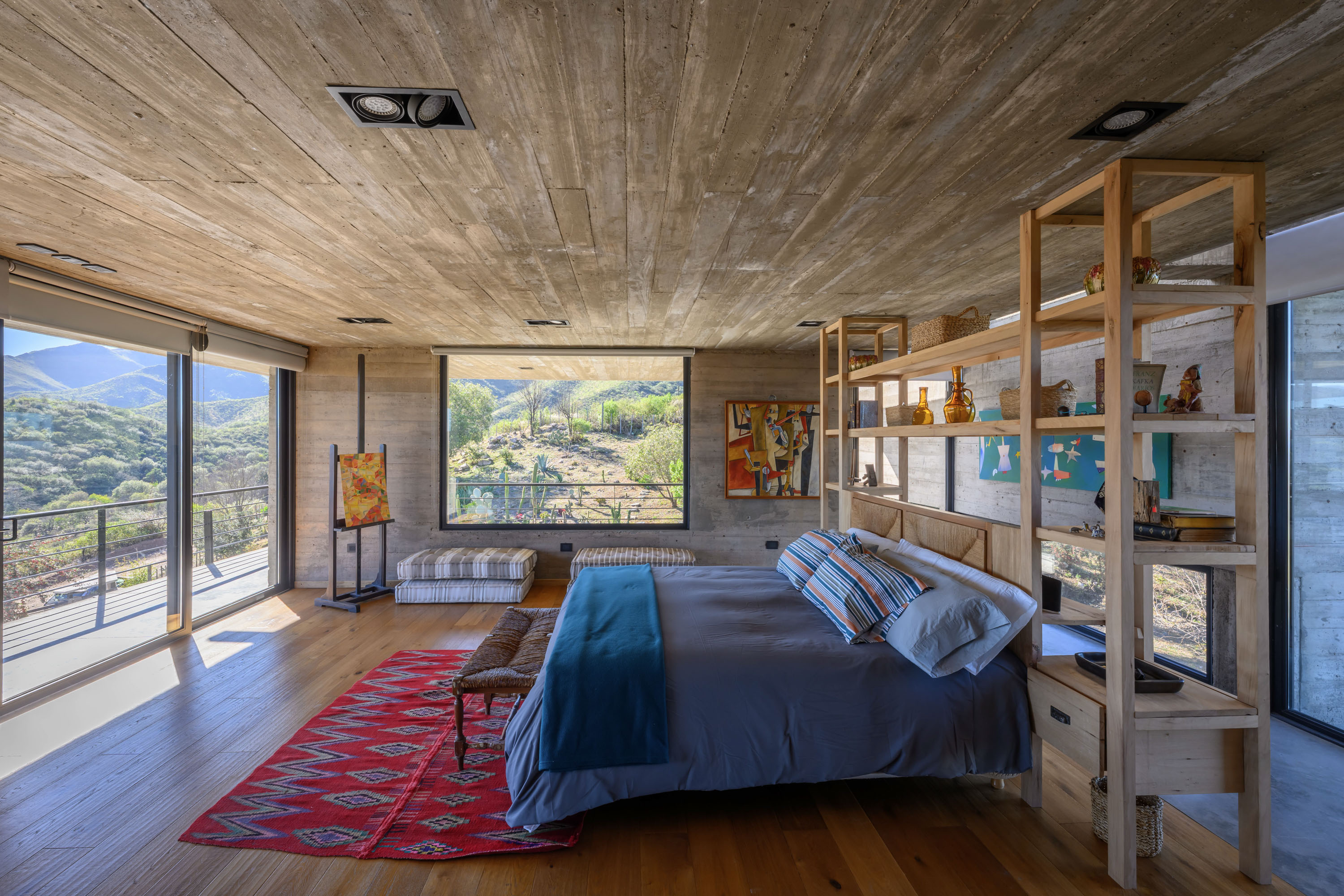
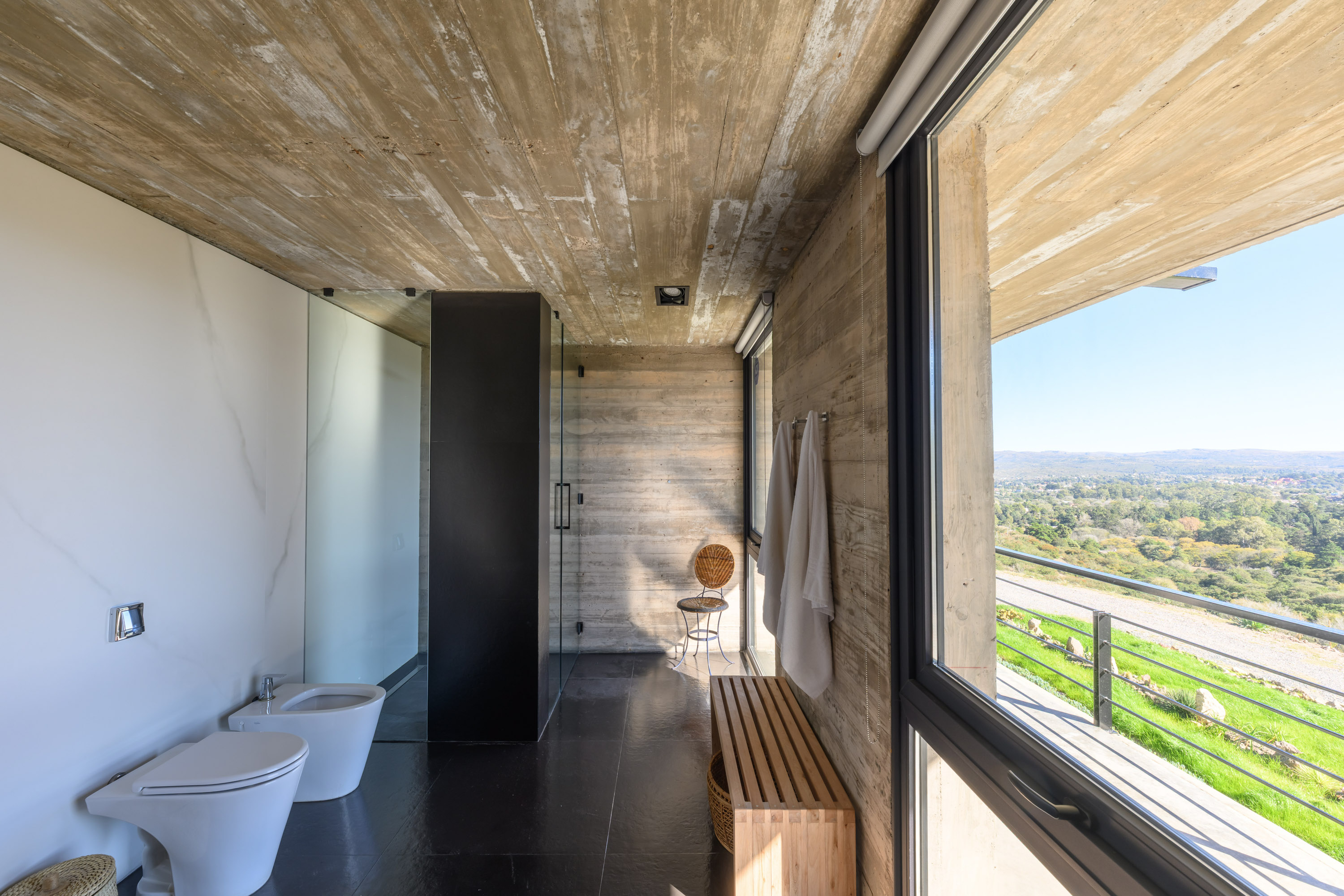
This controlled palette allows materials to work together in quiet harmony. Instead of decorative complexity, the architecture relies on proportion, texture, and the changing presence of light to produce spatial richness. Throughout the day, sunlight moves across surfaces and reveals subtle variations in tone and shadow, transforming the perception of interior spaces. The result is an environment that feels dynamic yet serene, where atmosphere evolves naturally without requiring visual excess.
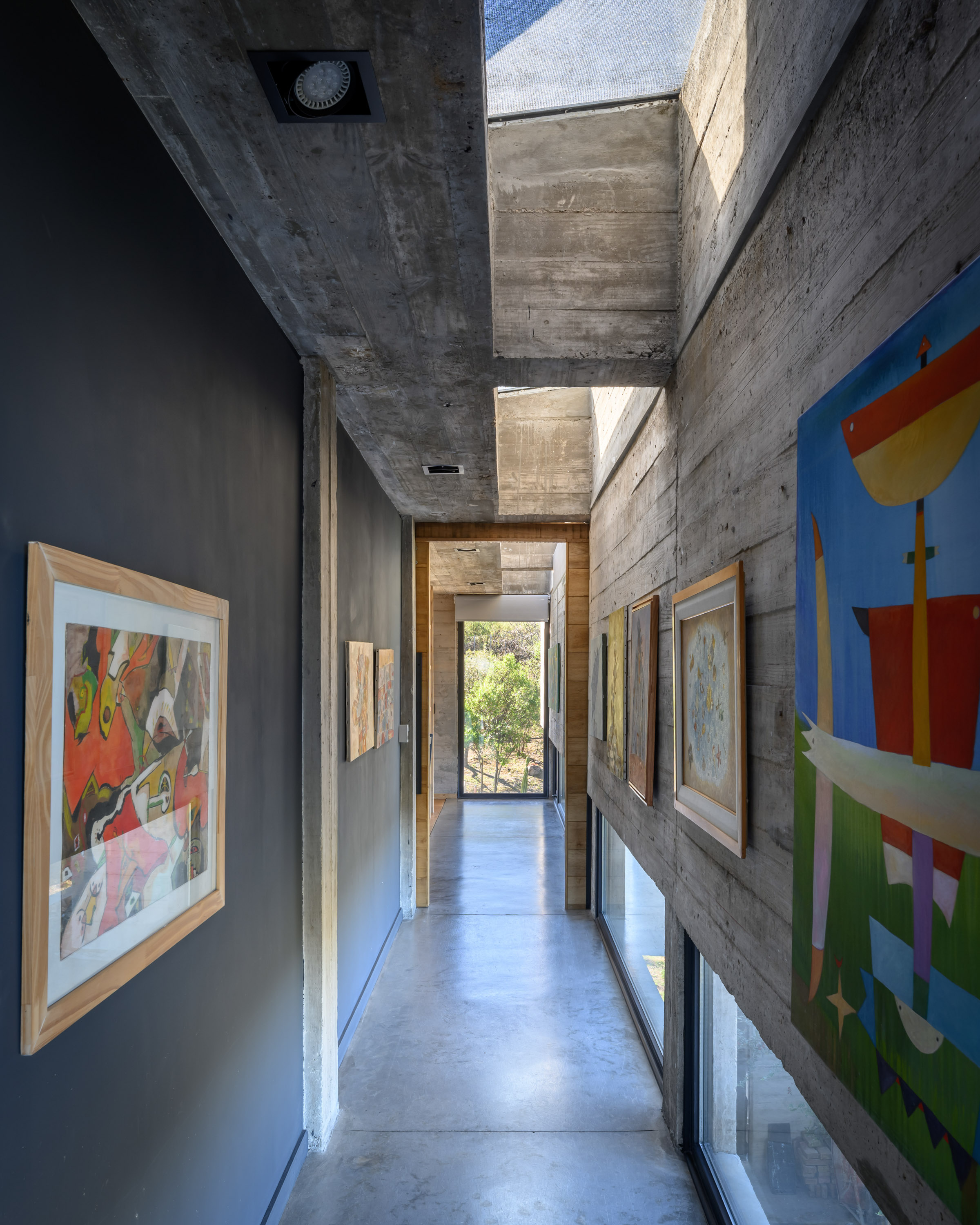
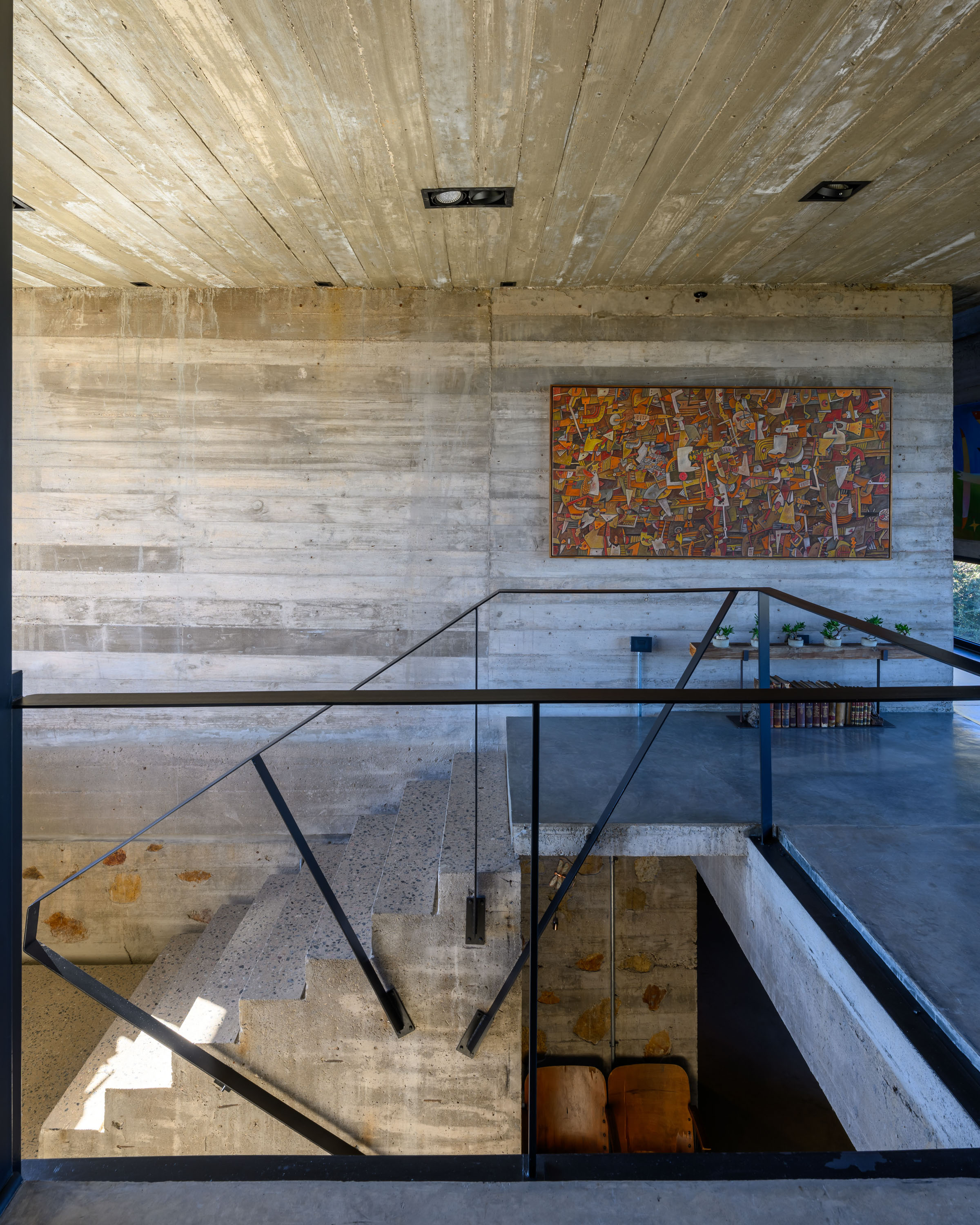
Transitional galleries and exterior platforms extend the architecture beyond its enclosed volumes, supporting circulation, informal gatherings, and moments of quiet pause. These intermediary spaces play an essential role in the everyday functioning of the house, offering shaded areas that mediate climate while expanding the possibilities for outdoor living. By emphasizing these thresholds, the project reinforces the idea that architecture is not limited to interior rooms but includes the spaces that connect them to the landscape.
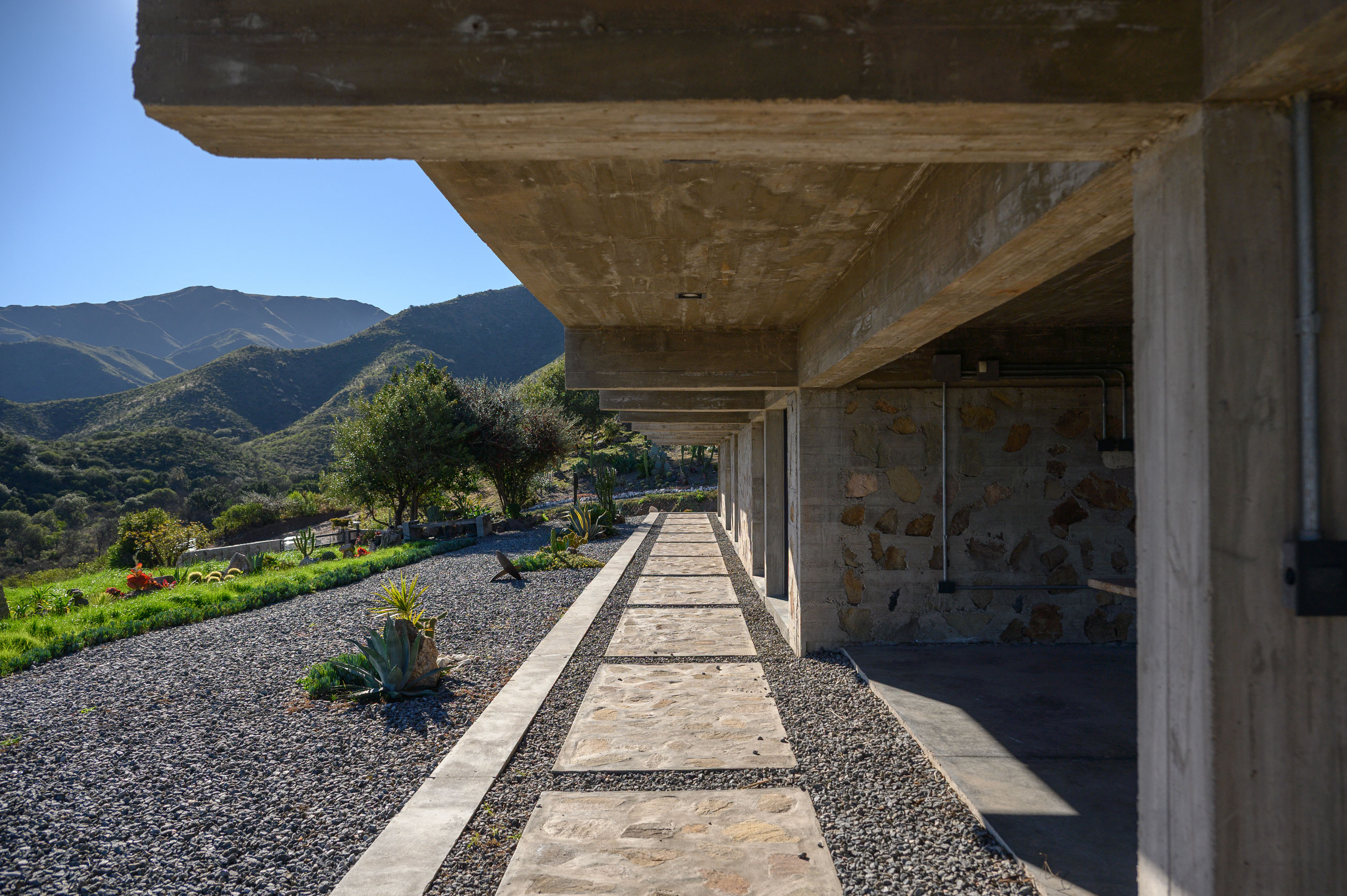
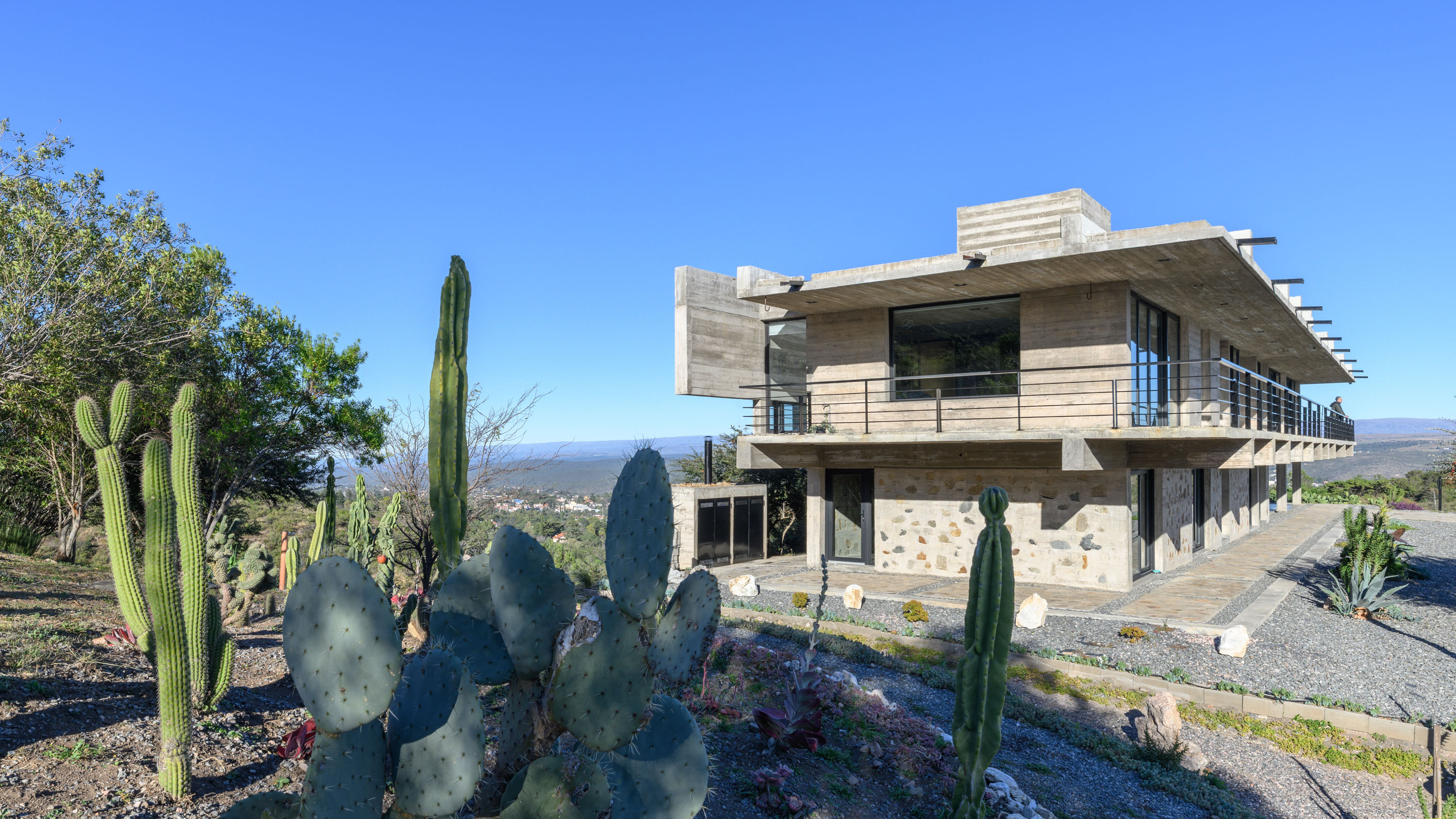
Casa en el Dragon demonstrates how thoughtful residential design can emerge from precise architectural decisions rather than stylistic statements. The placement of apertures, the depth of shading, and the continuity of materials contribute to a balanced living environment shaped by light, proportion, and context. Through this disciplined approach, Cristian Nanzer delivers a residence defined by equilibrium—between openness and protection, continuity and separation—resulting in a home where architectural clarity supports a calm and enduring domestic experience.