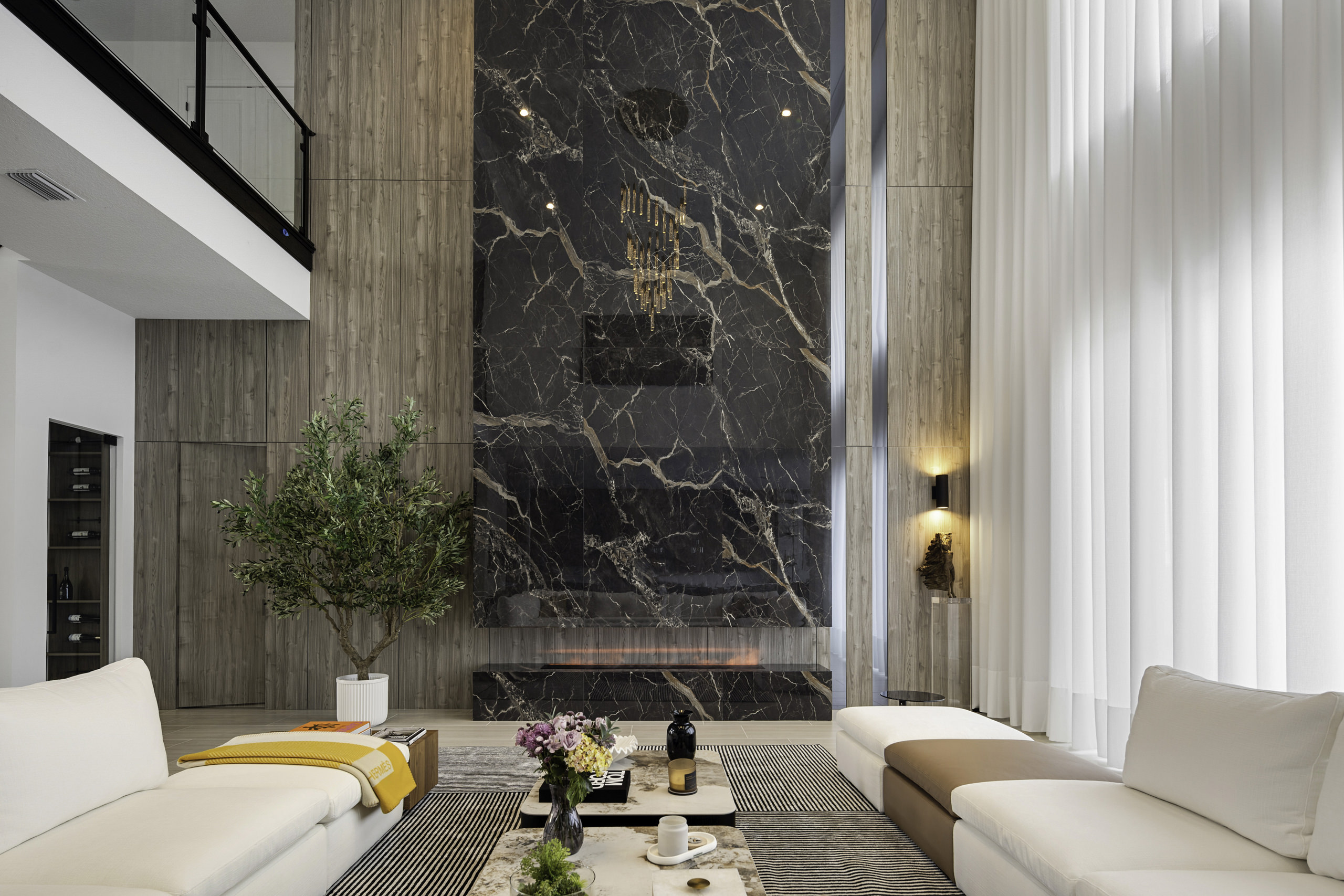
A Language of Refinement – Muriel Project by Dasha Design
"Through restraint, warmth, and precision, the Muriel Project transforms contemporary minimalism into an experience of calm sophistication, where every material and spatial gesture contributes to timeless everyday living."
Thoughtfully composed and quietly expressive, the Muriel Project reveals how contemporary minimalism can feel deeply warm and inviting. Through an elegant balance of proportion, texture, and natural illumination, Dasha Design creates an environment that encourages stillness, comfort, and an enduring connection to everyday living.
Contemporary minimalism often risks becoming overly austere, sacrificing warmth in pursuit of visual clarity. What distinguishes the Muriel Project is its ability to avoid that tension entirely. Designed by Dasha Design, the residence embraces restraint not as an absence of character, but as a deliberate refinement of it. Every surface, transition, and material selection contributes to an atmosphere that feels composed yet deeply livable — an environment where architecture quietly enhances the rituals of daily life. At the core of the project is a disciplined architectural language defined by clean lines, soft geometries, and carefully considered proportions. Rather than relying on decorative excess, the design allows spatial balance and material honesty to establish the identity of the home. Walls appear uninterrupted, transitions feel intuitive, and each volume unfolds with a calm sense of rhythm. This clarity creates interiors that feel expansive without becoming impersonal, reinforcing the idea that simplicity can often carry the greatest emotional resonance.
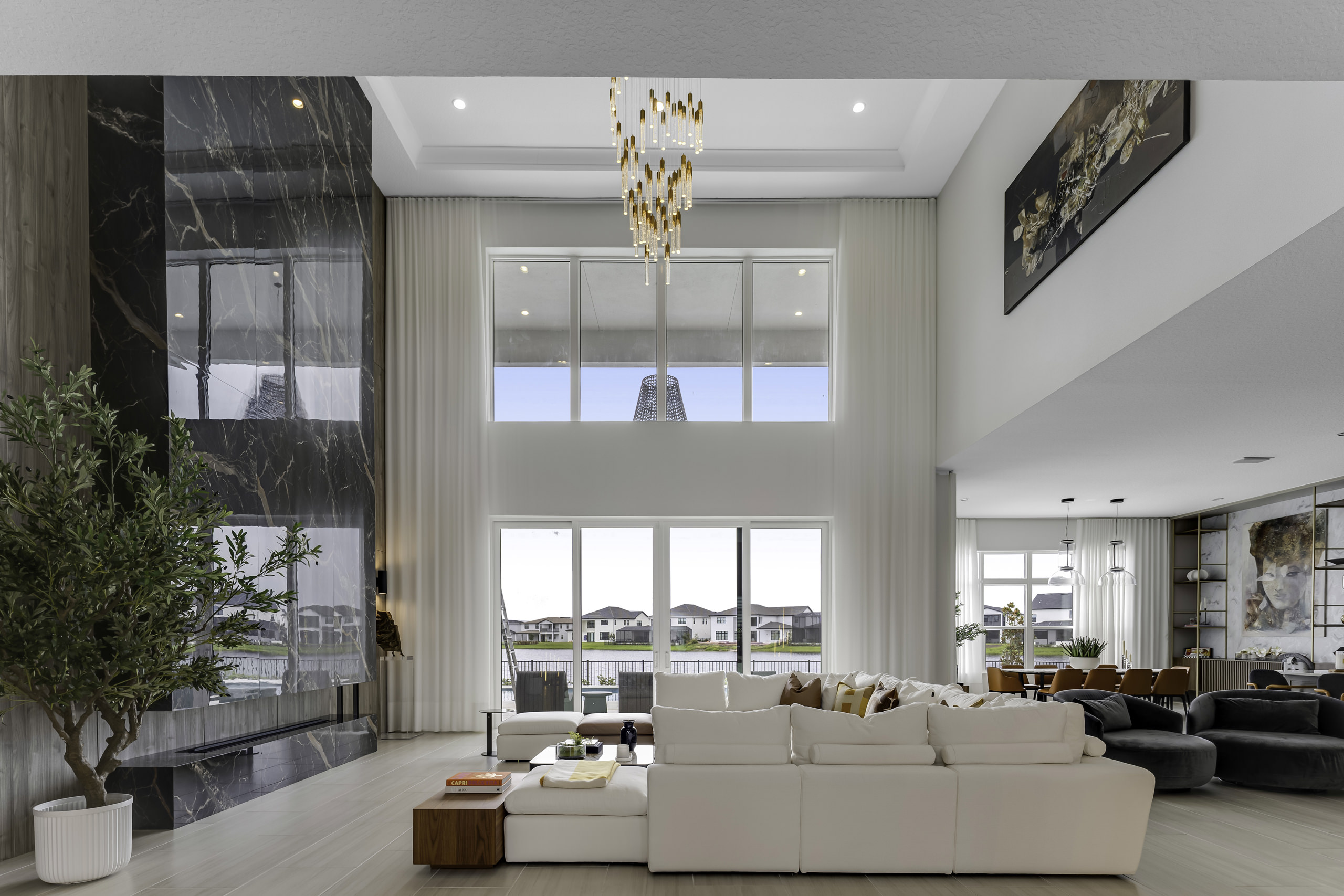
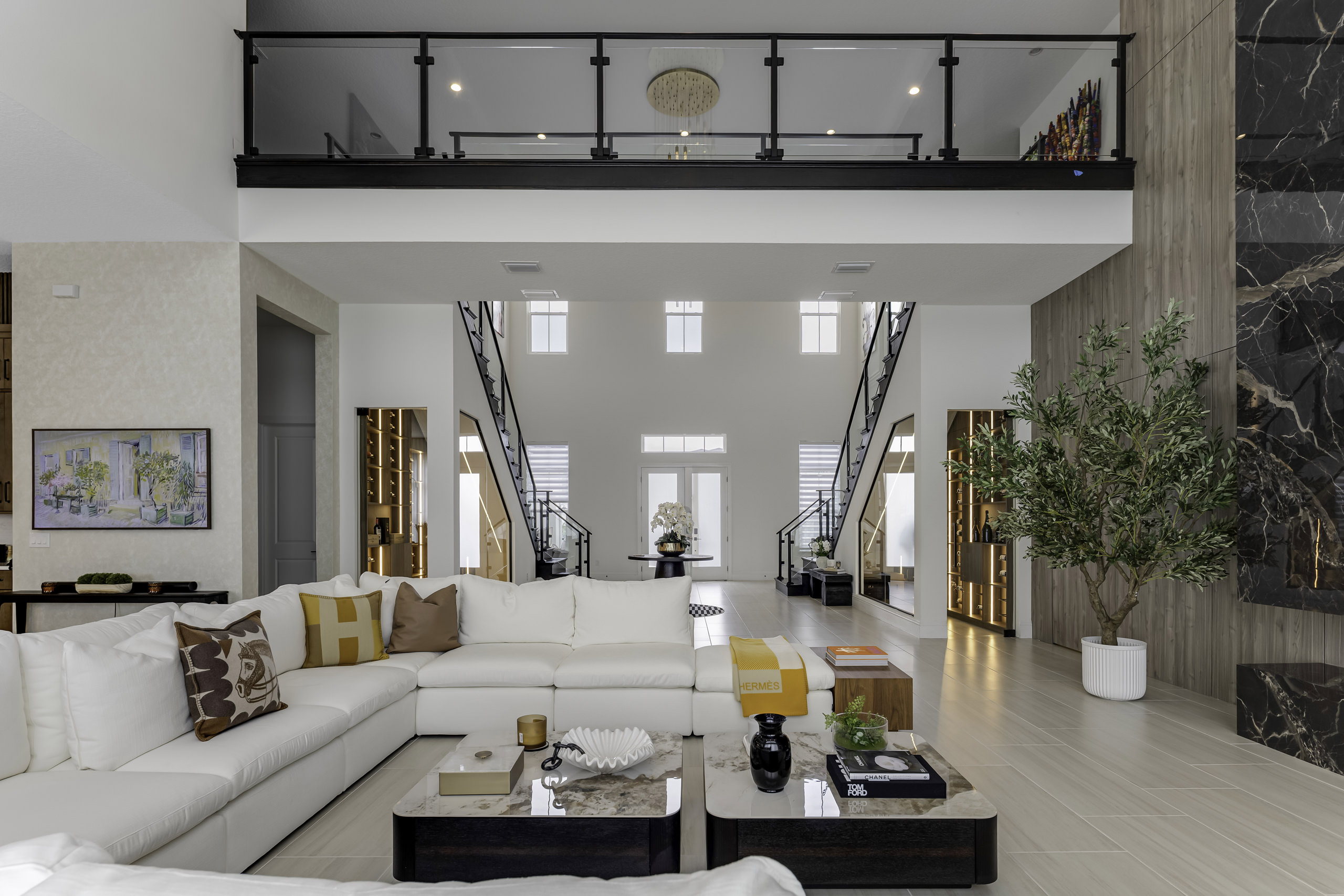
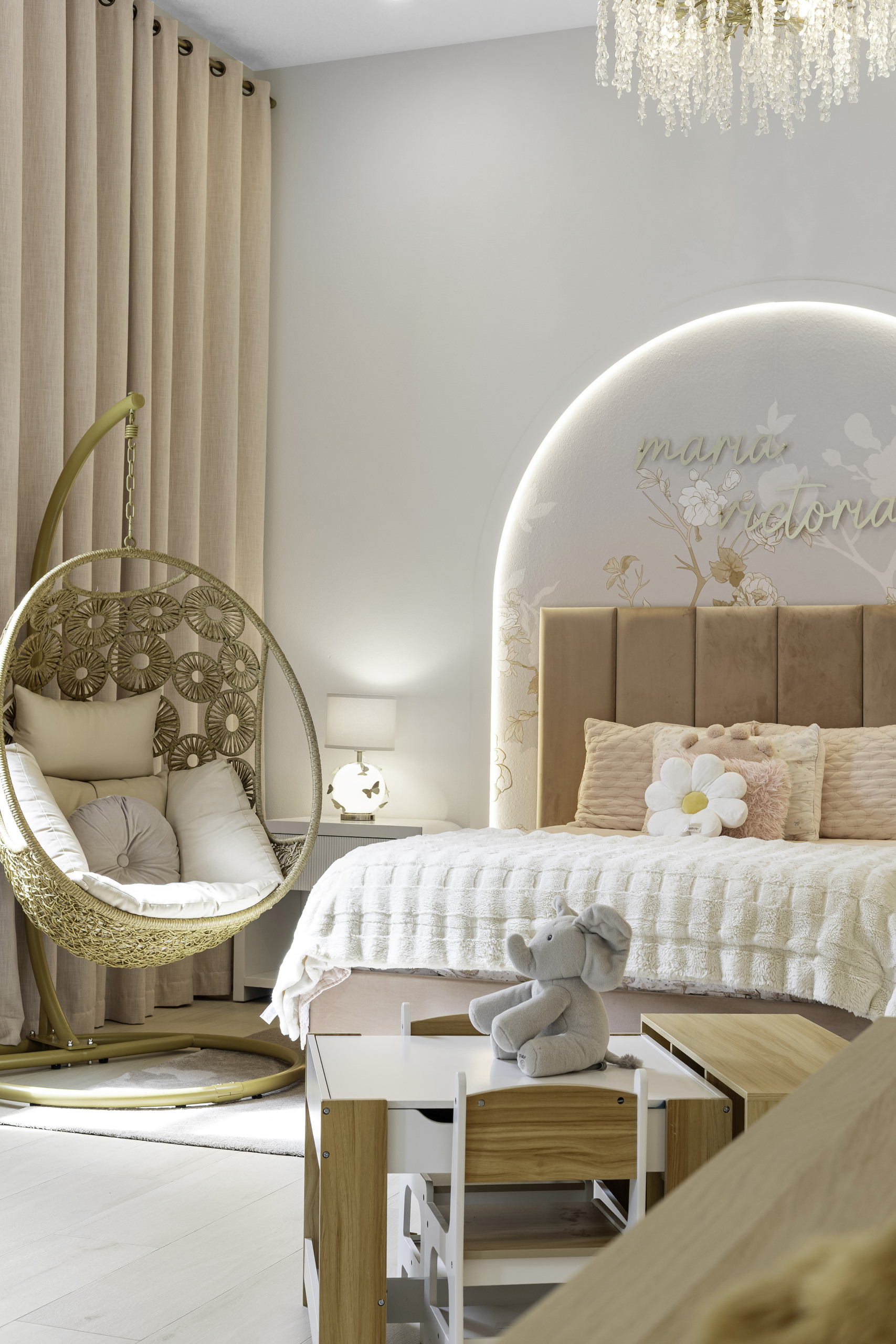
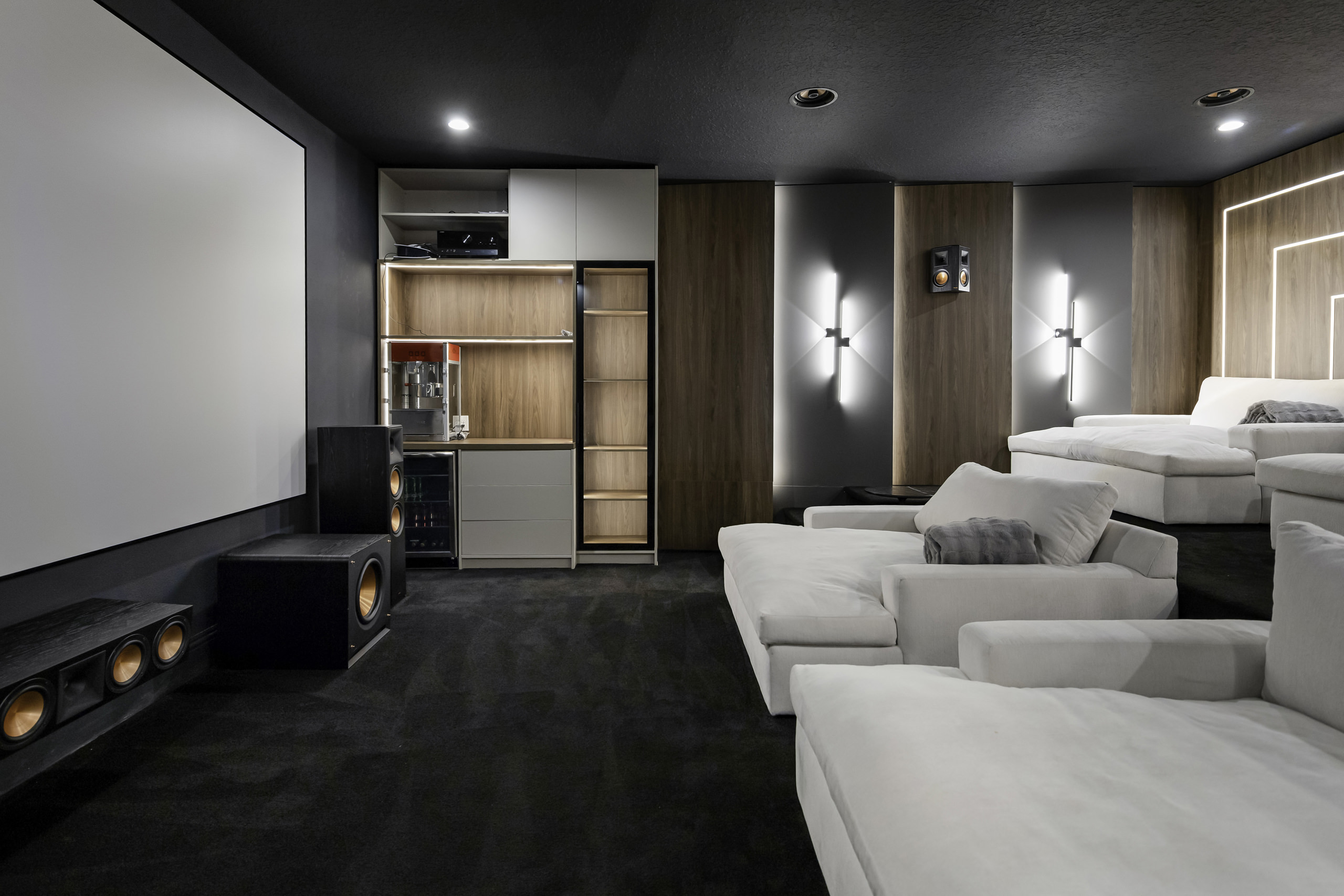
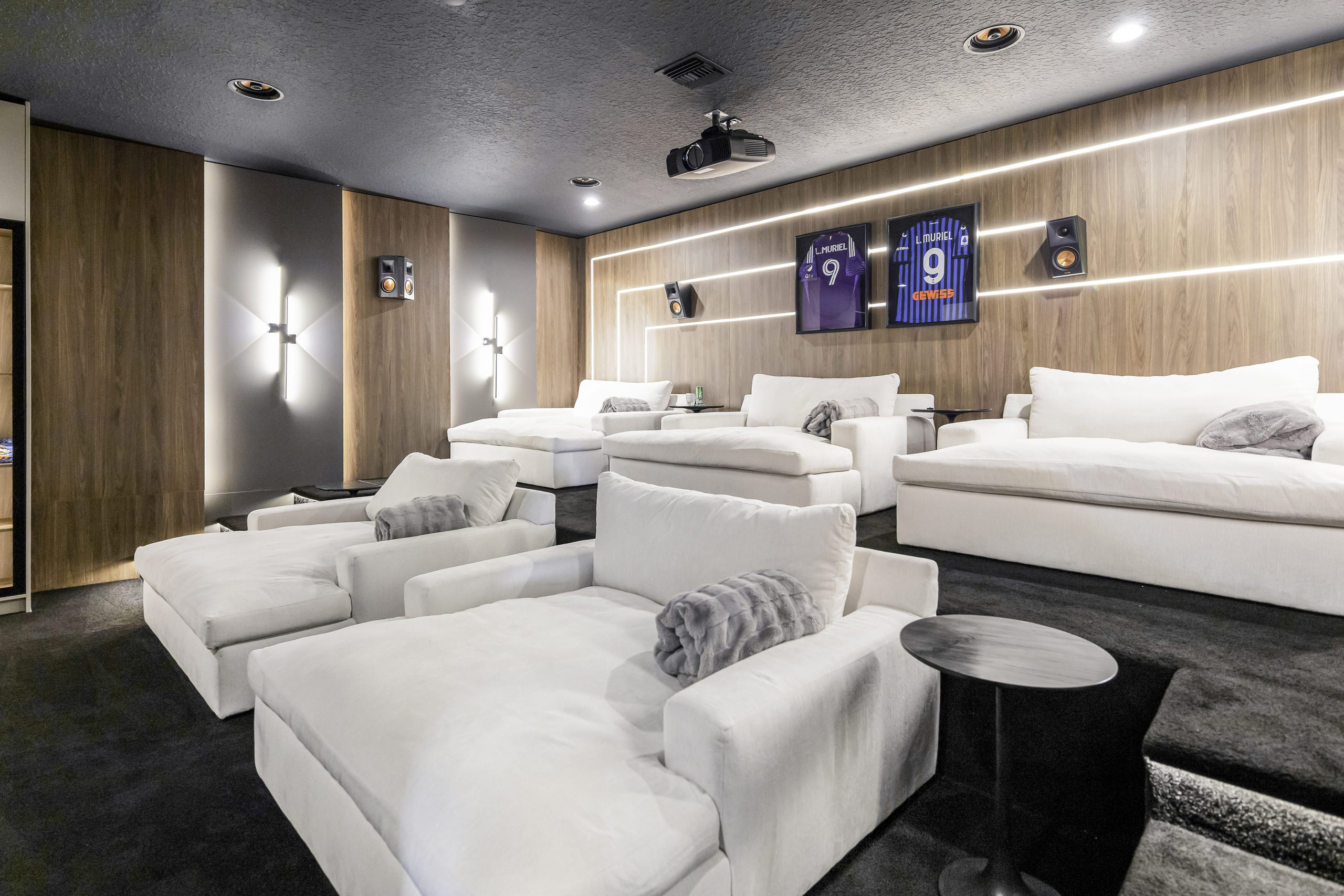
The palette plays a fundamental role in shaping the project’s atmosphere. Neutral tones are layered with remarkable subtlety, establishing visual cohesion throughout the residence while allowing natural textures to become the focal point. Timber introduces warmth and tactility, stone surfaces bring permanence and depth, and soft textiles temper the architectural precision with comfort and softness. Together, these materials create a sensory richness that evolves throughout the day as light moves across the interior. One of the most compelling aspects of the Muriel Project is the way openness has been approached. The home adopts an open-plan configuration, yet each area maintains a distinct identity through proportion, furniture placement, and carefully framed sightlines. Living, dining, and kitchen spaces flow seamlessly into one another, encouraging interaction and continuity while still preserving moments of intimacy. The result is a residence that feels both connected and highly functional — an increasingly important balance within contemporary domestic architecture.
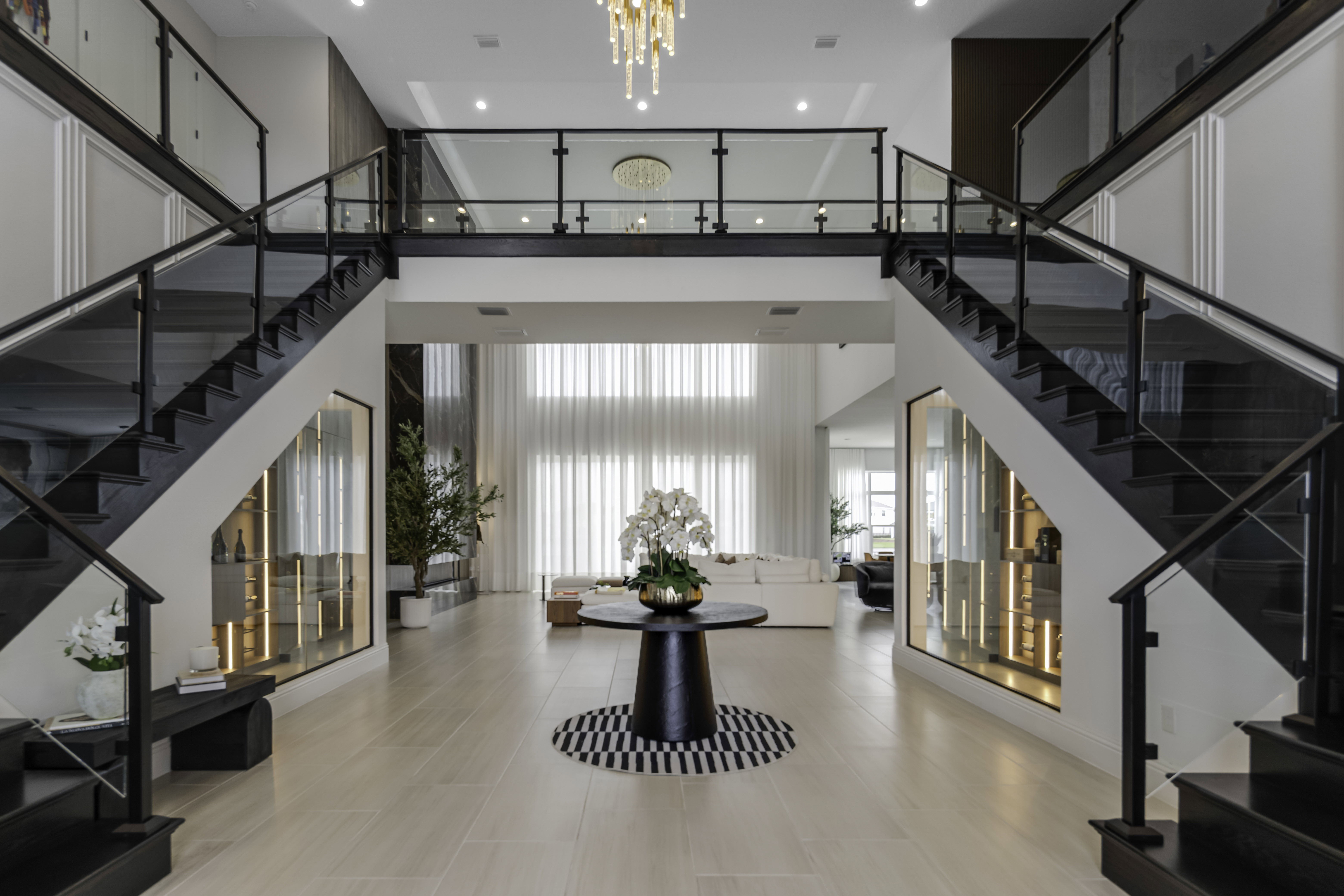
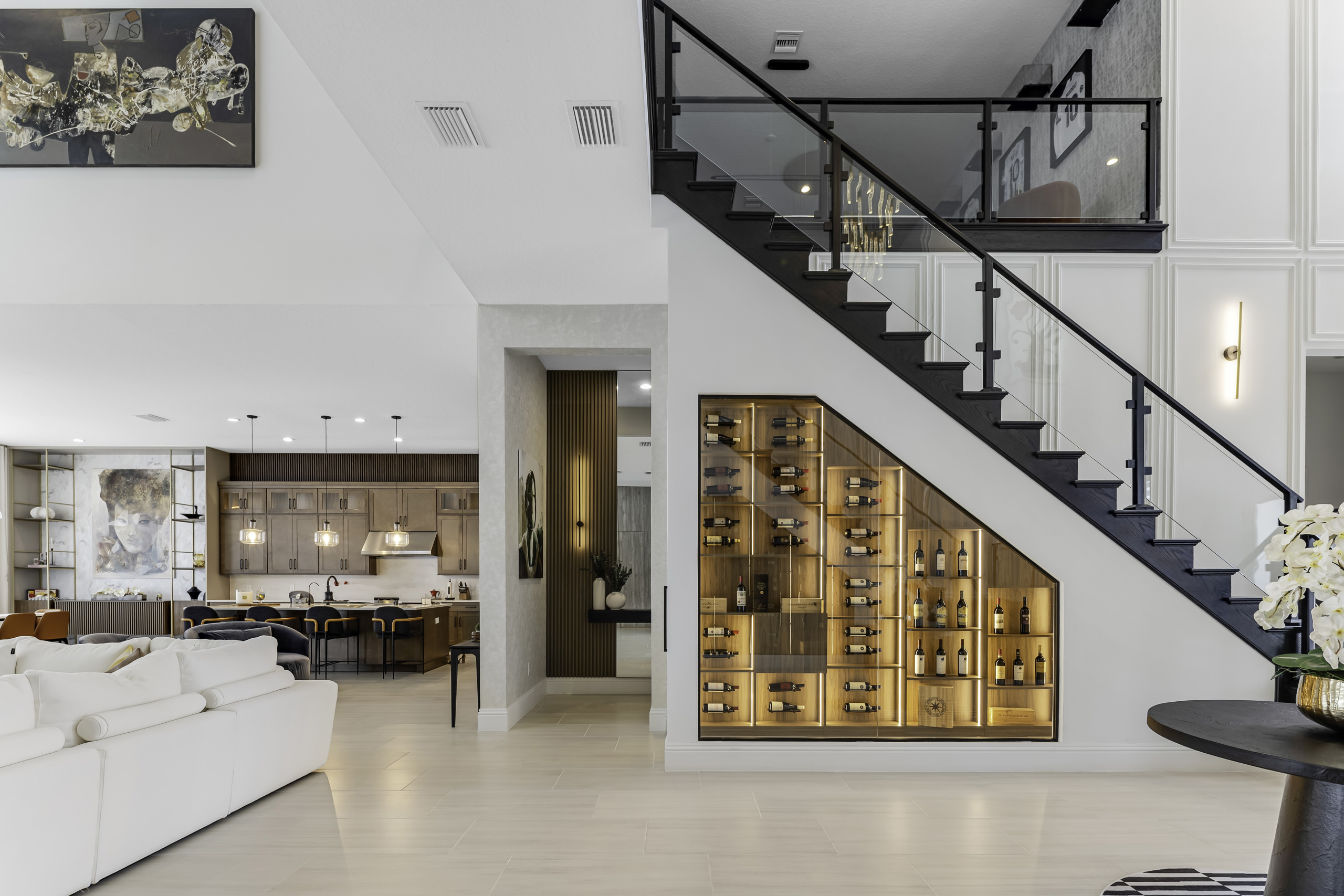
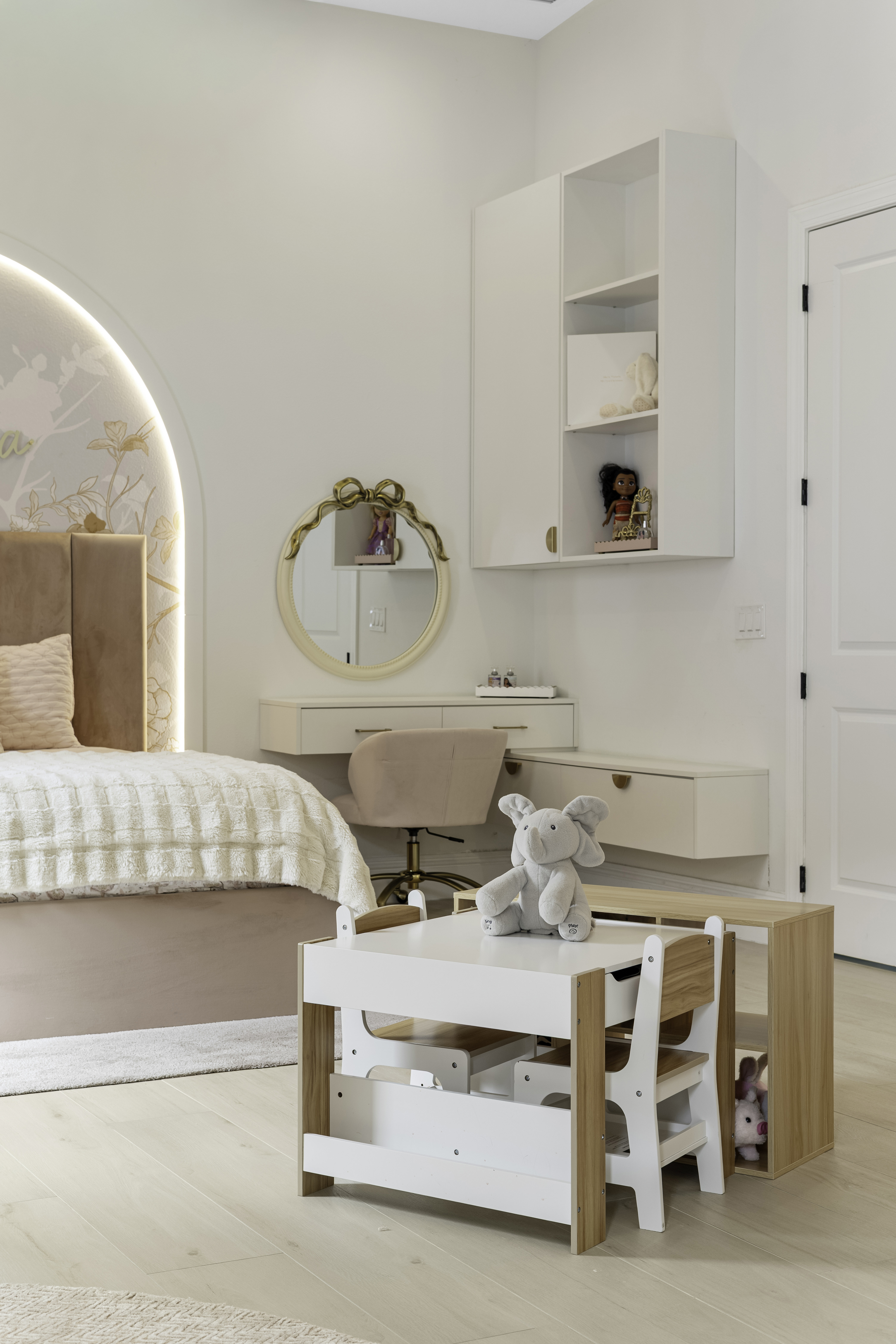
Custom millwork further strengthens this sense of unity. Integrated storage solutions and built-in architectural elements ensure that functionality never interrupts the visual calm of the interiors. Rather than appearing as separate additions, cabinetry and joinery become extensions of the architecture itself. This approach reflects a high level of craftsmanship and precision, where every detail has been considered not only for utility, but also for its contribution to the broader spatial experience. Lighting is another defining feature of the project, handled with an impressive level of sensitivity. Instead of functioning purely as illumination, light becomes an architectural material in its own right. Layered lighting strategies highlight textures, soften edges, and create subtle atmospheric changes throughout the day and evening. Natural light filters gently through the home, enhancing the warmth of the material palette and reinforcing the connection between interior and exterior conditions. As daylight shifts, spaces take on new tonal qualities, bringing movement and depth to the otherwise restrained composition.
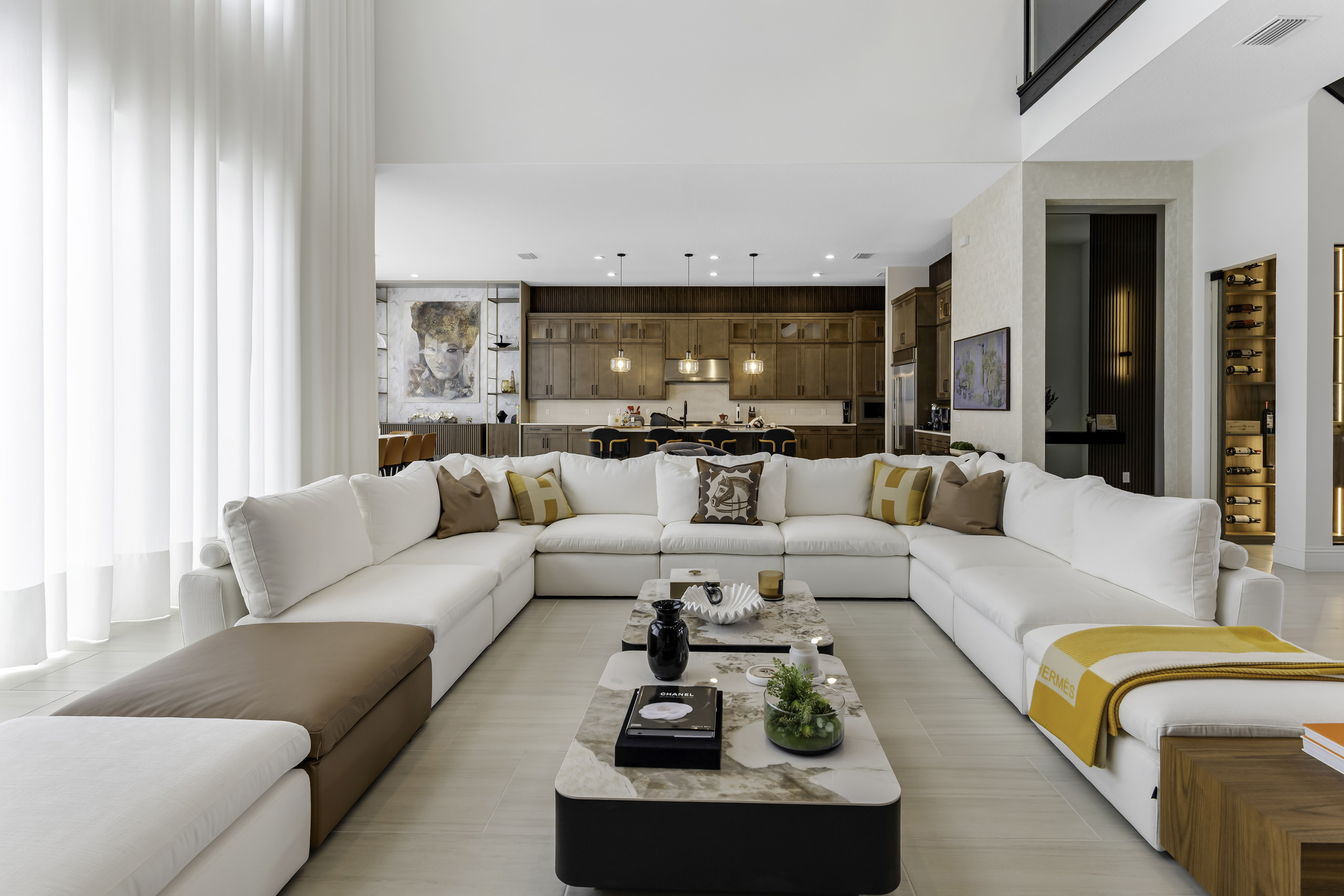
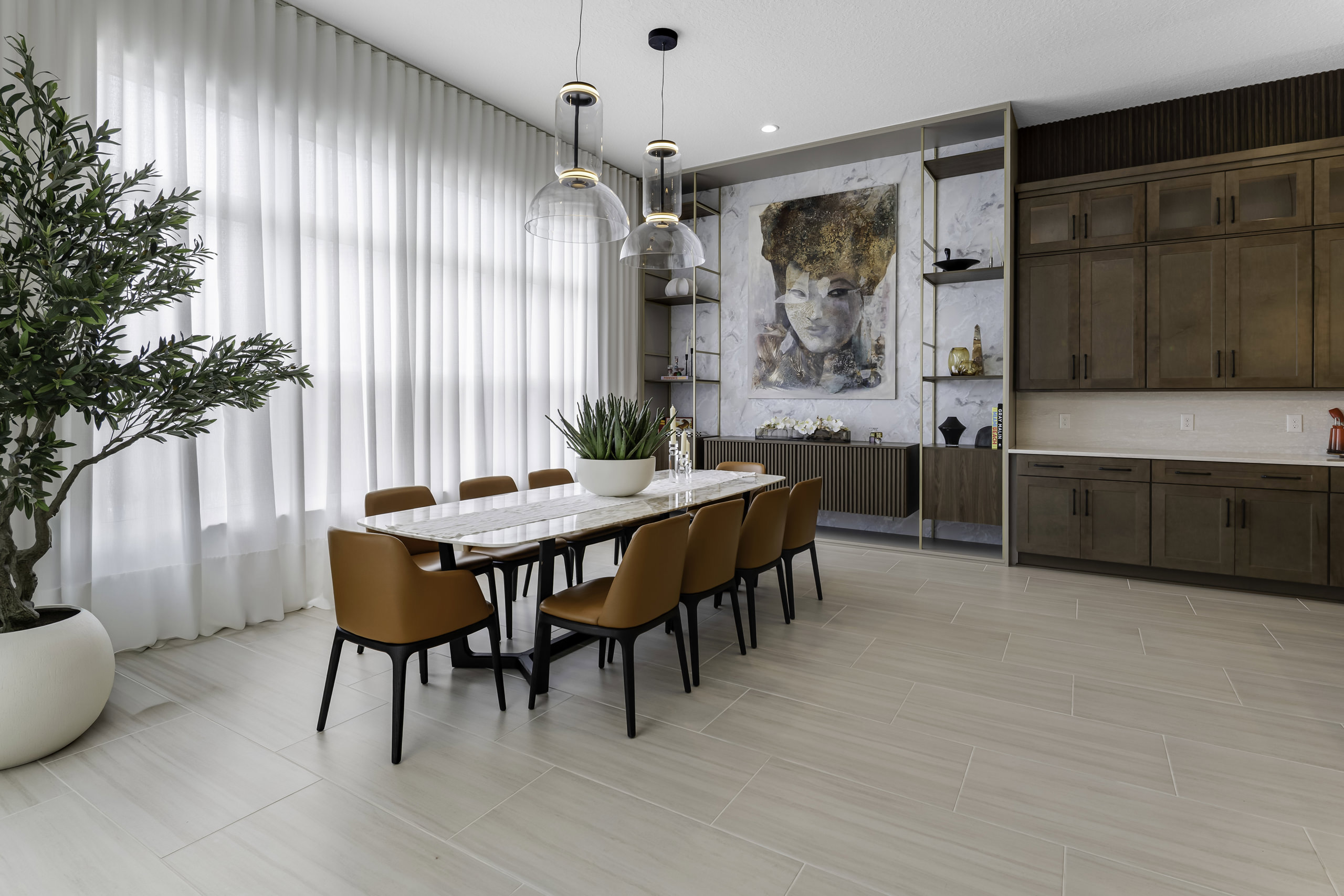
"Natural light, honest materials, and architectural clarity come together in seamless harmony, allowing the Muriel Project to embody a refined vision of comfort, permanence, and understated contemporary elegance."
The relationship between indoors and outdoors is central to the overall success of the residence. Large openings maximize natural light while establishing a continuous visual dialogue with the surrounding environment. This transparency enhances the feeling of openness and contributes to the calmness that defines the project. Rather than treating exterior areas as separate zones, Dasha Design allows them to become extensions of the interior experience, creating a more holistic understanding of living. It is a thoughtful gesture that elevates the emotional quality of the home while reinforcing its architectural coherence. Beyond its aesthetic refinement, the Muriel Project succeeds because of its profound understanding of how people inhabit space. The design does not seek attention through dramatic gestures or fleeting trends. Instead, it focuses on longevity, comfort, and emotional clarity — qualities that often define the most enduring interiors. There is a confidence in the restraint shown throughout the project, a belief that thoughtful detailing and honest materiality can create spaces far more meaningful than overt visual complexity.
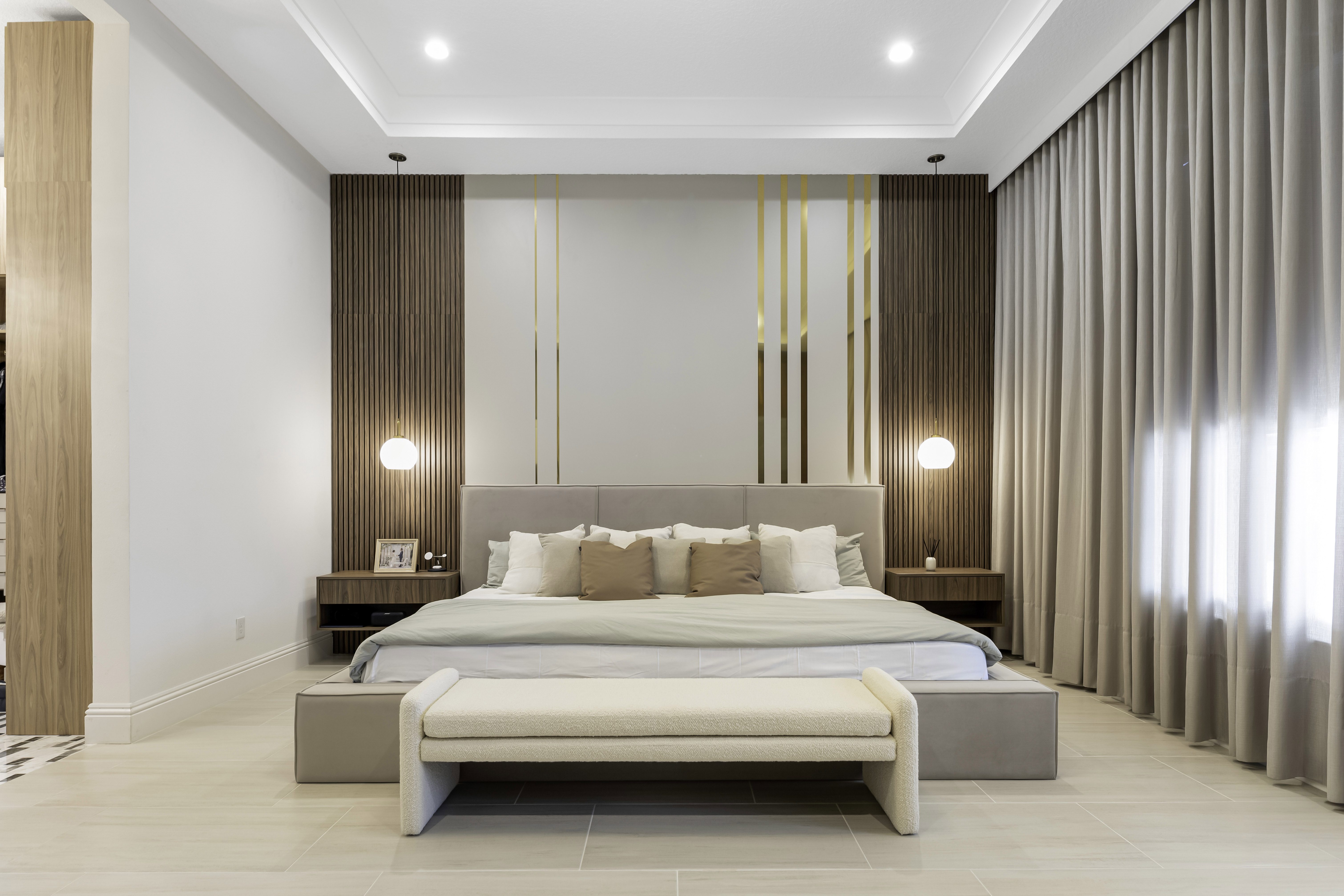
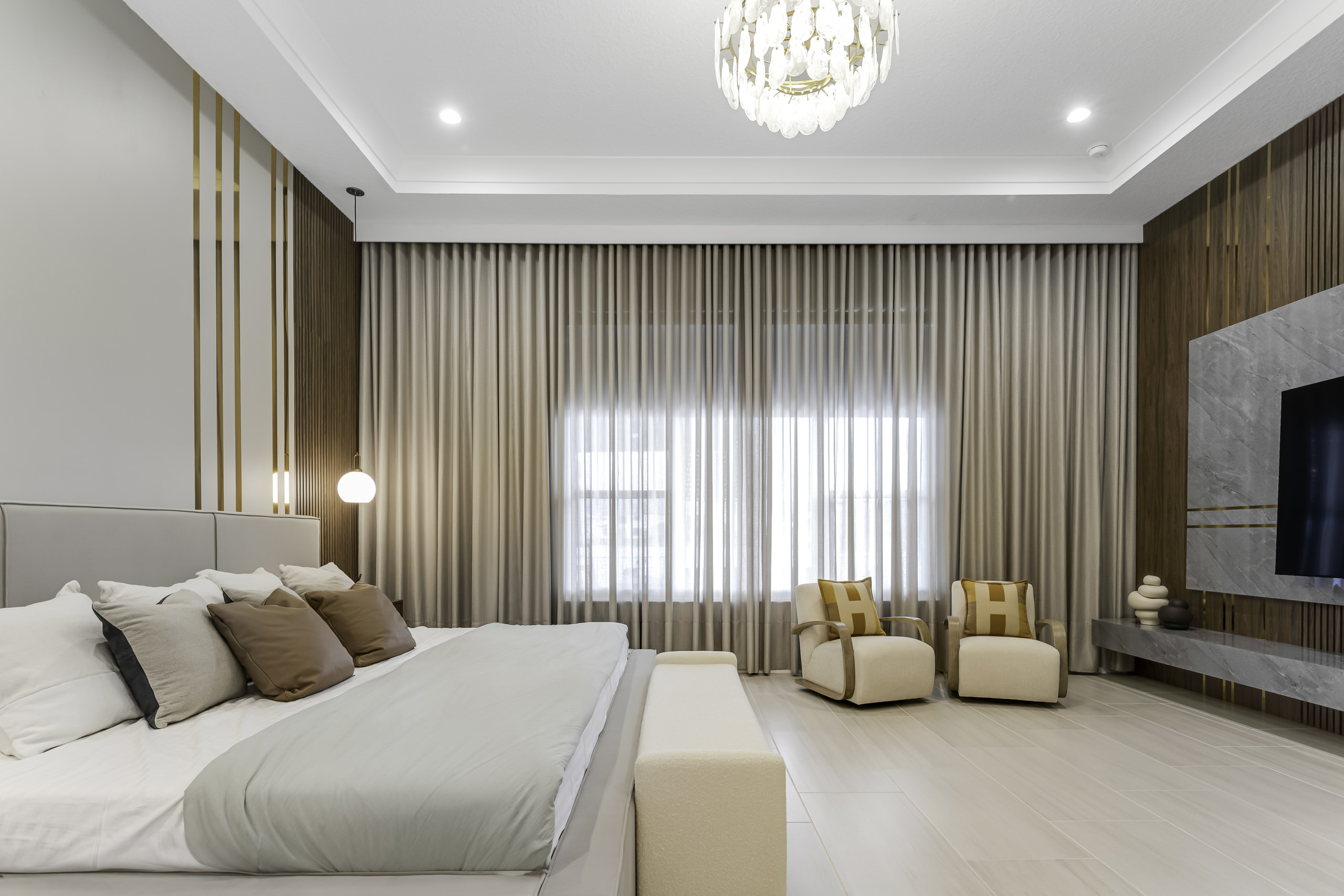
What makes the project particularly admirable is its timelessness. In an era where interiors are frequently shaped by fast-moving stylistic movements, the Muriel Project demonstrates the value of permanence and considered design. Its palette, forms, and spatial arrangements feel intentionally enduring rather than momentarily fashionable. This gives the residence a quiet sophistication that will likely remain relevant for years to come, allowing it to age gracefully alongside its inhabitants.
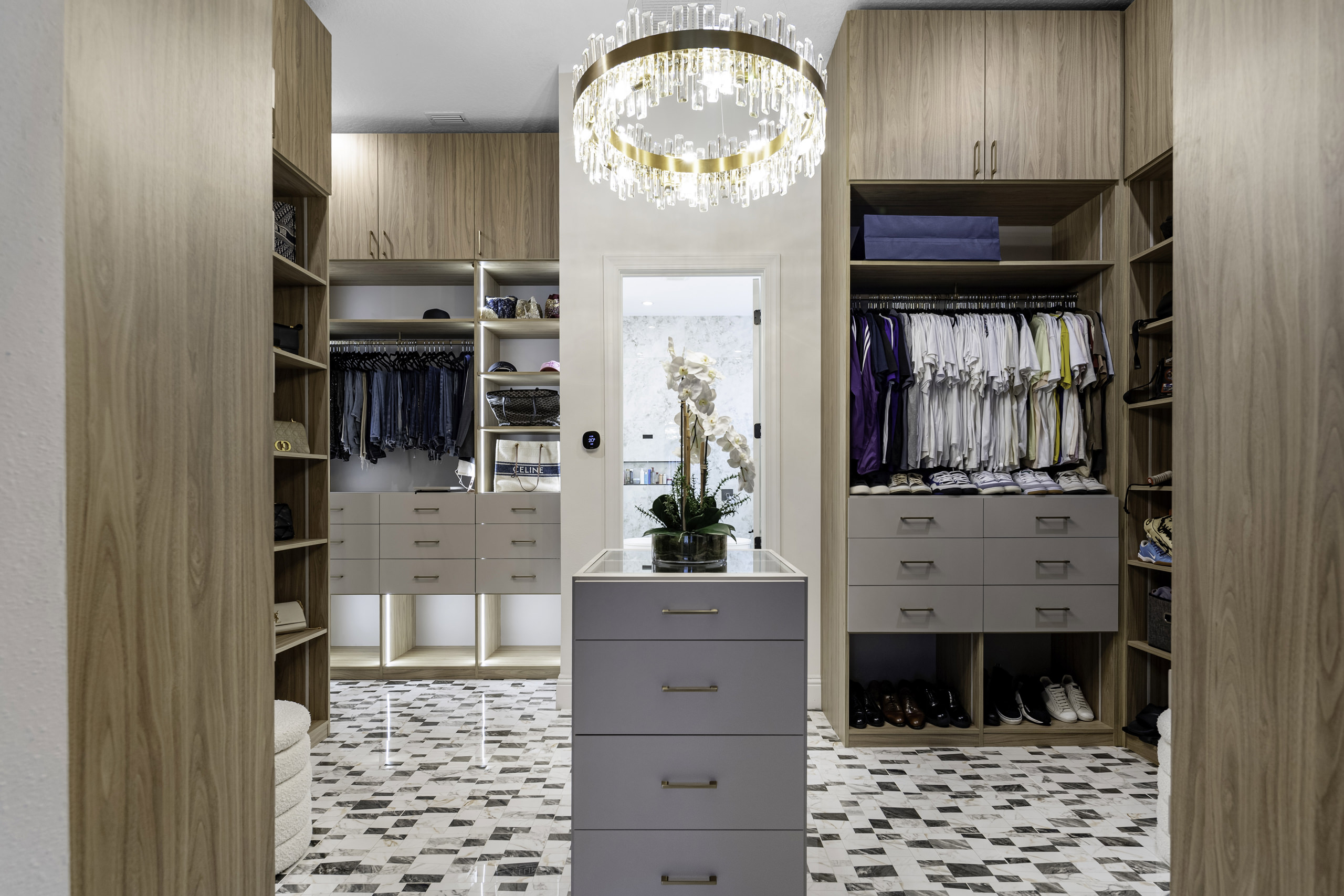
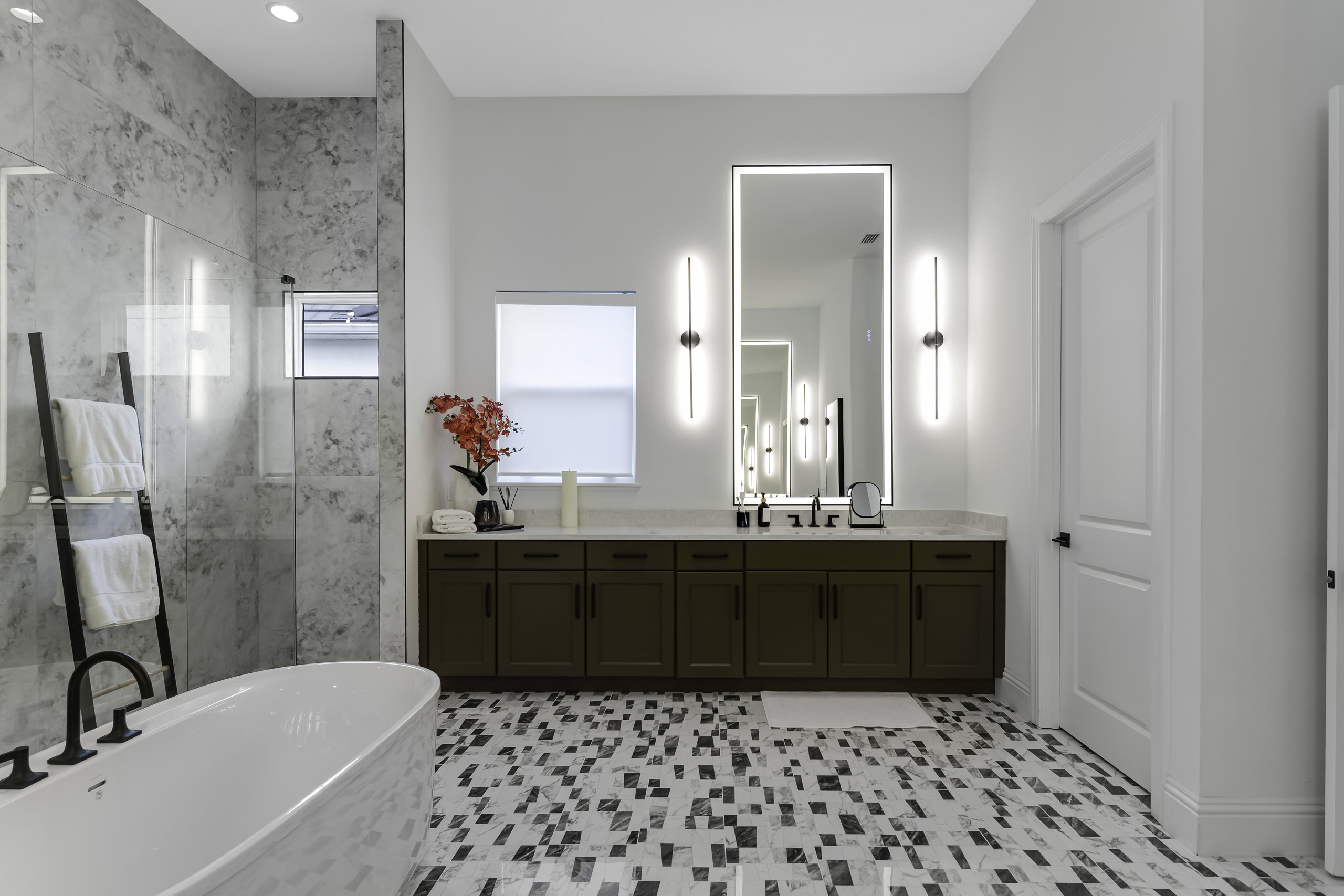
Dasha Design’s approach also highlights a growing shift within contemporary architecture toward emotional sustainability. While sustainability is often discussed in technical or environmental terms, projects like Muriel remind us that longevity is equally tied to emotional connection. Spaces that feel calm, adaptable, and genuinely comfortable are more likely to be appreciated and preserved over time. In this sense, the project’s restrained elegance becomes not only an aesthetic decision, but also a meaningful contribution to responsible design thinking.
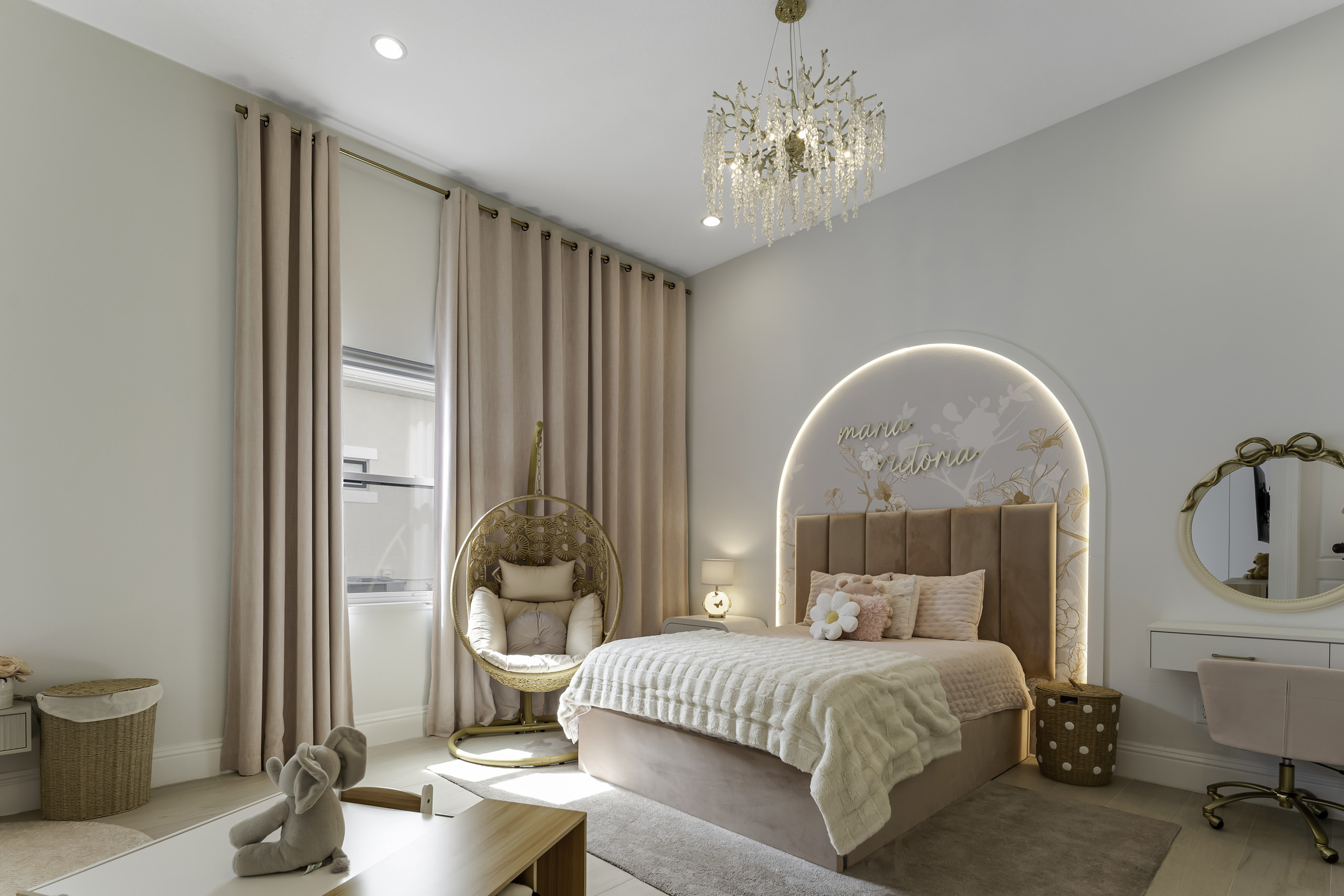
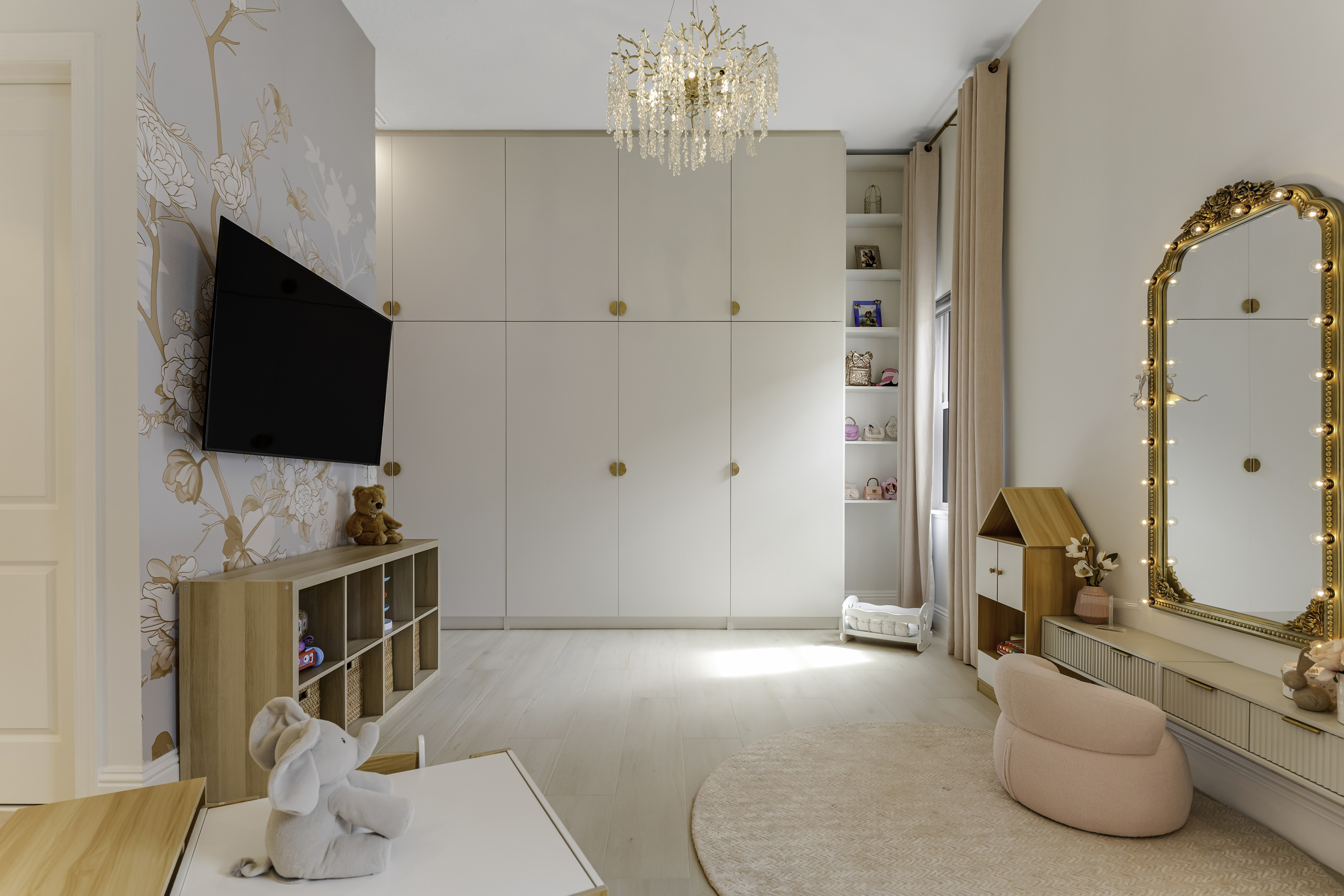
The Muriel Project is a compelling example of how minimalism can transcend visual simplicity to become something far more human and atmospheric. Through careful material selection, integrated craftsmanship, and an intuitive understanding of light and proportion, Dasha Design has created a residence that feels both contemporary and timeless. It is a home defined not by excess, but by intention — where every detail contributes to a broader sense of harmony, tranquility, and refined living.